Sonny Valindra
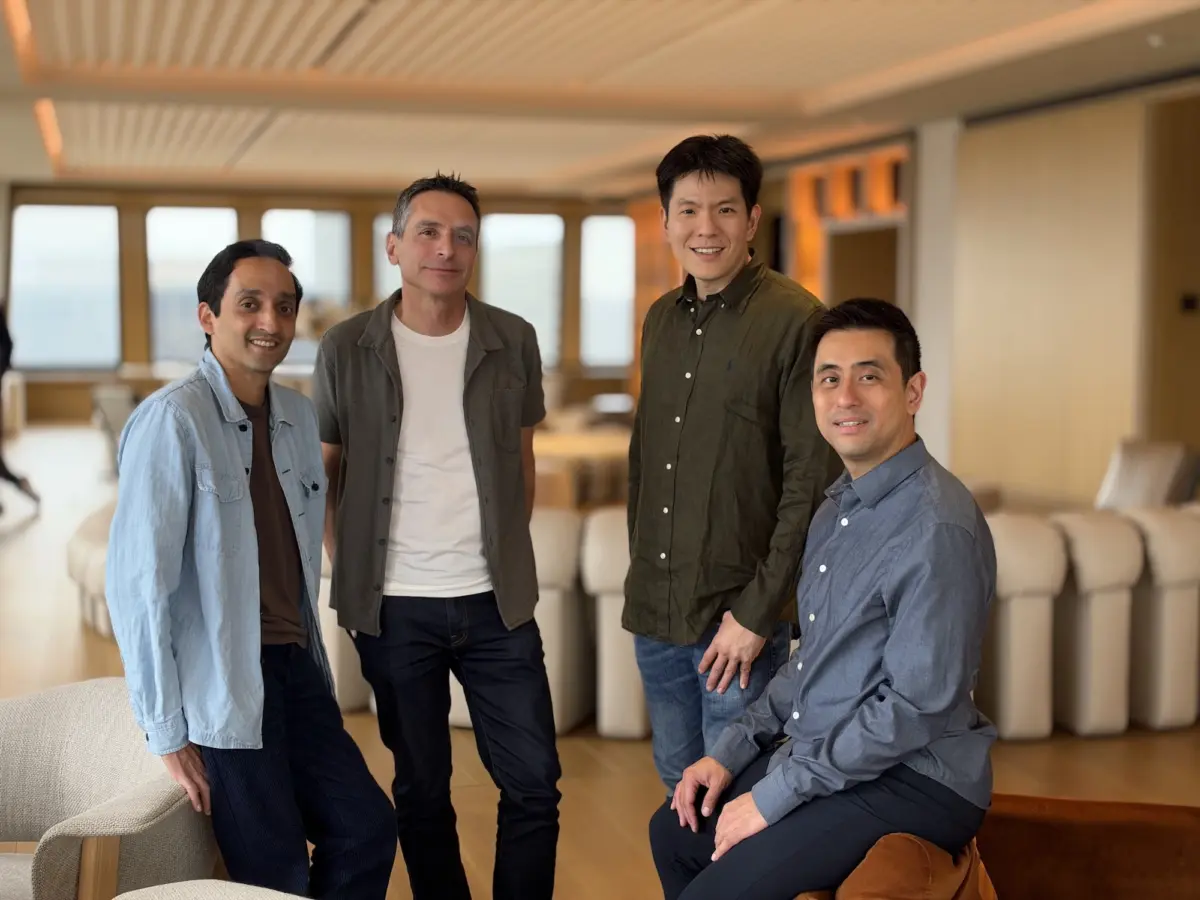
The architecture, engineering, and construction (AEC) industry, a sector fundamental to the physical infrastructure of modern society, is poised for a significant transformation. Dream, a new startup founded by Stanford computer science alumni Andy Elder and Arjun Mathur, has officially launched from stealth, announcing a substantial $17 million seed funding round. This significant investment, spearheaded by Andreessen Horowitz with participation from prominent venture capital firms including SV Angel, XYZ, and Zigg Capital, signals strong market confidence in Dream’s ambitious mission: to leverage artificial intelligence to automate building design and engineering by developing advanced "built world models."
The impetus for Dream’s creation stems from a deeply concerning trend observed by its founders. Despite monumental advancements in other technological fields, the ability to construct new buildings in the United States has demonstrably declined over the past few decades. This stagnation is largely attributed to soaring development costs, a complex and often inefficient design and approval process, and the persistent reliance on outdated software and methodologies.
"We’ve gone from dial-up internet to superintelligent AI, but our ability to build the physical world around us has actually decreased," Arjun Mathur, co-founder of Dream, stated in a recent interview. This observation highlights a critical paradox: as computational power and AI capabilities have exploded, the productivity and efficiency within the AEC sector have failed to keep pace, leading to a critical bottleneck in physical development.
The Palantir Pedigree and the Genesis of Dream
Andy Elder and Arjun Mathur are no strangers to tackling complex technological challenges. The duo first met as roommates at Stanford University, where they both pursued degrees in computer science. Following their academic careers, they embarked on a decade-long tenure at Palantir Technologies, a renowned data analytics and software company. During their time at Palantir, Elder rose to lead product design for a team of 800, developing sophisticated software solutions for U.S. defense and intelligence agencies. Concurrently, Mathur served as a senior vice president within the company’s commercial practice, gaining extensive experience in enterprise software deployment and client relations.
This extensive experience in building complex, data-intensive software systems, particularly within high-stakes environments, provided Elder and Mathur with a unique perspective. When they decided to venture into entrepreneurship early last year, the decision to collaborate was immediate and unequivocal. Their shared background, combined with a keen observation of a pressing societal issue, laid the foundation for Dream.
Challenging the Status Quo in AEC Software
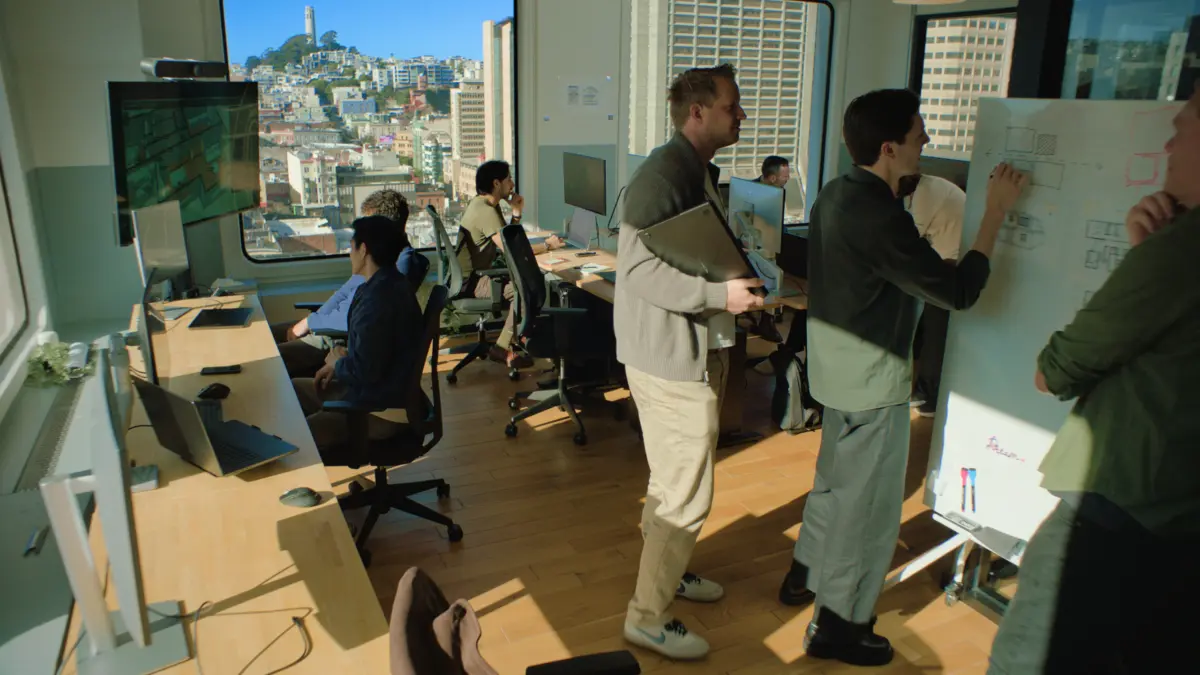
The core of Dream’s innovation lies in its critique of existing tools within the AEC industry. Mathur pointed out the persistent, labor-intensive nature of architectural and engineering design processes. "If you sit next to an architect or a structural engineer, you’ll notice that they are still ‘drawing’ every piece of their designs part by part on legacy software," he explained. "AI really plays no role in that equation."
Current industry standards, such as Autodesk’s AutoCAD and Revit, while powerful in their own right, are characterized by a sequential, often manual approach to design. Architects and engineers typically spend countless hours meticulously drafting individual components, leading to lengthy project timelines and increased potential for errors. This method stands in stark contrast to the rapid advancements seen in other design-intensive fields, such as user interface (UI) design, where tools like Figma have revolutionized collaborative workflows.
Dream’s "Structural Cognition" Approach
Dream aims to fundamentally alter this paradigm by introducing AI-driven "built world models." Unlike general-purpose AI models like ChatGPT, which can generate visually appealing images of buildings but lack an understanding of structural integrity, Dream’s technology is grounded in real-world physics and construction standards.
"Our model actually understands what’s within those walls. What materials are used, what the beams are made of, and how much weight they can support," Elder elaborated. This profound understanding is achieved through what the startup terms "structural cognition." Dream’s proprietary world model is trained on an enormous dataset comprising over 100 million square feet of building data, meticulously gathered from permit archives across the United States. This extensive training allows the AI to learn the intricate relationships between design elements, material properties, and structural load-bearing capacities.
The output of Dream’s AI is not merely an aesthetic representation but a structurally sound and detailed design that inherently accounts for critical internal building systems, including plumbing, electrical, and HVAC (heating, ventilation, and air conditioning). This integrated approach promises to significantly reduce the need for separate, specialized engineering analyses in the early design phases, streamlining the overall workflow.
Market Traction and Future Vision
Dream is not merely a theoretical endeavor; the startup has already begun to deploy its technology and gain traction within the AEC market. Professionals and developers are utilizing Dream’s platform for conceptualizing building designs and obtaining preliminary cost estimations. The company reported that its platform is currently active on 10 projects across Texas and California, demonstrating early market adoption and validation.
While Dream is entering a landscape where other startups are also exploring AI applications in AEC, such as Motif, Snaptrude, and Arcol, Elder and Mathur assert their unique competitive advantage lies in their "world model" approach. They claim to be the only entity capable of instantly designing entire buildings with such a comprehensive understanding of structural and systemic requirements.
Investor Confidence and Industry Implications
The significant seed funding secured by Dream underscores the immense potential investors see in their vision. Kimberly Tan, a partner at Andreessen Horowitz, expressed her strong conviction in the startup’s approach. "I have not seen anybody take the technical approach," Tan commented. "They’re doing everything based on their own models." This suggests that Dream’s deep technical foundation and proprietary AI models are key differentiators that have impressed experienced venture capitalists.
The implications of Dream’s technology for the AEC industry are far-reaching. By automating and optimizing the design process, the startup aims to:
- Reduce Project Timelines: The ability to generate complex designs rapidly can significantly shorten the pre-construction phase, allowing projects to break ground sooner.
- Lower Development Costs: Increased efficiency, reduced manual labor, and fewer design errors can lead to substantial cost savings throughout the development lifecycle.
- Enhance Design Quality and Innovation: By freeing up architects and engineers from repetitive tasks, Dream’s AI can empower them to focus on more creative problem-solving and innovative design solutions.
- Improve Building Performance and Sustainability: A more integrated and data-driven design process can lead to buildings that are more energy-efficient, structurally resilient, and sustainable.
- Address the Housing Shortage: By making construction more efficient and affordable, Dream’s technology could contribute to alleviating the persistent housing shortage in many urban and suburban areas.
The $17 million seed funding will likely be instrumental in accelerating Dream’s product development, expanding its engineering team, and scaling its sales and marketing efforts. The company’s focus on building a robust, AI-powered platform that addresses the fundamental challenges of the AEC industry positions it as a potentially disruptive force in a sector ripe for technological advancement. As urban populations continue to grow and the demand for new infrastructure intensifies, innovative solutions like Dream’s are not just desirable but increasingly essential for shaping the future of our built environment. The company’s success could herald a new era where AI plays a central role in the creation of the physical spaces we inhabit.