Metty Iskandar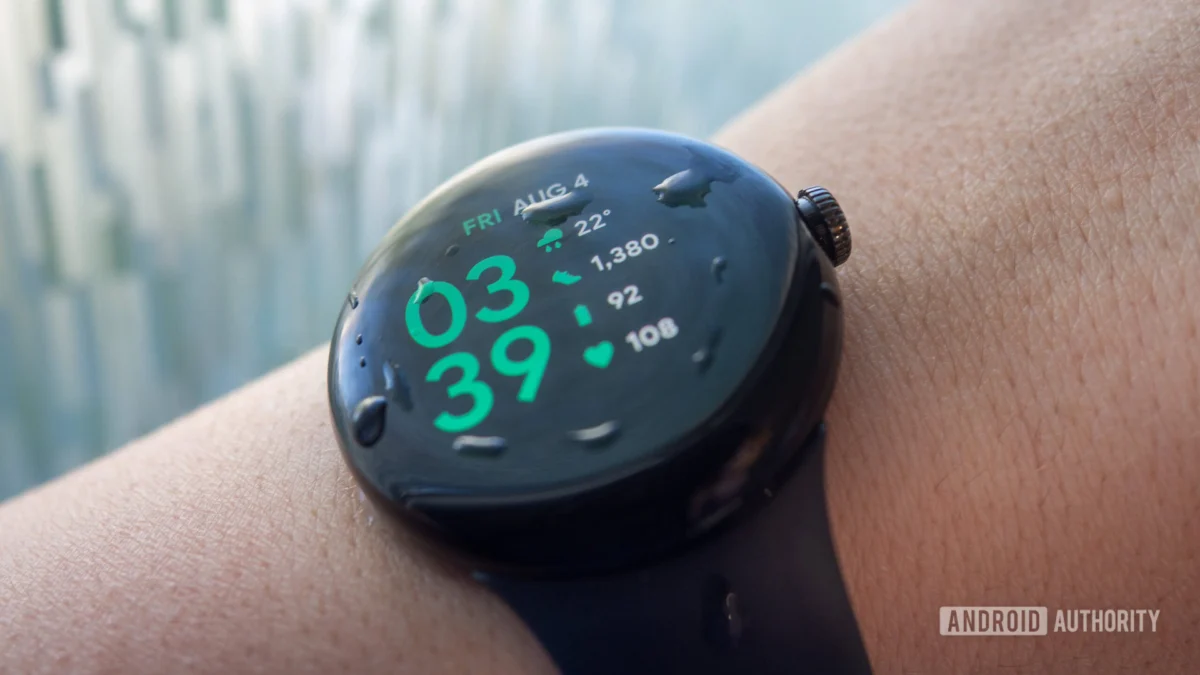
The latest iteration of the Google Health app, version 5.09, is rolling out to both Android and iOS devices, introducing a suite of significant enhancements aimed at providing users with more comprehensive and actionable health insights. A cornerstone of this update is the integration of advanced health monitoring features previously exclusive to Google’s Pixel Watch line, expanding their reach to users of various smartwatches and fitness trackers. This move signifies Google’s continued commitment to consolidating its position in the digital health landscape, leveraging its existing hardware and software ecosystem to deliver personalized wellness solutions.
Enhanced Pixel Watch Health Guardian Features Debut
Central to the Google Health 5.09 update are the new Pixel Watch Health Guardian features, which are now accessible to owners of Pixel Watch 3, 4, and 5 models. These advanced capabilities include the ability to track blood pressure, a feature that has long been a sought-after metric for individuals managing cardiovascular health. While the specifics of the underlying technology and the FDA clearance status for these blood pressure readings will be crucial for user adoption and medical credibility, the inclusion of such a metric represents a significant step forward in wearable health monitoring.
Furthermore, the update introduces enhanced tracking for insulin resistance trends. This feature holds particular promise for individuals at risk of or managing type 2 diabetes, offering them a more proactive approach to understanding and potentially mitigating their condition through lifestyle adjustments guided by app-provided data. The ability to chart these trends over time can empower users and their healthcare providers with valuable information for personalized treatment plans.
Complementing these cardiovascular and metabolic health advancements is new sleep breathing quality data. This feature aims to provide users with a deeper understanding of their sleep patterns beyond mere duration and stages. By monitoring breathing irregularities during sleep, the app could potentially flag issues like sleep apnea or other respiratory disturbances, encouraging users to seek professional medical advice. This addition underscores Google’s holistic approach to health, recognizing the critical role of sleep in overall well-being.
Broader Wearable Integration and Cardio Load Tracking
Beyond the specific enhancements for Pixel Watch users, Google Health 5.09 demonstrates a strategic effort to broaden its appeal and utility across a wider range of wearable devices. Recognizing that not all users own a Pixel Watch, the update extends support to popular platforms like Garmin and Apple Watch. Owners of these devices will now benefit from the ability to sync their workouts with the Google Health app, and crucially, have these activities contribute towards their overall Cardio Load.
Cardio Load is a metric used to measure the impact of aerobic exercise on the body over time. By integrating data from various heart rate-monitoring wearables, Google Health can provide users with a more unified and comprehensive view of their training intensity and its cumulative effect. This feature is particularly valuable for fitness enthusiasts and athletes who rely on precise data to optimize their training regimens and prevent overtraining or under-recovery. The app’s ability to leverage heart rate data from a diverse array of devices highlights Google’s ambition to become a central hub for health and fitness information, regardless of the user’s preferred hardware.
Fitness Logging Improvements and Bug Fixes
The update also addresses several user-reported issues and introduces new functionalities within the fitness tracking modules of the app. For users who actively log their workouts, the app is introducing new options for detailing their activities under the "Fitness" section. While the original report did not specify these new options, it can be inferred that they might include more granular activity types, intensity levels, or environmental factors, allowing for more precise data capture and analysis.
A significant bug fix mentioned pertains to old step streaks not appearing correctly. Step streaks, which gamify daily activity by rewarding consecutive days of meeting a step goal, are a powerful motivator for many users. The rectification of this issue ensures that users can accurately track and celebrate their consistent efforts in maintaining an active lifestyle, reinforcing positive habits.
Food Intake Tracking Enhancements
For users who utilize Google Health to meticulously track their dietary intake, the 5.09 update brings welcome improvements to the food logging experience. The app is enhancing how users can enter serving units and meal times for custom food items. This suggests a more intuitive and flexible system for documenting meals, which is essential for individuals managing dietary restrictions, allergies, or specific nutritional goals. The ability to more accurately log serving sizes and categorize meals can lead to more precise nutritional analysis and better-informed dietary choices.
Additionally, the update includes fixes for several glitches related to custom food item logging on iOS. These bug fixes, while seemingly minor, are crucial for maintaining user trust and ensuring a seamless experience, particularly for a feature that requires consistent and accurate input. A frustrating bug in a food tracking app can easily lead to user abandonment, making these fixes vital for retention.
Background and Timeline of Google Health’s Evolution
The evolution of Google Health reflects a broader trend in the technology industry towards integrating health and wellness into everyday digital experiences. Google’s initial foray into digital health began with platforms like Google Fit, which focused on basic activity tracking. Over time, the company has strategically acquired health-focused startups and invested heavily in AI and machine learning to enhance its health offerings.
The introduction of advanced features on the Pixel Watch, such as ECG and the current blood pressure and insulin resistance tracking, represents a maturation of Google’s hardware-software integration strategy in the health domain. This move aligns with the increasing consumer demand for proactive health management tools and the growing capabilities of wearable technology. The timeline for these advancements has been marked by incremental updates and the gradual rollout of features, often following regulatory approvals where applicable. The 5.09 update can be seen as a consolidation and expansion of these efforts, bringing more sophisticated features to a wider audience.
Supporting Data and Market Context
The digital health market is experiencing exponential growth, driven by factors such as an aging global population, the increasing prevalence of chronic diseases, and a growing consumer awareness of preventive healthcare. According to various market research reports, the global digital health market is projected to reach hundreds of billions of dollars in the coming years, with wearable technology forming a significant segment of this growth.
The inclusion of features like blood pressure monitoring and insulin resistance tracking places Google Health in direct competition with established health tracking platforms and dedicated medical devices. However, the integration within a widely adopted app like Google Health, coupled with broad wearable compatibility, offers a unique advantage in terms of accessibility and user engagement. The data generated through these features, when aggregated and analyzed responsibly, could also contribute to anonymized public health research, providing valuable insights into population health trends.
Official Responses and Broader Impact
While specific direct quotes from Google representatives regarding the 5.09 update were not available in the initial report, the nature of the release suggests a strategic move to bolster Google’s health ecosystem. Such updates typically stem from internal development teams focused on user experience and feature innovation. The company’s ongoing investment in health technologies, including its acquisition of Fitbit and its continuous development of Wear OS, underscores its long-term commitment to this sector.
The broader impact of this update is multifaceted. For individual users, it offers more powerful tools for understanding and managing their health, potentially leading to earlier detection of health issues and more informed lifestyle choices. For the healthcare industry, the increasing sophistication of consumer-grade health trackers could lead to more collaborative patient-provider relationships, with wearable data supplementing traditional medical assessments. However, it also raises important questions about data privacy, security, and the accuracy and clinical validity of the data being collected, especially concerning metrics like blood pressure. Ensuring robust data protection and clear communication about the capabilities and limitations of these features will be paramount for maintaining user trust and fostering responsible adoption.
The rollout of Google Health 5.09 signifies a pivotal moment in the democratization of advanced health monitoring. By extending sophisticated features from premium wearables to a wider user base and integrating data from various devices, Google is not just updating an app; it is further embedding health intelligence into the fabric of everyday digital life, empowering individuals to take a more proactive and informed approach to their well-being.