
 George Chandra Eka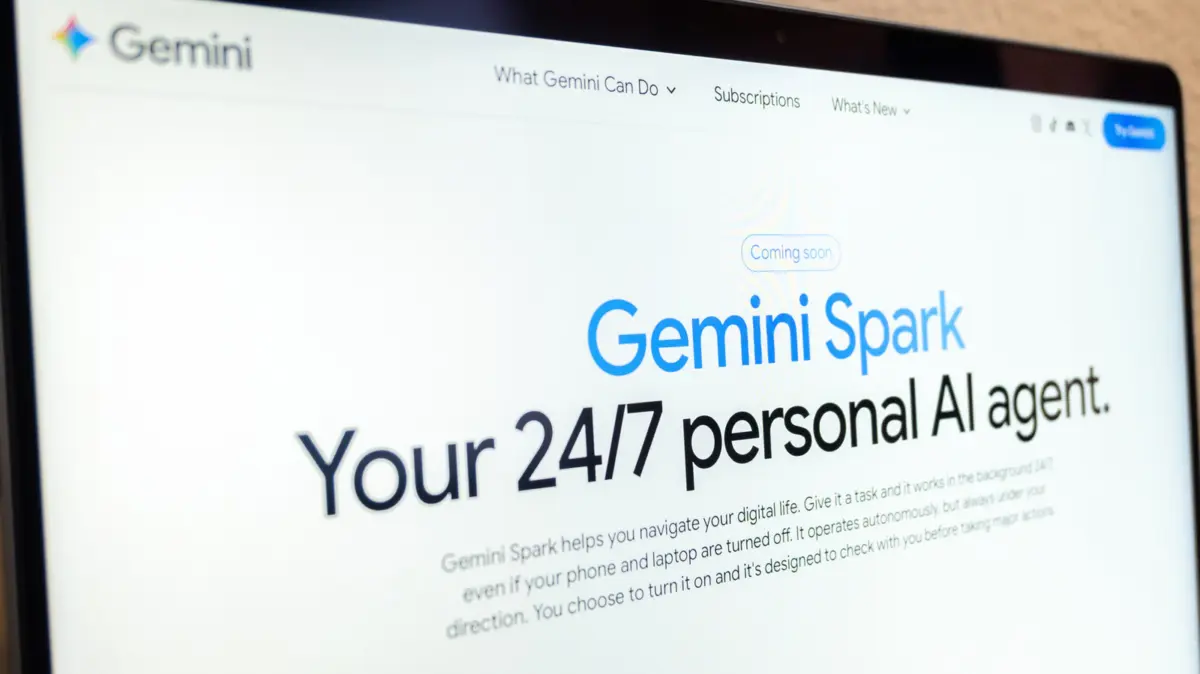
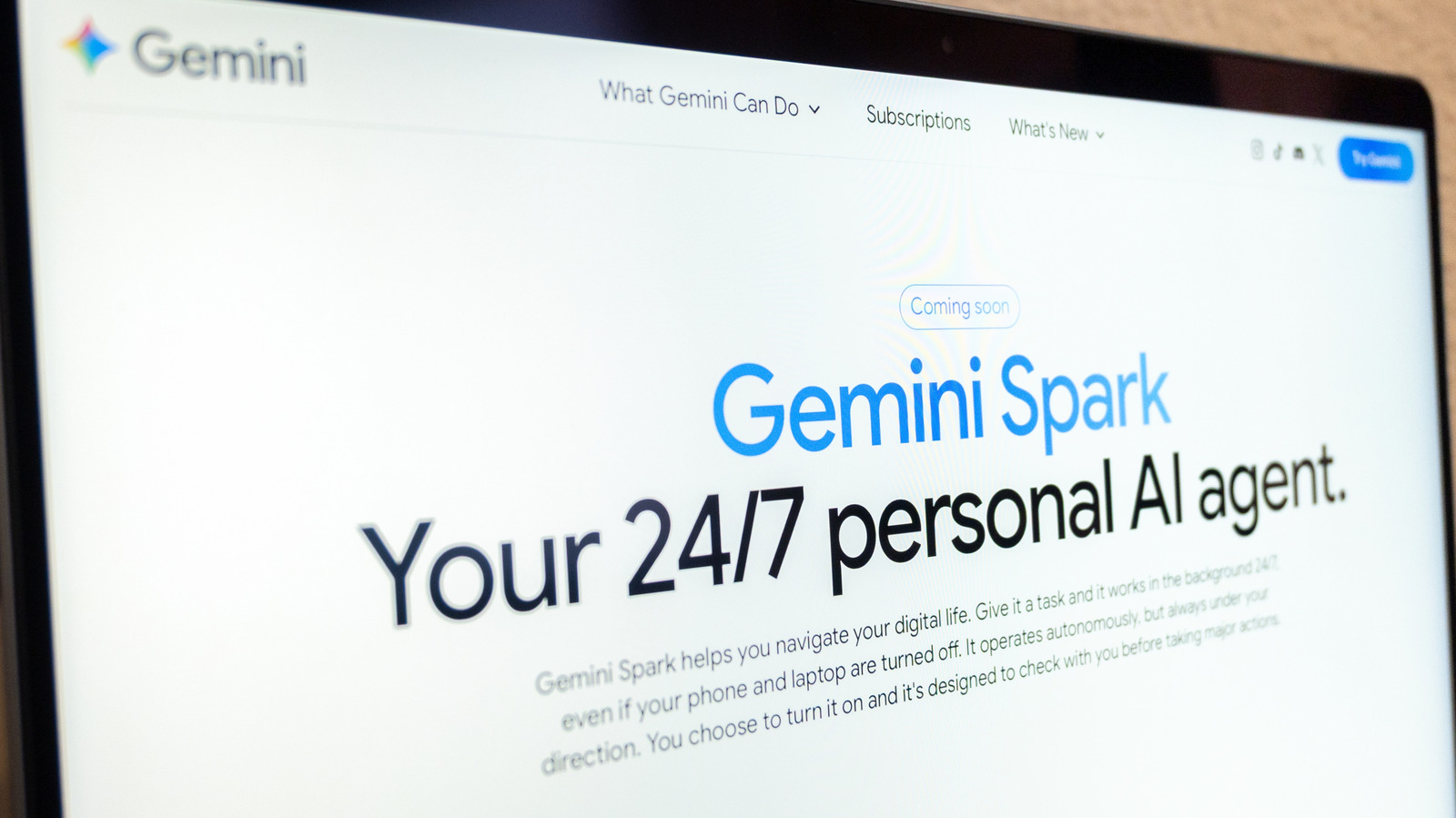
Google’s innovative AI tool, Spark, represents a significant leap forward in personal and professional productivity, designed to execute tasks proactively on behalf of users within the expansive Google ecosystem. Unveiled at the annual Google I/O developer conference in May, Spark is not merely another reactive AI assistant but an "agentic" personal assistant, capable of understanding complex instructions, operating autonomously in the background, and taking what Google describes as "proactive action" while adhering strictly to user directives. This development marks a pivotal moment in the evolution of artificial intelligence, moving beyond simple conversational interfaces to systems that can genuinely offload cognitive and administrative burdens from human users.
The promise of artificial intelligence, particularly on the less dystopian end of the spectrum, has long centered on simplifying everyday life and enhancing efficiency. Instead of manually navigating an ever-growing to-do list, the vision is for a reliable AI companion to manage routine responsibilities, freeing individuals to concentrate on more critical, creative, or strategic endeavors. Imagine starting your day with a concise summary of your last twenty emails, enabling a quicker dive into work or affording a few extra moments of contemplative calm over coffee. Gemini Spark aims to transform such aspirations into tangible realities for users deeply integrated into the Google ecosystem.
The Evolution of AI Assistants: From Reactive to Agentic
The concept of an AI assistant is not new. Early iterations like Apple’s Siri, Amazon’s Alexa, and Google’s own Google Assistant have familiarized millions with voice-activated commands for setting alarms, checking weather, or playing music. These assistants, while convenient, have largely been reactive, responding directly to specific prompts and performing single, discrete actions. The user initiates, and the AI executes.
Agentic AI, exemplified by Gemini Spark, signifies a qualitative shift. An agentic system is designed to act with a higher degree of autonomy and foresight. It doesn’t just respond; it plans, monitors, and executes multi-step tasks over time, often without continuous human prompting, once the initial goal is set. This proactive capability allows Spark to truly "farm out" tasks, transforming a series of manual micro-decisions into a single, overarching directive. For instance, rather than instructing an assistant to find flight prices, then hotel availability, then local transport options, an agentic AI could be tasked with "planning my business trip to London next month" and proceed to handle the complex interplay of logistics, preferences, and bookings across various applications.
Google’s Broader AI Strategy and the Gemini Ecosystem
Gemini Spark is strategically positioned within Google’s overarching Gemini initiative, which represents the company’s most advanced and multimodal AI model. Gemini is designed to understand and operate across various data types—text, code, audio, image, and video—making it a versatile foundation for a wide array of AI applications. Spark leverages this robust underlying model to interpret complex instructions and interact seamlessly with different Google services.
Google I/O, the company’s annual developer conference, serves as the primary platform for announcing such innovations. The 2024 event highlighted Google’s commitment to embedding AI deeply into its product suite, with Gemini taking center stage. The introduction of Spark underscored a strategic pivot towards practical, user-centric AI applications that directly enhance productivity and streamline digital workflows. This move aligns with a broader industry trend where major tech players are racing to integrate generative AI capabilities into their core offerings, aiming to redefine how users interact with technology.
Core Functionality and Practical Applications
The Gemini Spark website provides compelling examples of its potential applications. One notable illustration involves automating the creation of a personalized email style guide. By analyzing a user’s last 50 email responses, Spark can distill a consistent tone, preferred phrasing, and common reply structures, offering a dynamic style guide that ensures uniformity and professionalism in future communications. Another example is setting up an internship tracker, where Spark could monitor specific job boards, extract relevant opportunities, and organize them into a structured sheet or database.
The true power of Spark, however, lies in its deep integration with Google Workspace applications. It can operate across Docs, Calendar, Slides, and Gmail, creating a unified automation experience. This integration extends to Personal Intelligence, a feature within Gemini that customizes suggestions and actions based on information gleaned from a user’s Google apps. This contextual understanding allows Spark to offer highly relevant and personalized automation.
Consider further practical applications:
- Travel Management: A user could instruct Spark to "Plan a weekend getaway to a beach destination for my family in July, staying within a $1500 budget." Spark could then search for flights, hotels, and activities across Google Travel, present options, book reservations, and add itinerary details to Google Calendar, all while adhering to the specified constraints.
- Meeting Preparation: "Summarize the key discussion points from yesterday’s project meeting in Gmail, identify action items, and draft a follow-up email to the team." Spark could analyze meeting notes, email threads, and calendar invites to synthesize information and prepare drafts.
- Research Assistance: "Find the latest research papers on sustainable urban planning from the last six months and summarize their key findings in a Google Doc." Spark could leverage its web browsing capabilities and natural language processing to gather, synthesize, and present information.
- Client Relationship Management: For a freelance photographer, as in Google’s example, Spark could automatically extract client names and requested dates from inquiry emails, log leads into a Google Sheet, and create dedicated Google Drive folders for each new client, streamlining administrative tasks.
- Content Curation: "Curate five news articles daily on advancements in renewable energy and add them to my reading list in Google Keep." Spark could monitor news feeds and deliver targeted content.
Beyond these, Spark also integrates with Gemini in Chrome, utilizing an "auto browse" feature. This enables the AI to perform web-based tasks such as booking restaurant reservations, managing travel arrangements, or comparing prices across e-commerce sites, all initiated by a simple prompt.
Access and Eligibility: Navigating the Entry Points
Access to Gemini Spark is not universal. It is primarily available to subscribers of Google AI Pro or Ultra tiers, indicating its positioning as a premium feature designed for users who require advanced AI capabilities. Certain business subscribers may also gain access, suggesting Google’s intention to roll out agentic AI solutions for enterprise clients.
Crucially, there are geographical restrictions: users located in the European Economic Area (EEA), Switzerland, the UK, or Nigeria currently do not have access. These restrictions are often attributed to the complex landscape of data privacy regulations, such as the General Data Protection Regulation (GDPR) in Europe, which impose strict rules on data collection, processing, and cross-border transfer. Google is likely navigating these regulatory challenges carefully, implementing a phased rollout to ensure compliance and robust data governance in different regions.
Furthermore, users must have "Keep activity" switched on within their Gemini settings. This feature allows the AI to retain context from previous interactions, enabling a continuous and personalized experience. While beneficial for task automation, it also underscores the importance of user awareness regarding data retention and privacy settings. Spark is accessible across various platforms, including the Gemini mobile app, the dedicated Gemini Mac app, and the web app, ensuring flexibility for users on different devices.
Creating and Managing Tasks: A Step-by-Step Guide
Initiating a task with Gemini Spark is designed to be intuitive. Whether using the mobile or web app, users begin by selecting "Menu" and then "Spark." This opens an interface where users can type their desired task into a textbox. The clarity and specificity of the prompt are paramount for agentic AI, as it directly influences the AI’s understanding and execution. Google’s example, "When I receive an email inquiring about my photography services, automatically extract the client’s name, requested date, and log the lead in my ‘Client Tracker’ Sheet. Then create a new Google Drive folder named after the client," demonstrates the level of detail required for multi-step automation. Users can also upload relevant files directly from their device, Google Drive, or Notebooks to provide additional context or data for the task. Once the prompt and any supplementary files are ready, a simple tap or click on "Submit" initiates the process.
Monitoring the progress of tasks is equally important, as Google emphasizes that AI, while powerful, is not infallible and may occasionally require human intervention or clarification. Users can track their tasks by navigating to "Menu > Spark" and then selecting "Tasks." This section provides a comprehensive thread associated with each task, allowing users to view its status and make necessary updates. A "progress chip" at the top of the thread offers a quick visual summary, and tapping it reveals a detailed "work panel" that outlines the completed, current, and planned steps of the task, providing full transparency into Spark’s operations. This oversight mechanism ensures that users maintain control and can intervene if the AI encounters an ambiguity or makes an error.
A notable evolution in how users dictate instructions for tasks involves the transition from "Gemini Gems" to "Skills." Announced in a blog post towards the end of September, this change aims to streamline the creation and reuse of complex instructions. A "skill" can be defined as a set of instructions for a repetitive task or a specific operational style, such as "preparing for presentations" or "adopting a formal writing style." Once a skill is created, users can easily invoke it within their prompts by typing a forward slash followed by the skill’s name (e.g., "/PresentationPrep"). This feature significantly enhances efficiency, allowing users to apply predefined workflows and stylistic guidelines consistently across multiple tasks without re-typing lengthy instructions each time. This move underscores Google’s commitment to refining the user experience and making agentic AI more accessible and powerful for everyday automation.
Safety, Ethics, and Limitations: A Balanced Perspective
While the capabilities of Gemini Spark are impressive, Google provides important caveats and warnings that underscore the current limitations and ethical considerations of AI. The company strongly advises against inputting sensitive information, such as login credentials or payment details, directly into task threads. Instead, users are recommended to enter such data themselves on the relevant websites, bypassing the AI for critical security information. This precaution is crucial, as even advanced AI models are susceptible to vulnerabilities or unintended data exposure, and human vigilance remains the strongest defense against cyber threats.
Google also cautions against scheduling overly sensitive tasks, particularly those set to run while the user is offline. The risk of AI "hallucinations"—where the AI generates plausible but incorrect information—or other errors could lead to unintended consequences or even actual harm in critical scenarios. For instance, an AI misinterpreting a financial instruction or sending an incorrect high-stakes email could have significant repercussions. This highlights the need for a "human-in-the-loop" approach, where critical AI-driven actions are reviewed and approved by a human, especially when dealing with sensitive or high-impact decisions.
The use of "Personal Intelligence" also raises important data privacy questions. While designed to enhance personalization, it relies on Spark accessing and analyzing data from a user’s Google apps. Google maintains its commitment to privacy and data security, emphasizing that user data is handled in accordance with its privacy policies. However, users must be aware of the data flows and consent mechanisms involved. The geographical restrictions on Spark’s availability further illustrate the complexity of navigating diverse data protection regulations globally.
Broader Implications and Future Outlook
The introduction of Gemini Spark carries significant implications for productivity, the future of work, and the competitive landscape of AI. For individuals and small businesses, it offers an unprecedented opportunity to reclaim time lost to routine administrative tasks, allowing for greater focus on strategic thinking, creativity, and personal development. For larger enterprises, agentic AI could streamline complex workflows, optimize resource allocation, and enhance decision-making by automating data synthesis and report generation.
This shift could also accelerate the transformation of the workforce. While some fear job displacement, the more likely scenario is a redefinition of roles, where humans work with AI rather than being replaced by it. New skills will emerge, centered on effectively managing, instructing, and overseeing AI agents. The ability to craft precise prompts, debug AI processes, and critically evaluate AI-generated outputs will become increasingly valuable.
In the rapidly evolving AI market, Google’s Gemini Spark positions itself alongside offerings from competitors like Microsoft Copilot and OpenAI’s burgeoning agent capabilities. The race is on to develop the most intuitive, reliable, and versatile agentic AI. Google’s advantage lies in its vast ecosystem of widely adopted applications (Gmail, Calendar, Docs, Chrome), providing Spark with a rich operational environment and a massive user base.
However, challenges remain. Ethical deployment, building and maintaining user trust, overcoming inherent AI limitations (like hallucinations), and navigating the complex web of global regulations will be crucial for Spark’s long-term success. As AI becomes more autonomous, questions of accountability, transparency, and bias will intensify.
Looking ahead, Gemini Spark represents a significant step towards a future where digital assistants are not just reactive tools but proactive partners, seamlessly integrating into our lives to anticipate needs and automate complexities. Google’s vision is clear: to empower users with an AI that works in the background, making life smoother, more productive, and allowing humans to focus on what truly matters. As the technology matures and access expands, agentic AI like Spark is poised to fundamentally redefine our interaction with the digital world.







