Galang Taruna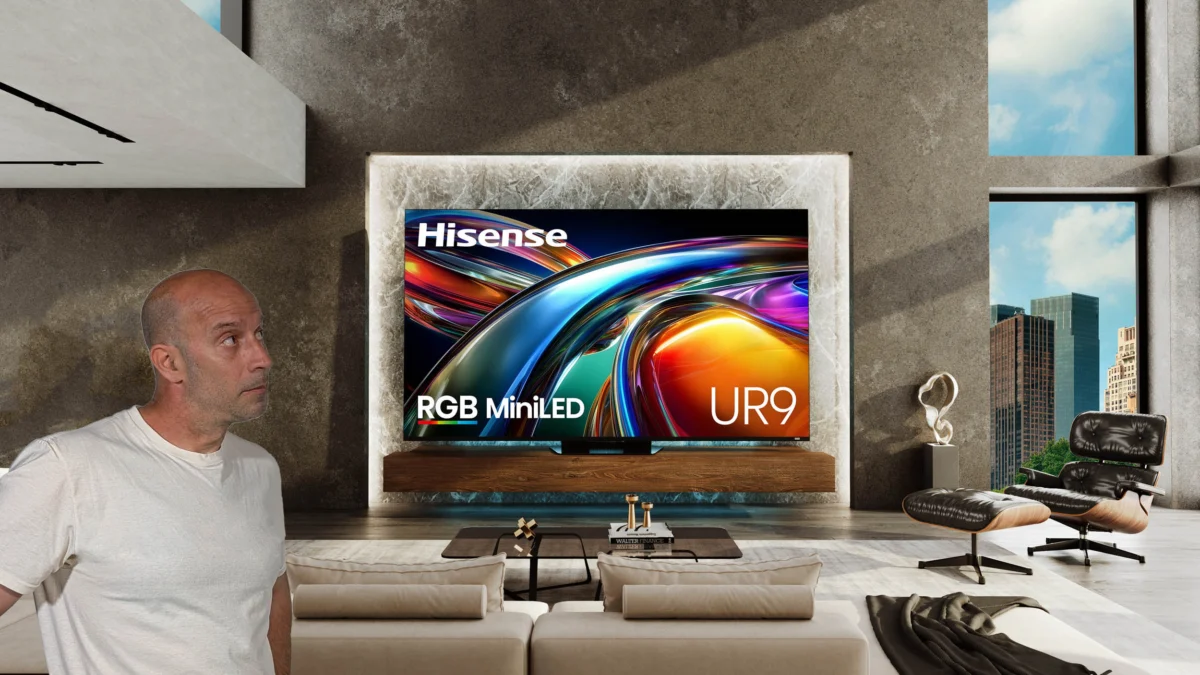
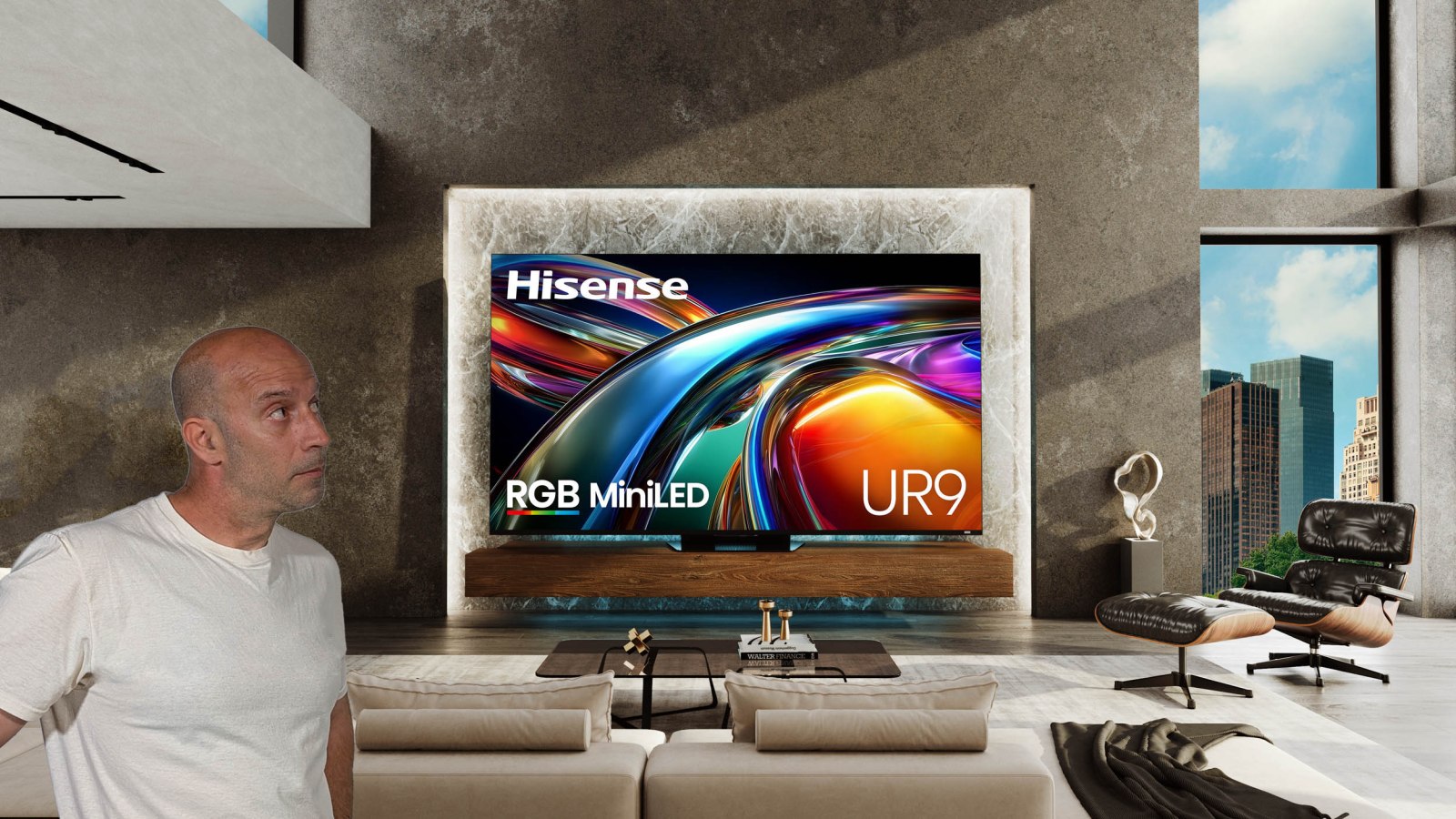
Following the remarkable debut of its monumental 116UX 116-inch television in late 2025, Hisense has strategically expanded its advanced RGB Mini LED technology into formats designed for the broader consumer market. This initiative culminates in the new UR9S series, which succeeds the highly acclaimed U8Q, a model that garnered significant recognition in 2025 for its formidable peak brightness and exceptional value proposition within the Mini LED segment. The introduction of the UR9S series signifies a significant shift in Hisense’s market strategy, demonstrating an ambition to compete directly in the premium television sector with enhanced specifications and refined performance.
A New Era for Display Technology: The Promise of RGB Mini LED
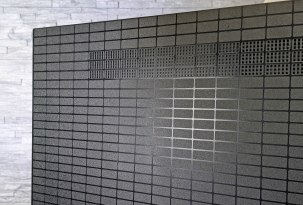
The UR9S series represents a crucial milestone in display technology, as Hisense transitions from its earlier Mini LED offerings to the more sophisticated RGB Mini LED architecture. This fundamental change in backlight design moves away from conventional white or blue diodes, instead employing independent red, green, and blue Mini LED diodes. The core benefit of this innovation is the generation of purer light at the source, which directly translates into a substantially wider and more accurate color palette, particularly noticeable in high-luminance areas. This technological leap allows the UR9S to maintain chromatic density where many traditional LCDs begin to exhibit color desaturation, providing a more vibrant and lifelike HDR experience.

This advanced backlight system underpins Hisense’s elevated ambitions for the UR9S. Beyond the foundational RGB Mini LED array, the series incorporates an advanced anti-reflective display coating, support for the latest Dolby Vision 2 standard, and impressive native refresh rates of 170 Hz on the 65-inch model, extending to 180 Hz on the larger 75 and 85-inch variants. These specifications firmly position the UR9S as a contender in the upper echelons of the television market, vying for attention alongside other pioneering RGB Mini LED models like the Sony Bravia 9 II, Sony Bravia 7 II, and Samsung R95H, all of which represent the cutting edge of consumer display technology in 2026.
Design and Build Quality: Premium Aesthetics with Practical Considerations
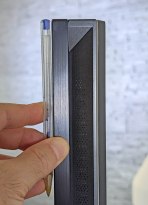
The Hisense UR9S series, particularly the 65-inch model reviewed, commands a notable physical presence, reflecting its substantial dimensions (1448 mm x 838 mm x 45 mm without stand, 28.4 kg). The build quality is overtly robust and serious, conveying a premium feel that aligns with its pricing. The frame is meticulously finished, corners are precisely crafted, and there is an absence of low-grade plastics, collectively creating an impression of a well-engineered product. While the design largely maintains continuity with Hisense’s recent aesthetic trends, it avoids any radical stylistic departures.
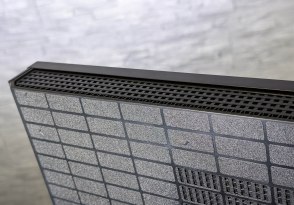
A direct consequence of the advanced RGB Mini LED backlight system and the integrated Devialet audio setup is the television’s chassis thickness, measuring approximately 5 cm at its center. This is notably thicker than an OLED television of comparable size. While this added depth does not impact performance when placed on a TV stand, it does present a practical consideration for consumers desiring a flush wall-mounted installation. For such applications, an OLED display would offer a more discreet profile. This physical reality underscores the engineering trade-offs inherent in achieving a dense and powerful LCD backlight.
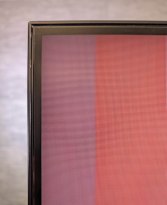
A particularly commendable feature is the television’s anti-reflective treatment. Similar to select premium Samsung (both OLED and LCD) and the Sony Bravia 9 II models, Hisense has implemented an effective matte coating. This innovative surface diffuses reflections, significantly mitigating glare in brightly lit environments or under artificial lighting. While it does not entirely eliminate reflections, its performance surpasses the vast majority of competing televisions. Observational analysis indicates that while highly effective, this coating is marginally less potent than those found on high-end Samsung televisions and slightly inferior to the class-leading performance of the Sony Bravia 9 II.
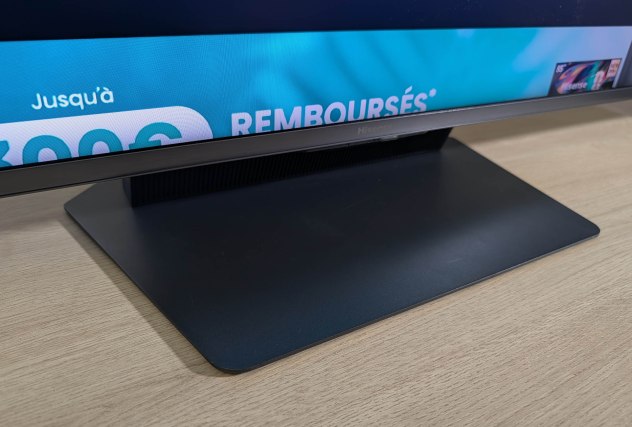
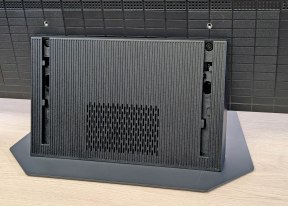
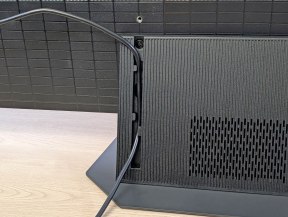
The television rests on a minimalist yet functional central stand, designed for stability without unnecessary ostentation. A thoughtful cable management system allows for the routing of a limited number of cables through the center, enhancing tidiness when viewed head-on. However, for setups involving more than two cables, some degree of visible cable clutter may persist.
Connectivity and User Experience: Blending Innovation with Hisense’s Ecosystem
The Hisense UR9S series features a connectivity suite that, while generally robust, presents a notable deviation from its predecessor, the UR8S. Unlike the UR8S which offered four HDMI 2.1 ports, the UR9S provides three HDMI 2.1 ports. All three are fully compatible with Variable Refresh Rate (VRR) and Auto Low Latency Mode (ALLM) up to Ultra HD 4K at 170 Hz (or 180 Hz for larger models), with one port supporting eARC for seamless integration with soundbars or home cinema amplifiers. This reduction in HDMI 2.1 ports is an surprising step backward, particularly for a premium television.
Complementing the HDMI ports are two USB-A ports, an Ethernet port for wired network connectivity, and an optical S/PDIF output, alongside standard antenna and satellite inputs. The ports are intelligently arranged and side-oriented, simplifying access for connections.
A significant and welcome addition is a USB-C port compatible with DisplayPort 1.4. This feature is a rarity in the 2026 television market, typically reserved by Hisense for its flagship models. It offers a tangible advantage for users wishing to connect laptops or workstations directly without the need for adapters. This inclusion partially compensates for the limitation of three HDMI ports, which can be restrictive for setups involving multiple gaming consoles, a UHD Blu-ray player, and an eARC soundbar simultaneously. Nonetheless, the absence of a fourth HDMI 2.1 port on a television of this caliber and price point remains a regrettable omission.
For wireless connectivity, the UR9S series is equipped with Wi-Fi 6E (AX), a notable upgrade from the UR8S’s Wi-Fi 5, and Bluetooth 5.4, ensuring stable and high-speed connections for streaming and home networking. Apple AirPlay 2 compatibility is also included, catering to users within the Apple ecosystem.
The remote control accompanying the UR9S televisions maintains Hisense’s established design philosophy. It is functionally identical to that of the UR8S series, featuring an elongated form factor, comfortable grip, and logically arranged buttons. Dedicated shortcut buttons provide direct access to major streaming platforms such as Netflix, Prime Video, Disney+, and YouTube. A built-in microphone button activates voice commands via Alexa or Vidaa Voice, facilitating content search, information retrieval, and control of smart home devices.
A standout feature of the remote is its innovative charging solution. A small solar panel on the rear provides sufficient power under normal lighting conditions, supplemented by a USB-C port for backup charging. This eliminates the need for disposable batteries, offering a practical and environmentally conscious advantage in daily use. However, a notable oversight for a premium device at this price is the lack of backlit keys. In a darkened viewing environment, users may find themselves fumbling to locate the correct buttons, a cost-saving measure that stands in contrast to the premium remote controls offered by competitors like Sony or TCL.
Unparalleled Visuals: In-Depth Image Performance and Calibration
The Hisense UR9S series is fundamentally engineered for HDR content, a characteristic immediately evident upon first viewing. The RGB Mini LED backlight, as discussed, is not merely an incremental improvement but a transformative approach to light generation. By producing purer light at the source, it achieves a significantly broader color gamut, particularly in high-luminance areas. This translates into an HDR image that retains its chromatic richness and density, where many conventional LCDs struggle with desaturation.
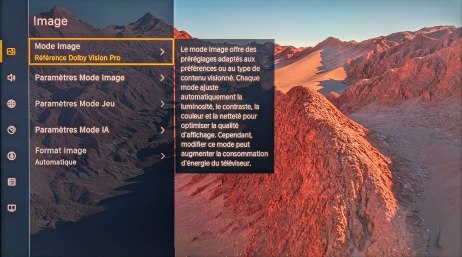
The television offers a comprehensive array of picture modes, including Cinema, Filmmaker, Dynamic, Standard, and several gaming profiles. For critical film and series viewing, the Filmmaker mode is recommended, as it minimizes artificial processing and aims to reproduce content as intended by its creators.

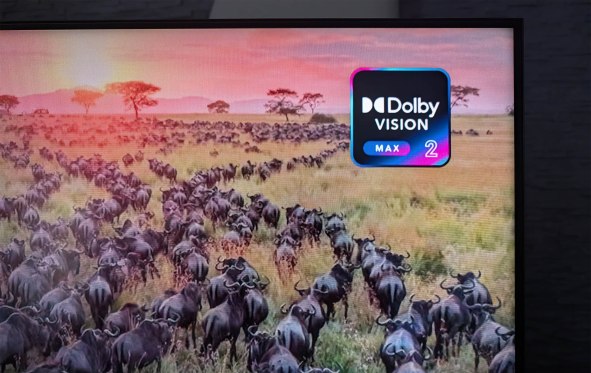
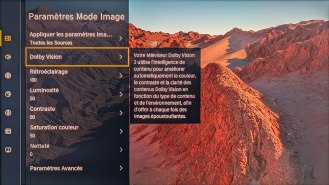
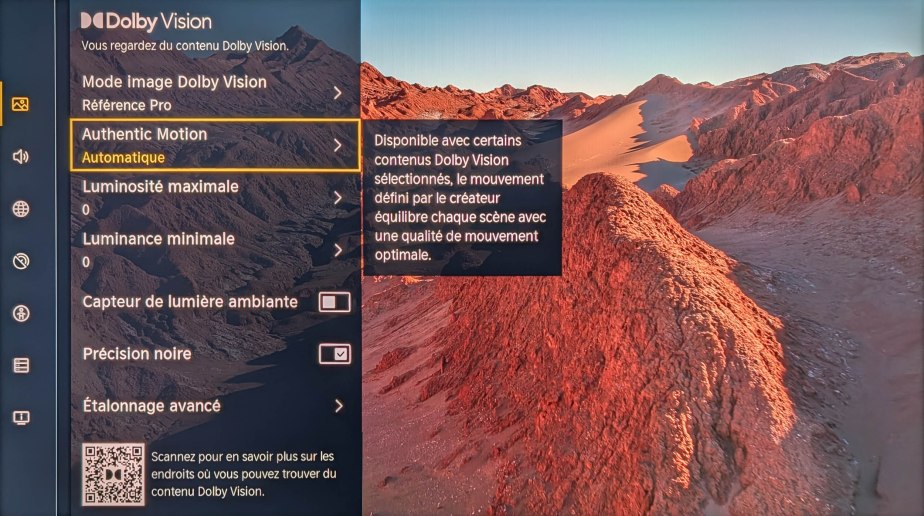
The UR9S also incorporates Dolby Vision 2 compatibility, an evolution of the HDR format already present in the UR8S series. In this implementation, the television’s processing engine interprets Dolby Vision metadata, optimizing brightness, contrast, and color reproduction to surpass a standard reference monitor. This includes dynamic adaptation to ambient lighting conditions and the "Authentic Motion" feature, designed to enhance fluidity while respecting the director’s artistic intent.
Subjective viewing experiences, particularly with demanding content like Mad Max: Fury Road in 4K HDR, are profoundly impactful. Desert landscapes ignite with a luminosity and color saturation that few LCDs can match. Explosions, sunlit dust particles, and intense visual effects are rendered with exceptional density and punch, clearly demonstrating the benefits of RGB Mini LED. Similarly, Top Gun: Maverick showcases vibrant colors and dynamic scenes, particularly during high-octane aerial sequences.

However, even with advanced LCD technology, dark scenes reveal both the strengths and inherent limitations. The local dimming system is generally well-managed across most content, delivering deep blacks and detailed shadows without the grayish veil often seen on less sophisticated LCDs. Nevertheless, blooming—the halo effect around bright objects on dark backgrounds—remains perceptible in the most challenging scenes. While significantly less intrusive than on entry-level LCDs, it is still present. Furthermore, the RGB Mini LED can occasionally introduce a subtle color shift to these halos, which may be more noticeable than with conventional Mini LED technology.
Objective Measurements: Probes and Data

Rigorous testing using industry-standard probes reveals compelling performance metrics for the Hisense UR9S, particularly in its 65-inch variant. The following measurements were conducted with the television in its default "out-of-the-box" settings for Cinema, Filmmaker, and IMAX (HDR) modes.
In terms of SDR color fidelity, the UR9S demonstrates a substantial improvement over its predecessor, the UR8S. In Cinema mode, the average Delta E was measured at 2.88 (with a maximum of 6.53), and in Filmmaker mode, it registered 2.87. Both values fall comfortably below the critical Delta E threshold of 3, where the human eye can no longer discern differences between displayed and target colors. This represents a significant leap from the UR8S, which exhibited an average SDR Delta E of 7.83. Color temperature measurements yielded an average of 6914 K in Cinema mode (average gamma 2.29) and 6140 K in Filmmaker mode (average gamma 2.4), nearing the ideal target of 6500 K and gamma 2.2. The SDR color space coverage (Filmmaker mode) reached an impressive 97.9%.

For HDR content, the results are exceptional. The average Delta E was recorded at 0.70 in Filmmaker mode, 0.73 in Cinema mode, and 0.75 in IMAX mode. These figures are remarkably close to those produced by the finest reference monitors available and represent a significant advance over the 2.7 Delta E measured in HDR on the UR8S series. The Sony Bravia 9 II, with its record-setting 0.55, retains a slight edge in this specific metric.
Peak brightness is a highlight for the UR9S, with measurements reaching 3088 cd/m² in Cinema mode, 3075 cd/m² in Filmmaker mode, and 2971 cd/m² in IMAX mode. While these figures do not quite reach the 4063 cd/m² achieved by the Sony Bravia 9 II, the UR9S significantly surpasses the UR8S (2241 cd/m²) and closely competes with the TCL C89L, which features an SQD Mini LED (non-RGB) panel measured at 3114 cd/m². Full-screen brightness in Filmmaker mode was measured at 925 cd/m², a notable improvement over the UR8S’s 857 cd/m², though still slightly behind the Sony Bravia 9 II’s 958 cd/m².

In terms of HDR color space coverage, the UR9S series covers an excellent 99.16% of the DCI-P3 gamut and 93.66% of the BT.2020 gamut. This is a very strong performance in absolute terms, remarkably close to the 95.53% achieved by the more affordable UR8S series. This particular point may warrant further verification on a second unit before drawing definitive conclusions regarding the slight discrepancy. Overall, the 65-inch UR9S demonstrates significantly improved calibration and increased brightness compared to the UR8S, while maintaining competitive color space coverage that often surpasses other technologies.
Gaming Prowess: High Refresh Rates and Dolby Vision Integration

On paper, the Hisense UR9S series is comprehensively equipped to satisfy the most demanding gamers. The display panel boasts native refresh rates of 170 Hz for the 65-inch model and 180 Hz for the 75 and 85-inch variants. Furthermore, it supports a staggering 330 Hz in High Smooth Rate (HSR) mode, a feature primarily beneficial for PC gamers utilizing high-performance graphics cards. All three HDMI 2.1 ports offer full compatibility with VRR and ALLM, ensuring fluid gameplay and minimal latency across current-generation consoles like the PlayStation 5 and Xbox Series X. The inclusion of Dolby Vision Gaming further refines HDR rendering in supported titles, exemplified by games such as Forza Horizon 6.
The integrated game bar within the Vidaa operating system provides quick access to essential gaming settings, including game mode activation, VRR management, latency information, and brightness controls. However, the UR9S’s true strength for gaming lies in its spectacular HDR image quality. Expansive luminous landscapes, interiors with pronounced contrasts, and pyrotechnic explosions are rendered with an impressive visual impact that few other LCDs can rival. Brightness and color fidelity measurements in gaming mode are virtually identical to those in Filmmaker mode, as game mode can be activated across any picture profile.
Despite its robust feature set, the gaming profile of the UR9S is not without its limitations. The measured input lag stands at 17.2 ms. While this value is respectable and perfectly playable for the vast majority of game genres, including competitive FPS titles, it is surprisingly higher than the 14.7 ms recorded for the UR8S under identical conditions. For context, leading OLED gaming televisions like the Panasonic Z95B achieve an input lag of 8.9 ms, and even the LCD-based Sony Bravia 9 II boasts a significantly lower 9.9 ms. This suggests that while the UR9S offers a premium gaming experience in terms of visuals and refresh rate, it does not lead the pack in raw input responsiveness.
Audio Performance: Devialet Collaboration and Immersive Effects
Continuing its commitment to enhanced audio experiences, Hisense has again partnered with French high-end audio specialist Devialet for the UR9S series, mirroring the setup in the UR8S. The 4.1.2 channel configuration, powered by seven speakers, delivers a total output of 90 watts and includes Dolby Atmos compatibility. This ambitious audio design aims to provide a comprehensive sound solution, potentially postponing the need for an external soundbar for everyday use.
In practice, the audio performance generally surpasses that of typical integrated television speakers. The sound possesses a notable presence and depth, with clear and intelligible vocals even during complex, action-packed scenes. For films or series rich in simultaneous effects, the television capably fills a living space without producing the anemic, screen-bound sound often associated with built-in audio. The spatialization, while limited in its vertical Dolby Atmos realization, does contribute to a broader soundstage.
However, in my assessment, the frequency balance could be further refined. The bass response, while powerful, often lacked precision. During intense sequences, the low frequencies tended to dominate the rest of the spectrum, occasionally causing subtle vibrations in the chassis at higher volumes. Furthermore, the Dolby Atmos effects, while present, felt more suggested than truly materialized, failing to deliver a convincing vertical sound experience. For users seeking to fully unlock the cinematic potential of the UR9S, investing in a dedicated soundbar remains highly advisable. While the Devialet integration is commendable for a television, it may not fully satisfy discerning audiophiles.
User Interface: Vidaa U9 at the Helm
The UR9S series operates on Vidaa U9, Hisense’s latest iteration of its proprietary smart TV interface. Visually and functionally, it mirrors the configuration found on the UR8S series, offering a familiar experience for existing Hisense users. The home page is well-organized, prominently featuring major streaming applications, and the navigation bar is clear and intuitive. Overall fluidity is satisfactory, with applications launching quickly and menus responding promptly without noticeable lag or sluggishness, even during rapid navigation between sections.
A commendable aspect of Vidaa is its user-friendly setup: unlike many competitors that require account creation to unlock full functionality, Vidaa allows immediate use of the television upon initial setup, without mandatory registration. However, some advanced features still necessitate data registration.
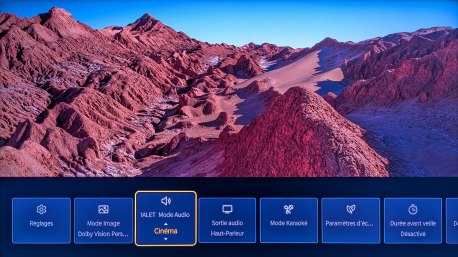
The image menus are comprehensive and well-suited for a technically advanced television, offering a wide range of settings for SDR and HDR profiles, multi-level local dimming adjustments, motion processing options, and gaming parameters. This allows for precise image tuning without overwhelming the user with overly complex sub-menus. The broad HDR compatibility, encompassing HDR10, HDR11+, HLG, and Dolby Vision 2, is a significant advantage. This full-spectrum support differentiates Hisense from rivals like LG, which still lacks HDR10+ on its OLEDs, and Samsung, which omits Dolby Vision across its television range.
A dedicated AI button on the remote control activates a specific interface for voice-activated queries, enhancing user interaction.
Despite its strengths, Vidaa still faces limitations when compared to dominant software platforms. Its application ecosystem is less extensive than Google TV, and specialized or regional applications may be unavailable. Customization options are also more restricted, requiring users accustomed to Google TV or Tizen to adapt. The most significant drawback remains the presence of intrusive video advertisements on the home page’s upper banner. These unskippable ads have become increasingly pervasive since last year, and no option to disable them was found. This advertising model is frankly intrusive on a premium television, and Hisense is urged to provide a deactivation option in a future software update.
Power Consumption and Market Positioning

Energy efficiency is an increasingly important metric for modern televisions. During a four-hour viewing session of an SDR series (The 100) with sound and picture settings in Filmmaker mode, the 65-inch UR9S exhibited an average power consumption of 60 W. In comparison, the 65-inch Sony Bravia 9 II, utilizing its Professional mode, consumed an average of 51 W under similar conditions.
For HDR content, specifically a Dolby Vision Dark series (Black Mirror on Netflix), the UR9S consumed an average of 105 W. This is slightly lower than the 108 W recorded for the UR8S of the same size but significantly higher than the 82 W consumed by the 65-inch Sony Bravia 9 II under comparable circumstances. Hisense’s power consumption figures, particularly for HDR, are relatively high. Standby power consumption is 0.5 W, rising to 2 W if the network standby mode is activated to enable voice commands. The television carries an energy efficiency rating of E.

Pricing and Market Availability
The Hisense UR9S series is available in three distinct screen sizes, with competitive pricing reflecting its premium features. The 65UR9S (163 cm) was initially launched at €1999 and is currently available from certain retailers starting at €1699. The 75UR9S (189 cm) debuted at €2499 and has since seen its price reduced to €1999. The largest model, the 85UR9S (215 cm), starts at €2799. These price adjustments position the UR9S series strategically within the high-end market, offering compelling value for its technological advancements.

Conclusion: A Strong Contender in the Premium Mini LED Segment
With the UR9S series, Hisense delivers a technically impressive demonstration of its RGB Mini LED technology. This is not merely a marketing slogan but a tangible advancement that yields exceptional color space coverage, placing it among the market’s top performers in the most demanding color standards. The television is also future-ready, boasting comprehensive compatibility with Dolby Vision 2.

Its peak brightness is formidable, and the HDR calibration is commensurate with its premium standing. However, despite these strengths, the UR9S did not entirely match the image quality impact of the Sony Bravia 9 II, which remains the benchmark in this regard. Nevertheless, the Hisense model offers compelling advantages, including three HDMI 2.1 inputs, a rare USB-C DisplayPort, and a display panel capable of refresh rates up to 180 Hz (or 330 Hz HSR).
Consequently, the UR9S series delivers a highly robust performance at an attractive price point, positioning it as a direct competitor to models like the Sony Bravia 7 II and Samsung R85H, but with superior brightness and connectivity options. The ultimate choice for consumers will depend on their specific priorities, weighing factors such as absolute image quality, peak luminance, and the breadth of the application ecosystem. The UR9S represents a significant step forward for Hisense, solidifying its position as a serious player in the increasingly competitive premium television market.