George Chandra Eka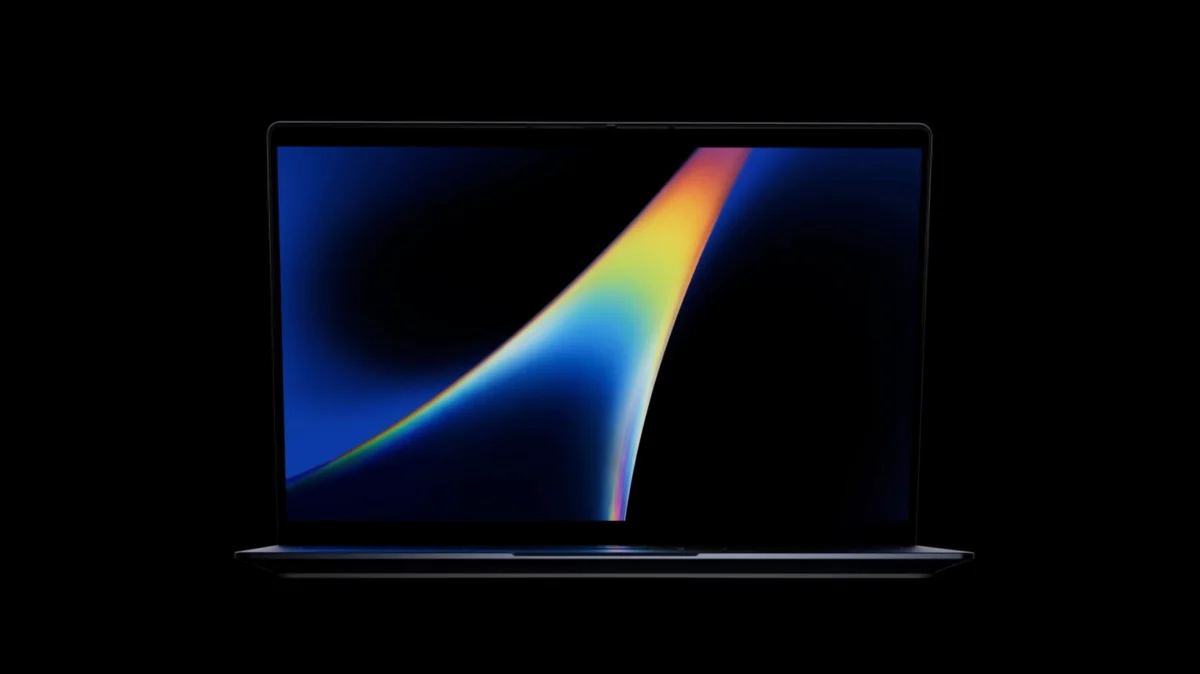
New leaks surrounding the Lenovo Googlebook 15 suggest a decidedly premium offering, poised to redefine Google’s Android-based laptop platform. Emerging details indicate a device equipped with a high-resolution, high-refresh rate OLED display and powered by the latest Intel Core Ultra 5 chip, positioning it significantly above the traditional Chromebook segment. This revelation arrives as Google prepares for the official launch of its Googlebook platform later this year, with a dedicated media event reportedly scheduled for mid-September.
The information, initially reported by MacObserver, paints a picture of a sophisticated portable computer designed to leverage the Android ecosystem on a larger form factor, integrating advanced hardware with Google’s burgeoning Gemini artificial intelligence capabilities. This strategic move by Google, in partnership with hardware manufacturers like Lenovo, aims to carve out a new niche in the competitive laptop market, distinct from both ChromeOS and more established operating systems.
Unpacking the Premium Hardware: A Deep Dive into Specifications
The leaked specifications for the Lenovo Googlebook 15 highlight a clear departure from the budget-friendly ethos often associated with Chromebooks, indicating a direct challenge to more premium devices.
Display Technology: At the forefront of the device’s allure is its reported 15.3-inch OLED display. OLED (Organic Light-Emitting Diode) technology is renowned for its superior image quality, offering perfect blacks, infinite contrast ratios, and vibrant color reproduction that surpasses traditional LCD panels. This makes the display ideal for media consumption, content creation, and general productivity where visual fidelity is paramount. The specified 2,880 x 1,800 resolution translates to a high pixel density, ensuring sharp text and detailed images, a significant upgrade from the typically lower-resolution screens found in many mainstream laptops. Furthermore, the 120Hz refresh rate promises an exceptionally smooth visual experience, whether scrolling through web pages, navigating the Android interface, or engaging in light gaming. This high refresh rate is a feature commonly found in premium smartphones and high-end gaming laptops, underscoring the Googlebook 15’s performance ambitions. With a peak brightness of 500 nits, the display should also offer good visibility in various lighting conditions, including moderately bright outdoor environments.
Processing Power and Memory: Driving the Lenovo Googlebook 15 is an Intel Core Ultra 5 chip. This belongs to Intel’s latest "Meteor Lake" generation, which represents a significant architectural shift for the chipmaker. The Core Ultra series integrates a dedicated Neural Processing Unit (NPU), specifically designed to accelerate AI workloads directly on the device. This NPU is crucial for enabling the "Gemini Intelligence" features that Google has teased for its new platform, promising efficient and responsive AI-powered functionalities without constant reliance on cloud processing. The Core Ultra 5 also features a hybrid architecture with performance and efficiency cores, optimizing for both demanding tasks and battery longevity.
Complementing the powerful processor are substantial memory configurations: 16GB or 32GB of LPDDR5x RAM. LPDDR5x is the latest generation of low-power double data rate synchronous dynamic random-access memory, offering significantly higher bandwidth and efficiency compared to older LPDDR4 or DDR4 standards. This abundance of high-speed RAM is critical for seamless multitasking, running demanding Android applications, and handling complex AI operations. For storage, options include 256GB or 512GB. While these capacities might seem modest compared to some high-end Windows laptops, they align with a cloud-centric Android experience, where much of the user data and applications can reside online. However, for users requiring substantial local storage for large media files or extensive offline work, external solutions might be necessary.
The Evolution from Chromebook to Googlebook: A Strategic Shift
The introduction of the Googlebook platform marks a pivotal moment in Google’s hardware strategy, building upon and significantly expanding the foundation laid by Chromebooks. For over a decade, Chromebooks have been Google’s answer to affordable, cloud-first computing, primarily utilizing ChromeOS. While successful in educational and budget-conscious segments, Chromebooks have often been perceived as less capable than their Windows or macOS counterparts, particularly for demanding tasks or native application support.
The Chromebook Plus Precedent: Google’s intent to elevate the ChromeOS experience became evident with the "Chromebook Plus" initiative. Launched to push higher performance standards, Chromebook Plus devices required a minimum of 8GB RAM, 128GB of storage, and at least an Intel Core or AMD Ryzen 7000 series processor. These specifications were mandated to unlock exclusive AI features and ensure a smoother user experience, signaling Google’s commitment to enhancing its laptop offerings. The Googlebook platform appears to take this philosophy a significant step further, not just in terms of hardware specifications but also in the underlying operating system.
Android’s Ascent to Larger Screens: The transition to Android as the primary OS for Googlebooks is a natural progression, leveraging the vast and mature Android application ecosystem. While Android has dominated the mobile phone market, its adoption on larger screens like tablets and laptops has been somewhat inconsistent. However, Google has been steadily optimizing Android for larger form factors, improving multitasking capabilities, window management, and input methods (keyboard, mouse, stylus). The Googlebook platform is essentially the culmination of these efforts, aiming to deliver a seamless, powerful, and app-rich experience on traditional laptop hardware. This move allows Google to directly compete with Apple’s iPadOS and even macOS in certain productivity and creative segments, as well as mainstream Windows laptops.

Gemini Intelligence: The Core of the Googlebook Experience
A central pillar of the Googlebook initiative is the deep integration of Gemini Intelligence. Google’s advanced AI model is expected to imbue Googlebooks with capabilities that go beyond traditional laptop functions, enhancing productivity, creativity, and user interaction.
Magic Cursor and Contextual AI: One of the most intriguing features detailed by Google is "Magic Cursor." This innovation promises to transform the standard mouse cursor into a contextual prompting tool for Gemini. Instead of manually inputting queries into a separate AI interface, users could potentially hover over elements, text, or images on their screen, and the Magic Cursor, powered by Gemini, would offer relevant actions, information, or suggestions. For instance, hovering over an image might prompt Gemini to describe its contents, generate similar images, or perform an image search. Pointing at a block of text could trigger options to summarize, translate, or expand upon the content. This level of contextual awareness, facilitated by the on-device NPU, aims to make AI an ambient and intuitive part of the user experience, significantly streamlining workflows.
The "Glowbar" Feature: Further emphasizing the AI integration, Googlebooks will reportedly feature a multicolored strip of LEDs called a "glowbar." This hardware element, also confirmed for the Lenovo Googlebook 15 by MacObserver, is expected to serve as a visual indicator of Gemini’s activity. The glowbar could light up or change colors to signify when Gemini is processing a query, providing a suggestion, or performing a background task. This subtle visual feedback helps users understand when AI features are active and working, adding a layer of transparency and responsiveness to the intelligent system. This design choice mirrors the trend of integrating physical indicators for AI interactions, such as those seen in some smart home devices.
Timeline and Market Positioning
The road to the Googlebook launch has involved several key milestones and anticipatory leaks. Google officially announced its Googlebook platform earlier this year, signaling its intent to bring Android to laptops in a more integrated and powerful way. The official launch event, reportedly scheduled for September 15 in New York City, as highlighted by ChromeUnboxed, will likely serve as the formal unveiling of the first wave of devices and a comprehensive demonstration of the platform’s capabilities. This event is expected to provide concrete details on pricing, availability, and the full suite of features.
Pricing Implications: Given the high-end specifications — particularly the OLED display, Intel Core Ultra chip, and generous RAM — the Lenovo Googlebook 15 is anticipated to carry a significantly higher price tag than most Chromebooks. While specific pricing remains speculative until the official announcement, it is reasonable to expect these devices to fall into the premium segment, potentially competing with mid-to-high-range Windows laptops and even Apple’s MacBook Air or iPad Pro models with keyboard attachments. This strategic pricing suggests Google is not aiming for mass market dominance through affordability, but rather through a compelling, feature-rich experience targeting users who value performance, display quality, and seamless integration with the Android ecosystem.
Competitive Landscape: The entry of Googlebooks into the market adds another layer of complexity to the already crowded portable computing landscape. They will directly compete with:
- Windows Laptops: The dominant force, offering unparalleled software compatibility and a wide range of hardware options across all price points. Googlebooks will need to demonstrate superior integration of Android apps and unique AI features to stand out.
- Apple MacBooks: Known for their premium build quality, powerful M-series chips, and integrated macOS ecosystem. Googlebooks will appeal to those who prefer Android’s flexibility and open nature.
- Apple iPads with Keyboards: Often seen as a tablet-first, laptop-second device, but increasingly capable with iPadOS enhancements. Googlebooks offer a more traditional laptop form factor with a mobile-centric OS.
- High-End Chromebooks: While Googlebooks are distinct, they will inevitably be compared to the most capable Chromebooks. Google will need to clearly articulate the advantages of the Android-based platform over ChromeOS.
Lenovo’s role as a launch partner is crucial. As a global leader in PC manufacturing, Lenovo brings extensive experience in hardware design, production scale, and distribution. The leaked details also hint at Lenovo working on multiple Googlebook devices, including a tablet with a detachable trackpad and keyboard, indicating a broader portfolio strategy for the new platform. This diversified approach suggests Google and its partners are exploring various form factors to cater to different user preferences and use cases.
Broader Impact and Future Implications
The Googlebook initiative, spearheaded by premium devices like the Lenovo Googlebook 15, represents a significant gamble for Google. Success hinges on several factors: the seamless integration of Android applications on a laptop interface, the perceived value of Gemini Intelligence features, and the willingness of consumers to invest in a new computing paradigm. If Googlebooks can deliver on their promise of a powerful, AI-enhanced, and app-rich experience, they could redefine expectations for mobile operating systems on larger screens.
The move also signals Google’s continued ambition to control more of the end-to-end user experience, much like Apple does with its hardware and software integration. By setting high hardware standards and deeply embedding its AI services, Google aims to create a cohesive and differentiated ecosystem that appeals to a segment of users looking for alternatives to existing platforms. The long-term implications could see Android evolve into a truly universal operating system, spanning phones, tablets, and traditional laptops, further solidifying Google’s presence across the entire digital landscape. The upcoming launch event will undoubtedly be a critical moment in determining the trajectory of this ambitious new platform.