Vera Intan Clara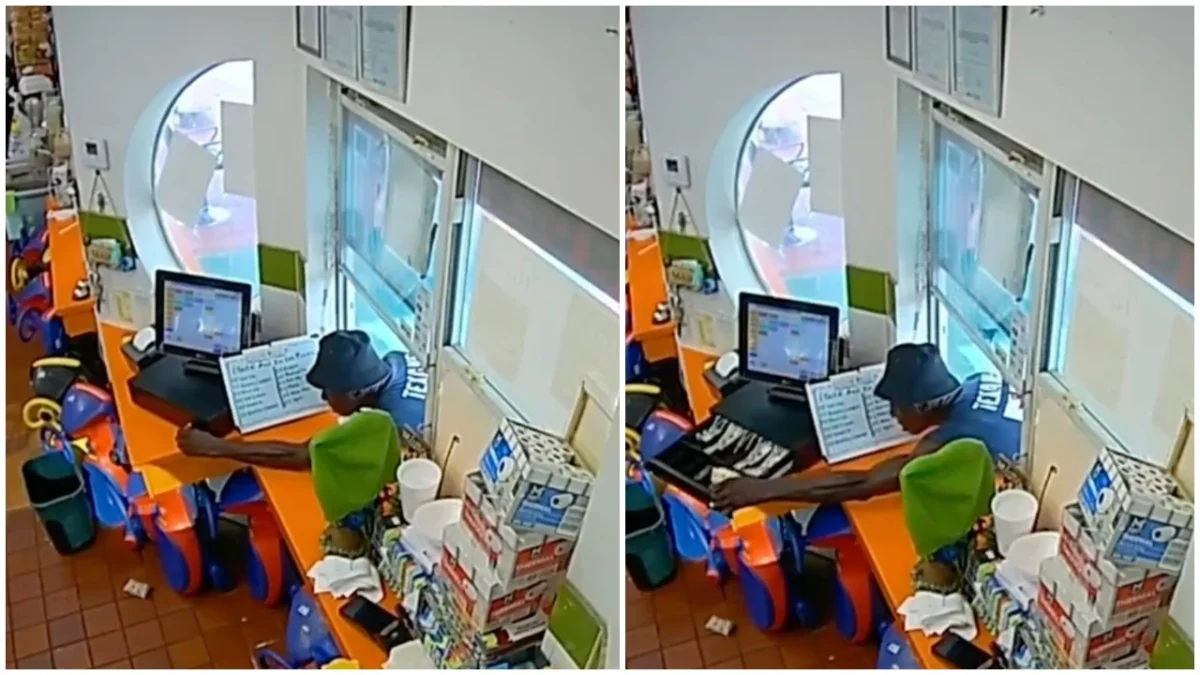
A surveillance video depicting a man brazenly reaching through a drive-thru window to steal cash from an unattended register has gone viral, sparking widespread discussion across social media platforms regarding retail security protocols, employee vigilance, and the ethics of opportunistic crime. The incident, which saw the individual initially get away with a quantity of cash only to be confronted during a second attempt, has highlighted vulnerabilities in common retail environments and prompted a nuanced debate about culpability. The footage, widely reshared by X (formerly Twitter) user @ClownWorld, captures a sequence of events that unfolded rapidly, showcasing both the perpetrator’s audacity and the delayed reaction of store employees.
The approximately two-minute clip, dated July 26, 2026, details how an individual, whose identity has not been publicly released, exploited a critical lapse in store security. The video clearly shows a drive-thru window left open and, crucially, a cash register with its key still in the lock, seemingly unattended. This combination presented an irresistible temptation, leading to a quick and calculated theft that quickly escalated into a public spectacle online.
A Detailed Chronology of the Drive-Thru Heist
The events captured by the store’s surveillance system paint a vivid picture of the incident, unfolding in distinct phases:
Phase 1: Initial Observation and First Retrieval
The video commences by showing the exterior of a commercial establishment, likely a fast-food restaurant or convenience store, equipped with a drive-thru service. The man approaches the open drive-thru window, initially appearing to be a regular customer or perhaps casing the premises. His demeanor suggests a casual approach, designed to avoid immediate suspicion. He then leans in, subtly peering into the interior of the store.
It is at this moment that he reportedly spots the critical security oversight: a cash register positioned within easy reach of the open window, with its key conspicuously left in the keyhole. This immediate accessibility transformed a potential observation into an active opportunity for theft. Without hesitation, but with a degree of measured caution, the man extends his arm through the window opening. The camera captures his hand reaching directly for the register.
He expertly turns the key, unlocking the cash drawer, which then springs open. His movements are swift and practiced, suggesting either prior knowledge of such mechanisms or an immediate grasp of the opportunity. From the open drawer, he quickly snatches a wad of cash. The video quality, while sufficient to show the act, does not permit a clear identification of the denominations or the exact amount of money taken during this first instance. A single bill is seen fluttering to the floor during his hurried retrieval, a small detail underscoring the swiftness of his action. After securing the cash, he promptly withdraws his arm and disappears from the frame, seemingly having completed his objective. Throughout this entire initial sequence, which lasts mere seconds, store employees can be observed in the background, engaged in their tasks, seemingly oblivious to the ongoing theft just meters away. Their focus appears to be directed elsewhere, highlighting a potential lack of peripheral awareness or sufficient staffing to monitor all areas of the store simultaneously.
Phase 2: The Return for "Seconds" and Discovery
Following his initial successful heist, a period of time elapses – the video suggests it was relatively short, perhaps minutes – before the man reappears. This return, a crucial decision that ultimately led to his confrontation, indicates either an insatiable opportunism or a belief that his initial act had gone completely unnoticed. He once again approaches the drive-thru window, repeating his earlier movements. He peers inside, confirming that the register remains unattended and the key still in place.
Emboldened by his previous success, he reaches through the window a second time. This repetition, however, proved to be his undoing. As he grabs another wad of cash from the open register and begins to withdraw his arm, two female employees are seen in the background, their attention finally drawn to the suspicious activity at the window. It is unclear what exactly triggered their awareness – perhaps a sound, a fleeting glimpse, or a change in the man’s posture – but their reaction is almost instantaneous.
They rush towards the window, their expressions shifting from routine work to alarm. The video captures them yelling at the man, though the audio is not available, their gestures clearly indicating distress and demands for the return of the stolen money. One of the women, demonstrating remarkable resolve, reaches out through the window and physically retrieves cash from the man. The footage does not definitively show whether she recovered the full amount taken during both instances, but she is seen holding a bundle of bills. Following this tense exchange, she emphatically gestures with her finger, signaling for the man to leave the premises immediately. He complies, quickly departing the scene.
The Aftermath and Public Reaction: A Storm of Opinions
The circulation of this surveillance footage across social media platforms quickly ignited a fierce debate, with X users weighing in with a wide spectrum of opinions. The incident transcended a simple report of theft, evolving into a broader commentary on personal responsibility, corporate negligence, and societal temptations.
Blaming the Victim or the Perpetrator?
A significant portion of the online discourse centered on the perceived culpability of the store and its employees. Many commenters argued that the critical security lapses – leaving a drive-thru window open and a register key in the lock – essentially invited the theft. "Leaving the key in the register right next to an open window is actual madness," one user succinctly stated, capturing the sentiment of many who viewed the store’s practices as a gross oversight. Another user expressed a more extreme view, suggesting, "I blame the dumb employees who left the drive-thru window unlocked and open and the key in the register. At that point let the man come in, make some tacos, take a few beers while you’re at it." This hyperbole, while extreme, underscores the frustration many felt regarding what they perceived as easily preventable negligence.
These reactions tap into a broader psychological phenomenon where perceived carelessness on the part of a victim can sometimes shift blame or evoke less sympathy for them. It raises questions about the extent to which businesses are responsible for creating secure environments versus the inherent responsibility of individuals not to commit criminal acts, regardless of opportunity.
The Humorous and Sarcastic Angle
Amidst the more serious discussions, some commenters adopted a lighter, more sarcastic tone, using humor to highlight the absurdity of the situation. One widely shared comment, attributed to X user Nate Svoboda (@gr8tsworld), quipped, "He saw ‘drive-thru’ and interpreted it as ‘self-checkout.’" This witty remark resonated with many, providing a moment of levity while still acknowledging the unusual nature of the theft. Such comments often serve to defuse tension but also reflect a societal tendency to find humor in unusual circumstances, even those involving crime.
Condemnation of the Theft
While some users focused on the store’s shortcomings, a substantial number unequivocally condemned the man’s actions, emphasizing that regardless of the opportunity, theft remains a criminal act. These comments highlighted the ethical imperative against stealing and the potential negative impacts on the business and its employees. They argued that while security should be paramount, it does not absolve an individual of their moral and legal obligations. This dichotomy of opinion reflects the complex nature of public perception when faced with such incidents, often leading to a divide between those who prioritize individual accountability and those who emphasize systemic or environmental factors.
Retail Security: A Persistent Challenge
The incident serves as a stark reminder of the constant vigilance required in retail environments, particularly those handling cash transactions. Retail shrinkage, a term encompassing losses due to theft, fraud, and administrative errors, costs businesses billions annually. According to recent industry reports, retail shrinkage accounted for an average of 1.44% of retail sales in 2022, amounting to nearly $100 billion in losses across the United States alone. While a single drive-thru theft might seem minor in this grand scheme, it represents a common vulnerability that, if unaddressed, contributes to these significant financial drains.
The Vulnerabilities of Drive-Thru Operations:
Drive-thru windows, while offering convenience to customers, inherently present unique security challenges. The physical separation between employees and customers is less defined than a traditional counter, creating points of access that can be exploited. This incident underscores the importance of:
- Window Security: Ensuring drive-thru windows are securely closed and locked when not actively in use, especially during periods of low traffic or when employees are momentarily distracted.
- Cash Register Protocols: Implementing strict policies regarding cash register keys. Keys should never be left in locks, particularly when registers are unattended or accessible from outside. Best practices often dictate that keys be removed and stored securely when not in active use or when an employee steps away.
- Employee Vigilance and Training: Regular training for staff on situational awareness, recognizing suspicious behavior, and immediate response protocols for security breaches. Employees need to be empowered and trained to report and react appropriately to potential threats.
The Role of Surveillance Technology:
In this case, surveillance footage played a crucial role, not in preventing the theft, but in documenting it. While cameras act as a deterrent, their primary function often becomes evidence collection after an incident has occurred. The clarity of the video allowed for a detailed understanding of the sequence of events, which is invaluable for internal investigations, potential law enforcement action, and informing future security enhancements. However, it also highlights that technology alone is not a panacea; human oversight and robust operational procedures remain critical.
Legal Implications and Potential Ramifications
From a legal standpoint, the man’s actions constitute theft or larceny, irrespective of how easily the opportunity was presented. In most jurisdictions, taking property belonging to another with the intent to permanently deprive the owner of it is a criminal offense. The value of the stolen cash would determine the severity of the charges, ranging from petty larceny (misdemeanor) for smaller amounts to grand larceny (felony) for larger sums.
While the employees did recover some, if not all, of the money, this does not negate the criminal act. The intent to steal was clearly demonstrated by his repeated actions. It is now up to the store management to decide whether to pursue legal charges against the individual. Factors influencing this decision might include:
- The total amount stolen: If significant, it increases the likelihood of pressing charges.
- The store’s policy: Some corporations have zero-tolerance policies for theft, regardless of the amount.
- The deterrent effect: Prosecuting such incidents can send a strong message to potential future offenders.
- Identification: The man’s identity would need to be established for charges to be filed.
If identified and charged, the man could face legal penalties including fines, probation, community service, or even jail time, depending on his criminal history and the specific laws of the jurisdiction. Furthermore, such an incident can lead to enhanced internal security measures and potentially disciplinary action for employees who failed to follow security protocols.
Broader Impact and Implications for Retail Operations
The incident at the drive-thru window, while seemingly isolated, reflects broader challenges faced by the retail sector. Beyond the immediate financial loss, such events can have several ripple effects:
- Employee Morale: Incidents of theft can negatively impact employee morale, fostering a sense of insecurity and potentially leading to burnout or disengagement if staff feel unsupported or constantly vulnerable.
- Operational Costs: Businesses may incur additional costs to upgrade security systems, enhance training, or even hire additional security personnel, all of which can ultimately affect pricing for consumers.
- Brand Reputation: While the specific store was not identified in the widely shared posts, persistent security issues can damage a brand’s reputation, leading to a loss of customer trust.
- Insurance Implications: Frequent incidents of theft can lead to higher insurance premiums for businesses.
This specific case also touches upon the concept of "situational crime prevention," which posits that crime can be reduced by making it more difficult, risky, or less rewarding for offenders. The open window and accessible key represent a failure in this regard, inadvertently creating a "target-rich environment" for opportunistic crime. Implementing simple, yet effective, measures like securing windows and removing keys from registers are fundamental steps in deterring such acts.
Concluding Thoughts: A Lesson in Vigilance and Responsibility
The drive-thru cash register incident serves as a multifaceted case study. It highlights the persistent challenge of retail theft, the critical importance of robust security protocols, and the need for constant employee vigilance. While the public’s reaction reveals a complex interplay of blame, humor, and ethical considerations, the underlying facts point to a clear criminal act facilitated by a significant lapse in operational security.
For businesses, the takeaway is clear: investing in comprehensive security measures, continuous employee training, and strict adherence to cash handling protocols are not merely best practices but essential safeguards against both financial loss and reputational damage. For individuals, the incident underscores the principle that opportunity, however tempting, does not justify illicit actions. As the video continues to circulate, it leaves behind a compelling narrative that provokes thought on both sides of the counter, reinforcing the delicate balance between trust and security in everyday commercial interactions. The discussion ignited online serves as a potent reminder that in an increasingly connected world, even minor incidents can rapidly become major talking points, influencing perceptions and prompting introspection on societal norms and individual accountability.