admin
admin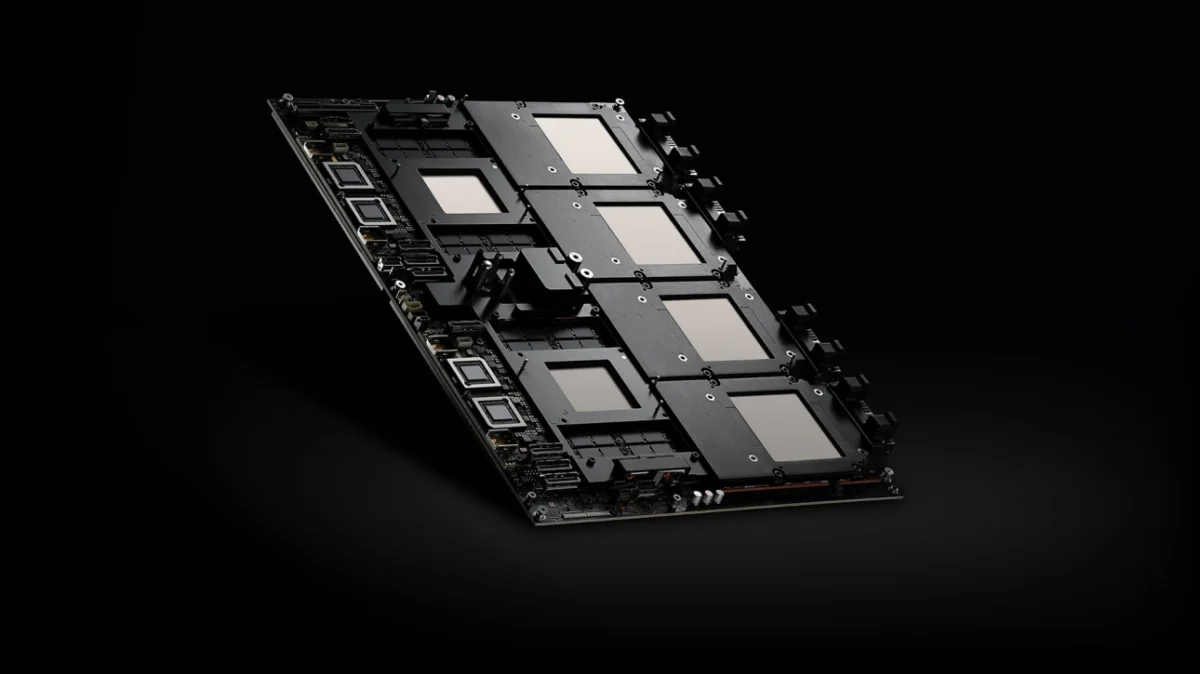
The landscape of artificial intelligence infrastructure is undergoing a radical shift as NVIDIA, the world’s leading manufacturer of AI-focused semiconductors, moves to decentralize the traditional data center model. In a strategic collaboration with SPAN, a developer of intelligent home energy management systems, and PulteGroup, one of the largest homebuilders in the United States, NVIDIA has launched a pilot program that installs enterprise-grade AI hardware directly onto the exterior walls of residential properties. This initiative, known as XFRA, aims to bridge the widening gap between the surging demand for AI compute and the physical limitations of centralized power grids and data center real estate. By mounting Blackwell GPU nodes onto private residences, NVIDIA is effectively turning the American suburb into a distributed high-performance computing network.
The Mechanics of the XFRA Distributed Compute Solution
At the core of this partnership is a sophisticated, weather-resistant hardware unit approximately the size of a standard residential air conditioning compressor. Each XFRA node is equipped with 16 NVIDIA Blackwell GPUs and four high-performance server-grade CPUs. The Blackwell architecture, which represents the pinnacle of NVIDIA’s current technological output, is designed specifically for large language model (LLM) inference and training. A single unit of this caliber carries an estimated market value exceeding $250,000, representing a massive injection of capital into residential infrastructure.
The hardware is integrated into the home’s electrical system through SPAN’s intelligent power orchestration technology. Unlike traditional electrical panels, the SPAN system can dynamically manage heavy electrical loads, ensuring that the AI compute node does not interfere with the home’s standard appliances or safety systems. This integration allows the node to operate as a "virtual data center" that contributes to NVIDIA’s broader cloud computing capacity while remaining physically situated at the "edge" of the network.
Economic Incentives and Homeowner Benefits
To incentivize participation in this unprecedented experiment, NVIDIA and its partners have structured a financial model that eliminates the traditional barriers to entry for high-tech infrastructure. Homeowners selected for the pilot program incur $0 in upfront costs for the hardware, installation, or maintenance. Recognizing that 16 Blackwell GPUs generate significant power demand and require high-bandwidth data transmission, NVIDIA and SPAN have committed to heavily subsidizing the participants’ monthly electricity and internet service provider (ISP) bills.
Furthermore, the program introduces a novel revenue-sharing agreement. While the specific percentages remain undisclosed during the pilot phase, homeowners are entitled to a portion of the revenue generated by the computational tasks performed by their wall-mounted nodes. As these units process AI workloads for global clients, the homeowner effectively becomes a micro-landlord for the AI industry, earning passive income from the unused space on their exterior walls and the capacity of their electrical connection.
A Chronology of the XFRA Development
The foundations for this project were laid in early 2024. In April, NVIDIA and SPAN first announced the development of the XFRA distributed data center solution, though technical specifics and the involvement of residential homebuilders were kept confidential. The primary objective stated at the time was to "close the speed-to-power gap," a reference to the fact that while AI chips can be manufactured relatively quickly, building the massive data centers required to house them can take three to five years due to zoning, cooling requirements, and grid upgrades.
By mid-2024, the partnership expanded to include PulteGroup, allowing the technology to be integrated into the construction phase of new housing developments. This integration ensures that the homes are "AI-ready" from the moment of occupancy, with reinforced electrical panels and dedicated high-speed fiber-optic lines already in place. In August 2024, the program moved into its current pilot phase, involving approximately 100 homes across select high-growth communities in the United States. This phase is designed to test the thermal performance of the units in various climates, the stability of distributed workloads, and the impact on local residential power grids.
Supporting Data: The AI Compute Crisis
The drive toward distributed computing is fueled by staggering projections regarding AI’s energy consumption. According to recent industry reports, global data center electricity consumption is expected to double by 2026, reaching over 1,000 terawatt-hours (TWh)—an amount roughly equivalent to the total electricity consumption of Japan. Traditional data centers are currently facing a "power bottleneck," where utilities cannot provide the 50 to 100 megawatts required for a single new facility without years of infrastructure investment.

By contrast, the residential sector represents an untapped reservoir of power capacity, particularly during off-peak hours. A standard American home often has a 200-amp service, much of which goes unused during the night. By distributing 1.6 megawatts of compute power across 100 homes rather than concentrating it in one building, NVIDIA can bypass the need for massive cooling towers and dedicated industrial substations. The XFRA units are designed to utilize "off-peak" energy, running most intensively when the rest of the grid’s demand is low, thereby stabilizing the grid rather than straining it.
Strategic Roles: SPAN, PulteGroup, and NVIDIA
Each partner brings a critical component to the XFRA ecosystem. NVIDIA provides the "brains"—the Blackwell GPUs that are currently the most sought-after commodity in the global tech economy. These chips feature 208 billion transistors and utilize a custom-built 4NP TSMC process, offering a significant leap in efficiency over the previous Hopper generation.
SPAN provides the "nervous system." Their smart panels act as a gateway between the home, the utility grid, and the AI node. In the event of a grid-wide power surge or a shortage, the SPAN panel can instantaneously throttle the AI node’s power consumption to prioritize the home’s essential services, such as refrigeration and medical equipment.
PulteGroup provides the "real estate." As a developer that delivered over 28,000 homes in 2023, PulteGroup has the scale necessary to turn distributed compute into a standard feature of modern living. Their involvement suggests a future where "compute capacity" is listed alongside "square footage" and "number of bedrooms" as a primary metric of home value.
Technical Implications and Grid Integration
One of the most significant technical hurdles for the XFRA project is heat dissipation. High-performance GPUs generate substantial thermal energy. The XFRA units utilize advanced air-cooling or closed-loop liquid cooling systems, designed to operate quietly to comply with residential noise ordinances. Interestingly, this "waste heat" presents an opportunity for future integration; engineers are exploring ways to divert the heat generated by the Blackwell GPUs to assist in home water heating or ambient heating during winter months, further increasing the system’s overall efficiency.
The integration with residential solar systems is another key pillar of the strategy. For homes equipped with photovoltaic panels and battery storage, the XFRA node can be programmed to run exclusively on surplus solar energy. This creates a "green" AI compute cycle, where the carbon footprint of training AI models is offset by the decentralized use of renewable energy that might otherwise be sent back to the grid for minimal credit.
Broader Impact and Future Outlook
The NVIDIA-SPAN-PulteGroup pilot program represents a potential paradigm shift in how society views infrastructure. If successful, the XFRA model could democratize the "AI gold rush," allowing everyday homeowners to participate in the value chain of the digital economy. It also offers a solution to the "Not In My Backyard" (NIMBY) issues often associated with large-scale data center construction, as the infrastructure becomes an invisible, integrated part of the existing built environment.
However, the program also raises important questions regarding the "industrialization" of residential zones. Critics and urban planners will likely scrutinize the long-term effects of placing high-value enterprise hardware in domestic settings, including concerns over cybersecurity, physical theft of the $250,000 units, and the potential for increased noise pollution. Furthermore, the regulatory framework for "distributed commercial activity" in residential neighborhoods remains largely unwritten.
As the pilot program progresses through its initial 100-home test, the tech industry will be watching closely. If NVIDIA can prove that a distributed network of wall-mounted Blackwell GPUs is as reliable and cost-effective as a centralized server farm, the "XFRA" model could become a standard feature of the global energy and computing landscape. In this future, the home is no longer just a place of residence; it is a vital node in the global intelligence network, fueling the next generation of AI while subsidizing the cost of living for its inhabitants.