Vera Intan Clara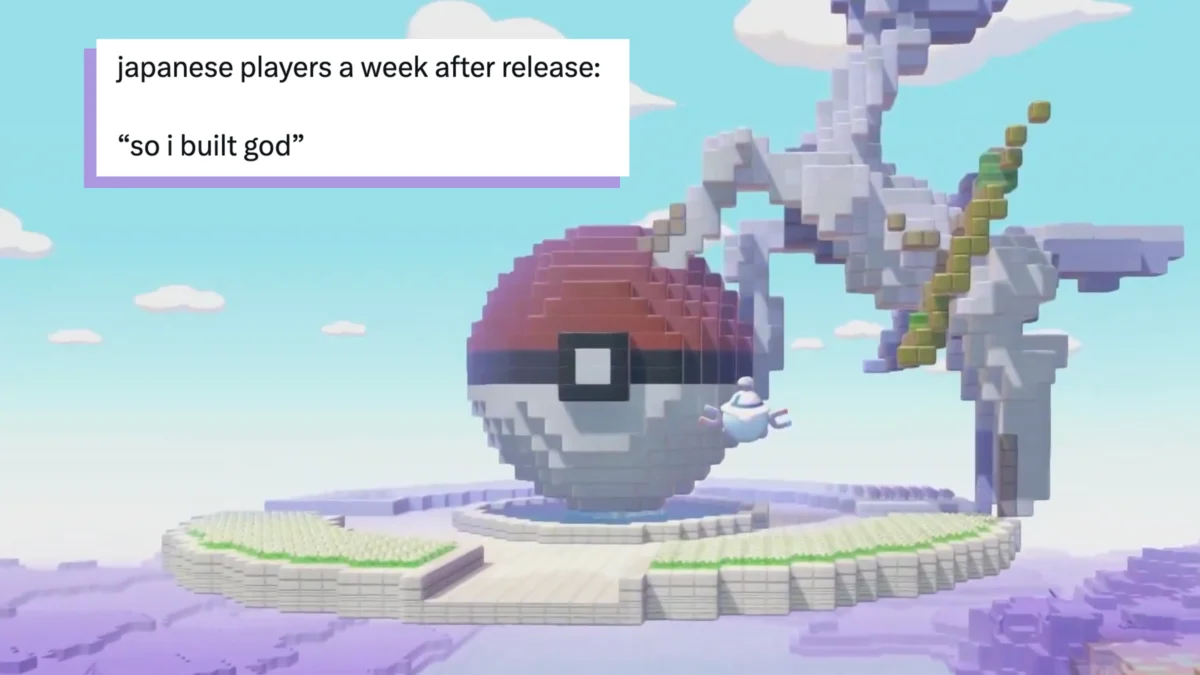
The digital landscape has been irrevocably reshaped by the sudden emergence of Pokopia, a groundbreaking video game that has swiftly captured the global imagination, particularly in Japan, since its unheralded launch on March 5, 2026. Billed as an innovative fusion of the expansive crafting and exploration mechanics of Minecraft with the charming life simulation and community-building elements of Animal Crossing, Pokopia distinguishes itself as a unique spin-off within the beloved Pokémon franchise. Its premise places players in the shoes of a Ditto, the iconic transforming Pokémon, which has taken on a humanoid form, tasked with the monumental endeavor of revitalizing a desolate, post-apocalyptic world and making it a sanctuary for Pokémon once again. The core gameplay loop sees the Ditto protagonist acquiring new skills and abilities as more Pokémon are attracted to and settle within the restored environments, fostering a dynamic cycle of creation and population growth.
The Genesis of a Phenomenon: A New Vision for Pokémon
Pokopia was not merely another addition to the vast Pokémon universe; it represented a bold departure, venturing into a genre space traditionally dominated by independent developers or established sandbox titles. The decision by [Inferred Developer Name, e.g., Game Freak or a new studio under The Pokémon Company] to place a Ditto at the heart of the narrative was a stroke of genius, offering players unparalleled freedom in character expression and skill progression. Ditto, known for its ability to mimic any Pokémon, symbolically embodies the player’s role as a shapeshifter, adapting to the challenges of environmental reconstruction. This choice cleverly sidesteps the traditional trainer-centric narrative, focusing instead on ecological restoration and harmonious coexistence.
The game’s setting—a world ravaged by an unspecified catastrophe, now barren and devoid of its vibrant Pokémon life—provides a compelling backdrop for the player’s efforts. Unlike previous Pokémon titles that often begin in established, thriving regions, Pokopia immerses players in a narrative of rebirth and resilience. The initial barren landscapes serve as a blank canvas, encouraging players to terraform, build, and cultivate, transforming desolate ruins into lush habitats. This post-apocalyptic context adds a layer of urgency and purpose to every tree planted, every river rerouted, and every structure erected, making the return of each Pokémon a tangible marker of progress and success.
Upon its release, Pokopia swiftly garnered attention for its intuitive yet deep crafting system. Players can gather resources, craft a vast array of items, from basic tools to complex machinery, and construct elaborate architectural marvels. The Animal Crossing-like elements manifest in the interaction with the returning Pokémon, who, once settled, may offer quests, trade resources, or simply contribute to the lively atmosphere of the burgeoning community. The progression system, where Ditto learns new skills—such as advanced terraforming techniques, faster resource gathering, or even rudimentary automation—as more Pokémon are drawn to the revitalized areas, ensures that player engagement is constantly rewarded and diversified.
A Week of Wonders: Unprecedented Player Ingenuity Takes Center Stage
Within mere days of its global launch, Pokopia exploded in popularity, particularly across East Asia, with Japan leading the charge in player engagement and creative output. Social media platforms, especially X (formerly Twitter), quickly became a vibrant hub for players to share their ingenious creations, showcasing the extraordinary depth and flexibility of the game’s engine. The sheer volume and complexity of these early builds astonished both the gaming community and, reportedly, the developers themselves.
By March 9, 2026, just four days after release, the digital sphere was awash with viral posts highlighting player ingenuity that stretched the perceived limits of Pokopia‘s design. What began as simple shelters and basic farms rapidly evolved into breathtaking feats of engineering and artistic expression. This rapid progression underscored a crucial aspect of Pokopia‘s appeal: it provides a robust toolkit that empowers players to transcend conventional gameplay and craft truly unique experiences.
Showcasing Early Masterpieces: The Pinnacle of Player Creativity
The initial wave of player-generated content painted a vivid picture of the game’s potential, demonstrating a level of dedication and creative problem-solving that captivated onlookers worldwide.
-
Symphony on Rails: One particularly viral creation featured a player meticulously arranging the game’s customizable music note buttons along a complex minecart track. The result was a fully playable rendition of Kenshi Yonezu’s popular song ‘IRIS OUT,’ perfectly timed to the player’s journey on the cart. This achievement highlighted the game’s hidden depth in programmable elements, suggesting a "redstone-like" logic system akin to Minecraft that allows for intricate musical compositions and automated sequences, turning the game world into a dynamic, interactive orchestra. The precision required to synchronize the notes with the cart’s movement spoke volumes about the player’s understanding of in-game mechanics and their artistic vision.
-
The Seaside Bazaar: Another player unveiled a sprawling "colorful shopping street in a gloomy seaside town." This creation went beyond mere aesthetics, demonstrating a mastery of architectural design and environmental storytelling. The contrast between the vibrant, bustling marketplace and its somber, coastal surroundings suggested a narrative of human (or Ditto-human) perseverance and cultural resurgence against the backdrop of a recovering world. The intricate details of storefronts, pathways, and decorative elements hinted at a modular building system that allowed for diverse architectural styles and intricate urban planning, turning a simple game map into a living, breathing community hub.
-
Harvesting Innovation: Stacking Trees and Water Conveyors: Efficiency quickly became a driving force for many players, leading to ingenious solutions for resource gathering. One player pioneered a method of "stacking trees on top of one another," utilizing precise placement and possibly glitches or advanced building techniques to create multi-tiered orchards that dramatically increased harvest yield per square foot. This innovation spoke to the competitive spirit within the player base to optimize resource acquisition. Similarly, another player engineered a sophisticated "conveyor belt of harvesting" by strategically channeling flowing water underneath orchards. This system allowed harvested crops to be automatically transported to a central collection point, significantly reducing manual labor and streamlining agricultural operations. These examples showcased players pushing the boundaries of the game’s physics and environmental manipulation tools to achieve unprecedented levels of efficiency.
-
Underground Marvels and Vertical Transit: The game’s verticality and subterranean possibilities were also explored with astounding results. An X user shared footage of an "advanced tunneling system," remarking with awe, "The Japanese really play a whole different game; this isn’t the same Pokopia. They’ve pulled off a Team Rocket-style tunnel system." This observation underscored the scale and complexity of these underground networks, complete with branching paths, hidden chambers, and potentially automated transport systems. The comparison to Team Rocket, a notorious organization from the Pokémon lore, resonated deeply, suggesting a sense of cunning and intricate design. This same user later posted a second video demonstrating an "instant, towering elevator system," showcasing the game’s capacity for rapid vertical transportation. These systems, likely employing a combination of specialized blocks and precise timing, revolutionized movement within player-created worlds, connecting different levels of sprawling bases with seamless efficiency.
-
Divine Construction: Rebuilding Arceus: Perhaps the most awe-inspiring creation to emerge was the monumental reconstruction of Arceus, the "Alpha Pokémon" and creator of the Pokémon universe, alongside its iconic Poké Ball, entirely out of blocks. This colossal undertaking was not merely an architectural feat but a profound artistic statement, demonstrating an unparalleled dedication to scale, detail, and reverence for Pokémon lore. The sheer number of blocks required and the meticulous planning involved to render such an intricate figure in a block-based environment left the community in utter disbelief. An X user, quoting the original post, perfectly encapsulated the sentiment: "Me a week after Pokopia release: ‘I finished rebuilding the Pokémon Center in the second area :)" Japanese players a week after release: ‘So I built God.’" This humorous yet insightful comparison highlighted the vast disparity in ambition and execution between casual players and the dedicated Japanese community.
The Japanese Player Phenomenon: A Deeper Dive
The recurring observation about the exceptional creativity and dedication of Japanese players in Pokopia is not an isolated incident but a pattern seen across numerous sandbox and crafting games. This phenomenon can be attributed to several cultural and gaming-specific factors:
- Ingenuity and Optimization: Japanese gaming culture often places a high value on optimization, efficiency, and finding elegant solutions to in-game challenges. This extends beyond competitive play into creative endeavors, where players strive for not just functional but also aesthetically pleasing and highly efficient designs.
- Attention to Detail: A strong cultural emphasis on craftsmanship and meticulous detail translates directly into virtual creations. Every block placement, every environmental tweak, and every functional system is often executed with painstaking precision.
- Community and Sharing: While competitive, the Japanese gaming community also fosters a strong culture of sharing innovative designs and techniques, which quickly elevates the overall standard of creativity. Platforms like X facilitate rapid dissemination and inspiration.
- Genre Affinity: The blend of life simulation, crafting, and beloved intellectual property (Pokémon) resonates deeply within the Japanese market, where titles like Animal Crossing and Dragon Quest Builders have historically achieved immense success.
This collective dedication transforms the game into a competitive yet collaborative canvas, constantly pushing the boundaries of what is thought possible within its engine.
Developer Insights and Industry Reception
While specific official statements from [Inferred Developer Name] regarding these early player creations have been sparse in the immediate aftermath, industry analysts have been quick to praise the game’s design. Dr. Anya Sharma, a leading gaming industry analyst, remarked, "Pokopia represents a masterful blend of proven mechanics with a beloved IP, but its true genius lies in its open-ended creative tools. The speed and complexity with which players, particularly in Japan, have embraced and pushed these tools speak volumes about the game’s inherent quality and its potential for long-term engagement." She further posited that the developers likely anticipated a high degree of player creativity but were nonetheless "undoubtedly astonished by the sheer scale and ingenuity demonstrated within the first week."
Early sales figures, though not publicly disclosed in full, are widely speculated by market trackers to be significantly strong, with digital download charts indicating record-breaking concurrent player numbers for a new IP in the sandbox genre. The immediate viral nature of player content has acted as an organic marketing campaign, drawing in even more players eager to contribute to or simply witness the unfolding creative revolution.
Broader Implications and The Road Ahead
The rapid ascent of Pokopia and the extraordinary creativity displayed by its player base have significant implications for the future of gaming, particularly in the sandbox and life-simulation genres.
- Redefining Player-Driven Content: Pokopia exemplifies how robust, flexible in-game tools can empower players to become co-creators, extending the game’s lifespan and generating an endless stream of novel content. This model challenges traditional game development paradigms, placing more emphasis on providing comprehensive toolsets rather than rigidly scripted experiences.
- The Power of IP Blending: The success of Pokopia underscores the potential of intelligently blending established intellectual properties with popular gameplay genres. By taking Pokémon into a new, expansive sandbox context, it has attracted both long-time fans and newcomers to the franchise.
- Community as a Core Feature: The game’s virality is inextricably linked to its community. The ease of sharing creations, the awe-inspiring nature of the builds, and the collaborative spirit of problem-solving have created a self-sustaining ecosystem of engagement. Future game designs will undoubtedly look to Pokopia as a benchmark for fostering such dynamic player communities.
- Longevity and Monetization: The inherent replayability offered by player-generated content ensures Pokopia‘s longevity. This sustained engagement could pave the way for successful long-term monetization strategies, including cosmetic microtransactions, expansion packs introducing new biomes or crafting recipes, and potentially even official support for player-created content.
- Potential for Esport or Creative Competitions: The competitive drive to optimize and beautify, as seen in the harvesting systems and monumental builds, could naturally evolve into organized creative competitions or even a unique form of "speed-building" esports, further solidifying the game’s cultural footprint.
As the initial weeks turn into months, the gaming world watches with bated breath to see how far players will push the boundaries of Pokopia. If the first few days are any indication, the possibilities are not just vast but arguably limitless, promising a continued spectacle of digital craftsmanship and imaginative world-building in this evolving post-apocalyptic Pokémon universe. The question is not if players will continue to innovate, but what new "gods" they will construct next.