Garick Elordi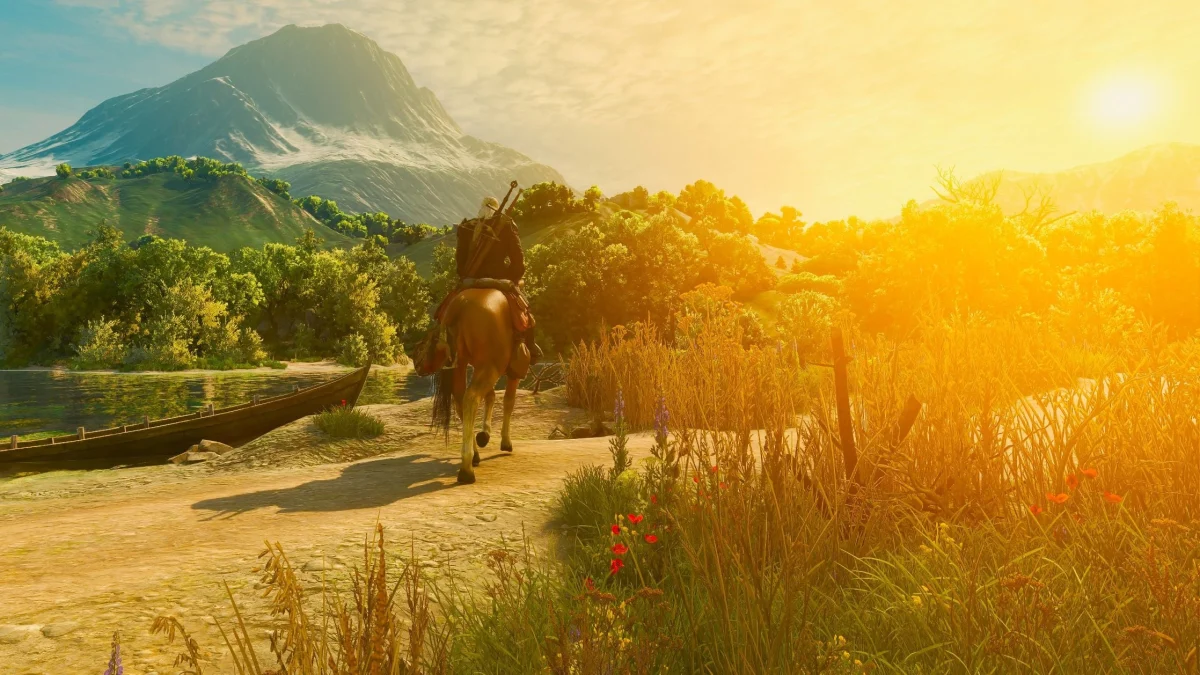
Following the highly anticipated release of The Witcher 3: Wild Hunt – Remastered, CD Projekt Red has officially deployed a targeted update to address technical discrepancies that have divided the player base since the version’s launch earlier this week. The patch, which is now live for PlayStation 5, Xbox Series X/S, and the PC Xbox Play Anywhere version, focuses primarily on "various lighting adjustments" intended to rectify issues regarding image brightness, color saturation, and visual clarity. This move comes as the Polish developer seeks to stabilize the experience ahead of its next major content milestone, the upcoming expansion titled Songs of the Past.
Addressing the Lighting and Visual Discrepancy
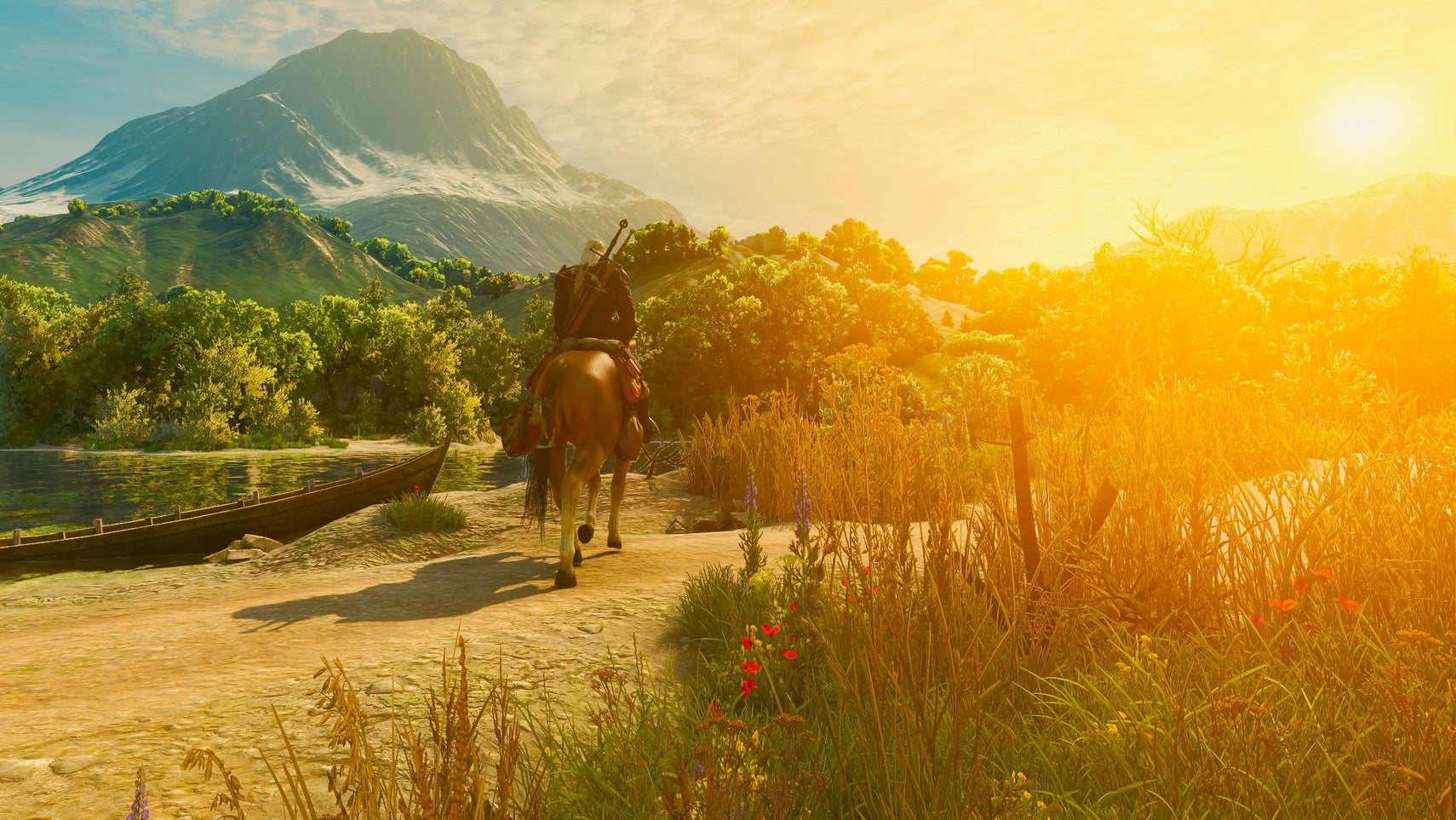
Since the remaster’s debut, the community has been vocal regarding the game’s altered aesthetic profile. While the update was designed to bring the 2015 classic into the modern era with high-fidelity assets and advanced rendering techniques, many players reported that the new lighting system resulted in a "washed out" or overly bright appearance. This was particularly noticeable in regions known for their distinct atmosphere, such as the rain-slicked marshes of Velen or the vibrant, sun-drenched hills of Toussaint.
Technical analysis suggests that the perceived loss of contrast is linked to several overlapping systems. A primary factor is the "Bloom" setting, which controls the glow around light sources. While PC players have traditionally had the option to toggle this feature, console players remained locked into a specific configuration that some argued was too aggressive. Furthermore, the integration of Path Tracing and High Dynamic Range (HDR) implementation appeared to struggle with the game’s original art direction, occasionally over-brightening shadows and flattening the depth of the environment.
The new patch aims to re-calibrate these elements. By adjusting the global illumination and bloom thresholds, CD Projekt Red intends to restore the "gritty" and "grounded" look that defined the original release, while still retaining the benefits of modern hardware. The update also addresses specific concerns regarding the Xbox Play Anywhere version, ensuring parity between console and PC ecosystems for those utilizing cross-progression.
Technical Refinements and the Road to Stability
Beyond the visual overhaul, the developer confirmed it is working on a secondary hotfix specifically for the PC platform. This upcoming fix is slated to resolve a critical issue involving save-game corruption and synchronization errors that have plagued a subset of the user base. CD Projekt Red’s technical support portal has seen a surge in activity as players report various edge-case bugs, ranging from minor animation glitches to performance stutters in densely populated areas like Novigrad.
The studio expressed gratitude for the community’s rapid feedback, stating that player reports are essential for fine-tuning the complex interplay of the game’s updated engine. "We are investigating the issues you’re reporting via our Technical Support portal," the company noted in an official social media statement. This proactive approach to post-launch support reflects a broader shift in the studio’s philosophy following the turbulent launch of Cyberpunk 2077 in 2020, emphasizing transparency and rapid iteration.
A Chronology of The Witcher 3’s Evolution
To understand the significance of this remaster and its subsequent patches, it is necessary to look at the timeline of the game’s development and its enduring legacy in the gaming industry:
- May 2015: The Witcher 3: Wild Hunt launches to critical acclaim, setting a new standard for open-world RPGs.
- 2015–2016: The release of two major expansions, Hearts of Stone and Blood and Wine, the latter of which introduced a completely new lighting model for the duchy of Toussaint.
- 2022: The initial "Next-Gen" update is released, introducing Ray Tracing, 60 FPS modes for consoles, and integrated community mods.
- Late 2024: The "Remastered" version launches as a comprehensive, free upgrade for existing owners, further refining textures, animations, and gameplay mechanics.
- Current Week: Lighting concerns lead to the immediate deployment of the "various lighting adjustments" patch.
- 2025 (Projected): The release of Songs of the Past, the first new expansion for the game in nearly a decade.
The current remaster is more than just a graphical patch; it represents a significant engine-level transition. By incorporating elements of the latest REDengine iterations, the developers have improved draw distances, character models, and environmental interaction. However, such deep-level changes often come with unintended consequences for the game’s established color grading, necessitating the current round of corrections.
Supporting Data and Performance Analysis
Data gathered from community benchmarks suggests that while the remaster offers a significant leap in fidelity, the performance overhead is substantial. On PlayStation 5 and Xbox Series X, the "Ray Tracing Mode" targets 30 FPS but has faced challenges maintaining stability in "heavy" scenes involving fire or large crowds. The "Performance Mode," which targets 60 FPS, has been the preferred choice for most players, though it is this mode that most frequently exhibited the "washed out" lighting issues now being addressed.
On the PC side, the implementation of Nvidia’s DLSS 3 and AMD’s FSR 3 has helped mitigate the high demands of Path Tracing. However, the "save-game issue" mentioned by CD Projekt Red has hindered the experience for those moving between different hardware configurations. The studio’s commitment to a hotfix suggests that the underlying database structure of the save files may have been altered during the remastering process, leading to compatibility hurdles with older cloud saves.
Industry Implications and Player Reaction
The decision to offer the Remastered version as a free upgrade has been widely praised as a "consumer-first" move, contrasting with the industry trend of charging full price for "Director’s Cuts" or "Definitive Editions." This generosity has fostered a loyal community that is generally willing to provide constructive feedback rather than resorting to the hostility often seen in modern gaming discourse.
Professional analysts suggest that this update serves two purposes for CD Projekt Red. First, it maintains the relevance of their flagship IP as they transition toward the development of The Witcher 4 (codenamed Polaris) and the remake of the original Witcher game. Second, it serves as a live testbed for new lighting and rendering technologies that will likely be standard in their future Unreal Engine 5-based projects.
Reaction from the player base has been cautiously optimistic. Many users on platforms like Reddit and the CDPR forums have noted that the "various lighting adjustments" have already improved the depth of shadows in nighttime environments. However, some continue to call for a dedicated "Legacy Lighting" toggle that would allow players to use the 2015 color palette with the 2024 asset quality.
Looking Ahead: Songs of the Past
The most surprising aspect of this technical cycle is the announcement of Songs of the Past. It is exceedingly rare for a developer to return to a decade-old game to release a third major expansion. While details remain scarce, the title suggests a narrative focused on Geralt of Rivia’s earlier years or perhaps a retrospective look at the franchise’s most iconic characters.
The success of Songs of the Past will depend heavily on the technical foundation being laid now. By resolving lighting and save-game issues today, CD Projekt Red ensures that the expansion will launch on a stable platform. This expansion is expected to bridge the gap between the existing trilogy and the upcoming "Polaris" saga, potentially offering lore hints that will define the future of the Continent.
In conclusion, the latest patch for The Witcher 3: Wild Hunt – Remastered is a vital step in preserving the artistic integrity of one of gaming’s most celebrated titles. As CD Projekt Red continues to balance the demands of modern technology with the expectations of a dedicated fanbase, the ongoing refinement of the game’s lighting system demonstrates a commitment to quality that extends far beyond the initial sale. With a PC hotfix on the horizon and a new expansion in the works, the journey of Geralt of Rivia appears far from over.