George Chandra Eka
The integration of smartphone functionality into vehicles has evolved from a luxury to a near necessity for many drivers worldwide. Apple CarPlay, first introduced in 2014, has spearheaded this transformation, offering a streamlined, intuitive interface that mirrors essential iPhone apps directly onto a car’s dashboard display. This allows drivers to safely access navigation, music, messages, and calls without fumbling with their handheld devices. With over 800 vehicle models now supporting CarPlay, its widespread adoption underscores its value proposition: enhanced convenience, improved safety, and seamless digital connectivity on the road. However, a significant portion of the global vehicle fleet, particularly older models, predates this technological advancement, leaving millions of drivers without factory-installed CarPlay. Compounding this, some major automakers, notably General Motors, have announced plans to phase out support for both Apple CarPlay and Android Auto in their future electric vehicles, pushing their proprietary infotainment systems instead. This confluence of factors has fueled a burgeoning market for portable Apple CarPlay screens, offering a surprisingly robust and cost-effective solution to bridge the technological gap and maintain consumer choice.
The Evolution of In-Car Connectivity and the Rise of CarPlay
For decades, in-car entertainment and navigation systems were largely self-contained and often clunky. Drivers relied on dedicated GPS units, CD players, or rudimentary radio interfaces. The advent of the smartphone, however, fundamentally shifted expectations. Consumers grew accustomed to powerful, intuitive, and constantly updated applications for every aspect of their digital lives. It was only a matter of time before these expectations extended to their vehicles.
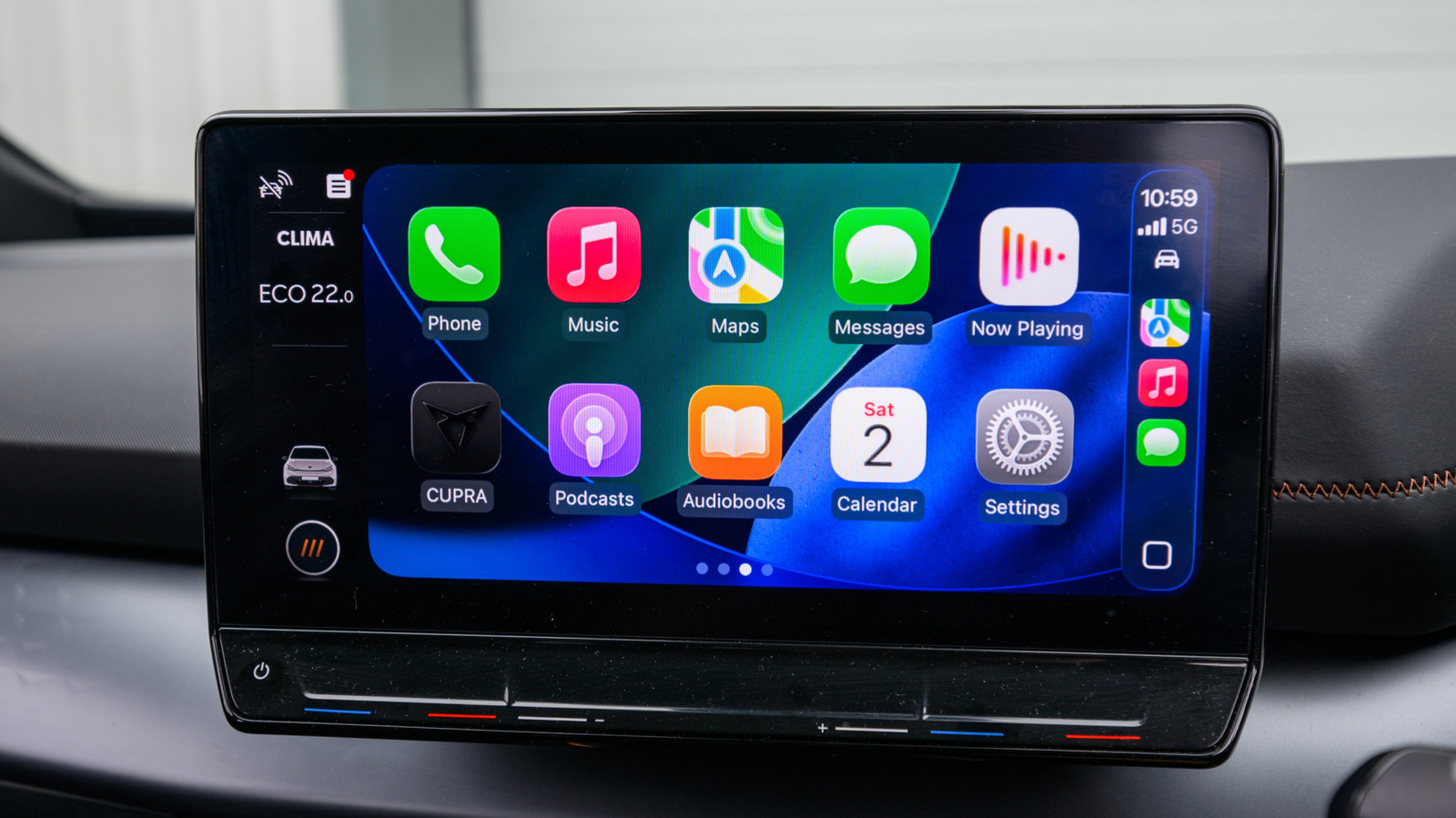
Apple CarPlay emerged as a pivotal response to this demand, offering a familiar iOS-like experience tailored for the automotive environment. Its strength lies in its simplicity and direct access to core iPhone functions: Apple Maps, Google Maps, Waze for navigation; Apple Music, Spotify, Podcasts for audio; and iMessage for communication, all controllable via touch, steering wheel buttons, or Siri voice commands. This integration drastically reduces driver distraction by minimizing interaction with the phone itself, aligning with crucial road safety initiatives. The platform’s success led to rapid adoption, with major manufacturers like Audi, BMW, Ford, Honda, Hyundai, Mercedes-Benz, Porsche, Toyota, and Volkswagen incorporating it into their lineups across various models. Industry analysis from Counterpoint Research indicated that CarPlay and Android Auto were present in over 80% of new cars sold in the US in 2022, highlighting their status as essential features.
Automakers’ Shifting Strategies: The Push for Proprietary Systems
Despite CarPlay’s undeniable popularity, a significant strategic pivot is underway within certain segments of the automotive industry. General Motors, for instance, declared in 2023 its intention to discontinue CarPlay and Android Auto in its upcoming electric vehicle models, starting with the 2024 Chevrolet Blazer EV. This move, while perhaps initially surprising to consumers, reflects a broader industry trend towards establishing proprietary software ecosystems within vehicles.
The motivations behind such decisions are multifaceted. Automakers envision future vehicles as "software-defined" platforms, capable of generating recurring revenue through subscription services, over-the-air updates, and personalized features. By controlling the entire in-car software stack, manufacturers can gather valuable user data, foster brand loyalty, and potentially monetize services ranging from enhanced navigation to advanced driver-assistance features. A GM spokesperson, for example, articulated that integrating these functions directly into the vehicle’s operating system would allow for deeper integration with vehicle data, potentially enabling more personalized and context-aware experiences. This strategy mirrors Apple’s own ecosystem approach with iOS, where tight hardware-software integration allows for optimized performance and a controlled user experience. However, for consumers, this shift can be perceived as a limitation of choice and an imposition of additional costs for features they previously accessed for free via their smartphones. This is where the aftermarket solution of portable CarPlay screens steps in, offering a direct counter-narrative to the automakers’ "walled garden" approach.
The Appeal of Portable Apple CarPlay Screens: An Accessible Upgrade
For owners of older vehicles, or those facing the prospect of new cars without integrated CarPlay, portable screens represent a compelling, budget-friendly alternative. These standalone devices typically mount to the dashboard or windshield, connecting wirelessly or via USB to an iPhone to project the CarPlay interface. Unlike a full head unit replacement, which can involve complex wiring, dashboard modifications, and professional installation costs potentially ranging from $300 to over $1,000, a portable CarPlay screen offers a plug-and-play solution. Many quality units are available for under $150, with some entry-level options dipping below $50, making them significantly more accessible.
The market for automotive aftermarket electronics is substantial, estimated to be worth billions globally, driven by consumers’ desire to personalize and upgrade their vehicles. Portable CarPlay screens tap directly into this demand, providing modern functionality without the prohibitive cost or permanence of a factory upgrade. They also cater to a demographic that may not be ready or willing to purchase a new vehicle, allowing them to extend the usability and enjoyment of their current car.
Key Features and Considerations When Purchasing
Navigating the array of portable CarPlay screens requires understanding several critical specifications and features to ensure a satisfactory purchase. While affordability is a major draw, compromising too much on quality can lead to a frustrating user experience.
-
Display Size and Resolution:
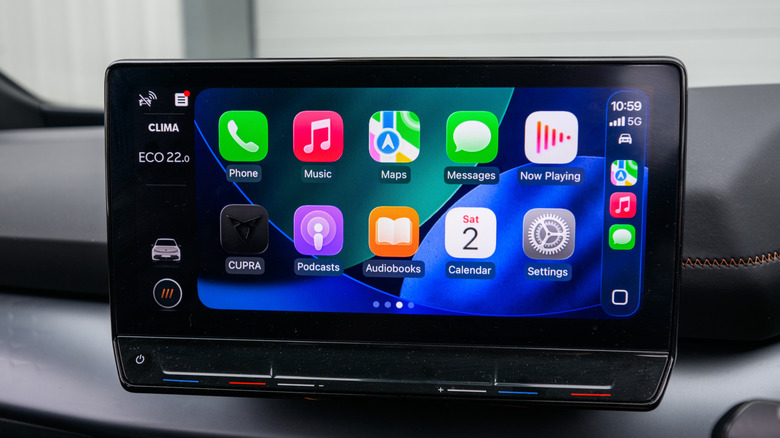
- Size: Portable screens typically range from 6 to 11 inches. A common sweet spot for many users is 7 to 9 inches, offering ample screen real estate without being overly obtrusive or distracting. Larger screens, while immersive, might obscure parts of the dashboard or windshield in smaller vehicles. It’s crucial to measure available space in your vehicle before purchasing.
- Resolution: This is paramount for visual clarity. While these screens aren’t designed for 4K video, a low resolution can make text fuzzy, icons pixelated, and maps difficult to read. Aim for a minimum resolution of 1280×720 pixels (720p). Many reputable units now offer 1024×600 or even 1920×1080 (1080p) resolutions, which significantly enhance the visual experience, making everything from navigation directions to album art crisp and clear.
- Panel Type: IPS (In-Plane Switching) panels generally offer wider viewing angles and better color accuracy compared to TN (Twisted Nematic) panels, which is important in a car where the screen might be viewed from different angles.
- Brightness and Glare: Look for screens with sufficient brightness (often measured in nits) to remain visible in direct sunlight. An anti-glare coating can also make a significant difference in usability during bright conditions.
-
Connectivity: Wireless vs. Wired CarPlay and Audio Output:
- Wireless CarPlay: This is a non-negotiable feature for ultimate convenience. Wireless connectivity allows your iPhone to connect automatically when you start the car, without needing to plug it in every time. While wired connections are reliable, the freedom of wireless is transformative. Ensure the unit explicitly states "Wireless CarPlay" (and ideally, "Wireless Android Auto" for broader compatibility).
- Audio Output: Portable screens themselves often have rudimentary, low-quality built-in speakers, which are inadequate for music or navigation prompts. Effective audio integration with your car’s sound system is crucial.
- AUX-in: If your car has an auxiliary input jack, this is often the best method for clear, high-quality audio, as it provides a direct wired connection.
- Bluetooth: Many units can transmit audio to your car’s stereo via Bluetooth. This offers wireless convenience but relies on your car’s stereo having Bluetooth audio input capabilities.
- FM Transmitter: This is the most universal option, as it broadcasts audio over a selected FM radio frequency, which your car’s stereo can then tune into. However, FM transmission quality can vary, be susceptible to interference, and might not offer the fidelity of AUX or Bluetooth. Choose a unit with a strong, clear FM transmitter if this is your primary option.
-
Mounting and Stability:
- A secure mount is critical for safety and usability. Poorly designed mounts can lead to the screen vibrating excessively or, worse, detaching during driving.
- Types: Common mounts include suction cups for the windshield or dashboard, adhesive pads, or vent clips. Suction cups are versatile but can lose suction over time. Adhesive mounts are more permanent but require careful placement. Vent clips are easy to install but can block airflow and might not be stable for larger screens.
- Adjustability: Look for mounts that offer a good range of tilt and swivel to optimize viewing angles and minimize glare. A robust, anti-vibration design is essential.
-
Touchscreen Responsiveness:
- The quality of the touchscreen is a significant differentiator. Cheaper units often feature resistive touchscreens, which require more pressure and are less responsive. Opt for a capacitive touchscreen, similar to those found on modern smartphones, for smooth, precise, and multi-touch gestures.
-
Power Source:
- Most portable CarPlay screens are powered via your car’s 12V cigarette lighter socket. Ensure the unit comes with a suitable adapter and that the cable length is sufficient for discreet routing to avoid clutter.
Beyond the Basics: Advanced Features and Enhanced Functionality
Modern portable CarPlay screens often offer features that extend beyond simple smartphone mirroring, adding significant value and functionality.
- Integrated Dash Cameras: Many units now include a front-facing dash camera, providing continuous loop recording onto a microSD card. This can be invaluable for insurance purposes in the event of an accident or for capturing interesting road events. Some even offer G-sensor activated recording, automatically saving footage upon impact.
- Rear-View/Backup Cameras: Adding a rear camera to an older vehicle can dramatically improve parking safety and ease. Some portable CarPlay units bundle a wireless rear camera that displays automatically when the vehicle is put into reverse. This is a highly sought-after feature for vehicles lacking factory-installed parking assistance.
- Android Auto Compatibility: For households with both iPhone and Android users, a unit that supports both Wireless CarPlay and Wireless Android Auto offers maximum flexibility.
- Built-in Android OS: A select few advanced portable screens run a full Android operating system alongside CarPlay/Android Auto. This allows users to install standalone Android apps (e.g., streaming services, web browsers) directly onto the device, independent of their smartphone. While not essential for CarPlay functionality, it provides an additional layer of versatility.
- Voice Control Integration: Full integration with Siri (for CarPlay) and Google Assistant (for Android Auto) is standard, allowing for hands-free control of navigation, music, and calls, further enhancing safety.
- Steering Wheel Control Compatibility: Some high-end units may offer the ability to integrate with existing steering wheel controls, either directly or via an external adapter, providing a more factory-like experience.
Market Dynamics, Consumer Impact, and Future Outlook
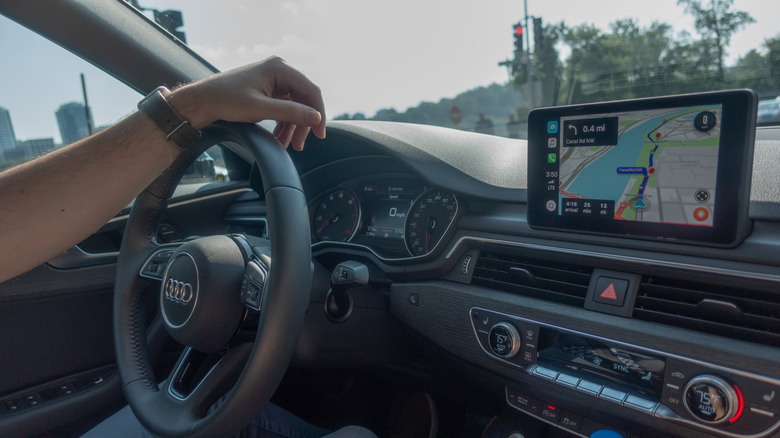
The market for portable CarPlay screens is a testament to consumer demand for modern connectivity and a reaction to evolving automotive industry strategies. Data from market research firms suggests a steady growth in the aftermarket car electronics segment, fueled by innovation and affordability. Consumers are increasingly empowered to customize their driving experience, rather than being limited by factory options or manufacturer decisions.
From a safety perspective, these devices offer a clear advantage over drivers using their phones directly. By presenting essential information on a larger, dedicated screen within their line of sight, and enabling voice commands, portable CarPlay screens significantly reduce the temptation and necessity to interact with a handheld device while driving. This aligns with broader efforts to combat distracted driving. Furthermore, by enabling older vehicles to gain modern tech, these screens contribute to a more sustainable approach, extending the useful life of existing cars rather than forcing premature upgrades.
However, challenges remain. The aesthetics of a mounted screen, while functional, will never perfectly match the integrated look of a factory system. Power management, often requiring a 12V outlet, can lead to visible cables if not carefully routed. Audio quality, while improved with AUX or Bluetooth, is still ultimately dependent on the car’s existing sound system.
Looking ahead, the portable CarPlay screen market is likely to see continued innovation. Expect to see more advanced features, tighter integration with vehicle diagnostics (e.g., through OBD-II connections), and potentially more sophisticated mounting solutions that blend seamlessly with various dashboard designs. The ongoing "battle" between tech giants and automakers for control of the digital cockpit will likely intensify, ensuring that aftermarket solutions like portable CarPlay screens continue to play a crucial role in providing consumer choice and keeping drivers connected, safely and affordably.
In conclusion, for those driving older vehicles, or even newer ones that lack or have phased out CarPlay support, portable Apple CarPlay screens offer an ingenious and highly practical solution. They represent a significant technological upgrade at a fraction of the cost of a new car or a complex system retrofit. By carefully considering the display quality, connectivity options, mounting stability, and additional features, drivers can unlock a safer, more connected, and vastly more enjoyable driving experience, proving that modern convenience doesn’t always require a brand-new vehicle.