Garick Elordi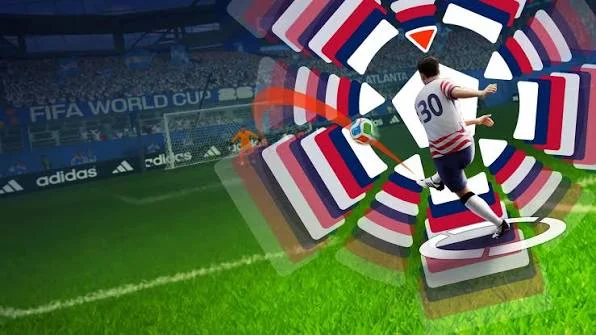
Refractor Games, the primary development studio behind the recently launched FIFA World Cup: Launch Edition, has implemented a sweeping workforce reduction that has resulted in the termination of approximately 85 percent of its staff. The layoffs, which were first reported through social media testimonials from affected employees and later confirmed by studio leadership, come at a paradoxical time for the company, occurring just weeks after the high-profile release of its latest title on the Netflix Games platform. Reports indicate that roughly 80 developers have lost their positions, leaving the studio with a skeletal crew and raising significant questions regarding the future of the organization and its ongoing partnership with the publisher Delphi Interactive.
The news broke as several high-ranking members of the development team took to professional networking platforms like LinkedIn to announce their sudden departures. Among those affected was Art Director Barclay Chantel, who characterized the situation as a sudden withdrawal of support from the studio’s primary financial backers. According to Chantel, the decision was made by Delphi Interactive, the publisher of the FIFA title, which "pulled the plug" on Refractor Games immediately following the successful shipment of the project. The sentiment was echoed by Joseph Civitate, a 3D artist and motion capture specialist at the studio, who clarified that the layoffs were not necessarily a reflection of the game’s performance, but rather a direct consequence of the cancellation of funding for the studio’s next unannounced project.
A Detailed Chronology of the Refractor Games Downsizing
The timeline leading up to this mass layoff suggests a volatile transition between project cycles, a common but increasingly perilous period for independent and mid-sized development houses. On June 11, Refractor Games celebrated the exclusive launch of FIFA World Cup: Launch Edition on Netflix. The title represented a significant milestone for the studio, as it was part of FIFA’s broader strategy to diversify its gaming portfolio following the high-profile dissolution of its long-standing partnership with Electronic Arts (EA).
Within weeks of the game’s debut, internal communications signaled a shift in the studio’s stability. By late June, the "funding on the next project," which many employees had expected to transition into, was abruptly cancelled. This led to the immediate termination of the majority of the workforce. While initial rumors on social media suggested that Refractor Games had closed its doors entirely, Studio Head Nathan Burba later clarified in statements to industry outlets that the studio remains technically operational, albeit with a drastically reduced headcount. Burba confirmed the 85 percent figure but did not provide specific details regarding the reasons for the funding withdrawal or the identity of the prospective project that was cancelled.
The Role of Delphi Interactive and the Netflix Partnership
To understand the impact of these layoffs, it is essential to examine the corporate structure surrounding the development of FIFA World Cup: Launch Edition. Refractor Games acted as the developer under the publishing umbrella of Delphi Interactive. Delphi Interactive is a relatively recent player in the high-end mobile and licensed gaming space, having recently gained attention for its involvement in 007: First Light.

The partnership with Netflix was intended to provide a stable platform for the title, leveraging Netflix’s massive global subscriber base to drive engagement for the FIFA brand. For Netflix, the acquisition of a FIFA-licensed title was seen as a major coup in its ongoing effort to establish itself as a serious contender in the gaming industry. However, the disconnect between the game’s release and the subsequent collapse of the developer’s workforce highlights a growing trend of instability in "work-for-hire" and licensed-property development.
Industry analysts suggest that the cancellation of funding for Refractor’s next project may be linked to a broader tightening of belts at Delphi Interactive or a shift in Netflix’s internal gaming strategy. As streaming services and publishers face increased pressure to demonstrate profitability, auxiliary projects and the studios that build them often find themselves on the chopping block despite delivering on their current contracts.
Supporting Data and the Human Cost of Industry Volatility
The layoffs at Refractor Games are not an isolated incident but part of a harrowing year for the global video game industry. According to data tracked by industry watchdogs, 2024 has seen upwards of 10,000 layoffs across various sectors of game development within the first six months alone. The loss of 80 jobs at Refractor Games adds to a growing list of studios—ranging from small indie teams to massive subsidiaries of conglomerates like Sony, Microsoft, and Take-Two—that have undergone significant restructuring.
The human cost at Refractor is particularly notable given the specialized talent involved. The team included experts in motion capture, sports physics, and UI/UX design tailored for mobile platforms. In his public statement, Barclay Chantel emphasized the caliber of the talent now "back on the market," urging other studios to snap up the "awesome folks" who were let go. Joseph Civitate’s remarks further underscored the frustration felt by many in the industry: the irony of being terminated "a couple months after our game shipped" despite meeting all development milestones.
FIFA’s Post-EA Licensing Strategy
The situation at Refractor Games also sheds light on the challenges facing FIFA as it attempts to navigate the gaming landscape without EA Sports. Since the rebranding of EA’s flagship soccer series to EA Sports FC, FIFA has sought to license its brand to multiple developers to create a variety of experiences, from mobile games to digital collectibles and simulations.
FIFA World Cup: Launch Edition was a cornerstone of this new, fragmented strategy. However, the instability of the developers chosen to handle these licenses may pose a risk to the FIFA brand’s prestige in the gaming world. If the studios responsible for FIFA’s digital presence cannot maintain continuity due to financial volatility, the quality and support for these titles may suffer, potentially alienating a fanbase used to the high-budget consistency of the previous EA era.

Broader Implications for the Mid-Sized Development Sector
The Refractor Games layoffs serve as a cautionary tale for the "AA" or mid-sized development sector. These studios often rely on a single major contract or a specific publisher’s pipeline to remain solvent. When a publisher like Delphi Interactive decides to pivot or cancel a future project, the developer often lacks the capital reserves to retain staff while searching for a new partner.
Furthermore, the involvement of Netflix as a platform provider adds a layer of complexity. While Netflix provides the reach, it does not always provide the long-term development security that traditional console manufacturers or established game publishers might offer. As Netflix continues to experiment with its gaming business model—moving from simple mobile ports to more complex licensed titles—the studios it partners with may find themselves in precarious positions if those titles do not immediately meet internal metrics for subscriber retention or engagement.
Official Responses and Future Outlook
As of the time of writing, FIFA and Delphi Interactive have not issued formal public statements regarding the layoffs at Refractor Games. Eurogamer and other major outlets have reached out for comment, but the silence from the corporate side has left the narrative to be shaped by the departing developers.
For Refractor Games, the future remains uncertain. With only 15 percent of its original staff remaining, the studio’s ability to provide post-launch support for FIFA World Cup: Launch Edition or to pivot to a new project is severely compromised. Studio Head Nathan Burba’s decision to keep the studio open suggests a hope for a future "rebound" or a search for new investment, but in the current economic climate, the path to recovery is steep.
The industry at large continues to watch these developments with concern. The pattern of "ship and fire"—where a studio releases a product only to immediately downsize—is becoming an alarming norm that threatens the long-term sustainability of professional game development. For the 80 individuals let go from Refractor Games, the focus now shifts to finding new opportunities in a market that is increasingly crowded with highly skilled talent facing similar circumstances.
Conclusion
The mass layoffs at Refractor Games represent a significant blow to the team that successfully delivered a FIFA-branded experience to one of the world’s largest streaming platforms. While the game itself remains available to Netflix subscribers, the infrastructure that built it has been largely dismantled. This event highlights the fragile nature of modern game development contracts and the immense pressure placed on studios to secure continuous funding in an era of corporate consolidation and shifting market priorities. As the industry moves into the second half of 2024, the story of Refractor Games will likely be remembered as a stark example of the volatility inherent in the current gaming ecosystem.