George Chandra Eka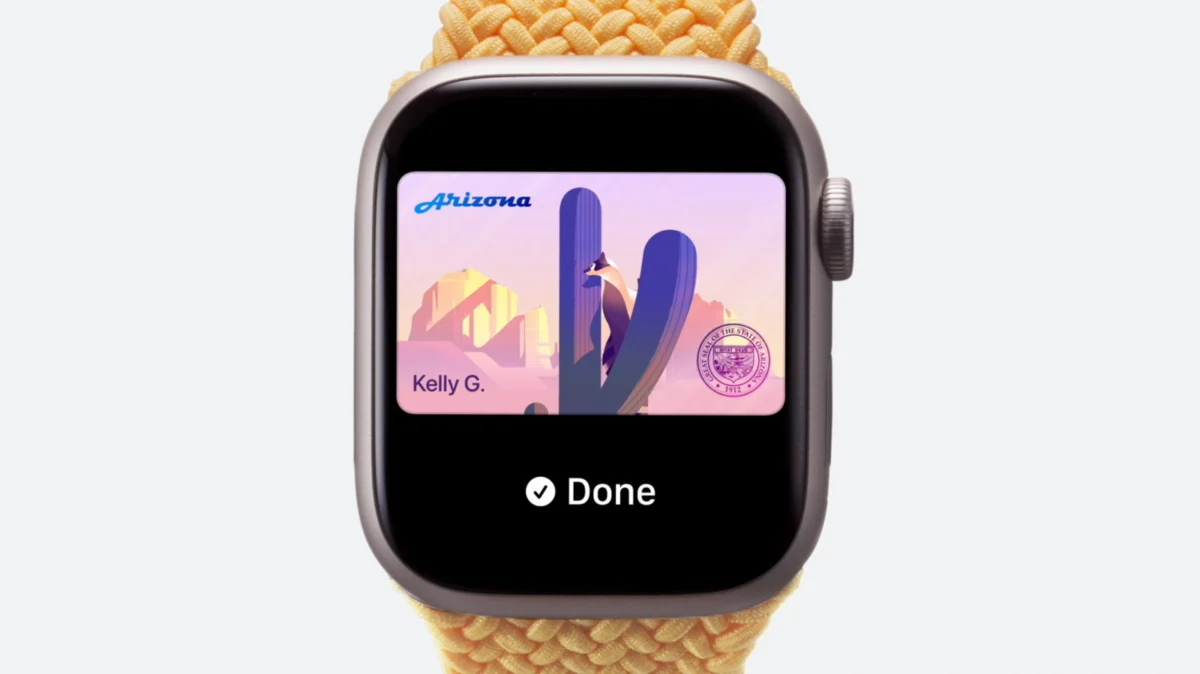
In certain states, you can now add a digital license to Apple Wallet, significantly reducing the reliance on carrying a physical identification card. This advancement represents a pivotal step in the ongoing digital transformation of personal credentials, offering a blend of convenience, enhanced security, and streamlined verification processes for millions of iPhone and Apple Watch users.
The integration of digital versions of personal identification into Apple Wallet has been a multi-year endeavor, first announced by Apple in 2021. This feature allows users to store a digital driver’s license, state ID, or even a passport, making everyday interactions requiring identification simpler and more secure. From zipping through airport security checkpoints to verifying age at retail establishments, the digital ID aims to modernize how individuals prove their identity.
The Dawn of Digital Identity: A Brief History and Context
For centuries, physical documents have served as the bedrock of identity verification. From early paper passports to modern plastic driver’s licenses, the tangible nature of these credentials has been paramount. However, the digital age has brought an insistent push for greater efficiency, security, and integration with the omnipresent smartphone. The concept of a digital ID has been discussed and prototyped for decades, but it is only recently, with advancements in smartphone security, biometrics, and robust encryption, that widespread adoption has become feasible.
Governments worldwide have been exploring digital identity solutions to enhance public services, combat fraud, and improve citizen experiences. The United States, with its complex federal and state-level identification systems, has approached this transformation cautiously. The REAL ID Act of 2005, enacted in response to the September 11th attacks, set stricter standards for state-issued driver’s licenses and identification cards to be accepted for federal purposes, such as boarding domestic flights. This legislation laid groundwork that, ironically, also necessitated careful consideration for any digital equivalent, ensuring it met or exceeded these security benchmarks.
Apple’s entry into this space with its Wallet ID feature aligns with a broader industry trend toward digital wallets becoming central hubs for various personal data, from payment cards to transit passes. The company’s significant market penetration and established ecosystem provide a strong platform for the widespread adoption of digital IDs, provided states and federal agencies embrace the technology.
Apple’s Foray into Digital Credentials: A Timeline of Innovation and Rollout
Apple officially unveiled its plans to integrate digital IDs and driver’s licenses into Wallet at its Worldwide Developers Conference (WWDC) in June 2021. The announcement generated considerable excitement, promising a future where physical wallets could become a relic of the past. Initially, Apple stated that the Transportation Security Administration (TSA) would be among the first entities to accept these digital IDs, streamlining airport security for travelers.
- June 2021: Apple announces the upcoming feature for iOS 15, detailing plans for states to participate.
- March 2022: Arizona becomes the first U.S. state to launch the digital driver’s license and state ID in Apple Wallet, marking a significant milestone.
- April 2022: Maryland follows suit, becoming the second state to offer the service.
- May 2022: Colorado joins the expanding list, further solidifying the feature’s momentum.
- Later in 2022 and 2023: Georgia, Connecticut, Iowa, Kentucky, Oklahoma, and Utah (in limited capacity or pilot programs) progressively adopt the technology, reflecting a growing, albeit measured, interest from state DMVs. The rollout has been deliberate, often involving pilot programs and careful legislative reviews to ensure compliance and security.
This phased rollout underscores the complexity of integrating a novel digital identification system across diverse state regulatory frameworks and technological infrastructures. Each state’s Department of Motor Vehicles (DMV) must partner with Apple, undergo rigorous security audits, and adapt its systems to support the digital credential issuance and verification process.
Seamless Integration: How to Add Your Driver’s License to Apple Wallet
The process of adding a driver’s license to Apple Wallet is designed to be intuitive, leveraging the iPhone’s advanced camera and security features. It mirrors the familiar process of adding a credit or debit card, but with additional layers of verification crucial for personal identification.
- Initiate the Process: Open the Wallet app on your iPhone. Tap the Plus (+) icon in the upper right corner. This action typically prompts options for adding various cards, including payment cards, transit passes, and now, "Driver’s License and ID Cards."
- Select Your Region: Choose "Driver’s License and ID Cards," then select your specific region or state from the provided list. This step is critical as availability is state-dependent.
- Device Selection: You’ll be given the option to add your license only to your iPhone or to both your iPhone and Apple Watch. The flexibility to add it to your Apple Watch later provides convenience if you initially opt for iPhone-only.
- Scanning Your Physical License: The app will instruct you to scan both the front and back of your physical driver’s license. For optimal results, Apple recommends performing this in a well-lit environment against a neutral background to ensure clear capture of all details and security features. The iPhone’s camera uses advanced image processing to read the information and verify authenticity.
- Identity Confirmation via Selfie and Biometrics: This is a crucial security step. You’ll be prompted to take a selfie or a Live Photo, and you might be asked to perform specific actions like tilting your head or smiling. This biometric verification compares your live image to the photo on your physical license, helping to prevent fraud. Again, a bright area with even lighting and a plain background is advised, and you should remove accessories like sunglasses that might obstruct facial recognition.
- Authentication: To link your digital license securely to your device, you must authenticate using your device’s biometric security: Touch ID (for fingerprint recognition) or Face ID (for facial recognition). This ensures that only you can access and present your digital ID. For users who rely on accessibility features, there is often an option to use passcode authentication instead.
- Issuing Authority Approval: After completing these steps, your area’s issuing authority (the DMV) will need to approve the digital license. This typically involves a backend verification process to confirm the authenticity of your physical license and the accuracy of the submitted information. If additional information or clarification is needed, you will receive a notification, which, when tapped, will direct you to the relevant authority’s website for further instructions. This ensures that the digital credential is as valid and trustworthy as its physical counterpart.
A key security feature is that a digital license can only reside on one iPhone or Apple Watch at a time. If you upgrade to a new iPhone, the transfer process for your digital ID is integrated into the overall data migration. During the setup of your new iPhone, you can select "Wallet" and then your ID to transfer it, following the on-screen directions. This prevents duplication and unauthorized use.
Geographic Footprint: Current Availability and Expanding Horizons
As of late 2023 and early 2024, the availability of Apple Wallet digital driver’s licenses remains geographically limited within the United States. Outside of My Number Cards in Japan, the feature is exclusively available to residents of specific U.S. states and territories. This controlled rollout allows for robust testing, compliance with varying state laws, and refinement of the underlying technology.
Currently, residents of the following states can add their driver’s license or state ID to Apple Wallet:
- Arizona
- Colorado
- Connecticut
- Georgia
- Iowa
- Kentucky
- Maryland
- Oklahoma
- Utah (in pilot or limited availability)
The pace of adoption has been influenced by several factors, including state legislative processes, the readiness of DMV IT infrastructure, and the willingness of state governments to invest in new digital identity solutions. Each state must pass laws that formally recognize digital IDs as legally equivalent to physical ones for various purposes.
Looking ahead, the list of participating states is expected to grow. North Carolina’s DMV, for instance, has announced plans to support digital IDs in Apple Wallet, as well as Google Wallet and Samsung Wallet, starting in early 2027. This indicates a multi-platform approach, recognizing the diverse smartphone market. Reports also suggest that Utah is poised for a broader rollout soon, having initiated pilot programs. The expansion is gradual but consistent, signaling a long-term trend towards widespread digital ID acceptance across the nation.
Beyond Convenience: Enhanced Security and Privacy Protocols
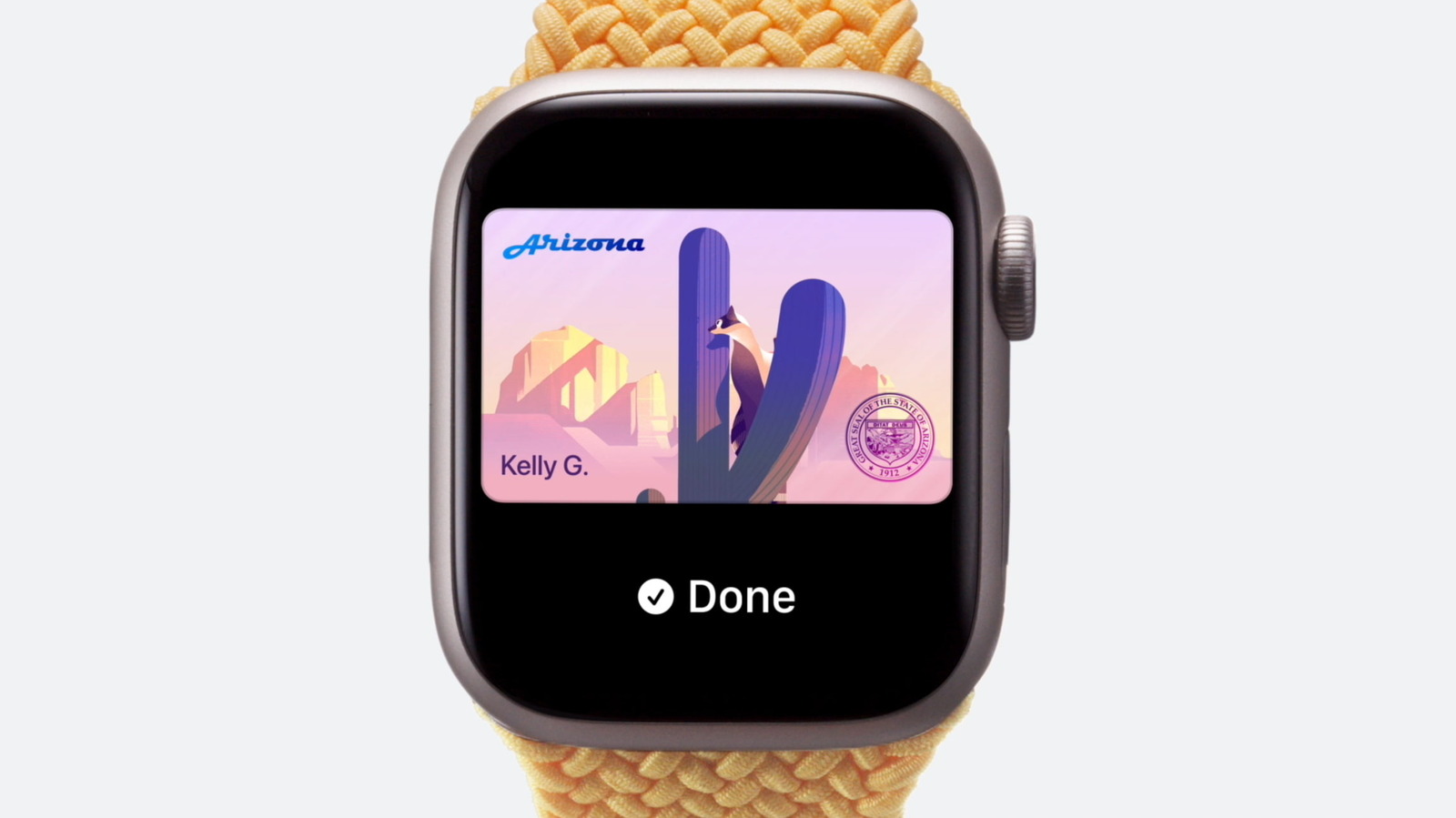
While convenience is a major draw, the security and privacy implications of digital IDs are paramount. Apple has engineered its Wallet ID feature with multiple layers of protection, aiming to make it more secure than a traditional physical card.
- Encryption and Secure Enclave: Your digital driver’s license is encrypted and stored securely within your device’s Secure Enclave, a dedicated, isolated hardware component designed to protect sensitive data. This hardware-level security makes it extremely difficult for malicious software or unauthorized users to access your ID information, even if your phone is compromised.
- Biometric Authentication: Accessing and presenting your digital ID requires authentication via Touch ID or Face ID. This means that if your phone is lost or stolen, your identity cannot be compromised without your unique biometric signature or passcode. In contrast, a lost physical wallet immediately exposes your ID.
- Selective Data Sharing: One of the most significant privacy advantages is the ability to control what information is shared. Before you present your digital ID for someone to scan, you will explicitly see which data points they will have access to. For example, if a bartender scans your digital ID to verify your age, they might only see a confirmation that you are over 21 and a matching photo, without revealing your exact birthdate, address, or driver’s license number. This "minimal data disclosure" principle helps protect against unnecessary oversharing of personal information, a common vulnerability with physical IDs. Your information is only shared after you explicitly authenticate, putting you in control.
- No Tracking by Apple or Issuing Authority: Apple explicitly states that neither the company nor the issuing authority can see where or when you share your digital ID. This decentralized verification process ensures that your movements and interactions are not tracked, upholding user privacy.
This robust security framework addresses many concerns associated with digital identity, aiming to build trust among users, businesses, and law enforcement. The encryption and biometric controls significantly reduce the risk of identity theft and fraudulent use compared to easily copied or physically stolen cards.
The Mechanics of Verification: How Digital IDs Are Used
The utility of a digital driver’s license hinges on its acceptance and the ease of verification. Currently, acceptance points are expanding, particularly at TSA checkpoints and a growing number of businesses.
- TSA Checkpoints: At participating airports, travelers can present their digital ID on their iPhone or Apple Watch at designated security checkpoints. A TSA officer will prompt the traveler to present their device, and a secure reader will scan the digital ID, typically displaying a confirmation on the officer’s screen. The process is designed to be touchless and quick.
- Businesses and Venues: For age verification (e.g., at bars, restaurants, or liquor stores) or identity confirmation (e.g., car rental agencies, banks), businesses need compatible scanning equipment. Many businesses are still adapting, and some may initially require physical IDs due to lack of technology or training. The goal is for businesses to use NFC (Near Field Communication) readers to securely interact with the digital ID, much like they do with Apple Pay. The selective data sharing ensures only relevant information (e.g., "over 21") is transmitted.
- Law Enforcement: Interactions with law enforcement, such as during a traffic stop, present a unique challenge and opportunity. While the technology promises quicker, more secure verification, the practicalities of a police officer scanning a citizen’s phone require careful protocol development, officer training, and legal clarity. The ability to present an ID without handing over a physical document could enhance safety for both parties.
The development of international standards, such as ISO 18013-5 for mobile driving licenses (mDLs), is crucial for ensuring interoperability and broad acceptance. This standard dictates how digital driving licenses should be issued, stored, and verified, providing a common framework that Apple and other digital wallet providers can adhere to. Adherence to such standards is vital for the long-term success and global recognition of digital IDs.
Navigating the Landscape: Challenges and Limitations
Despite the significant advantages, the widespread adoption of digital driver’s licenses in Apple Wallet faces several challenges and limitations:
- Inconsistent Acceptance: The most immediate hurdle is the fragmented acceptance landscape. While some states and the TSA are on board, many businesses, venues, and even law enforcement agencies are not yet equipped or legally mandated to accept digital IDs. This inconsistency can lead to user frustration, as individuals may still need to carry their physical ID as a backup.
- Technological Infrastructure Gap: For businesses to verify digital IDs securely and efficiently, they need NFC readers and updated point-of-sale systems. This requires significant investment and rollout, particularly for smaller businesses.
- Digital Divide: Not everyone owns a smartphone, let alone an iPhone, or has consistent access to cellular data or Wi-Fi. This creates a potential digital divide, where individuals without access to the necessary technology might be disadvantaged.
- Battery Life Dependency: A practical concern is battery life. If a user’s iPhone or Apple Watch runs out of battery, they lose access to their digital ID, which could lead to inconveniences or legal issues if a physical backup isn’t carried.
- Legal and Regulatory Frameworks: Each state must enact specific legislation to recognize digital IDs as legally valid equivalents to physical ones for all purposes. This legislative process can be slow and complex, involving various stakeholders and public discourse.
- Public Trust and Education: Overcoming public skepticism about digital identity, particularly concerning privacy and security, requires robust public education campaigns from both Apple and state DMVs. Users need to understand how their data is protected and how the system works.
Regulatory Framework and Industry Standards
The journey towards ubiquitous digital identity is heavily influenced by regulatory frameworks. In the U.S., the REAL ID Act continues to shape how identity documents are perceived and accepted for federal purposes. Digital IDs must meet or exceed the security standards established by REAL ID.
The international standard ISO 18013-5 is a critical enabler for mobile driving licenses (mDLs). This standard specifies the technical requirements for secure, privacy-preserving digital driver’s licenses that can be verified offline and online. Apple’s implementation largely aligns with this standard, promoting interoperability and a consistent user experience across different issuing authorities and verification points. Adherence to such standards is vital for building a cohesive global ecosystem for digital identity.
Broader Implications: The Future of Identity Verification
The emergence of digital driver’s licenses in Apple Wallet has profound implications for the future of identity verification across various sectors:
- For Law Enforcement: The technology offers the potential for safer, quicker traffic stops by reducing physical interaction and streamlining verification. However, it also necessitates extensive training for officers, clear protocols for device handling, and legal clarity on how digital IDs are to be treated in various scenarios. Privacy advocates suggest that robust safeguards are needed to prevent unauthorized access or data extraction during law enforcement interactions.
- For Businesses and Retail: Digital IDs can streamline age verification for regulated products (alcohol, tobacco, cannabis), reduce wait times, and potentially curb the use of fraudulent IDs. For transactions requiring identity confirmation (e.g., opening a bank account, renting a vehicle), digital IDs offer a secure, verifiable method that reduces administrative burden and enhances customer experience.
- For Travel: Beyond TSA checkpoints, digital IDs could simplify hotel check-ins, car rentals, and international travel (when passport integration becomes more widespread). This could lead to a more seamless and less stressful travel experience.
- The Ecosystem of Digital Wallets: Apple Wallet is not alone in this space. Google Wallet and Samsung Wallet are also developing and rolling out similar digital ID features. This multi-platform approach signals a broader industry shift, fostering competition and innovation while pushing for standardized solutions. The proliferation of digital ID solutions across different operating systems will accelerate public acceptance and necessitate greater interoperability.
Statements and Expert Perspectives
State DMV officials often highlight the enhanced security features and convenience for citizens as primary drivers for adoption. They emphasize the potential for reduced fraud and improved efficiency in government services. For instance, a representative from a participating state’s DMV might state, "Integrating digital IDs into Apple Wallet is a crucial step towards modernizing our services, offering our residents a secure and convenient way to prove their identity while upholding the highest standards of privacy."
Apple representatives have consistently underscored the company’s commitment to user privacy and data security as foundational to its digital ID initiatives. They might reiterate that "privacy is built into the core design of our digital ID feature, ensuring users have control over their personal information and that their data is protected by industry-leading encryption and biometric security."
Privacy advocates, while acknowledging the security benefits of digital IDs compared to physical ones, often urge caution regarding potential for increased surveillance or data aggregation. They emphasize the need for robust legal protections and transparent policies regarding data retention and sharing. "While the technology offers promising security features, it is imperative that robust legislative frameworks are in place to prevent the misuse of digital identity and to safeguard individual civil liberties," an expert from a digital rights organization might comment.
Industry experts predict a gradual but inevitable shift towards digital identity, driven by technological advancements and consumer demand for seamless interactions. They foresee a future where physical IDs become increasingly redundant for most daily interactions, reserved perhaps only for specific edge cases or as a fallback. "The move to digital IDs is not a question of ‘if,’ but ‘when’ and ‘how smoothly’," an analyst specializing in identity technology might observe, "The challenge now is to harmonize state laws, ensure universal acceptance, and educate the public on the benefits and safeguards."
Conclusion
The integration of digital driver’s licenses into Apple Wallet represents a significant leap forward in the evolution of personal identification. It offers a compelling vision of a future where convenience, security, and privacy converge to redefine how individuals interact with the world around them. While challenges remain in achieving universal acceptance and navigating complex regulatory landscapes, the momentum is undeniable. As more states adopt the technology and as businesses and institutions upgrade their verification capabilities, the digital driver’s license is poised to become an indispensable tool, gradually ushering in an era where the traditional wallet may increasingly gather dust, replaced by the power of the smartphone in your pocket. The journey is ongoing, but the path towards a fully digital identity is clear, promising a more efficient, secure, and user-centric future.