
 Vera Intan Clara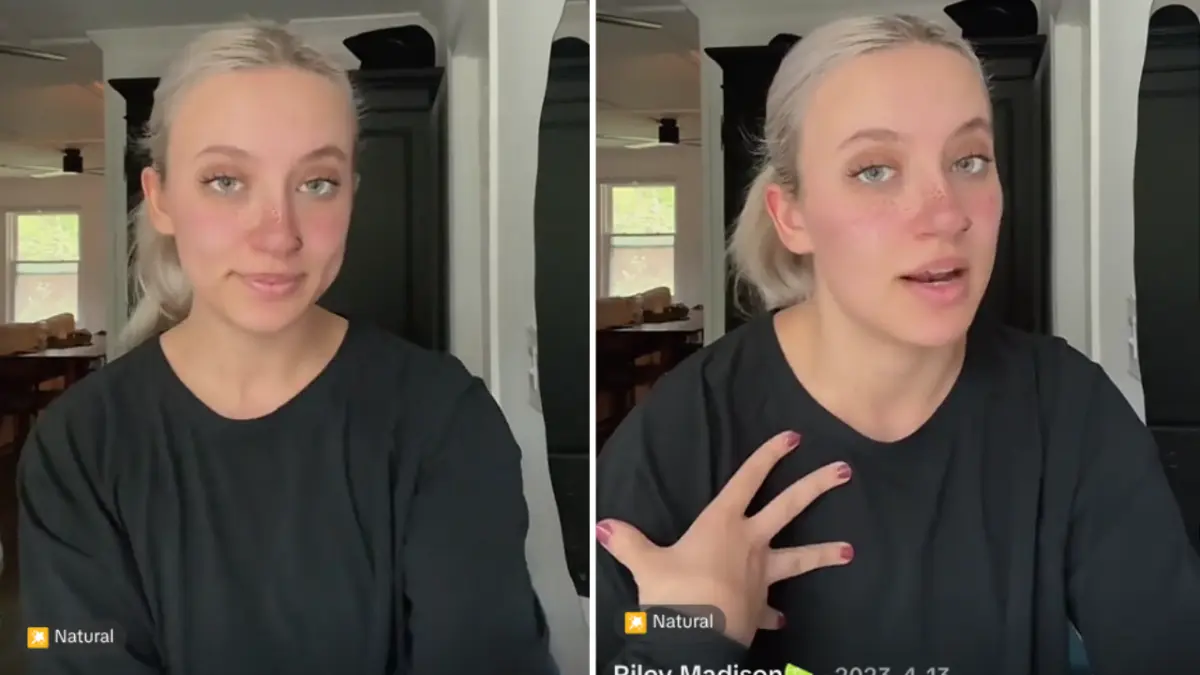
A TikTok content creator, known by her handle @rileymadison00, has garnered significant global attention after sharing a deeply personal account of her marriage, detailing a series of behaviors by her ex-husband that she now recognizes as manipulative, controlling, and rooted in profound insecurity. Her candid video, which amassed nearly 11 million views and over 15,000 comments, has become a focal point in a broader digital conversation surrounding the often-subtle and insidious nature of narcissistic abuse and gaslighting within relationships. Riley Madison, as she is known, highlighted that these actions, which she now unequivocally identifies as harmful, were perceived as normal or acceptable during the course of her marriage, a realization that only dawned on her following their separation.
A Pattern of Control and Manipulation: Detailing the Incidents
The creator’s narrative unfolded as a chronological exposé of incidents, each more unsettling than the last, painting a vivid picture of a relationship characterized by emotional subjugation and a deliberate erosion of her autonomy.
-
Initial Markers: Early Signs of Disregard and Control
One of the earliest and most striking examples Riley shared involved an incident during the installation of internet services. She recounted how her then-husband compelled her to remain on a FaceTime call with him throughout the entire duration of the technician’s visit. The stated purpose of this mandate was to provide him with "proof" that she would not engage in any intimate contact with the worker. Despite her compliance, Riley stated that the proof offered by the continuous video call proved insufficient to quell his suspicions. She explained that he subsequently accused her of infidelity, arguing that such an act could have transpired either before the FaceTime call commenced or immediately after it concluded, thereby rendering her efforts to placate him futile and demonstrating an inherent lack of trust that bordered on paranoia.Another early red flag, according to Riley, occurred just two months into their marriage. On her birthday, her ex-husband reportedly refused to acknowledge the occasion for the entire day, only offering a perfunctory "happy birthday" wish moments before she drifted off to sleep. This deliberate withholding of affection and recognition, particularly on a significant personal day, served as an early indicator of emotional manipulation and a disregard for her feelings, a pattern that would later intensify.
-
Financial Coercion and Blame
The narrative then shifted to the realm of financial control, a common tactic in abusive relationships. Riley detailed how her ex-husband initially persuaded her to become a stay-at-home wife, actively discouraging her from pursuing employment. This seemingly supportive gesture, however, quickly morphed into a tool of control. She recounted that whenever the couple faced financial difficulties, he would then blame her for not working and accuse her of "using him." This insidious form of manipulation, where she was held responsible for following his own directives, left her in a precarious position, both financially dependent and emotionally scapegoated. The depth of their financial struggles was further underscored by an incident where her parents were compelled to purchase groceries for them, an act that reportedly incensed her ex-husband, despite their dire circumstances. This reaction highlighted his inability to accept external assistance, coupled with a deep-seated shame or entitlement that he projected onto her. -
Emotional Neglect and Devaluation
Riley’s account also detailed profound emotional neglect. She described her ex-husband’s consistent preference for spending time with his family and friends, often neglecting her in the process. He would frequently only return home for dinner once or twice a week, leaving her isolated and feeling undervalued. This systematic deprivation of companionship and emotional support is a hallmark of abusive relationships, designed to diminish the victim’s self-worth and increase their dependency.The emotional devaluation was further exemplified by a Christmas gift she received. Instead of a thoughtful present, he reportedly handed her his debit card, instructing her to purchase "something nice" for herself with the paltry $50 that remained on it. This gesture, devoid of personal effort or genuine consideration, starkly contrasted with societal expectations of gift-giving within a marital relationship. At the time, Riley admitted, she failed to perceive the inherent disrespect in this act, illustrating the insidious nature of emotional conditioning within such dynamics.
Even mundane household tasks became arenas for his control and criticism. Riley recounted how he would meticulously criticize her method of folding his clothes, asserting she was doing it "wrong." She noted the irony in this, as he never once took the initiative to wash or fold laundry himself, questioning the basis of his purported expertise and highlighting a pervasive need to control even the most trivial aspects of her life.
-
Escalating Abuse: Paternity Doubts and Polygamy Demands
The severity of the abuse escalated significantly as their marriage progressed. Approximately a year into their union, while Riley was pregnant, her ex-husband reportedly informed her of his desire to have multiple wives. When she reacted with understandable distress and anger to this declaration, he allegedly became enraged by her emotional response. This incident not only demonstrated a profound lack of empathy but also a disregard for her emotional well-being and the sanctity of their marital vows, particularly during a vulnerable period of pregnancy.The birth of their son brought a new, deeply damaging form of abuse: the questioning of paternity. Riley stated that her ex-husband expressed disbelief that he was the father of their child. When she suggested a paternity test to alleviate his doubts, he refused. Instead, he shockingly accused her of having an affair with his brother and then claimed that a DNA test would yield results so similar between him and his brother that it could falsely indicate he was the father, even if his brother were the biological parent. This convoluted and baseless accusation served to further isolate Riley, cast doubt on her character, and sow discord within their family, embodying a classic tactic of narcissistic deflection and gaslighting.
-
Domestic Neglect and Weaponized Helplessness
The final series of incidents Riley detailed highlighted a pattern of domestic neglect and a weaponization of helplessness. She described persistent household issues, including the failure of electricity in two rooms (including the bathroom) and a broken washing machine. For over nine months, she repeatedly implored her ex-husband to address these problems. His response, however, was a dismissive lecture about how "people decades ago didn’t have these luxuries" and that she "should be grateful to experience them." This response not only trivialized her legitimate concerns but also served as a form of emotional abuse, denying her basic needs and gaslighting her into believing her expectations were unreasonable. Ultimately, she confirmed, he never fixed the washing machine, leaving her to contend with the practical consequences of his inaction.
Understanding Narcissistic Abuse: A Psychological Framework
Riley’s viral account resonates deeply with countless individuals who have experienced similar patterns of behavior, shedding light on the complex dynamics of narcissistic abuse. Mental health professionals and researchers define narcissistic abuse not as an isolated incident, but as a pervasive pattern of emotional, psychological, and sometimes physical or financial harm inflicted by an individual with narcissistic traits or Narcissistic Personality Disorder (NPD).
-
Defining Narcissistic Personality Disorder (NPD) Behaviors
Narcissistic Personality Disorder is a mental health condition characterized by a pervasive pattern of grandiosity, a constant need for admiration, and a profound lack of empathy for others. Individuals exhibiting strong narcissistic traits often display an inflated sense of self-importance, a preoccupation with fantasies of unlimited success, power, brilliance, beauty, or ideal love, and a belief that they are "special" and unique. They often exploit others, lack empathy, are envious of others or believe others are envious of them, and behave in arrogant or haughty ways. While a formal diagnosis of NPD can only be made by a qualified mental health professional, the behaviors Riley described—such as extreme jealousy, controlling tendencies, gaslighting, devaluation, and a sense of entitlement—are consistent with the behavioral patterns associated with narcissistic abuse. It is estimated that NPD affects between 0.5% and 5% of the general population, with a higher prevalence among men. -
The Insidious Nature of Gaslighting
A prominent theme in Riley’s narrative is gaslighting, a form of psychological manipulation where a person makes the victim question their own memory, perception, or sanity. This tactic is evident in the ex-husband’s accusations regarding the Wi-Fi technician, his refusal to acknowledge her birthday, and his dismissive attitude towards household repairs. Gaslighting works insidiously, chipping away at a victim’s self-trust and perception of reality, making them more susceptible to the abuser’s control. Over time, victims may begin to doubt their own experiences, memories, and even their sanity, leading to profound confusion, anxiety, and a sense of helplessness. As one commenter on Riley’s video articulated, "No one realizes how gaslighting truly makes you disassociate," highlighting the profound psychological toll it takes. -
The Cycle of Abuse and Trauma Bonding
The gradual nature of the abuse Riley described, where she initially perceived harmful behaviors as normal, is a common characteristic of abusive relationships. Abusers often employ a cycle of abuse that includes periods of tension building, acute abuse, and then a "honeymoon phase" of apologies, promises, and seemingly loving gestures. This cycle, coupled with the victim’s emotional investment and often-unmet needs for validation, can lead to "trauma bonding"—a strong emotional attachment to an abuser, developed through a cycle of abuse and intermittent reinforcement. This bond makes it incredibly difficult for victims to recognize the abuse, let alone leave the relationship. As another commenter wisely observed, "It’s literally so crazy how you think, ‘How could she tolerate that’ until it happens so slowly that you don’t notice and then one day you’re just in." This sentiment perfectly encapsulates the insidious progression of psychological abuse.
The Power of Digital Platforms: TikTok as a Catalyst for Awareness
Riley’s decision to share her story on TikTok underscores the platform’s burgeoning role as a space for personal storytelling, mental health advocacy, and community building.
-
Community and Validation for Survivors
TikTok, with its short-form video format and highly engaged user base, has become an unexpected but powerful medium for individuals to share their experiences with complex emotional and psychological issues. For survivors of narcissistic abuse, platforms like TikTok offer a unique opportunity for validation. Witnessing others articulate similar experiences can be profoundly healing, breaking down feelings of isolation and shame. The thousands of comments on Riley’s video, many expressing disbelief, empathy, or shared experiences, attest to this phenomenon. These digital communities provide a vital network of support, helping individuals recognize that they are not alone and that their experiences are valid. This collective recognition can be a crucial step towards healing and seeking professional help. -
Challenges and Ethical Considerations of Online Disclosure
While the benefits of online sharing for awareness and validation are significant, such disclosures also present challenges. The unverified nature of personal accounts shared on social media means that narratives, while emotionally impactful, cannot always be independently corroborated. This raises questions about journalistic verification, as noted by The Daily Dot in its original reporting, stating that it "was unable to independently verify the events described in the video, which are based solely on @rileymadison00’s account shared on TikTok." Additionally, sharing highly personal and sensitive information in a public forum can expose individuals to online scrutiny, victim-blaming, and potential re-traumatization, necessitating careful consideration of privacy and personal safety.
Reactions and Broader Implications: A Call for Recognition and Support
The overwhelming response to Riley’s video highlights a growing societal awareness of psychological abuse, particularly narcissistic abuse and gaslighting, which were once less understood or openly discussed than physical forms of domestic violence.
Many commenters expressed profound shock and disbelief that someone could endure such behaviors, reflecting a common initial reaction to extreme forms of psychological manipulation. However, a significant portion of the comments also came from individuals who recognized aspects of their own experiences, underscoring the prevalence of these dynamics in relationships. The shared washing machine experience, for instance, where a commenter recounted similar domestic neglect and criticism, further illustrates the universality of certain abusive patterns. This collective recognition on a public platform serves as a powerful testament to the often-invisible wounds inflicted by psychological abuse and the urgent need for greater understanding and intervention.
Seeking Help and Resources
For individuals who identify with Riley’s story or suspect they might be in an abusive relationship, it is crucial to seek professional help. Resources such as therapists specializing in trauma and abuse, domestic violence hotlines, and support groups can provide invaluable guidance and support. Recognizing the signs of abuse is the first step towards breaking free from its cycle and embarking on a path toward healing and recovery. Organizations like the National Domestic Violence Hotline (TheHotline.org) offer confidential support and resources for those experiencing any form of domestic abuse.
Conclusion: The Enduring Impact of Shared Narratives
Riley Madison’s viral TikTok video transcends a mere personal anecdote; it serves as a powerful educational tool and a catalyst for broader societal discourse. By bravely sharing her deeply personal struggles, she has not only validated the experiences of countless survivors but has also significantly contributed to the ongoing effort to demystify and destigmatize discussions around narcissistic abuse and gaslighting. Her narrative underscores the critical importance of recognizing these insidious forms of manipulation, fostering empathy for victims, and equipping individuals with the knowledge to identify and escape such toxic dynamics, ultimately paving the way for healthier relationships and more informed communities. The enduring impact of her story lies in its capacity to transform private pain into public awareness, encouraging a collective reckoning with the hidden realities of psychological control.








