Metty Iskandar
Android 17 Beta 3 is poised to address one of the most persistent and frustrating limitations within the Android ecosystem: the restricted access of third-party applications to the advanced camera capabilities of modern smartphones. This significant update introduces support for "vendor-defined camera extensions," a move that will empower device manufacturers to unlock proprietary camera features and make them accessible to a wider range of applications beyond the default camera app. This development promises to democratize advanced photography tools and enhance the creative potential for Android users worldwide.
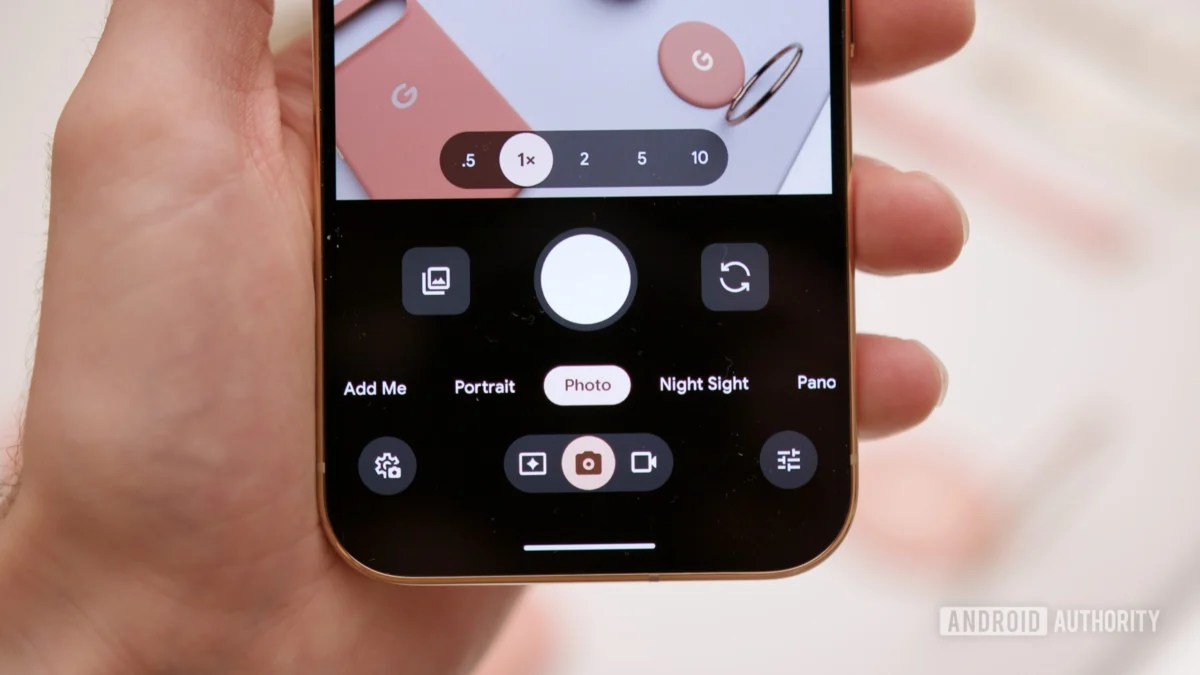
The evolution of smartphone photography has been nothing short of remarkable. Contemporary devices boast sophisticated multi-lens systems, powerful image processing chips, and innovative computational photography techniques that were once the exclusive domain of professional DSLR cameras. Features such as enhanced night modes, advanced image stabilization, rapid autofocus, and even AI-powered scene recognition are now commonplace. However, a persistent bottleneck has been the inability of third-party camera apps – from social media platforms to specialized photography tools – to fully leverage these cutting-edge hardware capabilities. Until now, these advanced functionalities have largely remained siloed within the native camera applications developed by each smartphone manufacturer.
A Legacy of Limitations: The Android Camera Extension Landscape
Android has, for some time, offered a framework for camera extensions, aiming to provide a baseline level of access for third-party apps to essential features like High Dynamic Range (HDR) processing and night mode. This initiative was a crucial step towards ensuring a more consistent and capable camera experience across diverse Android devices. However, the rapid pace of innovation in smartphone camera hardware has outstripped the capabilities of these standardized extensions. As manufacturers began to develop increasingly sophisticated and proprietary technologies, the existing extension framework proved insufficient to expose these unique advancements.
This disparity has meant that while a flagship Android phone might possess groundbreaking features like "Super Resolution" – a technique that combines multiple frames to produce images with exceptional detail – or advanced AI algorithms for real-time image enhancement, these capabilities were often inaccessible to popular applications like Instagram, TikTok, or even third-party camera replacements that users might prefer for their unique interfaces or advanced manual controls. The result has been a fragmented experience where the full potential of a device’s camera hardware could only be realized through a single, manufacturer-controlled application.
Android 17’s Game-Changing Introduction: Vendor-Defined Camera Extensions
The introduction of support for "vendor-defined camera extensions" in Android 17 Beta 3 marks a pivotal shift. This new functionality directly addresses the aforementioned limitations by providing a standardized mechanism for hardware partners – essentially, the smartphone manufacturers – to expose their advanced, and often proprietary, camera features to Android applications.
Google’s official statement regarding this enhancement, as noted in recent developer discussions, clarifies the intent: "Android 17 adds support for Vendor-defined camera extensions, allowing hardware partners to provide Android apps access to camera features like ‘Super Resolution’ or cutting-edge AI-driven enhancements." This is not merely an incremental update; it represents a fundamental re-architecting of how third-party apps can interact with camera hardware.
The implications are far-reaching. Imagine a user capturing a breathtaking low-light cityscape. Previously, the best results would likely come from the phone’s native camera app, which leverages sophisticated algorithms to produce a clean and detailed night shot. With vendor-defined extensions, this same level of quality could potentially be achieved within a third-party app, perhaps one offering a more intuitive interface for social media sharing or advanced editing tools that can then directly benefit from the phone’s optimized night processing.
Similarly, features like advanced optical zoom stabilization, real-time object recognition for enhanced focus, or even unique artistic filters powered by on-device AI could become available to a broader developer community. This fosters a more dynamic and competitive landscape, encouraging innovation not only from Google but also from the myriad of app developers building the applications that millions of users interact with daily.
A Collaborative Ecosystem: The Path to Implementation
It is crucial to understand that the implementation of vendor-defined camera extensions is a collaborative effort. While Android 17 provides the foundational support, the onus is on both hardware manufacturers and app developers to capitalize on this new capability.
For Smartphone Manufacturers: Device makers will need to actively develop and integrate these extensions into their device software. This involves identifying their unique camera features that can be exposed and then building the necessary APIs (Application Programming Interfaces) to allow other applications to access them. This process requires significant engineering effort and a strategic decision to open up their proprietary technologies. Early adopters are likely to be those manufacturers who are keen to differentiate themselves by offering a more versatile camera experience across their entire software ecosystem.
For App Developers: Once manufacturers provide access to these extensions, it is up to app developers to recognize and implement support for them within their applications. This means that developers will need to update their camera functionalities to query for and utilize these vendor-defined extensions. The adoption rate among developers will depend on the perceived value and ease of integration of these new features. Developers who are quick to leverage these extensions could gain a competitive advantage by offering enhanced camera capabilities that their rivals lack.
This dual responsibility ensures that the adoption of vendor-defined extensions will be a gradual process. However, the clear benefit to end-users – a more powerful and versatile camera experience across a wider array of applications – provides a strong incentive for both parties to engage with this new framework.
Broader Impact and Future Implications
The introduction of vendor-defined camera extensions in Android 17 has the potential to reshape the mobile photography landscape in several key ways:
- Enhanced User Experience: Users will no longer be confined to a single camera app to access their device’s full photographic potential. This provides greater flexibility and choice, allowing users to select applications that best suit their workflow and creative preferences.
- Innovation in Photography Apps: With access to advanced hardware features, developers can create more sophisticated and innovative photography applications. This could lead to new forms of mobile photography, advanced editing tools, and more intelligent camera experiences.
- Competitive Differentiation for Manufacturers: Manufacturers who actively support and promote these extensions will be able to differentiate their devices by offering a more open and capable camera ecosystem. This can be a significant selling point in a highly competitive market.
- Democratization of Advanced Photography: Features that were once exclusive to native apps, and thus often hidden or difficult to access, will become more widely available. This can empower amateur photographers and content creators to achieve more professional-looking results.
- Potential for Improved AI Integration: The ability for third-party apps to access cutting-edge AI-driven enhancements could lead to more intelligent and context-aware photography experiences. This could include features like advanced subject tracking, real-time scene optimization, and more sophisticated computational photography effects.
A Look Ahead: What to Expect
While Android 17 Beta 3 has laid the groundwork, the full realization of vendor-defined camera extensions will unfold over time. We can anticipate a staggered rollout of support from various manufacturers and a gradual adoption by app developers. Early indications suggest that this feature is a high priority for Google, reflecting a commitment to addressing long-standing user pain points and fostering a more robust Android ecosystem.
The success of this initiative will ultimately be measured by the extent to which it empowers both developers and users. As more manufacturers embrace this open approach and developers integrate these advanced capabilities, the Android camera experience will undoubtedly evolve, offering users unprecedented creative freedom and access to the cutting edge of mobile photography technology. This move by Google signifies a mature understanding of the platform’s ecosystem, acknowledging that true innovation often flourishes when barriers are lowered and a wider community is empowered to build upon a shared foundation. The era of truly open and advanced smartphone photography on Android may have just begun.