Metty Iskandar
The development of Android 17 has reached a significant milestone with the recent rollout of Beta 3, marking its transition into the platform stability phase. This crucial stage indicates that the majority of features introduced in this latest build are slated for inclusion in the final, stable release of Android 17. Among the noteworthy enhancements are expanded support for "Bubbles" (floating windows for conversations), a refined volume interface, more robust VPN controls, and a particularly impactful suite of new accessibility options aimed at users with hearing impairments.
Google’s commitment to inclusivity in its operating system is further underscored by the integration of advanced Bluetooth hearing aid management tools. Previously observed in the more experimental Android Canary channel, these features now make their debut on the beta track, providing tangible benefits to a segment of the user base that relies heavily on assistive technologies. The introduction of these settings within the mainstream beta channel signals Google’s intent to prioritize and solidify these accessibility advancements before the official launch of Android 17.
Advancements in Hearing Aid Integration
The latest beta update introduces significant improvements within the "Hearing devices" section of Android’s Accessibility settings. This area has been augmented with two new toggles designed to offer users greater control and a more comfortable auditory experience. The first toggle provides a crucial function for individuals with hearing disabilities: the ability to prevent disruptive notification alerts from sounding directly within their connected hearing aids. This feature aims to reduce auditory overload and enhance focus by allowing users to filter out non-essential sounds that might otherwise be amplified.
Complementing this, the second toggle addresses another common user concern by preventing the potentially jarring experience of ringtones and alarms blaring at excessively high volumes when hearing aids are active. This addresses a critical safety and comfort aspect, as sudden loud noises can not only be startling but also potentially damaging, especially for individuals with sensitive hearing. By offering granular control over these system sounds, Google is empowering users to customize their device’s audio output to better suit their individual needs and preferences.
Addressing Unwanted Auditory Interruptions
According to Google’s own rationale, these new features are specifically designed to mitigate "unwanted interruptions" from being transmitted directly into the user’s hearing aids. The impact of sudden, loud sounds can be particularly pronounced and even harmful for individuals with impaired hearing. By providing users with the ability to selectively mute or control the volume of these alerts and system sounds, Android 17 is taking a proactive step towards preventing further auditory strain and potential damage.
It is important to note that these enhancements extend beyond standard Bluetooth hearing aids. The new controls are also applicable to other sophisticated assistive devices, including cochlear implants and a range of medical aids designed to augment a user’s hearing capacity. This broad compatibility underscores Google’s holistic approach to accessibility, recognizing the diverse needs of individuals with varying degrees of hearing loss and reliance on assistive technologies.
Chronology of Accessibility Feature Development
The journey of these advanced hearing aid controls within Android 17’s development cycle provides a clear picture of Google’s iterative approach to feature integration. The initial groundwork for these capabilities was observed in the Android Canary channel, a bleeding-edge development branch that allows for early testing and feedback on nascent features. During this phase, typically several months before broader beta releases, developers began integrating settings that allowed for more granular management of Bluetooth hearing aid audio output and noise filtering.
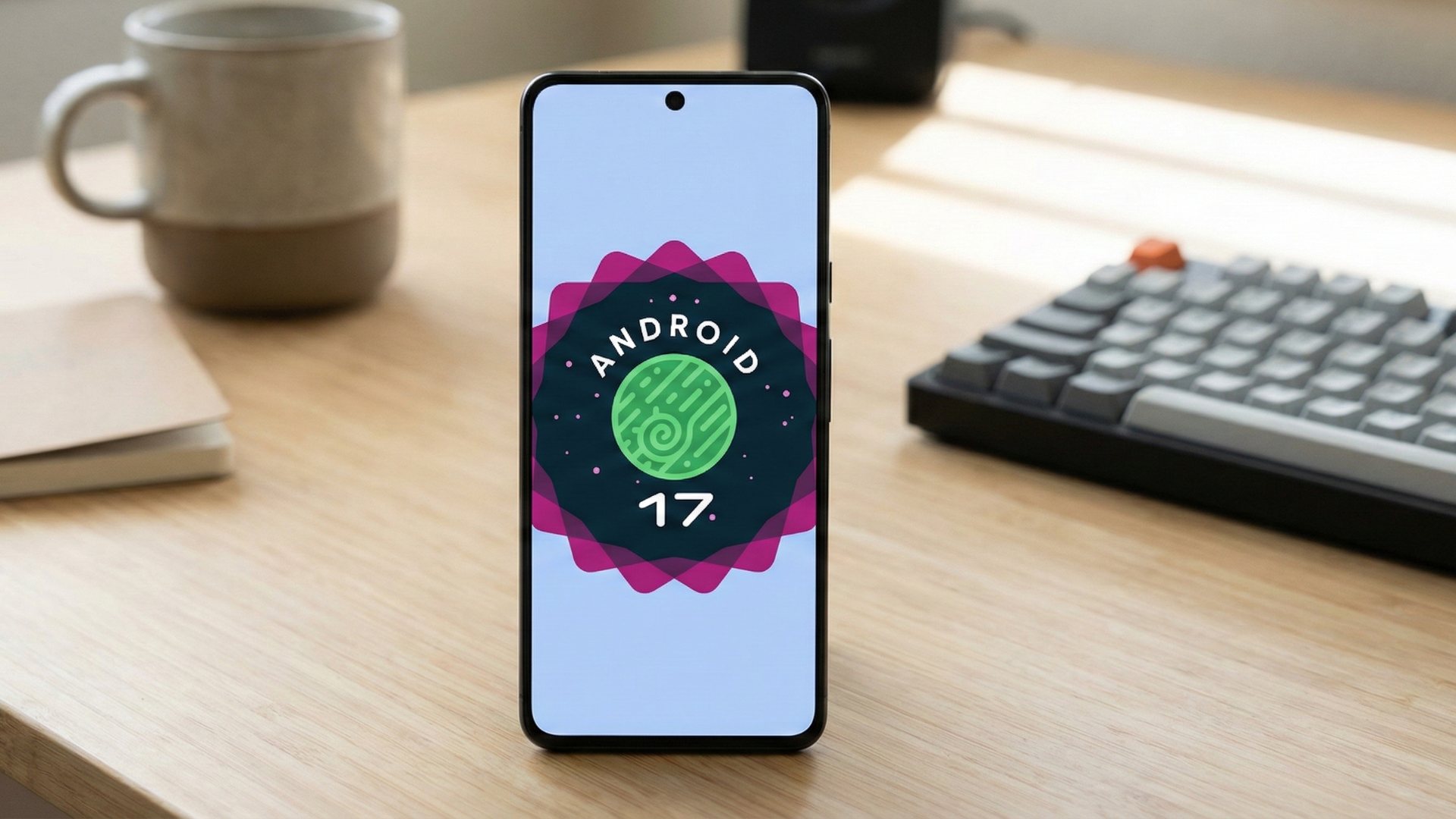
The subsequent move to the beta channel with Android 17 Beta 3 signifies a critical step in the feature maturation process. Beta releases are designed for a wider audience of testers who provide feedback on stability, usability, and bug identification. By bringing these hearing aid features to Beta 3, Google is signaling confidence in their functionality and stability, and is actively seeking broader user input before finalizing them for the stable release. This timeline suggests that these accessibility enhancements have undergone rigorous internal testing and are now ready for real-world validation by a larger, more diverse group of users. The presence of these features in Beta 3 strongly indicates their readiness for inclusion in the final Android 17 release, potentially by late 2025 or early 2026, aligning with typical Android release cycles.
Broader Context: Android’s Evolving Accessibility Landscape
The introduction of these advanced hearing aid controls is not an isolated event but rather a continuation of Android’s ongoing commitment to enhancing accessibility. Over the years, Google has consistently expanded the platform’s capabilities to cater to users with a wide range of disabilities. This includes features like Live Caption, which provides real-time captions for any audio playing on the device, TalkBack for screen reading, Sound Amplifier for boosting and tuning audio, and enhanced color correction options for visual impairments.
The focus on hearing-related accessibility is particularly significant given the growing prevalence of hearing loss worldwide. According to the World Health Organization (WHO), over 5% of the world’s population, or approximately 430 million people, have disabling hearing loss. This number is projected to increase to over 700 million by 2050. As the global population ages and exposure to loud noises remains a concern, the demand for effective assistive technologies, including advanced hearing aids and their integration with mobile devices, is set to rise. Android’s proactive development in this area positions it as a leading platform for users seeking seamless and integrated accessibility solutions.
Supporting Data and Technological Underpinnings
The functionality of these new hearing aid controls relies on the widespread adoption of the Bluetooth Low Energy (BLE) standard and the ASHA (Audio Streaming for Hearing Aids) protocol. ASHA, developed in collaboration with the hearing aid industry, is designed to enable direct audio streaming from Android devices to compatible hearing aids, significantly reducing latency and improving audio quality. This protocol is crucial for features like direct call audio, media playback, and, importantly, the management of system notifications and alarms.
The effectiveness of the new toggles is further enhanced by the sophisticated audio processing capabilities within modern smartphones. These processors can analyze incoming audio streams in real-time, allowing the system to differentiate between notification sounds, ringtones, alarms, and other audio content. This differentiation is key to enabling the selective muting or volume adjustment offered by the new Android 17 features. The development also likely leverages advancements in machine learning for improved sound recognition and filtering, further refining the user experience.
Analysis of Implications and Future Outlook
The integration of these advanced hearing aid controls into Android 17 has several significant implications. Firstly, it reinforces Android’s position as a highly customizable and user-centric mobile operating system, capable of adapting to the diverse needs of its user base. For individuals with hearing impairments, these features represent a substantial improvement in their daily interaction with their smartphones, offering greater comfort, control, and safety.
Secondly, this development is likely to encourage further innovation within the hearing aid industry. As manufacturers see robust platform support for their devices within major operating systems like Android, they may be motivated to develop even more sophisticated and integrated assistive technologies. This could lead to a virtuous cycle of innovation, where advancements in hardware and software mutually benefit users.
Looking ahead, it is reasonable to anticipate continued refinements in Android’s accessibility features. As artificial intelligence and machine learning technologies mature, we may see even more intelligent audio management capabilities, such as personalized sound profiles that adapt to different environments or more nuanced filtering of background noise. The trend towards greater personalization and user control in operating systems suggests that accessibility will remain a key area of focus for Google in future Android releases. The inclusion of these sophisticated hearing aid controls in Android 17 Beta 3 is a clear indicator of this forward-looking strategy.