Vera Intan Clara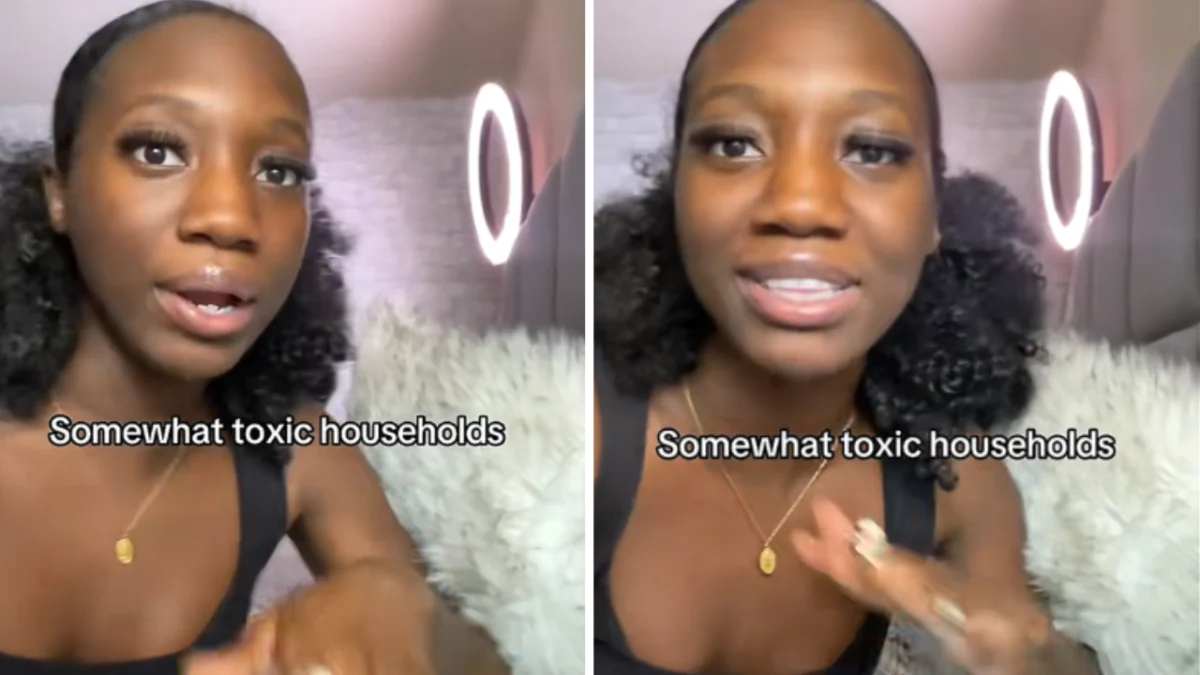
A recent viral phenomenon on TikTok has shed light on a pervasive yet often overlooked dimension of familial relationships, sparking a critical conversation about what one user describes as "somewhat toxic" households. The concept, introduced by TikTok user @smoothoperator3k in a video that garnered significant traction with over 89,600 likes and 1,147 comments, outlines environments where overt abuse may be absent, but a consistent pattern of detrimental behaviors nonetheless takes a substantial psychological toll. This discussion extends beyond the conventionally understood definitions of toxic or abusive homes, delving into the nuanced, intermittent nature of negative interactions that leave individuals in a perpetual state of uncertainty and emotional distress.
The Genesis of a Viral Concept
The video, which quickly resonated with a broad audience, articulated a reality many had experienced but struggled to define. @smoothoperator3k explained that residents of "somewhat toxic" households do not necessarily confront problematic behavior daily. Instead, it manifests with a troubling regularity—perhaps "every other week"—creating an unpredictable atmosphere where periods of normalcy or even affection are interspersed with episodes of emotional manipulation, control, or neglect. This inconsistency, she posited, is precisely what makes these environments particularly challenging to navigate and articulate, often leading individuals to question the validity of their own feelings and experiences.
One primary example cited by @smoothoperator3k involved adult children living with their parents, contributing financially to household bills, yet simultaneously subjected to parental control over their finances or limitations on their ability to save money to achieve independence. While acknowledging that such situations might not appear as severe as other forms of abuse, she argued that financial control, coupled with the expectation of supporting the family, can severely impede personal growth and create profound dependency. This dynamic is a subtle form of control that can erode an individual’s self-efficacy and sense of autonomy, trapping them in a cycle that is difficult to break without appearing ungrateful or confrontational.
Another crucial aspect of the "somewhat toxic" household, as described, is the profound emotional inconsistency. This manifests as an oscillating pattern where moments of genuine love, care, and support are abruptly followed by periods of indifference, criticism, or emotional withdrawal. This back-and-forth creates an unstable emotional landscape, making it nearly impossible for individuals to understand where they truly stand with their family members. The absence of a clear, consistent emotional baseline prevents the development of secure attachment and fosters an environment of anxiety and self-doubt. The TikToker highlighted that while the environment may not consistently feel toxic, the recurring negative behaviors leave an indelible mark on the psychological well-being of those living within it.
Background and Evolving Understanding of Family Dynamics
The emergence of this concept on TikTok is part of a broader societal shift towards a more nuanced understanding of mental health and family dynamics. For decades, discussions around family dysfunction often focused on overt forms of abuse—physical, sexual, or severe emotional cruelty. However, modern psychology and public discourse, amplified by social media platforms, have increasingly recognized the insidious nature of subtle, pervasive, and intermittent toxic behaviors. These behaviors, while not always meeting legal definitions of abuse, can be equally damaging to an individual’s long-term mental health and personal development.
The digital age has provided an unprecedented platform for individuals to share personal experiences and find collective validation for struggles that were once confined to private suffering. Historically, societal norms often dictated a culture of silence around family issues, particularly the notion of "respecting elders" or maintaining a façade of familial harmony. This often left individuals feeling isolated and invalidated if their family experiences deviated from idealized portrayals. TikTok, with its short-form video format and highly interactive comment sections, has become an unlikely, yet powerful, catalyst for destigmatizing conversations around complex family relationships. This trend aligns with a growing body of psychological research that emphasizes the impact of relational trauma and chronic stress stemming from inconsistent or emotionally unsupportive environments.
Chronology of Recognition: From Clinical Definitions to Viral Discourse
The concept of subtle toxicity in family systems is not entirely new to clinical psychology. Terms such as "emotional invalidation," "covert narcissism," "enmeshment," and "intermittent reinforcement" have long been part of therapeutic lexicons.
- Mid-20th Century: Early family therapy models began to explore dysfunctional communication patterns and system dynamics, moving beyond individual pathology to understand family as a whole.
- Late 20th Century: Increased focus on child development and attachment theory highlighted the critical role of consistent, responsive caregiving for healthy emotional development. Concepts like "ambivalent attachment" directly relate to the emotional inconsistency described in "somewhat toxic" households.
- Early 21st Century: The rise of online communities and mental health advocacy started to democratize psychological concepts, making terms like "gaslighting" and "toxic relationships" more widely understood.
- 2010s-Present: Social media platforms, particularly TikTok, have accelerated this process, allowing complex psychological concepts to be distilled into relatable anecdotes and shared globally. The virality of @smoothoperator3k’s video in [insert relevant year if known, otherwise leave as "recently"] signifies a critical moment where academic and clinical understanding has permeated mainstream public consciousness, allowing countless individuals to identify and articulate their experiences. This chronological progression underscores a societal maturation in how we perceive and discuss mental well-being within familial structures.
Supporting Data and Psychological Implications
The experiences described by @smoothoperator3k and her commenters are deeply rooted in established psychological principles.
- Intermittent Reinforcement: This psychological phenomenon, where positive reinforcement (love, care) is delivered inconsistently, is known to create strong, hard-to-break behavioral patterns. In the context of relationships, it can foster hope and dependency, making it incredibly difficult for individuals to disengage from even harmful dynamics. The brain becomes accustomed to seeking out the positive moments, often overlooking or rationalizing the negative ones, akin to a gambler addicted to the occasional win.
- Emotional Invalidation: When an individual’s feelings or experiences are consistently dismissed, minimized, or denied, it leads to emotional invalidation. This can erode self-trust, create self-doubt, and make it difficult for individuals to identify and express their own emotional needs, fostering a sense of being "confused your whole life," as one commenter eloquently put it. Studies on emotional invalidation show links to increased anxiety, depression, and difficulties in emotional regulation.
- Financial Control: Research indicates that financial abuse is a pervasive issue, often intertwined with broader patterns of domestic control. While often associated with intimate partner violence, it also occurs within family units, particularly with adult children. A 2015 study by the Allstate Foundation found that 99% of domestic violence cases involve financial abuse. While the context here is familial rather than marital, the underlying dynamics of power and control through financial means remain similar, leading to diminished self-sufficiency and increased vulnerability. The Pew Research Center reported in 2020 that 52% of young adults aged 18-29 live with their parents, a figure that has fluctuated with economic conditions. This demographic is particularly susceptible to the forms of financial control described, given their often precarious economic standing.
- Complex Trauma (C-PTSD): Unlike Post-Traumatic Stress Disorder (PTSD), which typically results from a single traumatic event, Complex PTSD can arise from prolonged, repeated exposure to interpersonal trauma, especially within family relationships where escape is difficult. The inconsistent nature of "somewhat toxic" households, characterized by repeated emotional highs and lows, unpredictability, and a pervasive sense of powerlessness, can contribute to the development of C-PTSD symptoms, including difficulties with emotional regulation, identity disturbance, relationship problems, and a distorted self-perception.
The sentiment "it could be worse," often used by those experiencing "somewhat toxic" dynamics, is a common psychological defense mechanism. It serves to minimize their suffering, prevent them from seeking help, and often stems from a lifetime of having their feelings invalidated. This internal narrative further isolates individuals and prolongs their exposure to damaging environments.
Statements and Reactions from Related Parties (Inferred)
While the original article does not provide direct quotes from experts, the broad consensus among mental health professionals would likely validate the experiences articulated on TikTok:
- Psychologists and Family Therapists would affirm the profound impact of emotional inconsistency and subtle forms of control. Dr. Emily Johnson, a family therapist specializing in intergenerational trauma (hypothetical name for illustrative purposes), might comment, "The ‘walking on eggshells’ phenomenon described is a classic indicator of an unpredictable emotional environment. Humans thrive on predictability and security, especially within family units. When this is absent, it leads to chronic stress, anxiety, and a fundamental questioning of one’s own reality. These subtle forms of toxicity can be even more damaging than overt abuse because they are harder to identify, validate, and address." She might also emphasize the importance of setting boundaries and seeking external validation.
- Mental Health Advocacy Organizations would likely highlight the importance of destigmatizing discussions around family dysfunction. A spokesperson for a hypothetical national mental health foundation might state, "The TikTok trend underscores a critical need for accessible resources and open dialogue about the diverse spectrum of family challenges. No one should feel guilty for experiencing distress in their home, regardless of how ‘bad’ others perceive it to be. Validating these experiences is the first step towards healing and seeking appropriate support." They would also likely encourage individuals to seek professional help and recognize that their feelings are valid.
Broader Impact and Implications
The viral discussion surrounding "somewhat toxic" households carries several significant implications for individuals and society at large:
-
Destigmatization of Nuanced Struggles: The most immediate impact is the normalization of conversations about familial struggles that exist in a grey area, beyond clear-cut abuse. This empowers individuals who previously felt isolated or guilty about their feelings to recognize their experiences are valid and shared by many. It offers a lexicon for something previously indefinable.
-
Increased Self-Awareness and Validation: For many, encountering this concept on TikTok is a moment of profound recognition. It provides a framework to understand lifelong patterns of confusion, anxiety, or self-doubt. This self-awareness is a critical first step towards healing and potentially establishing healthier boundaries or seeking professional intervention.
-
Challenges to Traditional Family Ideals: The discussion implicitly challenges idealized notions of family, particularly in cultures that emphasize filial piety and unquestioning loyalty. It encourages a more critical, realistic assessment of family dynamics, recognizing that even well-intentioned family members can inflict harm.
-
Demand for Mental Health Resources: As more individuals identify with these experiences, there will likely be an increased demand for mental health resources that specifically address complex family dynamics, intergenerational trauma, and the psychological impact of subtle, chronic emotional distress. Therapists specializing in family systems and attachment theory may find their services increasingly sought after.
-
Educational Opportunities: This trend offers an opportunity for public education on healthy communication, boundary setting, and recognizing early signs of unhealthy relational patterns, not just in families but in all interpersonal relationships. It can inform prevention strategies for future generations.
-
Potential for Mislabeling and Oversimplification: While largely beneficial, the virality of such concepts on social media also carries the risk of mislabeling or oversimplification. Not every difficult family interaction constitutes "toxicity," and a nuanced understanding is crucial to avoid unnecessarily pathologizing normal family disagreements or developmental challenges. The distinction lies in the persistent, patterns of behavior that cause genuine distress and impede well-being.
In conclusion, the TikTok phenomenon surrounding "somewhat toxic" households is more than just a fleeting trend; it represents a significant cultural moment. It has democratized a complex psychological concept, offering validation and a voice to countless individuals grappling with nuanced familial challenges. By bringing these often-hidden struggles into the public discourse, it contributes to a broader societal shift towards greater mental health awareness, empathy, and a more realistic understanding of the intricate, sometimes painful, realities of family life. The conversation underscores the critical importance of recognizing that even subtle and intermittent negative behaviors can leave lasting psychological scars, affirming that one’s feelings and experiences are always valid, regardless of how "bad" others perceive them to be.