Vera Intan Clara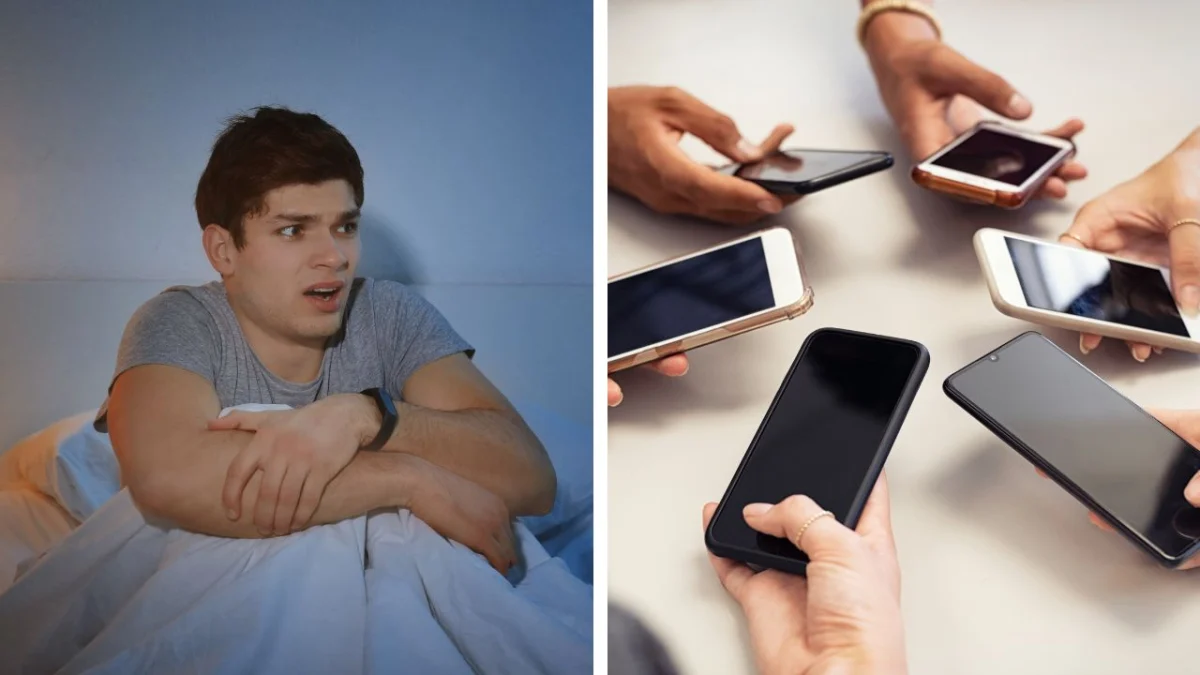
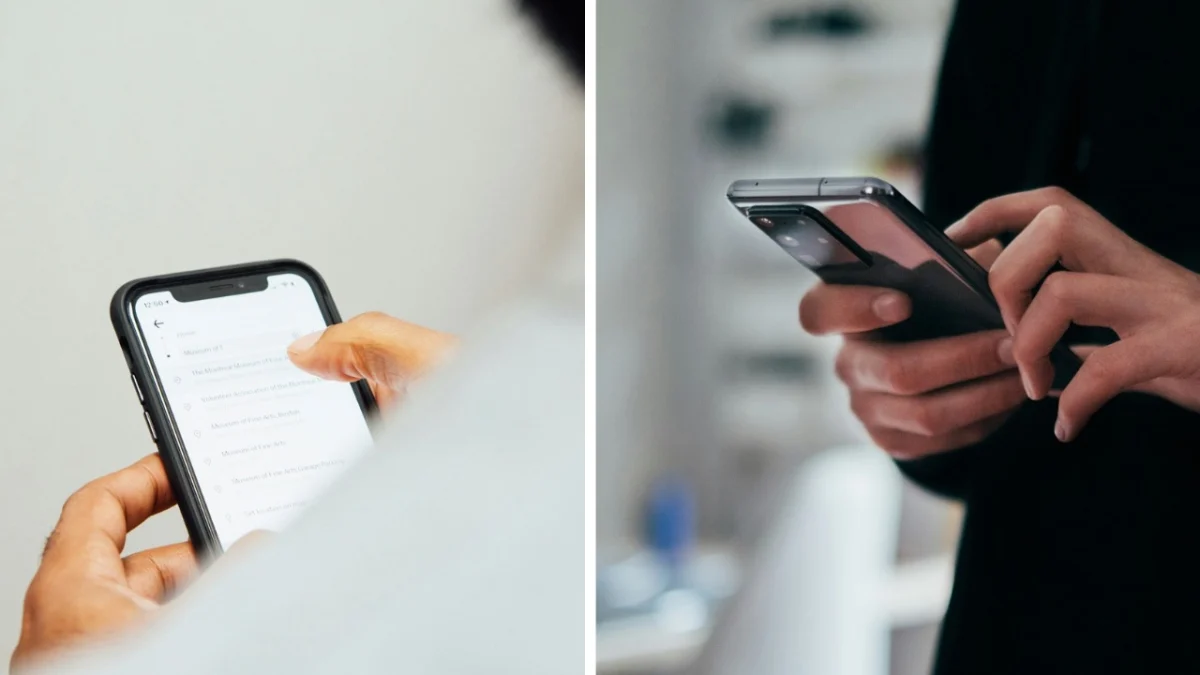
A recent, highly engaged discussion on the popular subreddit ‘Ask Reddit’ has brought to light a deep-seated discomfort among internet users regarding the pervasive culture of smartphone filming and recording in everyday life. What many have come to accept as a mundane aspect of the digital age, a significant portion of the online community views as deeply disturbing and, at times, toxic. This sentiment underscores a growing societal unease with the erosion of privacy and the constant pressure to document every moment, blurring the lines between personal experience and public spectacle.
The catalyst for this widespread dialogue was a thought-provoking question posed by Reddit user @PomegranateNo2244, who initiated a thread asking, "What is something you secretly find deeply disturbing, but everyone else seems to accept as totally normal?" The query quickly resonated with thousands, accumulating over 4,400 upvotes and nearly 4,000 comments by the time of publication, revealing a collective anxiety about modern digital habits. While diverse responses spanned a spectrum of contemporary issues, the overwhelming consensus pointed to the smartphone itself, and specifically, its omnipresent recording capabilities, as a primary source of disquiet.
The Evolution of Ubiquitous Documentation: A Brief Chronology
The journey to this hyper-documented reality is a relatively rapid one, commencing with the advent of the first consumer-grade camera phones in the late 1990s and early 2000s. Initially a novelty, these devices slowly integrated into daily life. The real acceleration, however, began in the mid-2000s with the rise of social media platforms like YouTube, Facebook, and later Instagram, which provided easy avenues for sharing personal photos and videos. The launch of the iPhone in 2007, followed by the proliferation of powerful smartphones, democratized high-quality video recording, putting a sophisticated camera in nearly every pocket.
By the early 2010s, short-form video content began its ascent, eventually leading to the explosion of platforms like Vine and subsequently TikTok, which normalized constant recording, editing, and sharing of daily life. This period also saw the rise of the "influencer economy," where individuals’ livelihoods became tied to creating and disseminating content, often requiring them to document their experiences incessantly. What began as a tool for personal memories gradually transformed into a pervasive mechanism for public consumption and, as Redditors suggest, potential surveillance. This chronological progression highlights how a technological convenience slowly morphed into an entrenched social expectation, pushing the boundaries of privacy and personal space.
The "Toxic" Turn: Reddit’s Core Concerns with Filming
The Reddit thread illuminated specific areas where this normalization has taken a "toxic" turn. One of the most upvoted comments, garnering over 12,000 upvotes, directly addressed the issue: "People using smartphones to record videos everywhere, including private spaces." The user elaborated with pointed examples: "You don’t need to capture videos in gym lockers. You don’t need to record videos of people in public to shame them on social media."
These examples encapsulate the multi-faceted nature of the Redditors’ concerns:
- Invasion of Private Spaces: The expectation of privacy in designated areas like locker rooms, restrooms, or even one’s own home (if shared online without consent) is increasingly violated. The mere presence of a smartphone can create an environment of distrust and vulnerability.
- Public Shaming and ‘Call-Out’ Culture: The ability to instantly record and upload incidents to social media has fueled a culture where individuals are often filmed without their consent during moments of perceived misbehavior, distress, or vulnerability, only to be subjected to public ridicule and viral condemnation. This often bypasses due process and can have devastating, long-lasting consequences for the individuals involved.
- Workplace Surveillance: Several Redditors expressed alarm at the growing trend of colleagues filming each other or workplace incidents. As one user commented, "Recording randoms is so normalized; people extend that same normalization to folks in their workplace (you shouldn’t film random folks in the street anyway!!)." This practice can foster a hostile work environment, undermine trust, and potentially lead to legal complications regarding privacy, defamation, and employee rights. The implied threat of being recorded can stifle open communication and create an atmosphere of constant scrutiny.
The Broader Digital Panopticon: Beyond Individual Instances
The sentiment on Reddit extends beyond isolated incidents of filming. It taps into a broader anxiety about living in a perpetually documented world, a digital panopticon where every action, interaction, and even misstep can be captured, stored, and disseminated without consent.
- Influencer Culture and the Loss of Authenticity: Many comments critiqued the omnipresent influencer culture, where content creators feel compelled to record every aspect of their lives, from dining in cafes to visiting tourist attractions, often at the expense of genuine experience and the privacy of those around them. This pressure to perform for an unseen audience can strip authenticity from moments and turn public spaces into stages for content creation, disrupting the peace and privacy of others.
- The Psychological Toll: The constant awareness of potentially being recorded fosters a pervasive sense of anxiety and self-consciousness. Individuals report feeling less free to be themselves, to make mistakes, or to simply exist without the implied threat of their actions becoming public spectacle. For younger generations, who have grown up entirely within this digital framework, the psychological burden can be immense. One Redditor echoed this, stating, "I hear some horror stories from my younger coworkers, and I don’t think I would’ve made it out alive," reflecting on the unforgiving nature of a permanent digital record. This sentiment highlights a generational divide, where older individuals appreciate having lived through a less documented era, free from the omnipresent digital footprint that now defines youth.
Supporting Data and Societal Context
While specific statistical data on the percentage of people "disturbed" by smartphone filming is difficult to isolate, broader trends underscore the validity of the Redditors’ concerns:
- Smartphone Penetration: Global smartphone penetration reached approximately 83.72% in 2023, meaning billions of people possess a high-definition camera at all times. This widespread availability inherently increases the potential for recording.
- Social Media Usage: A 2023 study by Statista revealed that the average daily time spent on social media globally is around 151 minutes, with video content dominating engagement. Platforms like TikTok have fundamentally reshaped content consumption, making short-form, user-generated video the default.
- Privacy Concerns: Surveys consistently show high levels of public concern regarding digital privacy. For instance, a Pew Research Center study in 2019 found that 79% of Americans were concerned about how companies use their data, and 64% felt they had little to no control over their personal data. While not directly about filming, this reflects a general societal anxiety about personal information being captured and disseminated without consent.
- Legal Landscape: Legal frameworks struggle to keep pace with technological advancements. While laws exist to protect privacy in certain contexts (e.g., "reasonable expectation of privacy" in private spaces), the legal distinction between public and private filming remains complex and varies by jurisdiction. The rise of "deepfake" technology and AI-generated content further complicates the issue, blurring the lines of reality and making consent even more critical.
Inferred Statements and Reactions from Related Parties
While the article focuses on Reddit users’ perspectives, the concerns raised align with ongoing debates among various stakeholders:
- Privacy Advocates: Organizations like the Electronic Frontier Foundation (EFF) consistently highlight the erosion of privacy in the digital age, advocating for stronger consent laws and clearer boundaries for recording and sharing personal information, especially concerning vulnerable individuals. They would likely support the Redditors’ call for greater respect for personal space and consent.
- Legal Experts: Many legal scholars and practitioners debate the interpretation of privacy laws in the context of ubiquitous recording. They grapple with questions of "public interest" vs. "private rights," particularly concerning citizen journalism, recording of public officials, and the boundaries of defamation in online shaming incidents. The consensus often points to the need for more explicit legal guidance and public education.
- Tech Ethicists: Ethicists frequently discuss the moral implications of technology, including the psychological impact of constant surveillance and the responsibility of platforms to moderate harmful content stemming from non-consensual recordings. They emphasize the need for design principles that prioritize user well-being and privacy.
- Social Media Platforms: While platforms benefit from user-generated content, they also face pressure to address issues like harassment, bullying, and non-consensual sharing. Many platforms have community guidelines prohibiting certain types of content (e.g., revenge porn, explicit content filmed without consent), but enforcement remains a continuous challenge.
Broader Impact and Implications
The Reddit discussion is not merely an online venting session; it represents a significant undercurrent of societal anxiety with profound implications:
- Erosion of Trust and Social Cohesion: A society where everyone is potentially a recorder and every interaction a potential piece of content can lead to a breakdown in trust. People may become more guarded, less spontaneous, and more isolated if they fear being judged or shamed online.
- The Future of Public Spaces: If public spaces become de facto content studios, their fundamental nature as shared civic commons could change. The ability to simply "be" in public without performing or being documented is a freedom that is increasingly under threat.
- Digital Literacy and Ethics: The conversation underscores the urgent need for enhanced digital literacy and ethical guidelines. Education on consent, privacy, and responsible content creation needs to become a core component of digital citizenship from a young age.
- Regulatory Challenges: Governments and regulatory bodies face the monumental task of crafting legislation that protects individual privacy in an era of rapid technological change, balancing free speech with the right to be left alone.
Beyond Filming: Other Digital Disturbances
While filming was the dominant theme, Redditors also highlighted other areas where modern norms have become "deeply disturbing," all of which tie into the overarching theme of technology’s pervasive influence and potential for harm:
- The Influence of AI: The rapid advancement of artificial intelligence, particularly generative AI, raises concerns about deepfakes, automated surveillance, job displacement, and the ethical implications of sentient machines. The ease with which AI can manipulate images and videos further exacerbates the concerns around authenticating recorded content and preventing misuse.
- Fitness and Health Obsession: The relentless pursuit of ideal body images, often fueled by curated social media feeds, was cited as another disturbing normalization. This can lead to unhealthy obsessions, body dysmorphia, and intense pressure to conform to unrealistic standards. The constant documentation of workouts and diets contributes to this performative aspect of health.
- Shift from Physical to Digital Media: The complete transition from tangible music formats like CDs and vinyl to purely digital streaming was mentioned as a loss of ownership, permanence, and the tactile experience of music. This reflects a broader trend of intangible digital assets replacing physical ones, leading to questions of access, preservation, and consumer rights.
The ‘Ask Reddit’ thread serves as a vital barometer of public sentiment, signaling a growing unease with the trajectory of digital life. It calls for a collective re-evaluation of our relationship with technology, urging a move towards greater respect for privacy, consent, and the fundamental human need for spaces and moments free from the ever-present lens of a smartphone camera. The challenge lies in fostering a digital culture that balances innovation with human dignity and well-being, ensuring that convenience does not irrevocably compromise core values of privacy and respect.
The Daily Dot was unable to independently verify the identities of Reddit users cited in this article. The details above reflect comments shared in r/AskReddit in response to a question posted by u/PomegranateNo2244.