Sisilia Frederika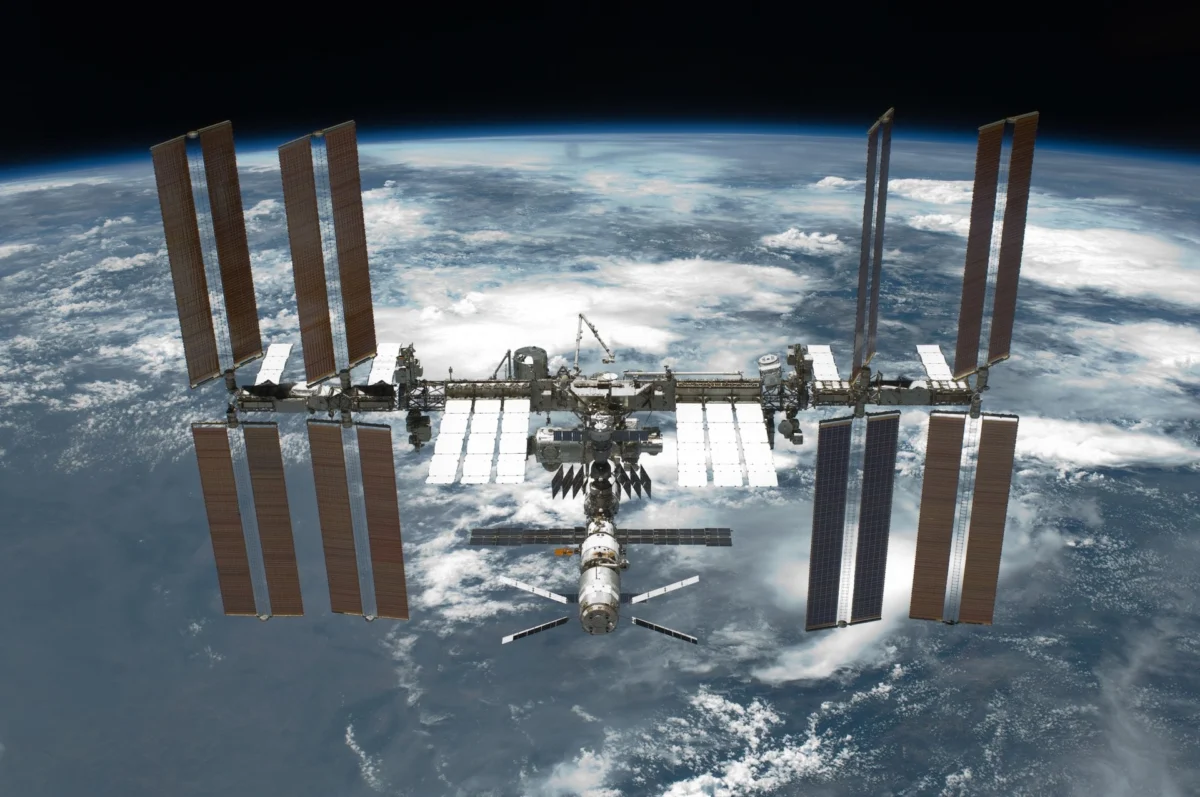
The International Space Station (ISS), a marvel of modern engineering and a symbol of post-Cold War diplomatic cooperation, is entering its final decade of operations. After 26 years of continuous human occupation, the orbital laboratory is scheduled for a controlled deorbit in 2030. This transition marks the end of an era that redefined humanity’s relationship with space, shifting the focus from short-term "flags and footprints" missions to sustained, long-duration habitation. As the station prepares for its final maneuvers—a fiery reentry into Earth’s atmosphere over a remote stretch of the Pacific Ocean—a new space race is intensifying. This competition is no longer a binary struggle between two superpowers but a complex landscape involving established space agencies, emerging national programs, and a rapidly maturing commercial sector.
The Legacy of the First Orbital Outposts
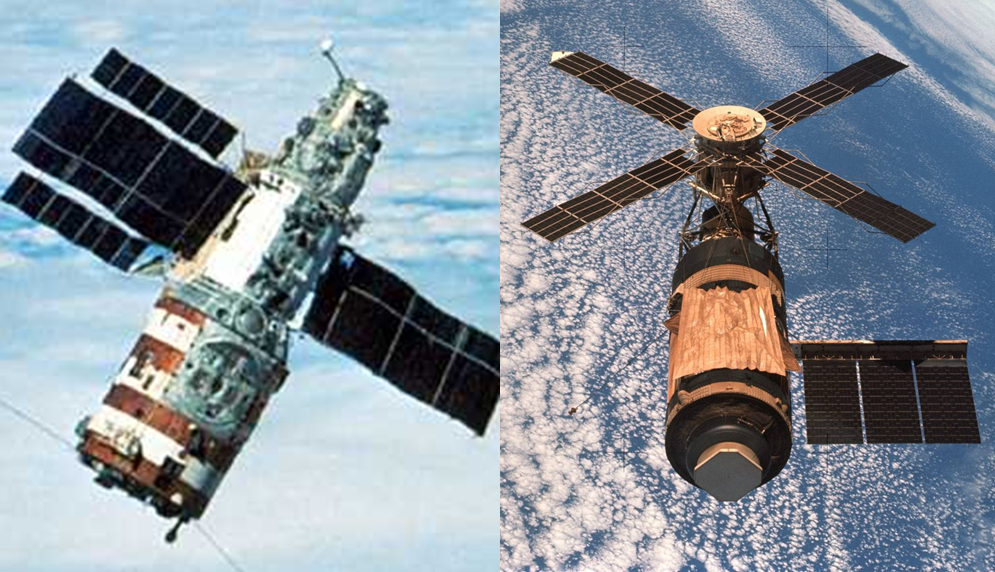
To understand the vacuum the ISS will leave behind, one must examine the evolution of orbital habitats. The concept of a space station emerged as the logical successor to the Apollo era. While the 1960s were defined by the race to reach the Moon, the 1970s marked a shift toward "staying" in space. The Soviet Union took an early lead with the Salyut program (1971–1986), launching the world’s first space station, Salyut 1. These early modules were primitive by modern standards but provided the foundational data necessary to understand the physiological effects of microgravity on the human body.
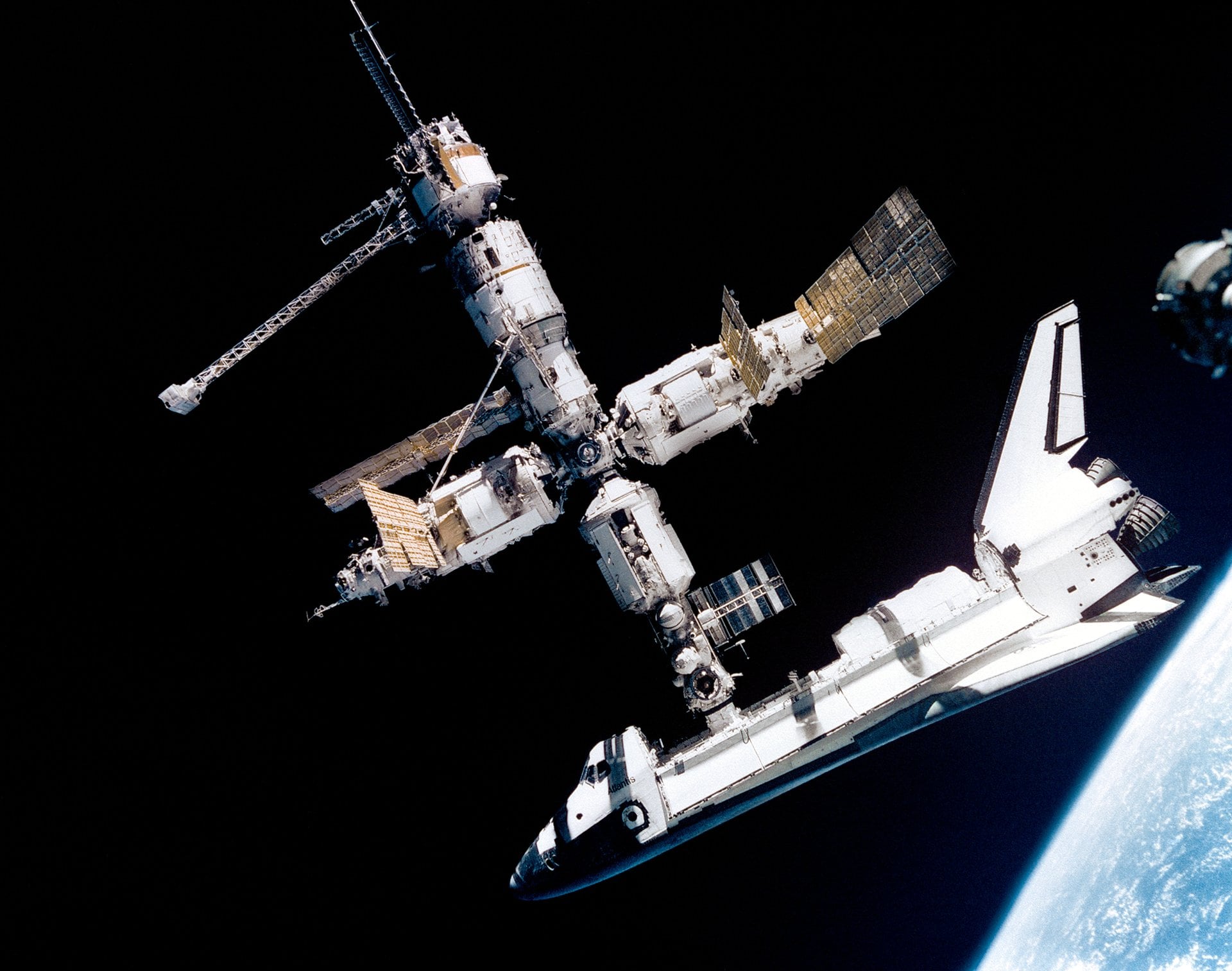
The United States responded in 1973 with Skylab, a massive laboratory fashioned from a repurposed Saturn V third stage. Although Skylab was occupied for only three missions, it proved that humans could live and work productively in orbit for months at a time. The evolution continued with the Soviet-Russian Mir station (1986–2001), the first truly modular space station. Mir served as a bridge between the competitive era and the cooperative era, hosting international astronauts through programs like Shuttle-Mir. This spirit of collaboration culminated in the 1998 launch of the first ISS modules, Zarya and Unity, merging the planned American "Freedom" and Russian "Mir-2" projects into a single, global endeavor.
The Technical and Biological Decay of the ISS
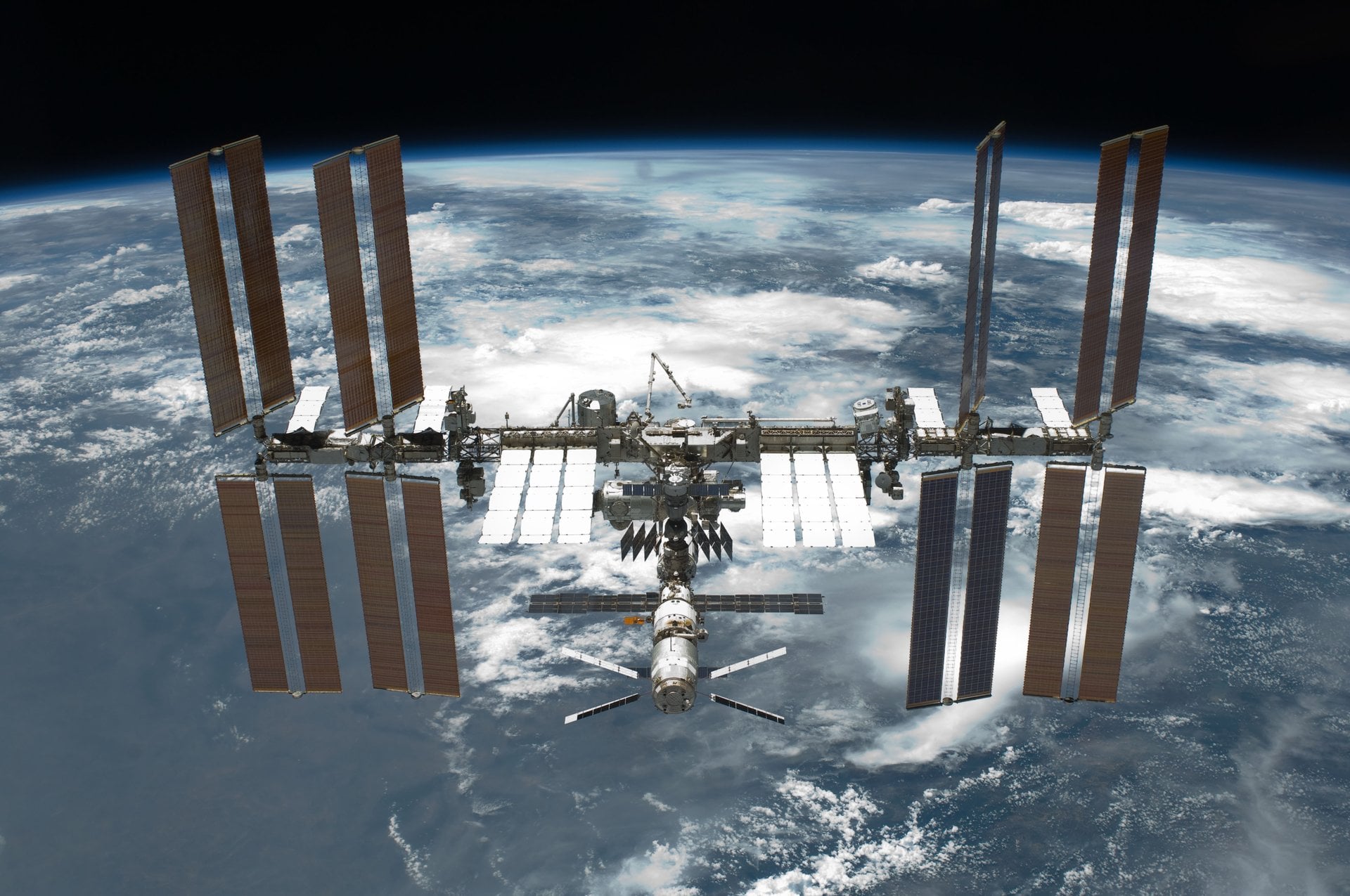
The decision to retire the ISS by 2030 is driven by both fiscal reality and physical degradation. Originally designed for a 15-year lifespan, the station has been pushed far beyond its structural expectations. NASA and its partners—Roscosmos (Russia), ESA (Europe), JAXA (Japan), and CSA (Canada)—have extended operations multiple times, most recently through the CHIPS and Science Act of 2022. However, the costs of maintaining a decades-old structure in the harsh environment of space are becoming prohibitive, currently exceeding $1 billion annually for NASA alone.
Structural fatigue has become a primary concern. The Zvezda Service Module, a critical component of the Russian segment, has suffered from persistent air leaks since 2019. Despite multiple repair attempts, the leak rate has occasionally increased, necessitating the isolation of certain sections. Beyond mechanical failure, the station faces a biological challenge. Over a quarter-century of human presence has introduced a complex microbiome to the station. A 2019 NASA study and subsequent reports from the Russian Academy of Sciences (RAS) have identified populations of bacteria and fungi that exceed regulatory safety requirements in 65% of analyzed samples. These microorganisms, including opportunistic pathogens, pose risks of respiratory infections and soft tissue diseases to aging crews, while also contributing to the biodegradation of the station’s internal hardware.
The Lunar Gateway: A New Frontier in Deep Space
As the ISS winds down, NASA is pivoting its focus from Low Earth Orbit (LEO) to cislunar space. The Lunar Gateway is the cornerstone of the Artemis program, intended to serve as a multi-purpose outpost orbiting the Moon. Unlike the ISS, which orbits 400 kilometers above Earth, the Gateway will reside in a Near-Rectilinear Halo Orbit (NRHO), providing a staging point for lunar surface missions and future voyages to Mars.
The Gateway’s development is a feat of international engineering. The core modules—the Power and Propulsion Element (PPE) and the Habitation and Logistics Outpost (HALO)—are scheduled for launch no earlier than 2027. International contributions include the European System Providing Refueling, Infrastructure and Telecommunications (ESPRIT) and the Canadian-built Canadarm3, a sophisticated robotic arm designed to maintain the station autonomously.
The program has faced political and budgetary scrutiny. In early 2025, the second Trump administration’s budget request initially proposed the cancellation of the Gateway. However, subsequent legislative action in July 2025 secured $2.6 billion for the project, reflecting a bipartisan consensus on the importance of maintaining a strategic presence near the Moon. Furthermore, discussions led by figures such as NASA Administrator Jared Isaacman have explored repurposing Gateway hardware for "nuclear-powered tugs" to facilitate deep-space transport, though these remains in the conceptual phase.
China’s Tiangong and the Shift in Orbital Hegemony
While Western agencies focus on the Moon, China has rapidly established itself as a dominant force in LEO. The Tiangong ("Heavenly Palace") space station, completed in 2022, represents a significant milestone for the China Manned Space Agency (CMSA). Unlike the ISS, which was built over decades, Tiangong was assembled in less than two years, consisting of the Tianhe core module and the Wentian and Mengtian laboratory modules.
China’s strategy for Tiangong is one of expansion and internationalization. In late 2023, the Chinese Academy of Space Technology (CAST) announced plans to double the station’s size by adding three new modules. This expansion will extend Tiangong’s operational life to 2037, positioning it to be the only major space station in orbit if the ISS retires on schedule and commercial replacements are delayed.
Furthermore, China is actively seeking international partners, offering to host foreign astronauts and scientific payloads. This move is seen by geopolitical analysts as a "soft power" play to fill the leadership vacuum left by the sunsetting of the ISS. The station is also a testing ground for the Mengzhou spacecraft, designed to carry crews to both LEO and the lunar surface, signaling China’s intent to compete with the Artemis program.
Russia’s Pivot: The Russian Orbital Station (ROS)
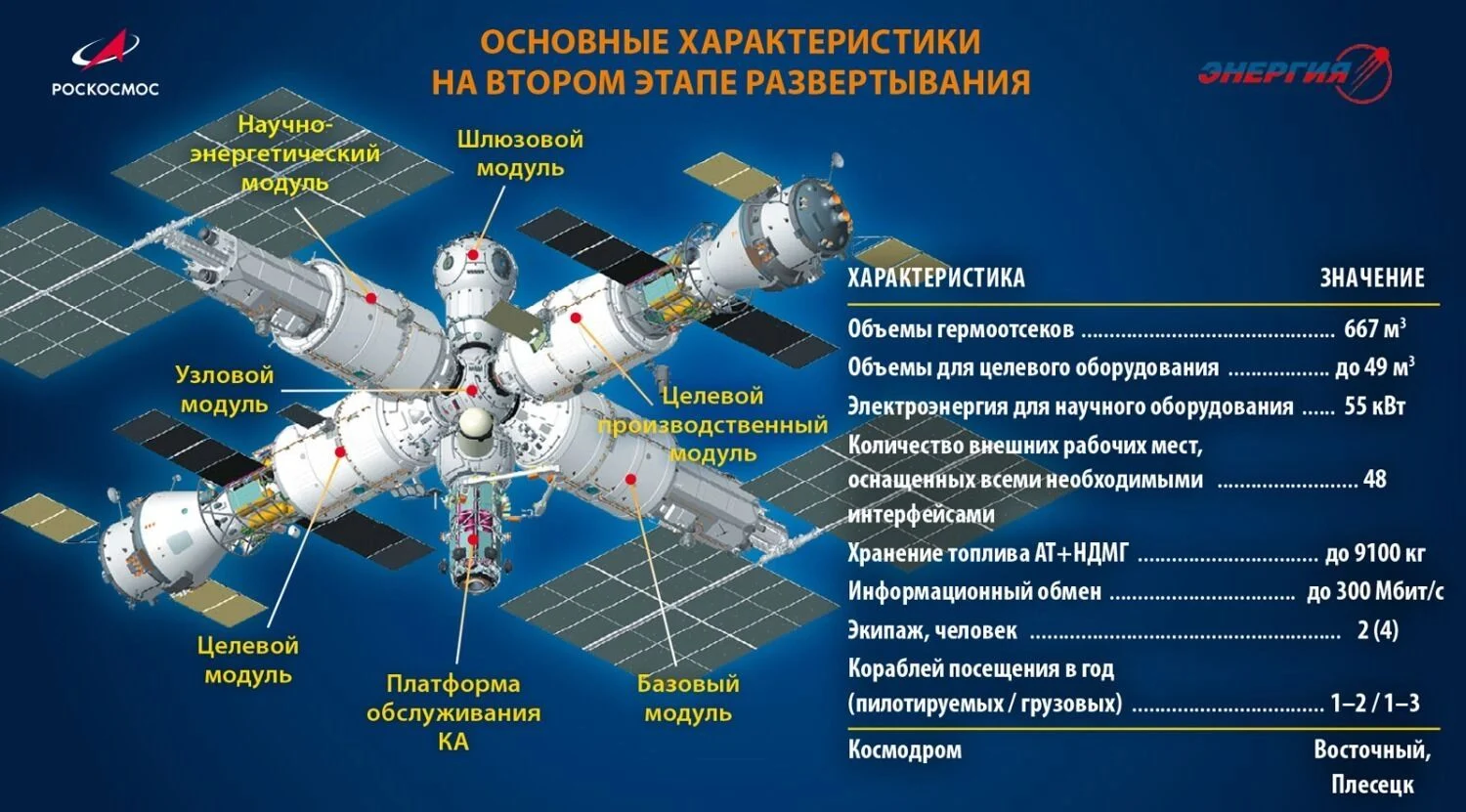
The future of Russia’s role in space remains a subject of intense speculation. Following the 2022 invasion of Ukraine and the subsequent imposition of international sanctions, Roscosmos announced its intention to withdraw from the ISS. Initially, Russian officials proposed building a brand-new, independent station known as the Russian Orbital Service Station (ROSS).
However, by late 2025, economic realities forced a strategic shift. The Director of the Institute of Biomedical Problems at the RAS, Oleg Orlov, indicated that Russia would likely continue using its existing ISS modules after 2030, detaching them to form the nucleus of the Russian Orbital Station (ROS). This plan is fraught with technical risk; the modules Russia intends to "recycle" are among the oldest on the ISS and are the primary sources of the aforementioned air leaks and microbial contamination. Skeptics within the aerospace community question whether these modules can safely operate into the late 2030s without a massive infusion of capital that the Russian space program currently lacks.
India’s Emergence: The Bharatiya Antariksh Station
India is the newest major player to enter the space station arena. Buoyed by the success of the Chandrayaan-3 lunar mission, the Indian Space Research Organization (ISRO) has fast-tracked its plans for the Bharatiya Antariksh Station (BAS). According to ISRO Chairman Sreedhara Somanath, the station is a critical component of India’s goal to land an astronaut on the Moon by 2040.
The BAS is designed as a five-module configuration, with the first module (BAS-1) expected to launch in 2028. The station will be smaller than the ISS, optimized for a crew of three to four people, and will focus on microgravity research and space medicine. India has emphasized that the BAS will be an open platform, inviting collaboration from NASA, ESA, and other global partners, reflecting India’s "strategic autonomy" approach to international relations.
Broader Impact and the Rise of Commercial Sovereignty
The retirement of the ISS will not result in an empty sky, but rather a more fragmented one. The transition represents a fundamental shift from a "public park" model of space exploration to a "business park" model. As national agencies like NASA move toward the Moon, they are actively subsidizing the development of commercial space stations—such as those proposed by Axiom Space, Blue Origin (Orbital Reef), and Voyager Space (Starlab).
The implications of this shift are profound. First, the cost of conducting research in space may drop as private competition increases, but the guarantee of international cooperation may diminish. The ISS served as a neutral ground where geopolitical rivals could work together for the benefit of humanity. The new era of national and commercial stations risks creating "orbital silos" where data and resources are closely guarded.
Second, the proliferation of stations increases the complexity of orbital traffic management. With multiple outposts from China, India, Russia, and various private corporations, the risk of collisions and the accumulation of space debris will require a new level of international regulation and communication.
In conclusion, the decommissioning of the International Space Station is more than just a logistical end-of-life event; it is a catalyst for a new geopolitical and economic order in space. While the "shoes" of the ISS will indeed be hard to fill, the upcoming decade promises a diverse and crowded orbital environment where the lessons learned on the ISS will be applied to the next great leaps toward the Moon and Mars. The legacy of the ISS will live on not in its hardware, but in the permanent human presence it established among the stars.