Sisilia Frederika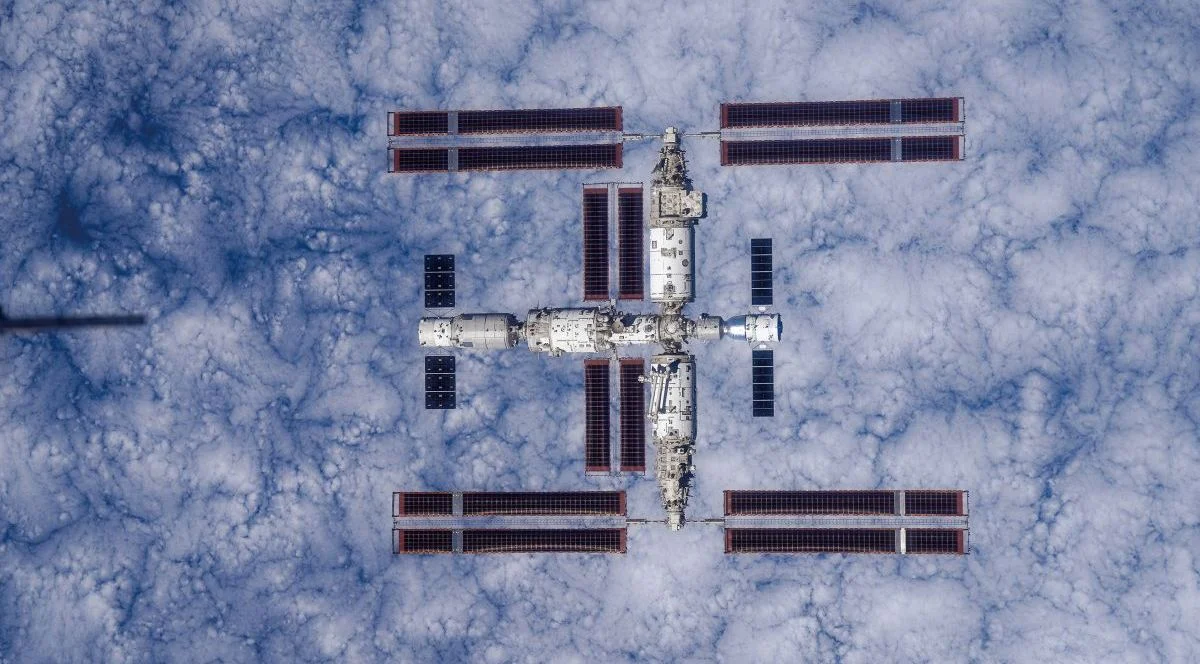
The human liver serves as the body’s primary metabolic hub, performing over 500 essential functions ranging from the synthesis of plasma proteins and the regulation of blood glucose to the detoxification of metabolites and the production of biochemicals necessary for digestion. As humanity stands on the precipice of a new era of deep-space exploration—with missions to the Moon and Mars transitioning from theoretical concepts to scheduled realities—understanding how this vital organ responds to the extreme environment of space has become a paramount concern for aerospace medicine. Recent breakthroughs from a collaborative team of Chinese scientists have now shed light on the specific molecular pathways that cause liver dysfunction in microgravity, identifying a key protein family that acts as a "gravity sensor" within hepatic cells.
The Biological Challenge of Long-Duration Spaceflight
For decades, research conducted aboard the International Space Station (ISS) and during the Space Shuttle era has documented the profound physiological changes the human body undergoes in the absence of Earth’s gravitational pull. While much of the early focus remained on bone density loss and muscle atrophy, the impact on internal organs and metabolic processes has emerged as a critical field of study. The liver, being highly sensitive to changes in blood flow, nutrient availability, and environmental stress, is particularly susceptible to the conditions of spaceflight.
Previous longitudinal studies on astronauts have indicated a consistent trend: prolonged exposure to microgravity is linked to hepatic lipid metabolism dysregulation. This condition is characterized by the accumulation of neutral lipids within hepatocytes, the primary functional cells of the liver. When these cells become overloaded with fats, it can lead to metabolic dysfunction-associated steatotic liver disease (MASLD), a condition formerly known as non-alcoholic fatty liver disease (NAFLD). If left unmitigated, MASLD can progress to inflammation, fibrosis, and permanent liver damage, posing a significant risk to the health and performance of astronauts during multi-year missions.
Despite the wealth of data confirming that liver health declines in space, the "triggering" mechanism—the exact process by which a cell perceives a lack of gravity and translates that physical state into a metabolic shift—remained elusive until now.
Methodology: A Tale of Two Platforms
To bridge this gap in knowledge, a research team led by Professor Mian Long from the Institute of Mechanics, Chinese Academy of Sciences, designed a sophisticated comparative experiment. The study involved a cross-disciplinary effort featuring researchers from the Center for Biomechanics and Bioengineering, the Beijing Key Laboratory of Engineered Construction and Mechanobiology, and the University of Chinese Academy of Sciences.
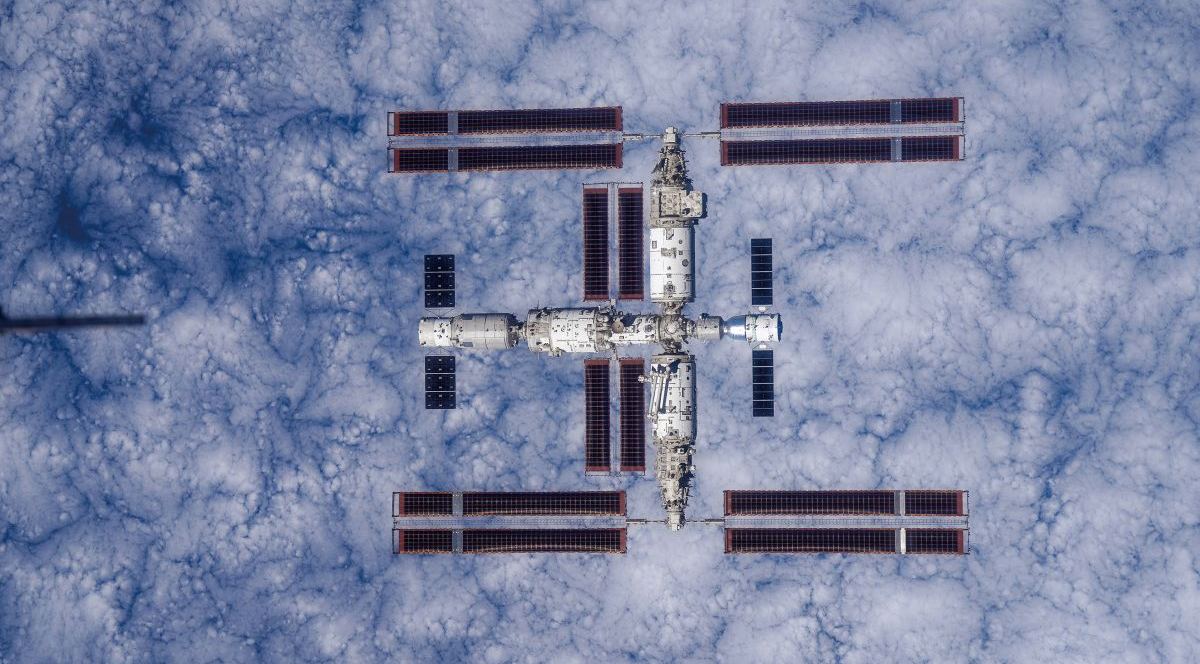
The core of the experiment centered on the use of a Biomechanics Experiment Module (BMEM), a specialized hardware system designed to maintain live cell cultures in the unique environment of low Earth orbit. The team prepared two identical sets of hepatocyte (liver cell) cultures. One set was launched to the Tiangong space station, China’s permanently inhabited orbital laboratory, while the other remained on Earth at a controlled facility to serve as a ground-based reference.
The experimental design was meticulous, dividing the samples into three distinct groups to isolate the variables of gravity and mechanical stress:
- Static Ground Control: Cells maintained under Earth’s 1g gravity without artificial fluid movement.
- Static Microgravity: Cells maintained aboard Tiangong in the absence of gravity, without artificial fluid movement.
- Shear Flow Microgravity: Cells maintained aboard Tiangong subjected to controlled shear flow stress to simulate the natural movement of blood and interstitial fluids within the liver.
By monitoring these cultures over a nine-day period, the researchers were able to observe real-time changes in cellular behavior and metabolic output, providing a high-resolution look at the liver’s adaptation to space.
Identifying the Gravity Sensor: SREBPs
The most significant finding of the study, recently detailed in the journal Science Bulletin, was the identification of sterol regulatory element-binding proteins (SREBPs) as the primary mediators of space-induced liver stress. SREBPs are a family of transcription factors that play a master role in regulating the synthesis of fatty acids and cholesterol.
Under normal conditions on Earth, SREBPs are kept in an inactive state within the cell’s endoplasmic reticulum. When the cell senses a need for more lipids, these proteins are transported to the Golgi apparatus, where they are activated and then move into the nucleus to "turn on" the genes responsible for fat production. The research conducted on Tiangong demonstrated that microgravity acts as a direct physical stimulus that prematurely activates this pathway.
The data showed that spaceflight significantly promotes the synthesis of fatty acids and cholesterol by triggering the SREBP pathway. Essentially, the absence of gravity causes the liver cells to "misunderstand" their metabolic environment, leading them to produce and store excessive amounts of fat. This confirms that SREBPs act as gravity-sensitive regulators, serving as the bridge between the mechanical environment of the cell and its internal chemical factory.
The Protective Role of Shear Flow Stress
While the discovery of the SREBP trigger provided the "why," the experiment also offered a potential "how" for mitigation. In the groups subjected to shear flow stress—simulating the movement of fluid between hepatocytes and sinusoidal endothelial cells—the researchers observed a notable reduction in lipid accumulation.
On Earth, the liver is constantly bathed in blood flowing through narrow channels called sinusoids. This flow creates a mechanical force known as shear stress on the surface of the liver cells. The study found that this mechanical stimulation exerted a protective effect, partially counteracting the signals sent by the microgravity environment. By maintaining a simulation of normal fluid dynamics, the researchers were able to keep the SREBP activation in check.
This suggests that the metabolic dysfunction seen in space is not just a result of the lack of gravity itself, but also the disruption of the normal mechanical forces that fluid flow exerts on tissues. This finding has immediate implications for the design of exercise or medical devices intended to maintain astronaut health, suggesting that "mechanical "therapy—simulating fluid shifts or internal pressures—could be as important as chemical or nutritional interventions.
Chronology of the Research and Institutional Collaboration
The journey to these findings was the result of years of development in China’s space life sciences program. The timeline of the study reflects a rigorous process of hardware validation and biological testing:
- Pre-Flight Phase: The Institute of Mechanics spent years refining the Biomechanics Experiment Module (BMEM) to ensure it could provide a stable environment for hepatocytes, which are notoriously difficult to keep alive outside the body.
- Launch and Observation: The samples were integrated into the Tiangong mission, where the nine-day window of observation allowed for the tracking of lipid synthesis from initial exposure to a steady-state microgravity response.
- Return and Post-Flight Analysis: Upon the return of the experimental modules to Earth, the researchers conducted deep-tissue analysis, including gene expression profiling and lipid staining, to quantify the differences between the ground and space samples.
The collaboration involved several of China’s most prestigious research bodies, including the Key Laboratory of Microgravity and the Key Laboratory of Biorheological Science and Technology. This multi-institutional approach ensured that the findings were validated across the fields of physics, biology, and aerospace engineering.
Broader Impact and Terrestrial Applications
The implications of this research extend far beyond the hull of a space station. While the immediate goal is to protect astronauts on missions to Mars—where a round trip could last three years—the discovery of the SREBP gravity-sensing mechanism offers new avenues for treating liver disease on Earth.
MASLD is a growing health crisis globally, often linked to sedentary lifestyles and poor diet. However, the Tiangong study highlights that mechanical environment and fluid dynamics also play a role in how the liver manages fat. Understanding how SREBPs are activated by physical stress could lead to new pharmacological targets for treating fatty liver disease in patients who are bedridden or have mobility issues, where natural mechanical stimulation of the organs is reduced.
Furthermore, the study reinforces the importance of "mechanobiology"—the study of how cells sense and respond to physical forces. As we continue to explore the stars, the liver has proven to be a sentinel organ, warning us of the biological costs of leaving Earth’s gravity.
Future Outlook: From Monitoring to Mitigation
With SREBPs identified as a therapeutic target, the next phase of research will likely focus on developing specific countermeasures. These could include:
- Targeted Pharmaceuticals: Drugs that can inhibit the activation of SREBPs specifically during the duration of a space mission.
- Advanced Exercise Protocols: Designing routines that specifically encourage the type of fluid shifts and internal shear stresses that were shown to be protective in the Tiangong experiment.
- In-Flight Monitoring: Using the markers identified in this study to develop rapid diagnostic tools that allow astronauts to monitor their liver health in real-time, much like they monitor oxygen levels or radiation exposure.
Professor Mian Long and his team have provided a critical piece of the puzzle for long-term human survival in space. By identifying the molecular "switch" for liver dysfunction, they have moved the conversation from simply observing the decline of astronaut health to actively engineering solutions for its preservation. As space agencies around the world prepare for the next giant leap, the health of the human liver will remain a focal point of the biological frontier.