Metty Iskandar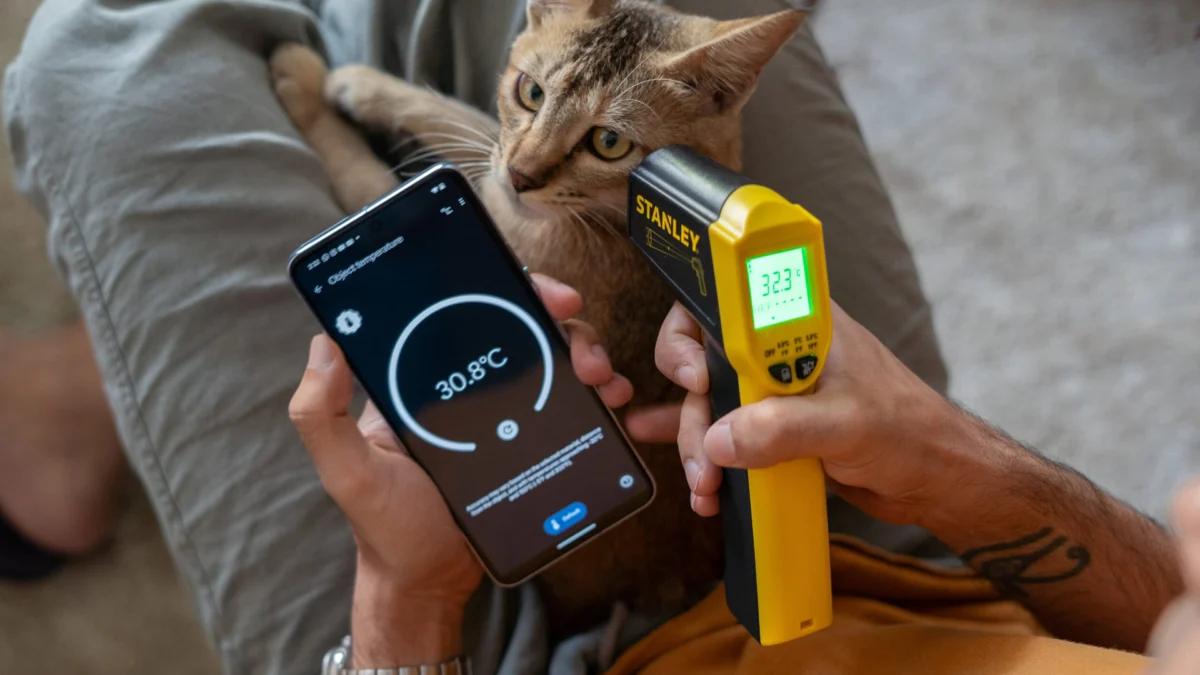
As a lifelong admirer of science fiction, the allure of Captain Picard’s tricorder, second only to the holodeck, represented a future I eagerly anticipated. That future, it seems, has largely arrived. While our smartphones may not yet possess the intricate diagnostic capabilities of the iconic Starfleet tool, it’s worth noting that Geordi La Forge was never seen streaming music from Spotify or booking accommodations via his tricorder. Yet, as remarkable as our current devices are, the full extent of functionalities offered by their integrated sensors often goes unrecognized. Following an exploration of these capabilities, a compelling question arose: which of these repurposed sensor functions would users genuinely consider integrating into their daily routines?
Android Authority recently delved into five specific applications of smartphone sensors, demonstrating how a device could function as a tape measure, metal detector, spirit level, or sound/light meter. The fifth application explored was a thermometer. However, given its exclusive presence on Pixel devices and the confirmed discontinuation of this feature on the upcoming Pixel 11, it was deliberately excluded from a subsequent poll designed to gauge user interest in the other four functionalities.
The poll garnered significant participation, with thousands of readers casting their votes. The results revealed a clear frontrunner in terms of practical utility.
Tape Measure Emerges as the Dominant Use Case
The data unequivocally demonstrated that a substantial majority, comprising 53% of respondents and nearly 3,000 votes, indicated a willingness to adopt their smartphone sensors as a tape measure. This option significantly outperformed the next most popular choice, using the phone as a metal detector, which secured 27% of the vote. The remaining votes were distributed between the spirit level and sound/light meter functions. In retrospect, the inclusion of an "all of the above" option might have provided a more nuanced understanding of user preferences, as each function possesses distinct practical applications depending on the context.
The stark division in the poll results is not difficult to comprehend. A considerable segment of the population seldom requires a tape measure, yet experiences frustration when one is unavailable during moments of need. This author, currently navigating the process of finding a new apartment and contemplating the logistical challenge of fitting furniture into a vehicle, finds themselves among this group.
While the metal detector function secured the second-highest vote share, potentially due to a blend of practical considerations and an element of inherent intrigue, its effectiveness as a substitute for a dedicated tool warrants examination. As previously outlined, its utility for tasks requiring precision, such as locating buried artifacts on a remote island, is questionable. Similarly, individuals who regularly utilize spirit levels or sound/light meters are likely to already possess specialized, purpose-built equipment that offers superior accuracy and reliability.
The Pixel Thermometer: A Niche but Valued Feature
In the commentary section of the original article, a reader named Justin Wilhelm shared, "I use my Pixel as a thermometer fairly often." This sentiment resonates with findings from a poll conducted by Android Authority at the close of the previous year. That survey confirmed that thousands of Pixel users actively employed the device’s thermometer for a diverse range of applications, from monitoring personal body temperature to verifying the thermal state of food. The former application, in particular, evokes the spirit of the Star Trek tricorder. However, the prospect of Google introducing features like teleportation or phasers remains in the realm of science fiction.
The Pixel’s integrated thermometer, though now slated for removal, represented a significant step in bringing advanced sensing capabilities to a mainstream consumer device. Introduced with the Pixel 6 Pro, this infrared temperature sensor allowed users to measure surface temperatures of objects and even, with appropriate caution and understanding of its limitations, human body temperature. The decision to include this feature was seen by many as an innovative move, leveraging existing hardware for a potentially useful, albeit niche, application.
The subsequent decision to omit the thermometer from the Pixel 8 series, and subsequently the Pixel 11, has been met with some disappointment. While Google has not provided an explicit detailed reason for this change, industry analysts suggest several potential factors. These could include cost-saving measures in hardware production, a re-evaluation of the feature’s actual usage statistics versus its perceived utility, or a strategic shift in focus towards other sensor technologies and software-driven innovations. It is also possible that the accuracy and limitations of using a consumer-grade infrared sensor for medical purposes led to a reassessment of its inclusion, particularly in markets with stringent health regulations.
Broader Implications of Smartphone Sensor Integration
The trend of integrating multi-functional sensors into smartphones reflects a broader technological evolution. Devices are increasingly becoming all-in-one tools, capable of performing tasks previously requiring dedicated hardware. This democratization of technology allows for greater accessibility and convenience.
Timeline of Sensor-Based Functionalities and User Adoption:
- Early Smartphones (Pre-2010s): Primarily focused on communication, basic internet browsing, and photography. Sensors were rudimentary, mainly for screen orientation.
- Mid-2010s: Introduction of more advanced sensors like accelerometers, gyroscopes, and magnetometers became standard. This paved the way for fitness tracking, more sophisticated gaming, and basic navigation.
- Late 2010s – Early 2020s: Expansion to include barometers, proximity sensors, ambient light sensors, and, notably, infrared sensors on select devices like Pixels for thermometer functionality. Augmented Reality (AR) applications began to gain traction, leveraging these sensors for spatial awareness.
- Present Day (2023-2024): Continued refinement of existing sensors and exploration of new applications. The focus shifts towards software integration and AI to maximize the utility of sensor data. The discontinuation of the Pixel thermometer highlights a dynamic landscape where not all implemented features achieve long-term success or widespread adoption.
Supporting Data and Market Trends:
The increasing sophistication of smartphone sensors is a direct response to consumer demand for more integrated and versatile devices. Market research reports consistently indicate a growing consumer interest in functionalities that enhance daily life, from health monitoring to DIY applications.
- Augmented Reality Market Growth: The AR market, heavily reliant on accurate sensor data (cameras, gyroscopes, accelerometers), is projected to experience substantial growth in the coming years. This suggests a continued user appreciation for sensors that enable immersive digital experiences.
- Wearable Technology Integration: The rise of smartwatches and fitness trackers, which heavily utilize biometric and motion sensors, further underscores the consumer appetite for health and activity monitoring through connected devices. While the Pixel thermometer was a phone-based feature, its utility in health-adjacent monitoring aligns with this broader trend.
- DIY and Smart Home Adoption: The increasing popularity of DIY projects and smart home ecosystems necessitates tools that can aid in measurement, diagnostics, and environmental monitoring. Smartphone sensors, when effectively harnessed, can serve as accessible entry points for these domains.
Analysis of Implications:
The poll results underscore a critical aspect of product development: perceived utility versus actual implementation. While the concept of a smartphone thermometer might have seemed innovative, its practical application and user reliance were not as widespread as initially anticipated, leading to its eventual removal. Conversely, the tape measure functionality, despite being a more straightforward application of existing sensors (primarily the camera and AR capabilities), resonated more strongly with users due to its broad applicability in everyday situations.
This trend suggests that for smartphone manufacturers, the key to successful sensor integration lies not just in technological capability but also in identifying and addressing genuine consumer pain points. Features that offer tangible, frequent benefits are more likely to achieve sustained adoption.
Furthermore, the discussion around the Pixel thermometer highlights the evolving role of smartphones in personal health and wellness. While dedicated medical devices remain paramount for accurate diagnostics, the integration of basic health-monitoring sensors in smartphones can empower users with accessible, preliminary information. The challenge for manufacturers lies in balancing this accessibility with the crucial need for accuracy and responsible use, especially concerning health-related data.
The future likely holds further advancements in smartphone sensor technology. We may see more sophisticated biometric sensors, improved environmental monitoring capabilities, and even novel applications that are currently beyond our imagination. As devices continue to evolve into indispensable tools for communication, entertainment, and utility, the intelligent integration of sensor-based functionalities will remain a critical differentiator. The success of these integrations will ultimately hinge on their ability to seamlessly blend into users’ lives, offering practical solutions and enriching their daily experiences, much like the sci-fi tools we once only dreamed of.