Metty Iskandar
The streaming landscape, once dominated by a few key players, has undergone a significant transformation, prompting consumers to re-evaluate their subscription choices. For years, Netflix held an almost unassailable position, but a confluence of rising costs, content strategy shifts, and an expanding array of competing services has led many, including this author, to seek alternatives. In a surprising turn of events, Apple TV has emerged not just as a viable option, but as a preferred destination for high-quality, engaging content, challenging long-held perceptions about its value proposition.
The initial reluctance to embrace Apple TV stemmed from a perceived limited catalog and a higher price point compared to other services. When comparing local streaming prices in 2023, Apple TV+, as it was then known, stood out as one of the more expensive options in its default plan. This was compounded by the fact that the author, not being an Apple device owner, missed out on potential introductory offers or the benefits of features like Family Sharing, which require an Apple device for setup. Consequently, services like Prime Video, Disney+, and local offerings such as Showmax were prioritized. Even a free trial to sample acclaimed shows like "Foundation" wasn’t enough to justify a long-term commitment, as the perceived content depth remained a barrier.
The Evolving Streaming Ecosystem: A Shift in Consumer Priorities
The early to mid-2020s marked a period of significant upheaval in the streaming industry. Netflix, despite maintaining its position as a market leader, began to face increasing scrutiny. A series of price hikes, coupled with a stringent crackdown on password sharing, altered the economic calculus for many households. Simultaneously, the platform’s content strategy appeared to shift, with an increasing emphasis on reality programming and a perceived decline in the production of critically acclaimed, high-budget series. This was often accompanied by the cancellation of popular shows, sometimes after only a single season, leading to user dissatisfaction and a sense of diminishing returns on their subscription fees.
For instance, the practice of splitting new seasons across multiple months, a tactic employed to encourage sustained subscriptions, removed the urgency and binge-watching appeal that had once defined the Netflix experience. This led to a gradual erosion of user loyalty, as the platform no longer consistently provided the value it once did. The author’s personal experience mirrored this trend, with a growing frustration over canceled shows and a lack of compelling new content, ultimately leading to the cancellation of a long-standing Netflix subscription in the preceding year.
The personal circumstances of the author also played a role in this evolving relationship with streaming services. A shift away from gaming due to chronic pain meant that evenings were increasingly dedicated to passive entertainment. While Prime Video offered an affordable entry point, the content often resulted in a sense of unfulfilled engagement – shows were watched to completion, but rarely left a lasting impression. The craving for narratives with deeper lore and higher production values, reminiscent of HBO’s acclaimed programming, became more pronounced. However, with HBO content no longer readily available locally and Disney Plus experiencing its own price increases, the search for a satisfying streaming experience intensified.
Apple TV’s Strategic Content Investments and Market Positioning
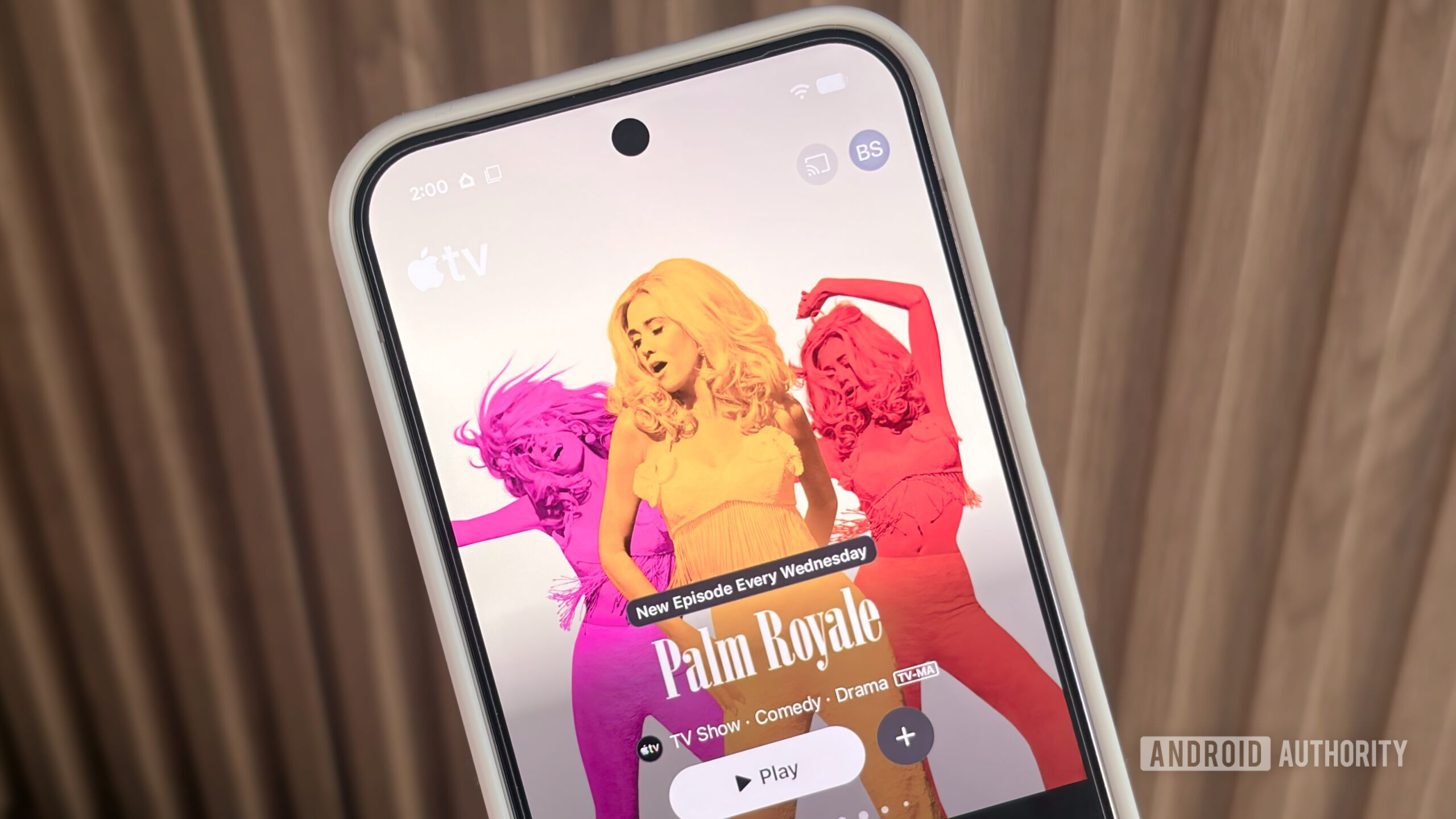
In this dynamic environment, Apple TV began to distinguish itself through strategic investments in original content, particularly in the science fiction and drama genres. Shows like "Ted Lasso," "Severance," "Foundation," and "Silo" garnered significant critical acclaim and attracted a dedicated viewership. This focus on high-quality, prestige television, often characterized by expansive world-building and compelling narratives, directly addressed the content void left by other platforms.
The author’s renewed consideration of Apple TV was directly influenced by this growing library of critically lauded programming. The perceived value proposition shifted dramatically. In South Africa, Apple TV’s monthly subscription fee of R124.99 (approximately $7.70 USD) became more competitive when juxtaposed with the R179 ($11 USD) monthly costs for Netflix Standard and Disney Plus. This price point, while higher than Prime Video’s offering, provided a sense of value that was not contingent on daily viewing, mitigating the feeling of a "grudge purchase."
The limited availability of certain international streaming platforms in the local market further bolstered Apple TV’s position. Services like Paramount Plus, Peacock, BritBox, and HBO Max were not directly accessible. While some content from these platforms might be licensed to local providers, the complete absence of HBO content meant that Apple TV’s original dramas, particularly those in the sci-fi and thriller genres, filled a significant gap. This strategic content curation, coupled with a more palatable price point in the context of local market offerings, made Apple TV an increasingly attractive option.
A Deep Dive into Apple TV’s Content Library and User Experience
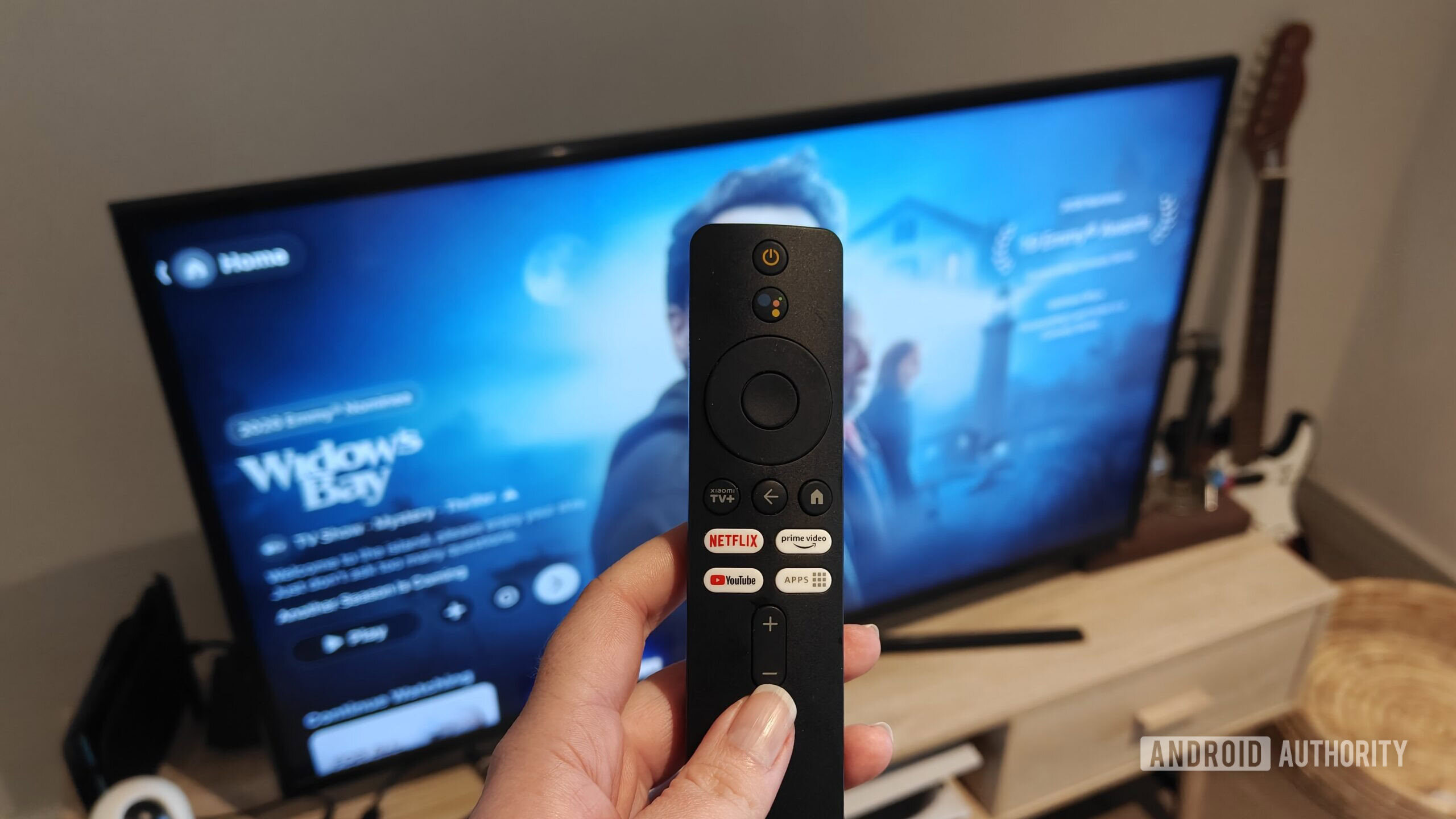
A month into a new subscription, the author’s experience with Apple TV has been overwhelmingly positive, marking a departure from the "streaming malaise" experienced with other services. The curated selection of high-budget, narrative-driven shows has proven to be a significant draw. Titles such as "Silo," with its dystopian intrigue, "Foundation," a grand space opera, and "Murderbot," a character-driven sci-fi adventure, have been met with enthusiastic reception. Even the more niche horror series "Widow’s Bay" was appreciated for its unique approach. The author’s watchlist is now populated with a diverse array of compelling series, ranging from historical dramas to comedic offerings, indicating a sustained interest in the platform’s content pipeline.
While acknowledging that no streaming service is immune to less successful productions, the author noted that even a disappointing show like "Invasion" did not result in a feeling of wasted time or money. This contrasts with prior experiences on other platforms, where perceived duds felt like a direct drain on subscription value. The user interface and recommendation engine of Apple TV, while not considered perfect, are described as "under-optimized" rather than "unusable," a minor drawback in the face of strong content delivery.
It is important to note that the author’s current satisfaction is also a product of having a backlog of content to explore, accumulated over years of subscription hesitancy. New subscribers might find a less extensive library of freshly released content. Furthermore, the value proposition of Apple TV can vary significantly depending on regional pricing and the availability of competing services. In markets with more robust competition and different pricing structures, Apple TV’s appeal might be diminished.
Broader Implications for the Streaming Market
The trajectory of Apple TV’s growing appeal has significant implications for the broader streaming industry. It underscores a growing consumer demand for high-quality, original content that offers depth and narrative complexity, moving beyond sheer volume. The success of Apple TV’s strategy suggests that investing in prestige programming can be a powerful differentiator in a crowded market.
Moreover, the shift in consumer perception regarding Apple TV’s pricing indicates that value is not solely determined by the lowest cost. When accompanied by compelling content and a curated user experience, a mid-tier price point can be justified. This could put pressure on incumbent services like Netflix to re-evaluate their content strategies and pricing models to retain subscribers.
The trend also highlights the increasing fragmentation of the streaming market. As consumers become more discerning and less tolerant of perceived value erosion, they are willing to switch services to find content that aligns with their preferences. This necessitates a continuous effort from all streaming providers to innovate, invest in compelling originals, and maintain competitive pricing and user experience to secure their market share. The rise of Apple TV as a preferred streaming destination is a testament to this evolving consumer landscape and the power of strategic content investment.