
 Evan Lee Salim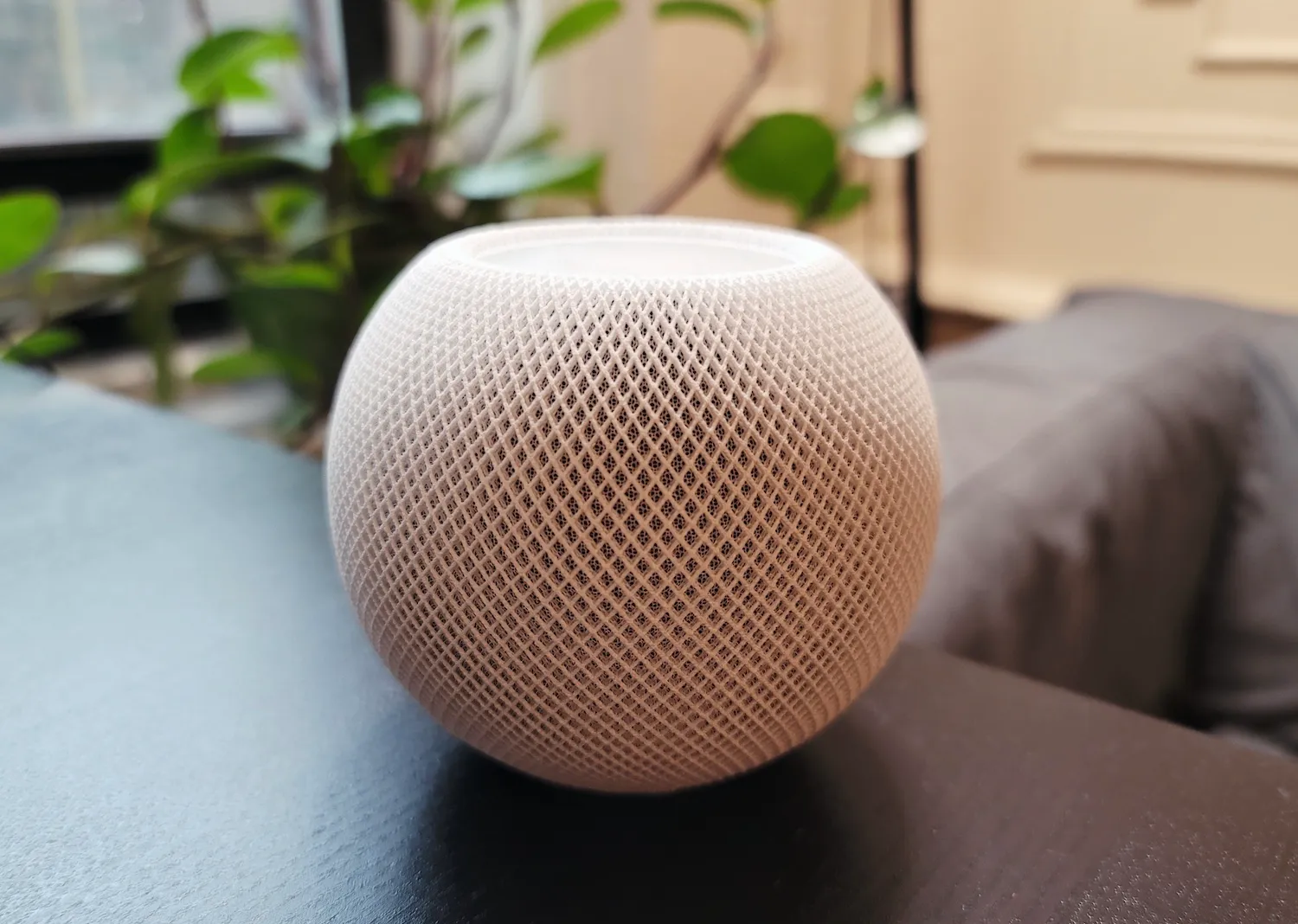
Cupertino, California – Apple is reportedly set to introduce a groundbreaking new smart home hub named HomeView on Tuesday, October 13, 2026, according to a recent dispatch from Bloomberg’s revered Apple correspondent, Mark Gurman. This announcement, anticipated to unfold during a dedicated virtual event, signals Apple’s most ambitious and concerted effort yet to establish a dominant foothold in the burgeoning smart home market, following years of incremental advancements and acknowledged challenges with its existing HomeKit framework and HomePod smart speakers.
The HomeView is described as a sophisticated, Siri-powered device that integrates a high-resolution display and is driven by Apple’s advanced A18 chip. Its primary function will be to serve as a central command interface, empowering users to seamlessly control their array of smart home devices. Gurman’s report indicates that the HomeView will be launched in two distinct form factors: one optimized for placement on countertops, and another meticulously designed for sleek, wall-mounted installations. This strategic dual offering suggests Apple’s intent to cater to diverse aesthetic preferences and functional requirements within modern households, aiming for pervasive integration into users’ living spaces. The device’s robust processing power, courtesy of the A18 chip, is expected to facilitate advanced on-device artificial intelligence capabilities, promising more responsive, context-aware, and private interactions with Siri, addressing long-standing criticisms leveled against Apple’s voice assistant.
Apple’s Strategic Pivot in the Smart Home Arena
This impending launch represents a significant strategic pivot for Apple, which has, until now, struggled to achieve widespread traction in the intensely competitive smart home sector. While its HomeKit software framework, introduced in 2014, aimed to provide a secure and integrated ecosystem for connected devices, adoption has been slower than anticipated. Strict hardware certification requirements and a perceived lack of interoperability with non-HomeKit devices often deterred both manufacturers and consumers. The original HomePod, launched in 2018, was lauded for its exceptional audio quality but criticized for its premium price point and a less capable Siri compared to rivals like Amazon’s Alexa and Google Assistant. Its eventual discontinuation in 2021, followed by the introduction of the more affordable HomePod mini, underscored Apple’s struggle to find a compelling value proposition in a market increasingly saturated with lower-cost alternatives. The HomeView, with its integrated display and enhanced processing power, seeks to rectify these past shortcomings by offering a more comprehensive and visually engaging smart home control experience.
The reported dual form factors for HomeView — a countertop model and a wall-mounted variant — indicate a thoughtful approach to user experience and home integration. The countertop model would likely serve as a dynamic central hub in kitchens or living rooms, similar to existing smart displays, offering quick access to controls, video calls, media playback, and visual information. The wall-mounted option, however, hints at a more permanent, architectural integration, potentially replacing traditional light switches or thermostats, and offering a seamless, always-on control panel that blends into the home’s decor. This versatility positions HomeView not merely as another gadget but as an integral part of the home’s infrastructure, reflecting a deeper commitment to ambient computing.
A Chronology of Apple’s Smart Home Endeavors
Apple’s journey into the smart home began earnestly with HomeKit in 2014. This framework was designed to allow users to control various smart home accessories using their iOS devices and Siri. HomeKit’s emphasis on security and privacy was a significant differentiator, requiring an MFi (Made For iPhone/iPad/iPod) chip for certified devices, which ensured encrypted communication. However, this stringent requirement often resulted in fewer compatible accessories compared to rival platforms, limiting its overall reach.
The hardware component arrived with the original HomePod in February 2018. Marketed primarily as a high-fidelity speaker with integrated Siri, it faced an uphill battle against the established Amazon Echo and Google Home lines, which offered broader smart home functionality at significantly lower price points. Despite critical acclaim for its audio engineering, HomePod sales lagged, leading to its quiet discontinuation in March 2021.
In November 2020, Apple introduced the HomePod mini, a more compact and affordable smart speaker. While it helped broaden Apple’s presence in the smart speaker market and served as a Thread border router for Matter compatibility, it still struggled to differentiate itself substantially beyond its integration with the Apple ecosystem and slightly improved Siri capabilities.
Over the past two years, reports have consistently surfaced regarding Apple’s renewed focus on smart home hardware. Notably, a TechCrunch report from March 9, 2025, highlighted that Apple’s smart home hub project had reportedly faced delays, primarily attributed to "Siri challenges." These challenges likely revolved around improving Siri’s natural language processing, contextual understanding, and its ability to handle complex smart home commands reliably – all critical aspects that the HomeView, with its A18 chip, is now poised to address. These persistent rumors and internal struggles underscore the significance of the HomeView launch, suggesting that Apple has invested substantial resources to overcome these hurdles and deliver a truly competitive product.
The Competitive Landscape and Market Dynamics
The smart home market is a fiercely contested arena, dominated by tech giants like Amazon and Google. According to recent market analysis from firms like IDC and Statista, the global smart home market is projected to reach hundreds of billions of dollars by the mid-2020s, with smart speakers and displays constituting a substantial segment. In 2023, Amazon’s Echo devices and Google’s Nest Hubs collectively held a commanding share of the smart display market, offering a wide range of features from video calling to recipe guides, often at aggressive price points.
Amazon’s Echo Show series, for instance, has evolved to include various screen sizes and features, emphasizing integration with Amazon services and a vast ecosystem of third-party skills. Google’s Nest Hub line similarly provides robust integration with Google Assistant, YouTube, and other Google services, often focusing on visual search and smart home control. These established players have cultivated extensive user bases and broad developer support, creating a formidable barrier to entry for new competitors.

Apple’s HomeView will enter this mature market with distinct advantages and challenges. Its core differentiation will undoubtedly hinge on its integration within the tightly knit Apple ecosystem, offering seamless interoperability with iPhones, iPads, Apple Watches, and Macs. The promise of Apple’s renowned industrial design, its stringent privacy policies – a significant concern for many smart home users – and the processing power of the A18 chip, which could enable advanced on-device AI for enhanced security and responsiveness, will be key selling points. However, Apple typically positions its products at the premium end of the market, which could limit HomeView’s mass appeal compared to more affordably priced competitors. The success of HomeView will largely depend on its ability to offer a demonstrably superior user experience that justifies a potentially higher price point.
Beyond HomeView: Expanding the Apple Ecosystem
The Tuesday event is not expected to be solely focused on HomeView. Gurman’s report further indicates that Apple will also unveil updated versions of two other critical home devices: the Apple TV set-top box and the HomePod mini.
An updated Apple TV could bring enhanced processing power, potentially leveraging a newer A-series chip, to improve gaming performance, streaming quality, and overall responsiveness. Crucially, the Apple TV has long served as a HomeKit hub, allowing remote access and automation for smart home accessories. A more powerful Apple TV could deepen its integration with HomeView, acting as a complementary control point or offloading certain processing tasks, further solidifying Apple’s smart home infrastructure. This could also mean improved Matter support, making the Apple TV an even more robust central controller for the new interoperability standard.
Similarly, an updated HomePod mini could feature incremental improvements, such as enhanced sound quality, more robust mesh networking capabilities (especially with Thread and Matter), or subtle design refinements. While unlikely to undergo a radical overhaul, these updates would ensure that Apple’s more affordable smart speaker remains competitive and continues to play a role in expanding the HomeView ecosystem throughout a user’s home.
Perhaps even more significant than the hardware updates is the reported partnership with LG. Earlier this week, Gurman reported that Apple plans to announce a collaboration with the South Korean electronics giant to develop a smart lock, a thermostat, and a doorbell. This move is particularly noteworthy as it signals Apple’s intent to move beyond merely providing a software framework (HomeKit) or general-purpose smart speakers (HomePod). By partnering with an established appliance and smart home device manufacturer like LG, Apple can directly influence the design, functionality, and integration of core smart home accessories.
This partnership could lead to a new generation of "Apple-designed" or "Apple-approved" smart home hardware that offers deeper integration, enhanced security, and a more cohesive user experience than generic HomeKit-compatible products. For consumers, this could mean smart locks that seamlessly integrate with Face ID or Touch ID on their iPhones, thermostats that intelligently learn preferences and optimize energy usage based on Apple Health data, and doorbells that offer secure video feeds directly to HomeView or Apple devices. This strategic collaboration highlights Apple’s growing commitment to offering an end-to-end smart home solution, potentially rivaling offerings from companies that manufacture their own complete suite of devices.
Implications and Future Outlook
The introduction of HomeView marks a pivotal moment for Apple’s smart home ambitions. It signifies a clear shift from a fragmented, software-centric approach to a more integrated, hardware-driven strategy, with a dedicated central hub at its core. This move is likely to have several profound implications:
Firstly, it underscores Apple’s renewed commitment to the smart home market, signaling to consumers and developers alike that the company is serious about competing with Amazon and Google. This renewed focus could spur greater innovation within the HomeKit ecosystem and encourage more manufacturers to adopt Apple’s standards, especially with the broader industry adoption of the Matter interoperability standard, in which Apple is a key participant. HomeView is expected to serve as a robust Matter controller, further enhancing its compatibility with a vast range of devices.
Secondly, the HomeView, powered by the A18 chip, presents an opportunity for a significant evolution of Siri. The on-device processing capabilities of the A18 could enable more sophisticated natural language understanding, improved contextual awareness, and faster response times, potentially transforming Siri from a frequently criticized voice assistant into a truly intelligent home companion. This advancement would be crucial for HomeView’s success, as seamless voice control is a cornerstone of the smart home experience.
Thirdly, Apple’s traditional emphasis on privacy and security will likely be a major selling point for HomeView. In an era where data privacy is paramount, Apple’s commitment to processing data on-device and minimizing data collection could resonate strongly with consumers wary of the data practices of other tech giants. This focus could establish HomeView as the preferred smart home hub for privacy-conscious users.
Finally, the LG partnership suggests a broader strategy to expand Apple’s direct hardware footprint in the smart home. By collaborating on essential devices like locks, thermostats, and doorbells, Apple can ensure a level of integration and quality control that has been challenging to achieve through third-party HomeKit accessories alone. This could pave the way for a more cohesive and user-friendly smart home experience, extending Apple’s ecosystem deeper into the fabric of the modern home.
While the HomeView’s ultimate success will depend on its pricing, features, and how well it addresses consumer needs, its impending announcement represents a bold step for Apple. It is a clear declaration that the company intends to become a central player in the smart home, leveraging its ecosystem, design prowess, and commitment to privacy to carve out a significant share of this rapidly expanding market. The coming Tuesday will undoubtedly be a day of intense scrutiny for Apple, as the tech world watches to see if HomeView can finally unlock the company’s full potential in the connected home.








