George Chandra Eka
Apple is reportedly embarking on an ambitious and comprehensive overhaul of its entire Mac lineup, extending far beyond the anticipated introduction of OLED touchscreens on select models. According to a detailed report from Bloomberg, the technology giant is planning significant chip upgrades, design revisions, and the rollout of advanced display technologies across its MacBook Neo, iMac, MacBook Air, MacBook Pro, Mac Mini, and Mac Studio product lines, with updates slated to begin as early as this fall and continue through 2028. This strategic refresh underscores Apple’s sustained commitment to its proprietary silicon architecture and its intent to further differentiate the Mac experience in a competitive computing landscape.
A Sweeping Modernization: The Immediate and Near-Term Roadmap
The immediate future for Apple’s desktop and portable computing solutions appears packed with notable enhancements. This fall, consumers can anticipate updates to the iMac and the entry-level 14-inch MacBook Pro. These initial refreshes are expected to primarily focus on internal hardware advancements, likely incorporating the new M5 chip for the iMac and the anticipated M6 chip for the 14-inch MacBook Pro, marking a continuation of Apple’s rapid silicon development cycle. These chip bumps are crucial for maintaining performance leadership, offering enhanced processing power, improved graphics capabilities, and greater energy efficiency across the board. The M5 chip, building on the foundation of its predecessors, is projected to deliver significant performance gains, particularly in multi-core processing and demanding graphical workloads, which will benefit content creators, developers, and everyday users alike. The M6 chip for the 14-inch MacBook Pro is expected to further solidify its position as a powerful machine for professionals on the go.
One of the more intriguing additions to Apple’s portfolio is a new version of the MacBook Neo. This model is rumored to be a significant departure, reportedly integrating the A19 Pro chip, which first debuted in the iPhone 17 Pro. The strategic decision to bring a chip primarily designed for Apple’s flagship smartphone into a laptop suggests a potential convergence of architectures, perhaps targeting ultra-portable form factors or highly optimized power efficiency. The MacBook Neo is also expected to feature increased RAM and be available in a new array of colors, indicating a renewed focus on design and personalization, potentially appealing to a younger demographic or users seeking a vibrant, high-performance laptop. The integration of an A-series chip, traditionally optimized for mobile environments, into a Mac could unlock new levels of power efficiency and instant-on capabilities, blurring the lines between traditional laptops and more tablet-like experiences while maintaining full macOS functionality.
Following these initial updates, sometime between this fall and early 2027, Apple is poised to introduce the "MacBook Ultra." This high-end portable workstation is expected to utilize the M5 Pro and M5 Max chips, which currently power the most potent MacBook Pros. However, the MacBook Ultra will distinguish itself with a groundbreaking OLED touchscreen and significant macOS interface tweaks specifically designed to leverage touch input. This move represents a pivotal shift for Apple, which has historically resisted full touch integration on its Mac lineup, with former CEO Steve Jobs famously dismissing the concept and current CEO Tim Cook once comparing a touchscreen laptop to a "toaster-fridge" hybrid. The inclusion of an OLED panel will offer unparalleled contrast, true blacks, and vibrant colors, elevating the visual experience for professional users in creative fields, while the touch interface, coupled with macOS optimizations, could redefine user interaction with the desktop operating system. This could also pave the way for a more seamless integration of iPadOS applications or touch-centric workflows previously limited to tablets.
Extending the Horizon: 2027 and Beyond with M6 and M7 Chips
Looking further into 2027, Apple’s plans expand to encompass its popular MacBook Air line. Both the 13-inch and 15-inch MacBook Air models are slated for updates, likely incorporating the M6 chip. This upgrade will ensure the MacBook Air continues to offer a compelling balance of performance and portability, solidifying its position as the go-to choice for mainstream users. The M6 chip will provide a substantial boost over previous generations, enhancing daily computing tasks, video playback, and light creative work, all while maintaining the Air’s signature fanless or near-silent operation and extended battery life.
Assuming no significant supply chain constraints, 2027 will also see new iterations of the Mac Mini and Mac Studio. The Mac Mini, a versatile and compact desktop solution, is reportedly being tested with both the M5 Pro and M6 chips, offering users a choice between powerful performance and cutting-edge efficiency in a small form factor. This flexibility could cater to a wider range of users, from casual home users to developers and small businesses. The Mac Studio, designed for demanding professional workflows, is currently in development with M5 Max or M5 Ultra chips, promising even greater processing and graphics capabilities for tasks like 3D rendering, complex video editing, and software compilation. These powerful chips, with their increased core counts and unified memory bandwidth, are essential for maintaining Apple’s competitive edge in the high-performance desktop market.
A significant design evolution is also on the horizon for the 14-inch MacBook Pro. Apple is reportedly planning a complete redesign of this model, which is expected to debut with the formidable M7 chip. This redesign could encompass everything from chassis materials and port selection to display technology and keyboard mechanisms, potentially introducing a fresh aesthetic and enhanced functionality. The M7 chip, as the next generation of Apple Silicon, is anticipated to deliver monumental performance improvements, further pushing the boundaries of what’s possible in a portable professional machine, and could set new industry benchmarks for power efficiency and raw computational throughput.
The OLED Revolution: A Gradual Rollout Across the Ecosystem
Beyond performance and design, Apple’s long-term strategy includes a gradual but pervasive rollout of OLED display technology across its product lines. This highly anticipated transition is expected to commence with the iPad Mini, delivering superior visual fidelity to Apple’s smallest tablet. Following this, OLED screens will make their way to the MacBook Pros, offering the vibrant colors, deep blacks, and exceptional contrast that OLED is known for, a crucial upgrade for creative professionals. The 2028 versions of the MacBook Air are also slated to receive OLED panels, democratizing this premium display technology across Apple’s popular consumer laptops. Eventually, the iMac is expected to adopt OLED, transforming the desktop computing experience with stunning visual clarity.
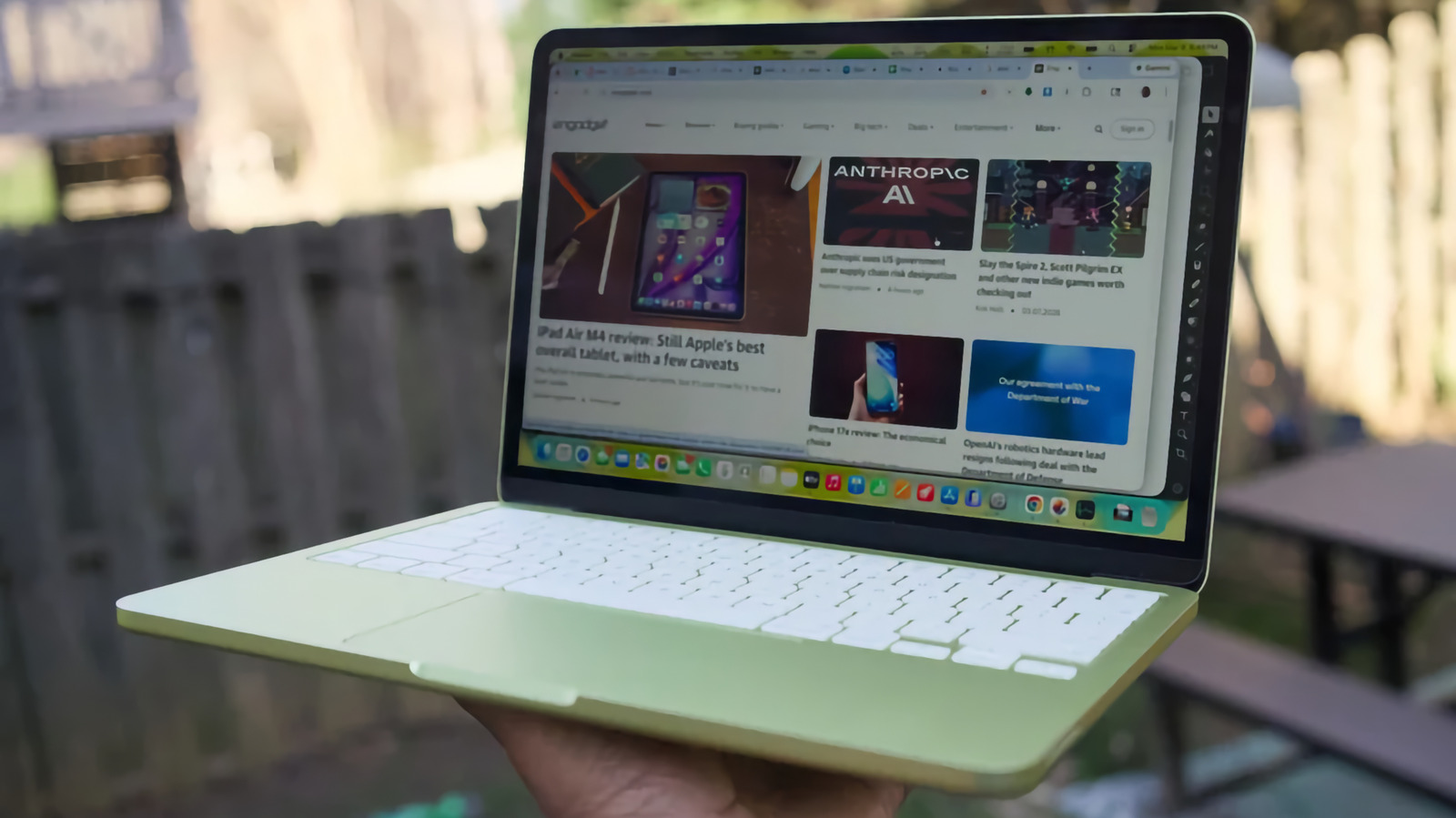
This phased approach to OLED adoption reflects Apple’s meticulous integration process, ensuring quality control and supply chain stability. OLED technology offers several advantages over traditional LCDs, including individual pixel illumination for perfect blacks, higher contrast ratios, wider color gamuts, and faster response times. These characteristics are particularly beneficial for tasks requiring precise color accuracy, such as graphic design, photo editing, and video production, but also enhance the general user experience with sharper text and more immersive media consumption. The move also positions Apple to compete more effectively with high-end Windows laptops that have already begun to incorporate OLED displays.
Further enhancing the professional Mac lineup, Pro and Max versions of the M7 chip are also slated for introduction on next year’s MacBook Pros. These chips will build upon the foundational M7 architecture, offering increased CPU and GPU cores, expanded unified memory, and specialized media engines to tackle the most demanding professional workloads with unprecedented speed and efficiency. This continuous escalation of silicon power is a cornerstone of Apple’s strategy to attract and retain creative and technical professionals.
Broader Implications: Pricing, Market Position, and User Experience
Apple’s aggressive product roadmap comes with significant implications for consumers and the broader technology market. The company recently raised prices across much of its Mac lineup in June 2025. This historical context raises concerns that the forthcoming upgrades, especially those incorporating advanced technologies like OLED touchscreens and next-generation silicon, might be accompanied by further price hikes. The high demand for memory components in the current market also contributes to increased manufacturing costs, which are often passed on to consumers.
However, Apple is reportedly exploring mitigation strategies, including a new hardware leasing program. Such a program could make premium devices more accessible by spreading the cost over time, potentially easing the financial burden for individuals and businesses looking to upgrade to the latest technology. This subscription-like model for hardware could also foster greater customer loyalty and provide a more predictable revenue stream for Apple, mirroring trends seen in the smartphone market.
The strategic decision to introduce touchscreens to the Mac, particularly with a dedicated "MacBook Ultra" and macOS interface tweaks, signals a profound evolution in user interaction. This move could potentially bridge the gap between the touch-centric iPad experience and the precision-oriented Mac environment, offering users the best of both worlds. Developers will likely need to adapt their applications to support touch input, potentially leading to a richer and more versatile software ecosystem for the Mac. The integration of A-series chips in models like the MacBook Neo also suggests a potential blurring of lines between Apple’s mobile and desktop platforms, allowing for greater app compatibility and cross-device functionality.
From a competitive standpoint, these extensive updates position Apple strongly against its Windows PC rivals. By consistently pushing the boundaries of custom silicon performance and integrating cutting-edge display technologies, Apple aims to offer a premium computing experience that is difficult for competitors to replicate without similar levels of hardware and software integration. The focus on power efficiency and long battery life, hallmarks of Apple Silicon, will continue to be a significant selling point, especially for portable devices.
Industry analysts widely view this aggressive refresh cycle as a testament to Apple’s confidence in its internal silicon development capabilities and its commitment to innovating across its core product categories. Component manufacturers and supply chain partners are likely already gearing up to meet the demands of these ambitious production schedules, indicating a period of significant activity within the tech industry.
In conclusion, the rumored updates paint a picture of an Apple deeply invested in the future of the Mac. By introducing a new MacBook Neo, integrating OLED touchscreens, and continuously advancing its M-series and A-series chips, Apple is not just iterating but fundamentally reshaping the Mac experience. These changes, while potentially impacting pricing, promise to deliver unprecedented performance, design innovation, and user interaction possibilities, solidifying the Mac’s position as a leader in personal computing for years to come.