Metty Iskandar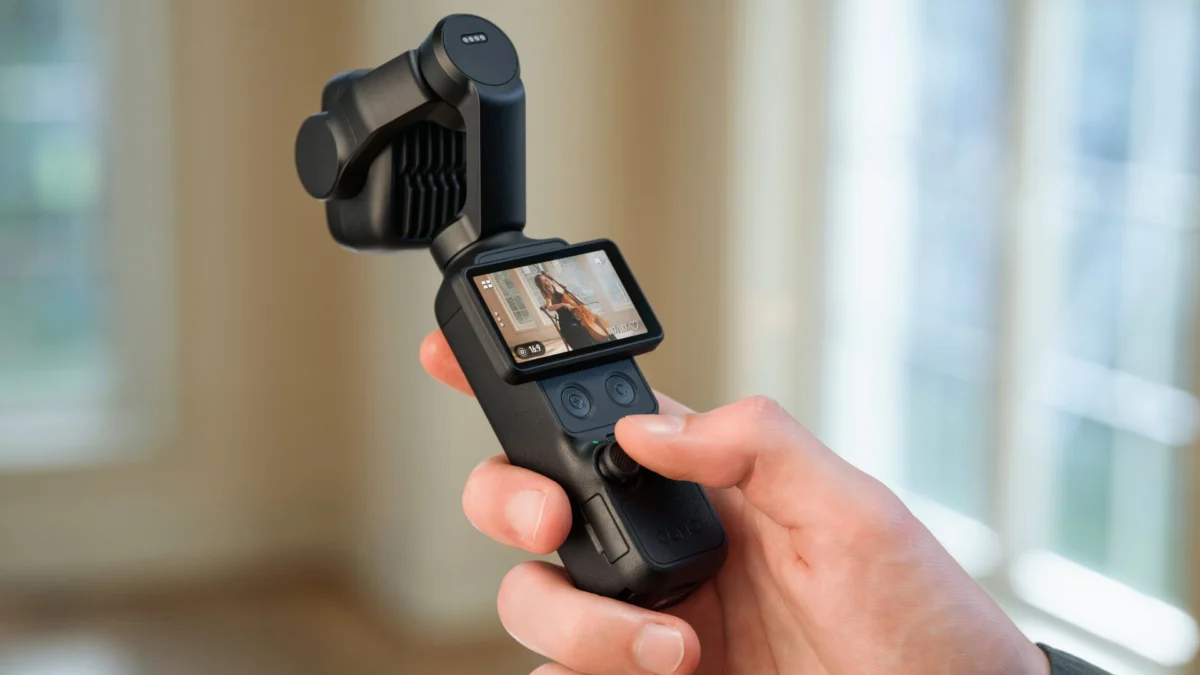
Following a discreet unveiling at the Cannes Film Festival and a subsequent reveal in China, DJI has officially brought its latest pocket-sized gimbal camera, the Osmo Pocket 4P, to the global market. This new iteration builds upon the foundation of the recently launched Osmo Pocket 4, differentiating itself primarily through an innovative dual-lens system designed to elevate portrait videography and photography. The global rollout marks a significant expansion for DJI’s popular compact camera line, offering creators enhanced flexibility and professional-grade features in an ultra-portable form factor.
A Dual-Lens Revolution for Portraiture
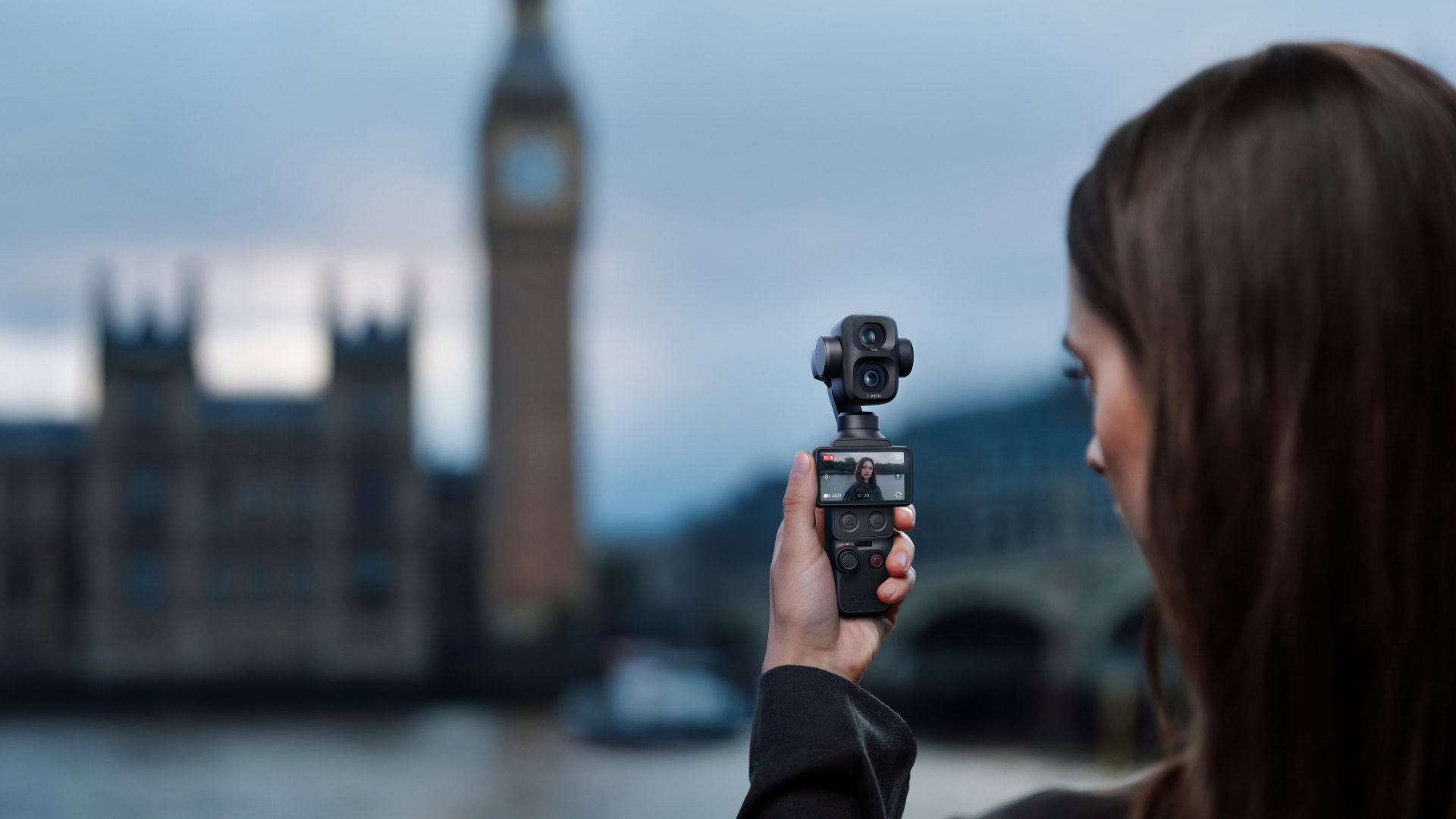
The most striking advancement in the Osmo Pocket 4P is its sophisticated dual-camera configuration. While the standard Osmo Pocket 4 features a single, versatile lens, the 4P introduces a specialized secondary camera meticulously engineered for portraiture. This strategic addition aims to address a growing demand among content creators for more refined and aesthetically pleasing portrait shots and videos, often characterized by natural depth-of-field effects and flattering focal lengths.
The primary camera on the Osmo Pocket 4P is equipped with a new 1-inch CMOS sensor. This sensor, combined with a 20mm equivalent focal length and an f/2.0 aperture, promises exceptional image quality. DJI highlights that this setup delivers an impressive 17 stops of dynamic range, a feature attributed to its proprietary LOFIC (Low-Power Integrated Circuit) technology. This advanced dynamic range capability allows the camera to capture a wider spectrum of light and shadow detail, rivaling professional cinema cameras and providing significantly more latitude for post-production color grading. In terms of video performance, the main sensor matches the standard Pocket 4 by supporting 4K recording at frame rates up to 240fps, enabling stunning ultra-slow-motion footage.
Complementing the main shooter is a dedicated 60mm medium telephoto lens, featuring a wider f/1.8 aperture. This secondary camera is the linchpin of the Osmo Pocket 4P’s portrait capabilities. It offers a 3x optical zoom, allowing users to frame subjects without physical proximity, which is often crucial for natural-looking portraits. Beyond the optical reach, the camera supports up to 12x digital zoom, providing further compositional flexibility. DJI asserts that the combination of the longer focal length and the wide aperture on this secondary lens produces portraits with a more pleasing perspective and a more pronounced, natural background blur (bokeh), distinguishing it from the output of the standard Osmo Pocket 4. This feature is particularly beneficial for vloggers, travel documentarians, and anyone looking to add a professional cinematic touch to their subject-focused content.
Advanced Imaging and Color Science
Beyond the hardware innovations, the Osmo Pocket 4P introduces significant advancements in its imaging pipeline, particularly with the integration of 10-bit D-Log 2. This new color profile is a substantial upgrade, capable of recording over one billion colors. The implications of 10-bit color depth are profound for professional workflows. It dramatically reduces color banding and allows for much smoother transitions between different tones and hues, offering creators unparalleled flexibility during color grading sessions. When paired with the device’s already impressive 17-stop dynamic range, the Osmo Pocket 4P is positioned to preserve intricate details in both the brightest highlights and the deepest shadows, delivering footage that closely mimics the sophisticated look of cinema-grade productions.
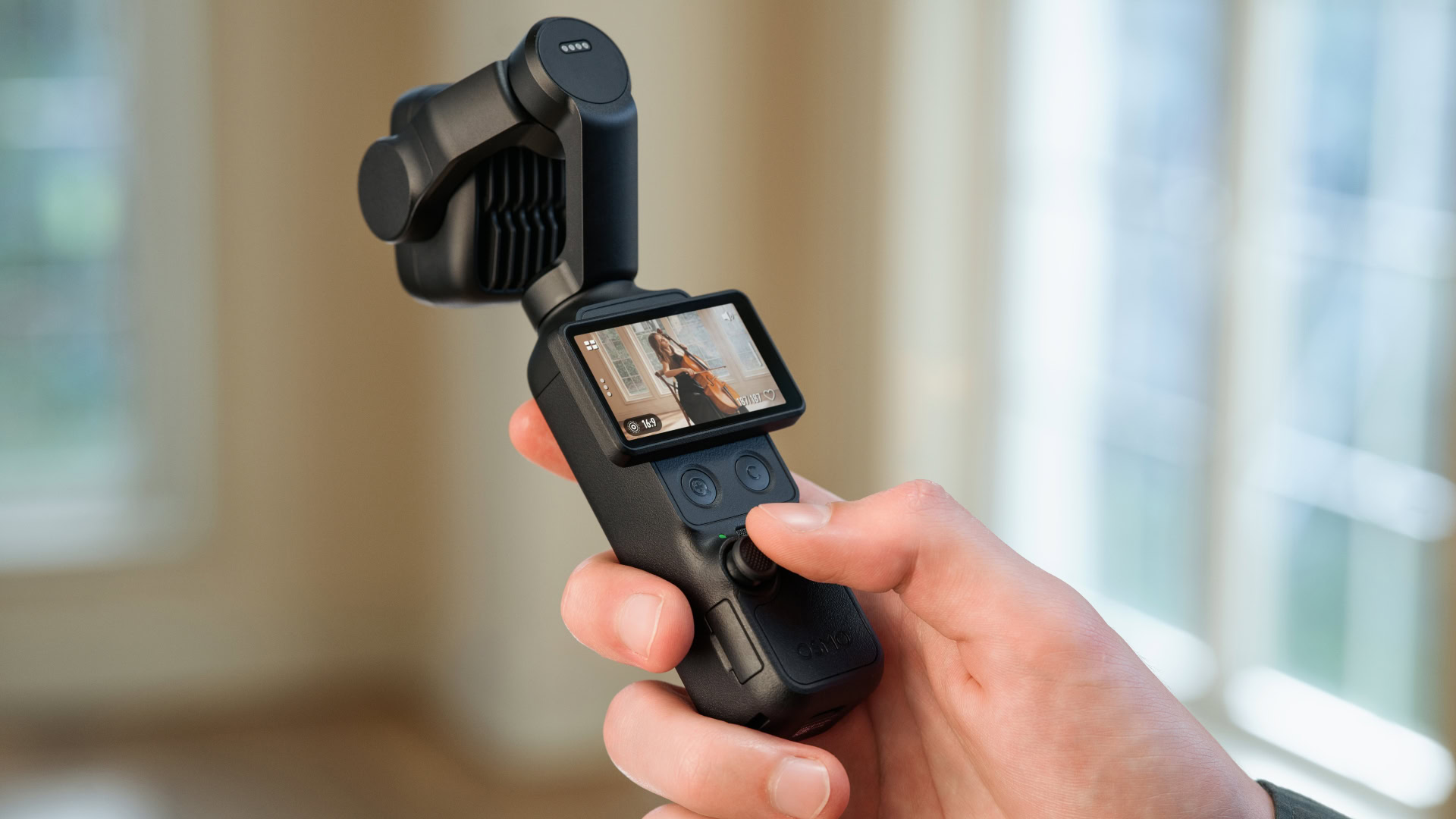
The ability to record 4K video at up to 240fps on the main sensor continues to be a highlight, enabling the creation of dramatic 8x slow-motion sequences that can add a layer of cinematic flair to any video project. Furthermore, the inclusion of a "Slow Shutter Video" mode allows for the intentional introduction of motion blur and the capture of light trail effects, opening up creative avenues for capturing dynamic scenes and urban landscapes at night. These features underscore DJI’s commitment to providing advanced creative tools within its compact gimbal camera ecosystem.
Familiar Form Factor, Smarter Stabilization and Tracking
Despite the significant internal upgrades, the Osmo Pocket 4P retains the signature compact and ergonomic design that has made the Osmo Pocket series so popular. Weighing approximately 230g, the device remains exceptionally portable, fitting easily into a pocket or small bag. The core of its stable footage lies in DJI’s renowned 3-axis mechanical gimbal stabilization, which effectively counteracts shakes and jitters, ensuring smooth and professional-looking video even when the user is in motion.
A notable enhancement on the 4P is the upgraded ActiveTrack 8.0 system. This intelligent subject tracking technology has been refined to offer more robust and accurate tracking of a wider range of subjects, including people, pets, and vehicles. ActiveTrack 8.0 aims to keep the chosen subject consistently centered in the frame, a critical feature for dynamic shooting scenarios. DJI claims that the tracking capabilities remain effective even when utilizing the full 12x zoom, a significant technical achievement. Moreover, the system can now intelligently detect and frame multiple people within the scene, simplifying group shots and dynamic interactions. This advanced tracking system significantly reduces the need for manual camera adjustments, allowing creators to focus more on their subject and narrative.
Chronology of the Osmo Pocket 4P’s Emergence
The journey of the Osmo Pocket 4P from concept to global release has been a methodical one. The initial launch of the Osmo Pocket 4 in early April set the stage, introducing a suite of improvements over its predecessor. Approximately a month later, in May, DJI offered the first glimpse of the Osmo Pocket 4P at the prestigious Cannes Film Festival. At this early stage, information was limited, with the dual-camera setup being the primary distinguishing feature revealed. This strategic preview at a high-profile film event signaled DJI’s intent to position the 4P as a tool for professional and semi-professional filmmakers.
The device then made its official debut in China, a key market for DJI, a month after the Cannes reveal. This regional launch provided a more comprehensive understanding of the product’s specifications and features. Finally, in June, DJI expanded the availability of the Osmo Pocket 4P to a global audience, including Europe, the UK, Canada, and Australia, making it accessible to a wider range of content creators worldwide. This phased rollout allowed DJI to build anticipation and gather initial market feedback before a broader international release.
Pricing, Availability, and Regional Considerations
The Osmo Pocket 4P is launching in several key international markets, with specific pricing and bundle options announced. In the United Kingdom, the Standard Combo is priced at £529 (approximately $706 USD), while the more comprehensive Vlog Combo is available for £605 (approximately $807 USD). These prices reflect the premium features and advanced capabilities of the new model. DJI has confirmed that the pricing will be consistent across both the Black and Pearl White color variants of the camera. The Black model is available from the official launch date, with the Pearl White version expected to follow at a later time.
However, a notable point of interest is the device’s availability in the United States. DJI has confirmed that the Osmo Pocket 4P will not be released in the US market at this time, citing that product authorization is still pending. This situation highlights the complex regulatory landscape that technology companies navigate in different regions, and it may present a challenge for US-based creators eager to acquire this new tool. The absence of the 4P in the US market, while it becomes available elsewhere, could lead to increased demand through unofficial import channels or a delay in its eventual release.
Analysis of Implications and Market Position
The introduction of the Osmo Pocket 4P signifies DJI’s strategic move to cater to a more discerning segment of the content creation market. By incorporating a dedicated portrait lens and advanced color science features like 10-bit D-Log 2, DJI is clearly targeting creators who prioritize image quality and stylistic control, particularly those focusing on human subjects. The dual-lens system addresses a common limitation of single-lens compact cameras – the compromise between wide-angle versatility and flattering telephoto compression for portraits.
The enhanced ActiveTrack 8.0 further solidifies the Osmo Pocket 4P’s position as a user-friendly yet powerful tool. Its ability to maintain stable tracking even at higher zoom levels is crucial for documentary filmmaking and dynamic event coverage, where constant manual adjustments would be impractical. The continued compatibility with DJI’s extensive Osmo accessory ecosystem, including filters, battery handles, and microphones, ensures that users can expand the camera’s functionality to suit a wide array of shooting needs, from professional vlogging setups to more elaborate cinematic rigs.
The device’s positioning, with its advanced features and premium pricing, places it in direct competition with other high-end compact cameras and even some mirrorless camera setups when considering the cost of adding a comparable gimbal. However, the Osmo Pocket 4P’s unique selling proposition remains its all-in-one, ultra-portable design, which is difficult for traditional camera and gimbal combinations to match in terms of convenience and speed of deployment.
The exclusion from the US market, while a temporary setback, does not diminish the global significance of this launch. It underscores DJI’s commitment to innovation in the portable imaging space and sets a new benchmark for what can be expected from pocket-sized gimbal cameras. As content creation continues to evolve, with an increasing emphasis on high-quality, visually engaging video, the Osmo Pocket 4P appears poised to become an indispensable tool for creators seeking to push the boundaries of their craft.