Galang Taruna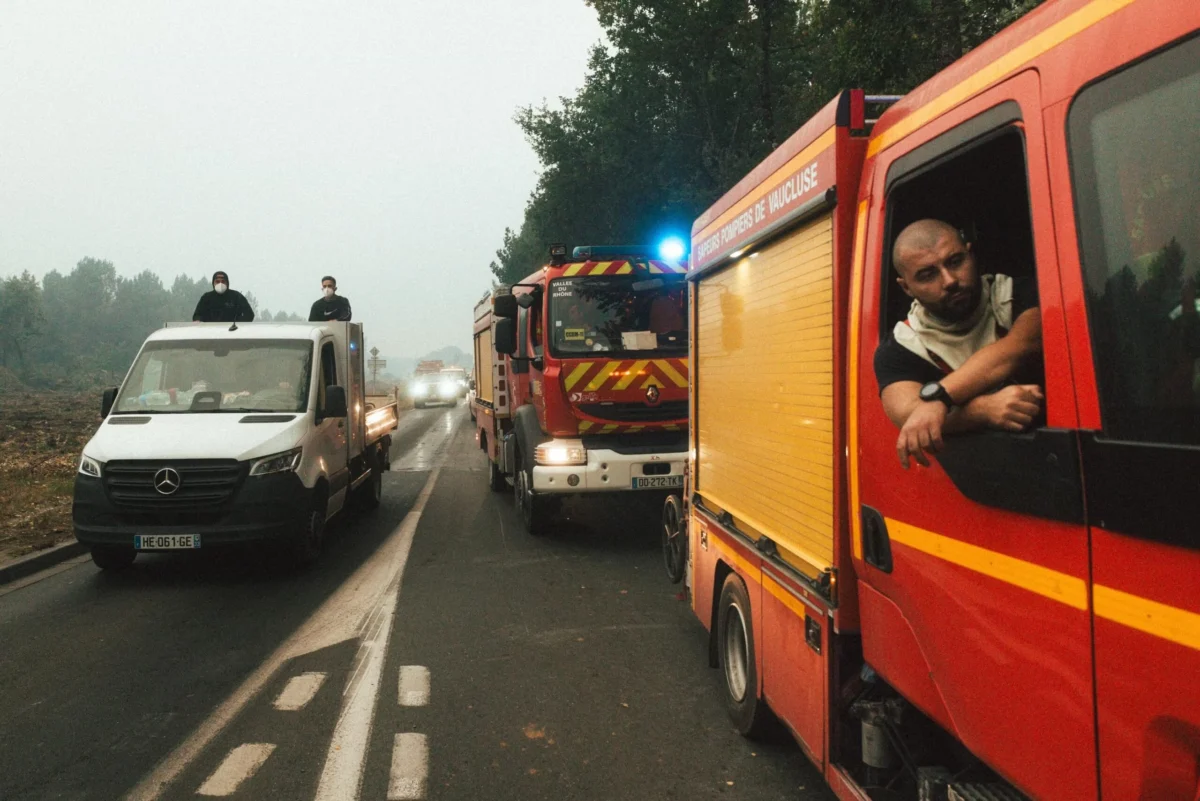
The devastating wildfires that swept across the Gironde department in 2026 forced an unprecedented 220,000 people to evacuate, with the inferno drawing dangerously close to Bordeaux. As communities grappled with the immediate threat and the logistics of mass displacement, a critical question emerged for many modern motorists: how do electric vehicles (EVs) fare in such high-stress, rapidly unfolding scenarios, especially when compared to their gasoline and diesel counterparts? This question, once a niche concern, has moved to the forefront of emergency preparedness discussions as the global fleet of electric cars continues to expand. An in-depth analysis of real-world incidents and technical data provides clarity on the advantages and vulnerabilities of EVs during emergencies.
The Gironde Crisis: A Case Study in Evacuation Challenges
The 2026 Gironde wildfires, specifically the blaze originating in Saumos, presented a stark illustration of the challenges inherent in large-scale evacuations. Igniting on July 22, the fires rapidly spread, pushed by erratic winds, impacting vast swathes of forestland and threatening residential areas. By July 27, the prefecture of Gironde reported nearly 42,000 hectares consumed by the flames, necessitating the preventive evacuation of a quarter of a million individuals. The geographical peculiarities of the region, such as the Lège-Cap-Ferret peninsula, with its single arterial road connecting it to the mainland, exacerbated evacuation complexities. Reports indicated that some residents and tourists were compelled to seek escape via the sea, underscoring the severity and multi-modal nature of the crisis. Such bottlenecks naturally fuel anxieties, particularly among electric vehicle owners who ponder the potential of running out of charge at the most critical juncture.
The sheer scale and rapid progression of the Gironde fires served as a potent reminder of the escalating threat posed by climate change-induced extreme weather events. France, like many Mediterranean countries, has experienced an increase in the frequency and intensity of wildfires, often leading to significant ecological damage, economic disruption, and threats to human life. The 2026 events were not isolated, following a pattern of increasingly severe fire seasons in recent years across Europe, from the Iberian Peninsula to Greece. This broader context elevates the discussion around vehicle readiness during disasters from a mere technical comparison to a vital component of national and regional resilience strategies. Local authorities, including the Gironde prefecture and emergency services, faced immense pressure to manage the crisis, issuing timely evacuation orders and coordinating resources. The logistical challenge of moving such a large population, many in personal vehicles, brought to light the practical implications of different vehicle types in an emergency.
Electric Vehicles vs. Internal Combustion Engines: The Evacuation Debate
To adequately address concerns about EV performance during evacuations, it is crucial to dissect the issue into distinct operational phases: initial departure, prolonged traffic congestion, and sustained disruption to supply chains.
Initial Fueling/Charging Speed
In the immediate moments before an evacuation, when drivers are scrambling to ensure their vehicles are ready, internal combustion engine (ICE) vehicles retain a clear advantage for a rapid top-up. A typical gasoline or diesel car can be refueled in approximately three to five minutes at a service station. In contrast, even with the advent of high-power DC fast charging, replenishing an electric vehicle’s battery from a low state to a sufficient level for travel can take anywhere from fifteen to thirty minutes, depending on the charger’s output and the vehicle’s charging capabilities. This time difference, while seemingly minor, can feel significant in an urgent evacuation scenario, potentially creating bottlenecks at charging stations if many drivers attempt to charge simultaneously. This aspect highlights the importance of proactive charging habits for EV owners in vulnerable areas.
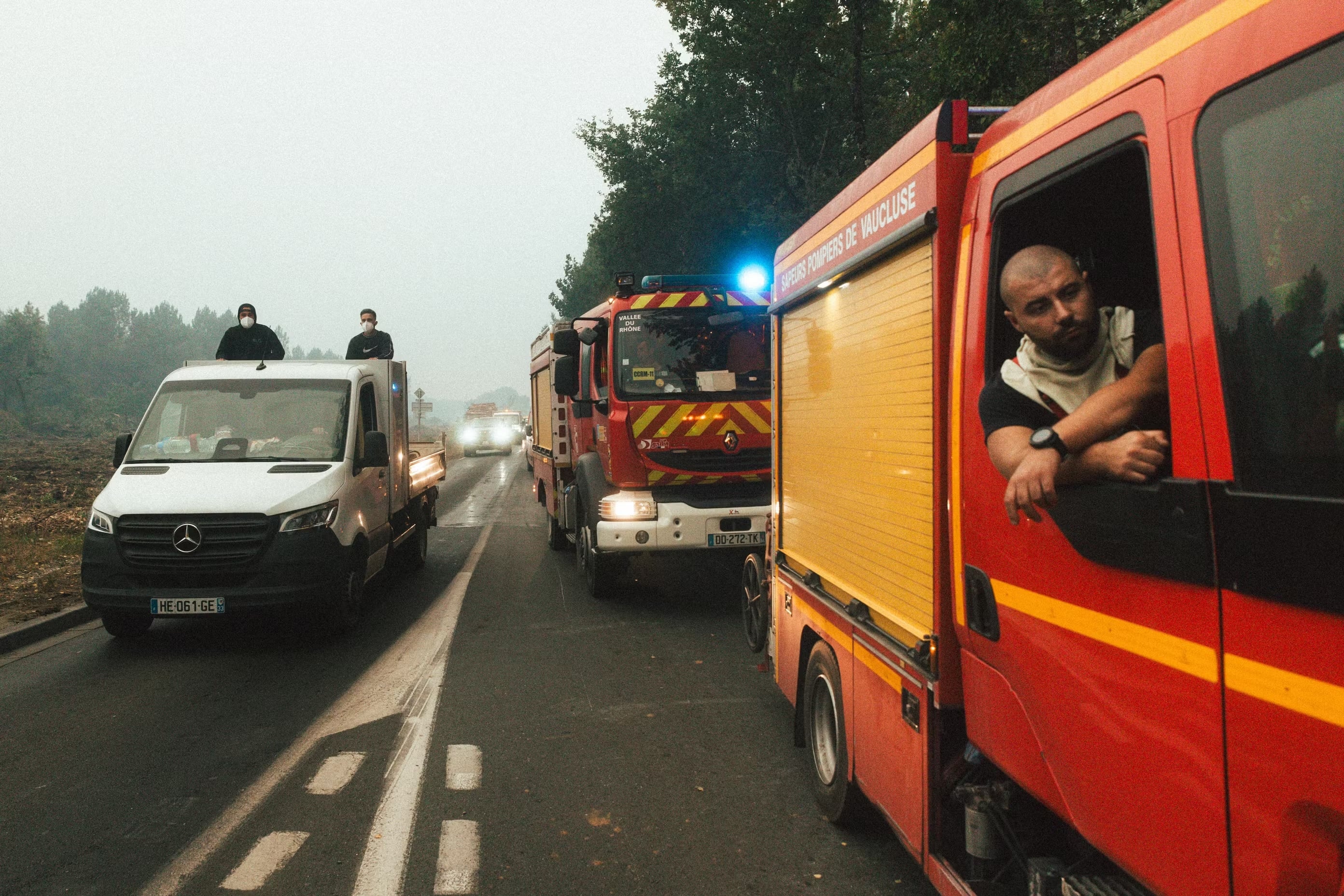
The Traffic Jam Scenario: Efficiency in Standstill
However, this advantage quickly reverses if an evacuation route becomes gridlocked. The primary fear for many EV drivers is depleting their battery while stuck in traffic, especially when running the air conditioning in hot conditions. Extensive testing has largely debunked this widespread anxiety. In 2024, the ADAC, Germany’s largest automobile club, conducted a highly relevant experiment. They simulated an eight-hour traffic jam in a climate chamber in Landsberg am Lech, using a Tesla Model Y. Conditions were set to 35°C with UV lamps mimicking intense sunlight, and the air conditioning was programmed to maintain a comfortable 20°C inside the cabin.
The results were compelling: over eight hours, the Tesla consumed only 12 kWh of energy. This equates to an average continuous power draw of approximately 1.5 kW, representing a loss of roughly 8 kilometers of range per hour. Crucially, the cabin temperature remained below 25°C throughout the test, even as the windshield surface soared to 60°C. This minimal consumption is attributed to the direct operation of the EV’s air conditioning compressor from the battery, without the need for an idling engine. This eliminates the mechanical losses associated with an ICE vehicle.
Conversely, an ICE vehicle in a similar scenario must keep its engine running to power the air conditioning and other auxiliary systems. This idling typically consumes between 1 to 1.5 liters of fuel per hour, depending on the engine size and efficiency. While this consumption rate might not immediately deplete a full tank, it adds up over several hours, and the vehicle is also generating heat and emissions unnecessarily. In extreme heat, this continuous idling can also put stress on an engine.
For an evacuation route like the 60-kilometer stretch from Cap-Ferret to Bordeaux, even if traversed over five hours of stop-and-go traffic under high heat, an average electric city car (e.g., with a 40-50 kWh battery) starting with a half-full battery would still arrive with a considerable margin. Low-speed driving is, in fact, one of the most energy-efficient modes for an EV, maximizing its range due to regenerative braking and reduced aerodynamic drag. An EV starting on a low charge would certainly face a tight situation, but no more so than a diesel vehicle with its fuel gauge hovering near empty.
Vulnerabilities in Supply Chains: Electricity vs. Fuel
The debate extends beyond individual vehicle performance to the resilience of the energy supply networks themselves. A common argument against EVs in emergencies is the potential vulnerability of the electrical grid compared to the seemingly more robust infrastructure of liquid fuel.
The Electrical Grid’s Resilience
It is true that without an electrical grid, charging stations cease to function. The Los Angeles wildfires in January 2025 offered a glimpse into this challenge, with some charging points destroyed or disconnected, leading to queues at operational ones. However, this argument often overlooks a critical detail: gasoline and diesel pumps are themselves electrically operated. The extensive blackout that affected Spain, Portugal, and parts of southwestern France for approximately ten hours on April 28, 2025, illustrated this point vividly. Numerous motorists found themselves stranded not because they lacked fuel in their tanks, but because service stations were unable to activate their pumps. This incident highlighted that the dependency on electricity is not unique to EVs; it underpins the entire modern fuel distribution system.
While localized power outages can temporarily disable charging stations, the electrical grid in many developed nations is a highly interconnected and "meshed" network. This design allows for rerouting power and isolating faults, often leading to relatively swift repairs, sometimes within hours. Grid operators like RTE in France have sophisticated systems for managing power flow and responding to incidents. Furthermore, the increasing decentralization of electricity generation, with more local solar, wind, and battery storage installations, enhances overall grid resilience and can provide localized power even if the main grid is compromised. The potential for microgrids, which can operate independently from the main grid, also offers a promising pathway for maintaining power in critical areas.

Fuel Dependency: A Different Kind of Fragility
The supply chain for liquid fuels, while appearing robust in normal times, possesses its own distinct fragilities. The French refinery strikes in October 2022 provided a stark example of this. Without the need for a natural disaster, industrial action alone brought six out of eight refineries to a halt, leading to widespread fuel shortages. Thousands of service stations across France experienced ruptures in supply for several days, with up to a third of the vehicle fleet in the most affected regions struggling to find fuel. The government was eventually forced to requisition workers to unblock fuel depots, underscoring the critical nature of this physical supply chain. The economic impact was substantial, with reports of lost productivity and disruption to daily life.
A service station’s operation relies on a complex, linear physical chain: refinery production, depot storage, tanker truck transport, and finally, the station’s underground tanks. A failure at any single link in this chain – be it a strike, a blocked road, or a damaged depot – can cascade into widespread shortages. In contrast, while the electrical grid can be disrupted, its inherent redundancy and the ability to rapidly restore power or even operate locally (microgrids) often make it more adaptable in prolonged crises than a geographically concentrated and logistically complex fuel supply system. The diversification of electricity sources (solar, wind, nuclear, hydro, etc.) also provides a level of resilience that a single-source fuel supply cannot match.
Beyond Mobility: EVs as Emergency Power Sources (V2L)
One significant advantage that electric vehicles offer, which internal combustion engine vehicles cannot, is their capacity to serve as mobile power banks. The Vehicle-to-Load (V2L) function, now integrated into several EV models such as the Renault 5 E-Tech, Hyundai Ioniq 5, Kia EV6, MG4, and BYD models, allows the vehicle’s high-capacity battery to supply 230-volt AC power to external appliances via a standard outlet. For instance, the Renault 5 E-Tech can provide up to 3.7 kW of power, capable of running multiple household items simultaneously.
This capability transforms an EV into a crucial emergency resource. A typical 50 kWh EV battery can provide three to five days of electricity for an average household (assuming an average daily consumption of 10-15 kWh), powering essential appliances like refrigerators, lighting, and communication devices (internet routers, phone chargers) during a power outage. This means families can maintain critical functions and stay connected while awaiting the restoration of grid power. In scenarios like the Gironde fires, where widespread power cuts accompanied the evacuations, an EV with V2L could be invaluable for those who remained in unaffected areas or returned home to find their power supply disrupted. This feature moves EVs beyond mere transportation devices to active components of household and community resilience.
The Role of Solar Power in Resilience
It is important to note, however, that while solar panels offer a promising avenue for energy resilience, standard grid-tied photovoltaic systems will not typically recharge an EV or power a home during a blackout. For safety reasons, these systems’ inverters automatically disconnect from the grid the moment a power outage is detected, preventing current from being fed back into lines where utility technicians might be working. To leverage solar power during a grid failure, a more sophisticated setup is required: a hybrid inverter equipped with a backup mode, paired with a dedicated battery storage system. This configuration allows a household to produce and store its own electricity, enabling off-grid operation and ensuring power continuity. As battery prices decline and energy independence becomes a greater priority, such hybrid solar-plus-storage systems are becoming increasingly popular, providing a localized, self-sufficient energy solution that gasoline generators cannot match. This shift towards distributed generation further bolsters the resilience of an electricity-dependent future compared to one reliant on centralized, vulnerable fuel deliveries.
Preparing for the Future: Policy and Infrastructure
Given the evolving landscape of transportation and the increasing frequency of climate-related disasters, emergency preparedness must adapt. The insights from incidents like the Gironde fires and the broader analysis of EV capabilities highlight several critical areas for policy and infrastructure development.

Addressing Charging Infrastructure Gaps
One primary concern remains the potential for long queues at public charging stations during mass evacuations, especially if a significant portion of the population relies on them. This underscores the need for strategically placed, high-capacity charging hubs along major evacuation routes, potentially equipped with temporary power generation or battery storage solutions for enhanced resilience. Furthermore, incentivizing home charging solutions is paramount, ensuring that a higher percentage of EV owners start an evacuation with a full "tank." Public awareness campaigns encouraging drivers to maintain a sufficient charge level, particularly in areas prone to emergencies, are also crucial. Governments could consider subsidies or incentives for installing home charging infrastructure, especially in rural or disaster-prone regions.
Emergency Preparedness Evolution
Emergency services themselves will need to integrate EV-specific considerations into their disaster response plans. This could include deploying mobile charging units, establishing dedicated EV charging lanes during evacuations, and educating first responders on handling EV-related incidents (e.g., battery fires, which require different suppression techniques than gasoline fires). Communication strategies must also evolve to provide real-time information on operational charging stations and estimated wait times, potentially through dedicated emergency apps or government advisories. Public officials, such as those from the Gironde prefecture, might increasingly issue specific recommendations for EV owners as part of broader evacuation protocols.
The narrative surrounding "range anxiety" in EVs, particularly during disasters, needs to be balanced with an understanding of "fuel anxiety" and the vulnerabilities of the fossil fuel supply chain. The ability of EVs to provide household power via V2L also presents a significant opportunity for disaster relief and community resilience, which should be actively promoted and integrated into preparedness strategies. Governments and urban planners should consider policies that encourage V2L capabilities in new EV models and explore how these vehicles can be leveraged as distributed energy resources during grid outages, perhaps even by integrating them into smart grid systems.
Conclusion
Can one evacuate confidently in an electric vehicle? For local evacuations of 50 to 70 kilometers, such as those seen in Gironde, the answer is a resounding yes, with battery performance posing no real suspense. The ADAC tests and real-world scenarios confirm that EVs are remarkably efficient in traffic jams, consuming minimal energy even with air conditioning running.
The true challenges lie elsewhere: potential bottlenecks at public charging stations if everyone attempts to charge simultaneously, and the vulnerability of drivers who lack home charging and may not depart with a full battery. However, as a crisis deepens and extends over several days, the question shifts from immediate vehicle range to the resilience of the overall energy supply. In this longer-term perspective, an electricity network that is increasingly meshed, reparable within hours, and capable of local self-sufficiency often proves more robust than a liquid fuel supply chain dependent on a vulnerable series of physical links, from refinery to tanker truck. The added dimension of EVs acting as mobile power sources further tips the scales, positioning them not just as a mode of transport but as an integral part of future disaster resilience strategies. The Gironde fires, while tragic, provided invaluable lessons, affirming that electric vehicles, far from being a liability, can be a valuable asset in the face of escalating environmental challenges and the growing need for robust emergency preparedness.