Evan Lee Salim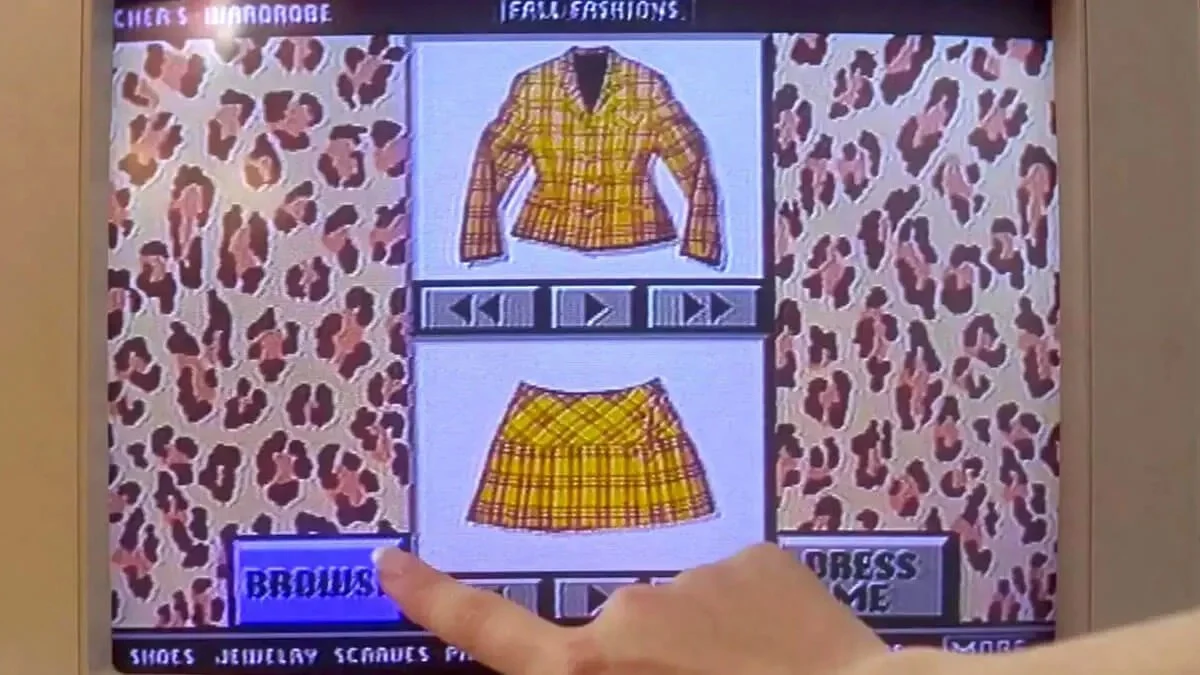
Google has announced the comprehensive rollout of its innovative AI-powered virtual closet feature, a functionality that transforms users’ outfit photographs into an organized digital wardrobe. This new tool, widely recognized for drawing inspiration from Cher Horowitz’s iconic virtual wardrobe application in the classic 1995 film "Clueless," is now accessible to all users across the United States, Brazil, and India, compatible with both iOS and Android devices. This development marks a significant step in Google’s ongoing efforts to integrate advanced artificial intelligence into its popular consumer products, enhancing user convenience and interaction with their digital content. The feature, initially previewed earlier this year with a planned summer launch, first became available to Android users in June before its current broad deployment to both major mobile operating systems in the specified markets.
A New Era of Digital Wardrobe Management
The concept of a digital closet, once a futuristic fantasy depicted in popular culture, has now been democratized by Google Photos. In "Clueless," Cher Horowitz’s sophisticated computer system for outfit selection served to underscore her privileged Beverly Hills lifestyle, where an extensive wardrobe necessitated digital organization. Today, Google’s implementation makes such technology accessible to a vast global audience, irrespective of their socio-economic status. Leveraging sophisticated AI algorithms, Google Photos constructs a virtual replica of a user’s wardrobe by analyzing clothing items captured in their personal photographs. This intelligent system then allows users to categorize and filter these items—ranging from tops and bottoms to jewelry and other accessories—and subsequently mix and match them to curate new outfits digitally. This not only streamlines the daily decision-making process of choosing what to wear but also potentially encourages users to explore new combinations with their existing garments, fostering a more sustainable approach to fashion by maximizing wardrobe utility.
The development of this feature aligns with Google’s broader strategy of infusing AI into everyday applications, transforming them from mere utilities into intelligent assistants. Google Photos, which boasts over a billion users globally and stores trillions of photos, is a natural platform for such an innovation. The sheer volume of visual data processed by the application provides an unparalleled training ground for its AI models, enabling high accuracy in object recognition and categorization. This virtual closet functionality is designed with user assistance as its primary objective, as confirmed by Google, with explicit assurances that data pertaining to user dressing habits or specific apparel choices will not be shared with third-party entities, such as retailers or advertisers. This privacy-centric approach is crucial in an era of increasing concerns about data monetization and user profiling, aiming to build trust and encourage widespread adoption of the feature.
Chronology of Innovation and Rollout

The journey of Google’s virtual closet from concept to widespread availability reflects a deliberate and phased rollout strategy. The initial announcement earlier this year generated considerable buzz, particularly given its nostalgic nod to "Clueless." Google signaled its intent to begin the rollout during the summer months, a period often associated with major product updates from tech giants. True to this timeline, Android users in the targeted regions were the first to experience the feature, gaining access in June. This staggered approach allowed Google to gather initial user feedback and fine-tune the functionality before a broader release. The current availability for all iOS and Android users in the U.S., Brazil, and India signifies the completion of this initial deployment phase, bringing the AI-powered digital wardrobe to a significant portion of Google Photos’ global user base. This methodical rollout underscores Google’s commitment to delivering polished and robust features, iteratively improving them based on real-world usage.
This specific feature’s rollout is also contextualized within a larger suite of updates to Google Photos, highlighting the platform’s evolution beyond simple cloud storage and basic editing. The continuous integration of advanced AI capabilities across its ecosystem demonstrates Google’s long-term vision for its products. The company’s consistent investment in AI research and development, exemplified by its Gemini models, underpins these innovations, pushing the boundaries of what consumer-grade applications can achieve. The timeline of these developments reflects a broader industry trend where artificial intelligence is becoming an indispensable component of user experience, offering personalized and intelligent interactions across various digital touchpoints.
Accompanying Enhancements to Google Photos
The virtual closet feature is not an isolated update but part of a more extensive refresh of Google Photos, introducing several other AI-driven and utility enhancements designed to enrich the user experience. Among these is a notable integration with Gemini Spark, Google’s conversational AI assistant. This new capability allows users to select, brighten, and share their photos using simple natural language prompts, streamlining complex editing and sharing workflows into a single, intuitive interaction. It is important to note that access to the Gemini Spark feature, specifically for these advanced photo manipulations, currently requires a Google AI Pro or Ultra subscription in the U.S., signaling a tiered approach to premium AI functionalities. This integration underscores Google’s strategy of weaving its powerful AI models directly into its core applications, making them more versatile and responsive to user commands.
Furthermore, Google Photos has rolled out an upgraded Markup tool, significantly enhancing its photo annotation and editing capabilities. Users can now employ a redacting pen to blur sensitive information, such as license plates or personal details, directly within their images, adding a layer of privacy and security to shared content. The tool also introduces precise thickness sliders for custom sketches, offering greater creative control to users who wish to draw or highlight elements in their photos. Additionally, an expanded selection of fonts is now available for adding text to images, allowing for more personalized and expressive visual storytelling. These improvements to the Markup tool cater to a diverse range of user needs, from practical privacy concerns to creative expression.
Android users also benefit from exclusive new photo filters known as "Moods." These filters are designed to impart distinct stylistic aesthetics to images, offering options such such as "35mm film," "2000s digicam," and other nostalgic or artistic looks. This feature taps into the growing trend of retro photography and digital nostalgia, allowing users to effortlessly transform the ambiance and character of their photos. These collective updates solidify Google Photos’ position as a comprehensive photo management and editing suite, continuously evolving with advanced AI and user-centric design principles.

Market Context and Supporting Data
The introduction of Google Photos’ AI-powered virtual closet arrives at a time of significant growth and innovation in the intersection of artificial intelligence and the fashion industry. The global market for AI in fashion is projected to reach substantial figures, driven by demands for personalization, supply chain optimization, and enhanced customer experiences. While virtual try-on technologies and AI-driven trend forecasting have gained traction, the concept of a digital wardrobe management system directly integrated into a widely used photo application presents a unique proposition. Existing digital wardrobe apps, such as Stylebook or Pureple, typically require manual input or dedicated photography, which can be time-consuming. Google Photos’ approach, leveraging existing photo libraries and automated AI recognition, significantly lowers the barrier to entry for users.
Google Photos’ massive user base, exceeding one billion active users, provides an unparalleled platform for the adoption of this feature. The average smartphone user captures hundreds, if not thousands, of photos annually, many of which include daily outfits. This vast repository of visual data, already managed by Google Photos, becomes the raw material for the virtual closet, requiring minimal additional effort from the user. This strategic integration within an already dominant application positions Google to capture a significant share of the nascent digital wardrobe market. According to industry reports, consumer interest in smart personal styling tools is on the rise, with a growing segment of users seeking digital solutions to manage their belongings and make informed choices.
Beyond individual user benefits, the feature subtly contributes to broader trends in sustainability within fashion. By making it easier for users to visualize and combine items they already own, the virtual closet could potentially encourage less impulsive purchasing of new clothes and promote greater utilization of existing wardrobes. This aligns with a global shift towards more conscious consumption and circular fashion practices. The accessibility of such a tool on a ubiquitous platform like Google Photos could significantly influence consumer behavior on a mass scale, fostering a more thoughtful engagement with personal style and consumption habits.
Privacy Assurances and Ethical AI Development
A paramount consideration for any AI feature dealing with personal data, especially images of individuals and their belongings, is privacy. Google has proactively addressed these concerns by explicitly stating that the virtual closet feature is designed solely to assist the user, and the data it processes—specifically how users dress or what they wear—is not shared with third parties, including retailers. This commitment is vital for building and maintaining user trust, particularly given past controversies surrounding data privacy in the tech industry. Users are increasingly wary of their personal information being collected, analyzed, and monetized without their explicit consent.

Google’s emphasis on privacy for this feature aligns with its broader ethical AI principles, which advocate for responsible development and deployment of artificial intelligence. By delineating clear boundaries around data usage, Google aims to mitigate fears of pervasive tracking or targeted advertising based on highly personal fashion choices. The technology processes images on the device or within secure Google cloud environments, with stringent protocols in place to prevent unauthorized access or data leakage. This transparency regarding data handling is crucial for widespread adoption, as users are more likely to embrace features that offer clear value without compromising their privacy. The company’s statements serve as an official response to anticipated user and regulatory scrutiny regarding personal data handling, establishing a framework of trust for this innovative feature.
Implications and Future Outlook
The launch of Google Photos’ AI-powered virtual closet carries significant implications for users, Google’s product ecosystem, and the broader fashion technology landscape. For individual users, the immediate benefit is unparalleled convenience in wardrobe management and outfit planning. It transforms the often-tedious task of deciding what to wear into an engaging digital experience, potentially sparking creativity and helping users discover new ways to utilize their existing clothing. Beyond daily utility, it offers a tangible step towards more sustainable fashion choices by encouraging re-wearing and re-styling, aligning with growing consumer environmental consciousness.
For Google, this feature further entrenches Google Photos as a central hub for personal digital life, moving beyond simple photo storage to become a lifestyle management tool. It enhances the platform’s stickiness and value proposition, encouraging deeper engagement and reinforcing the Google ecosystem. The integration with Gemini Spark and the upgraded Markup tool also demonstrate a cohesive strategy to weave advanced AI capabilities throughout its product offerings, creating a more intelligent and intuitive user experience. This strategic move could give Google a competitive edge against other photo management apps and even dedicated fashion tech startups that lack the scale and AI resources of a company like Google.
Looking ahead, the potential future developments stemming from this virtual closet are vast, though Google has maintained a cautious stance on explicit roadmaps. One could envision future integrations that, with explicit user consent, might connect the digital wardrobe to e-commerce platforms for personalized shopping recommendations based on existing style, or even suggest complementary items. Augmented reality (AR) capabilities could allow users to "virtually try on" items from their digital closet. Furthermore, integrating with smart home devices or digital assistants could offer contextual outfit suggestions based on weather forecasts, calendar events, or even social media trends. While these remain speculative, the foundational technology established by the virtual closet opens numerous avenues for innovation. This launch marks another milestone in the ongoing evolution of artificial intelligence from a specialized domain to an integral component of everyday consumer technology, making advanced capabilities accessible and practical for millions worldwide.