George Chandra Eka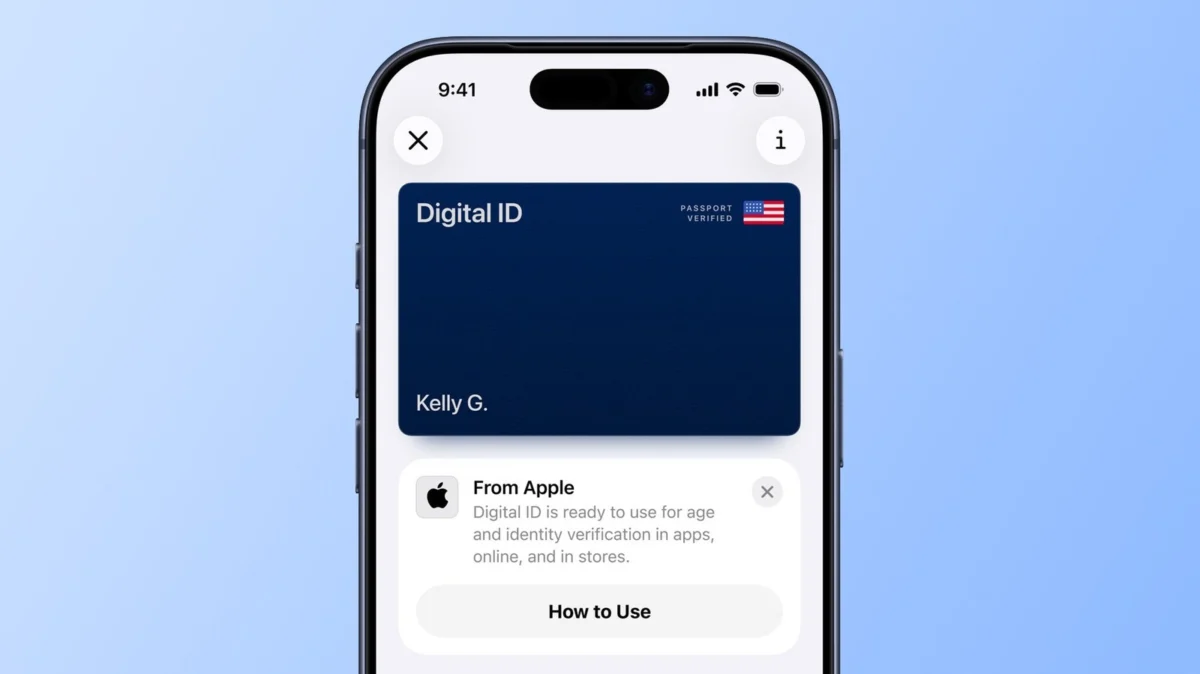
A recent incident involving Apple’s iOS 27 beta software has brought to the forefront the inherent risks associated with running pre-release operating systems on primary devices, particularly when critical functionalities like digital identification are involved. Users participating in the iOS 27 beta program reported instances where their Digital IDs, designed to streamline airport security checks, unexpectedly disappeared from their iPhone Wallet applications. While the issue was easily resolvable by re-adding the passport, the occurrence serves as a stark reminder of the potential disruptions that beta software instability can cause, especially in time-sensitive situations such as travel.
The Digital Identity Revolution and Its Vulnerabilities
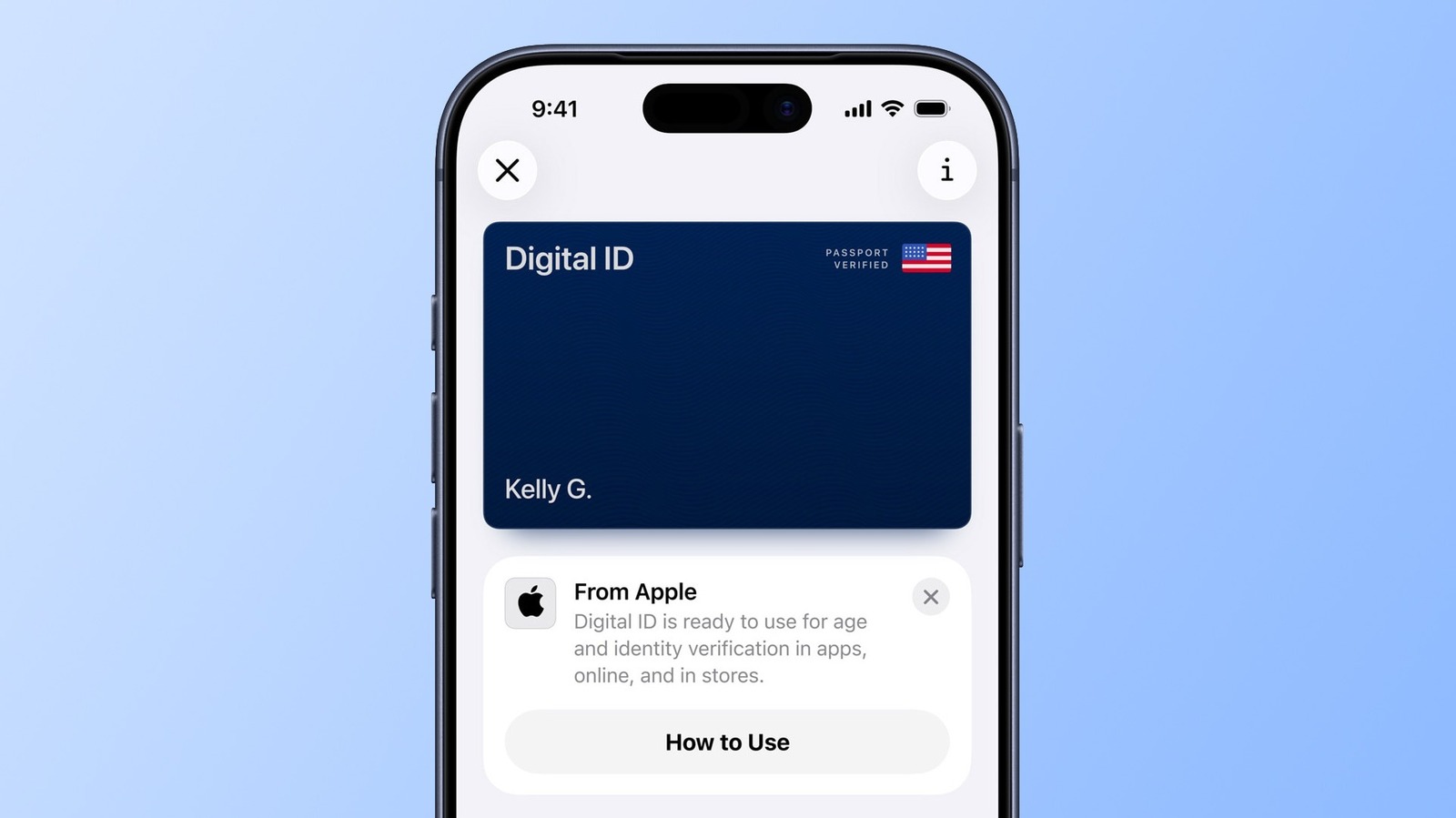
The concept of a Digital ID represents a significant leap in identity verification, moving beyond traditional physical documents towards more integrated, smartphone-based solutions. Apple introduced its Digital ID feature in 2025 with iOS 26, enabling users in participating U.S. states to add a digital version of their driver’s license or state ID, and later their passport, to the Wallet app. This innovation was primarily designed to enhance convenience and efficiency at Transportation Security Administration (TSA) checkpoints across more than 250 U.S. airports. The system allows travelers to present their digital identification directly from their iPhone, reducing the need to physically handle cards or passports. It’s crucial to note that while highly convenient for domestic travel and airport security, these Digital IDs are not valid for international border crossings or as a standalone replacement for a physical passport when entering another country. Their utility is specifically tailored for domestic security verification processes where the underlying physical document’s authenticity can be digitally verified.
The adoption of Digital IDs is part of a broader global trend towards digital transformation in identity management. Governments and private entities worldwide are exploring and implementing digital credentials for various purposes, from national IDs to health passes, aiming for greater security, reduced fraud, and enhanced user convenience. However, this shift also introduces new vectors for potential issues, including software glitches, cybersecurity vulnerabilities, and the critical need for robust system reliability. The recent iOS 27 beta incident underscores that even minor software anomalies in such systems can lead to significant inconvenience and potential stress for users who rely on these digital tools for essential functions.
Understanding Apple’s Digital ID and Its Integration
Apple’s Digital ID system leverages the secure enclave technology within the iPhone, coupled with advanced cryptographic protocols, to store and present identity information securely. When a user adds their passport or state ID to the Wallet app, the device performs a verification process, often involving scanning the physical document and a facial scan to ensure the identity matches. Once added, the digital credential is encrypted and protected by the device’s biometric security (Face ID or Touch ID). At TSA checkpoints equipped with compatible readers, travelers can present their iPhone, authenticate with biometrics, and their identity information is securely transmitted to the TSA officer for verification. This process is designed to be privacy-preserving, as the user retains control over their data and approves each transaction.
The introduction of this feature was met with enthusiasm by many travelers, promising a smoother and faster security experience. Its availability in iOS 26 and subsequent iOS 27 betas demonstrated Apple’s commitment to expanding its utility. However, the reliance on complex software systems means that even with rigorous testing, unforeseen bugs can emerge, particularly in beta environments where the software is still under active development and refinement. The seamless operation of such a system is contingent upon the stability of the underlying operating system, highlighting why beta software, by its very definition, carries an inherent risk of unexpected behavior.
The Nature of Beta Software: Innovation vs. Instability
Beta software, such as the iOS 27 beta, represents an unfinished version of an operating system released to a select group of testers and developers before its official public launch. The primary purpose of a beta program is to identify and resolve bugs, gather user feedback on new features, and optimize performance in real-world scenarios across a diverse range of devices and usage patterns. While tempting for early adopters eager to experience new functionalities like the enhanced Siri AI or Liquid Glass interface tweaks in iOS 27, beta software is inherently unstable. It often contains bugs, performance issues, and compatibility problems that can range from minor annoyances to critical system failures.
Developers typically issue strong warnings advising users against installing beta software on their primary devices, recommending instead a secondary or non-essential device for testing. This caution is rooted in the understanding that beta releases are not guaranteed to be stable, and unexpected issues, including data loss or impaired functionality, are a distinct possibility. Despite these warnings, a significant number of users, driven by curiosity or a desire for cutting-edge features, opt to install betas on their daily drivers, often underestimating the potential for disruption. The iOS 27 beta, while reportedly offering significant speed boosts and performance refinements according to early tests, still falls into this category of pre-release software, making it susceptible to the very kind of glitches that impacted Digital ID users.
The iOS 27 Beta Glitch: A Traveler’s Dilemma
Reports from users running the iOS 27 beta began circulating, particularly on social media platforms like X (formerly Twitter), detailing a peculiar issue: their Digital IDs for passports or state IDs were spontaneously disappearing from the Wallet app. While the exact trigger for this bug remains unspecified in public reports, its manifestation was consistent – the digital credential would simply vanish, leaving users without immediate access to their digital identification. For individuals relying on this feature for upcoming travel, the discovery of a missing Digital ID could understandably cause significant anxiety. Imagine arriving at an airport security checkpoint, only to find that the digital document you planned to use is no longer accessible on your device.
The immediate concern for affected travelers would undoubtedly revolve around the potential for delays, missed flights, or complications with airport security. While the Digital ID is a convenience and not a mandatory replacement for a physical passport for most uses, its sudden disappearance undermines the trust and reliability users place in such digital tools. The incident underscores a critical aspect of digital identity solutions: their functionality is inextricably linked to the stability of the underlying software infrastructure. Any unexpected behavior in that infrastructure can have real-world consequences, even if the fix is ultimately straightforward.
Immediate Impact and Simple Resolution
Fortunately, the resolution for the disappearing Digital ID glitch in the iOS 27 beta was not complex. Users quickly discovered that re-adding their passport or state ID to the Wallet app resolved the issue, restoring the digital credential to its proper place. This simple fix, while alleviating the immediate crisis, still required user intervention and awareness of the problem. It implies that the underlying data or verification status of the physical document was not compromised; rather, it was a software bug preventing the digital representation from being displayed or retained within the Wallet app’s interface.
This relatively easy fix prevented widespread panic or major travel disruptions. However, it highlighted the user experience aspect of beta software. Even a "minor" bug can cause significant stress if it affects a critical function, especially when users are in transit or in situations where immediate access to identification is required. The incident serves as a practical demonstration of why the "beta" label is not merely a technical designation but a warning to users about potential instability and the need for preparedness, including carrying physical backups of all essential documents.
Broader Implications for Digital Travel and Security
The iOS 27 Digital ID glitch, though quickly resolvable, carries broader implications for the future of digital travel and identity security. As societies move towards greater reliance on digital credentials, the robustness and reliability of the underlying software become paramount.
Firstly, it reinforces the importance of redundancy and physical backups. While Digital IDs offer convenience, the incident clearly demonstrates that physical documents remain indispensable. Travelers should never rely solely on a digital version, especially when using beta software.
Secondly, it raises questions about the user experience in a fully digitized travel ecosystem. Should a critical digital credential vanish unexpectedly, even with a simple fix, the psychological impact on a traveler facing a deadline can be considerable. Future digital identity systems will need to build in robust error handling, clear user notifications, and perhaps even automatic restoration mechanisms to mitigate such scenarios.
Thirdly, for developers and operating system providers, it emphasizes the need for extremely rigorous testing, particularly for features touching on identity and travel. While beta programs are designed for bug discovery, critical components require an even higher level of scrutiny before public release.
Finally, the incident contributes to the ongoing dialogue about trust in digital systems. Every glitch, no matter how minor, can erode public confidence in the reliability and security of digital identity solutions. Maintaining that trust is crucial for the successful widespread adoption of these technologies.
Apple’s Stance and Best Practices for Beta Users
Apple consistently advises caution when participating in its beta programs. The company’s official documentation and developer guidelines explicitly state that beta software is for testing purposes, may contain errors or inaccuracies, and may not function as expected. They strongly recommend installing beta software only on devices not critical to daily use, and always creating a complete backup of the device before installation. These warnings are not mere formalities; they are critical guidelines designed to protect users from the very kind of issues experienced with the Digital ID glitch.
For users tempted by the allure of new features in iOS 27, such as the anticipated advancements in Siri AI or the customizable Liquid Glass interface tweaks, the Digital ID incident serves as a tangible example of why adherence to these best practices is vital. While performance improvements and new functionalities like an anticipated speed boost in iOS 27 are exciting, they come with the trade-off of potential instability. The official public release of iOS 27 is not far off, and waiting for the stable version ensures a much more reliable and secure experience, free from the unexpected interactions and crashes that can plague beta builds.
The Future of Digital Identity: Balancing Convenience and Risk
The incident with the iOS 27 beta and Digital ID is a microcosm of the broader challenges and opportunities in the evolving landscape of digital identity. The drive towards greater convenience, efficiency, and enhanced security through digital means is undeniable. However, this progress must be balanced with robust systems, clear communication, and an understanding of human factors, especially in high-stakes environments like travel. As more aspects of daily life, from payments to identification, become integrated into our smartphones, the reliability of these devices and their operating systems takes on unprecedented importance. The experience serves as a valuable lesson for both technology providers and end-users: innovation is exciting, but stability and reliability, particularly for critical functions, must always remain paramount.