Evan Lee Salim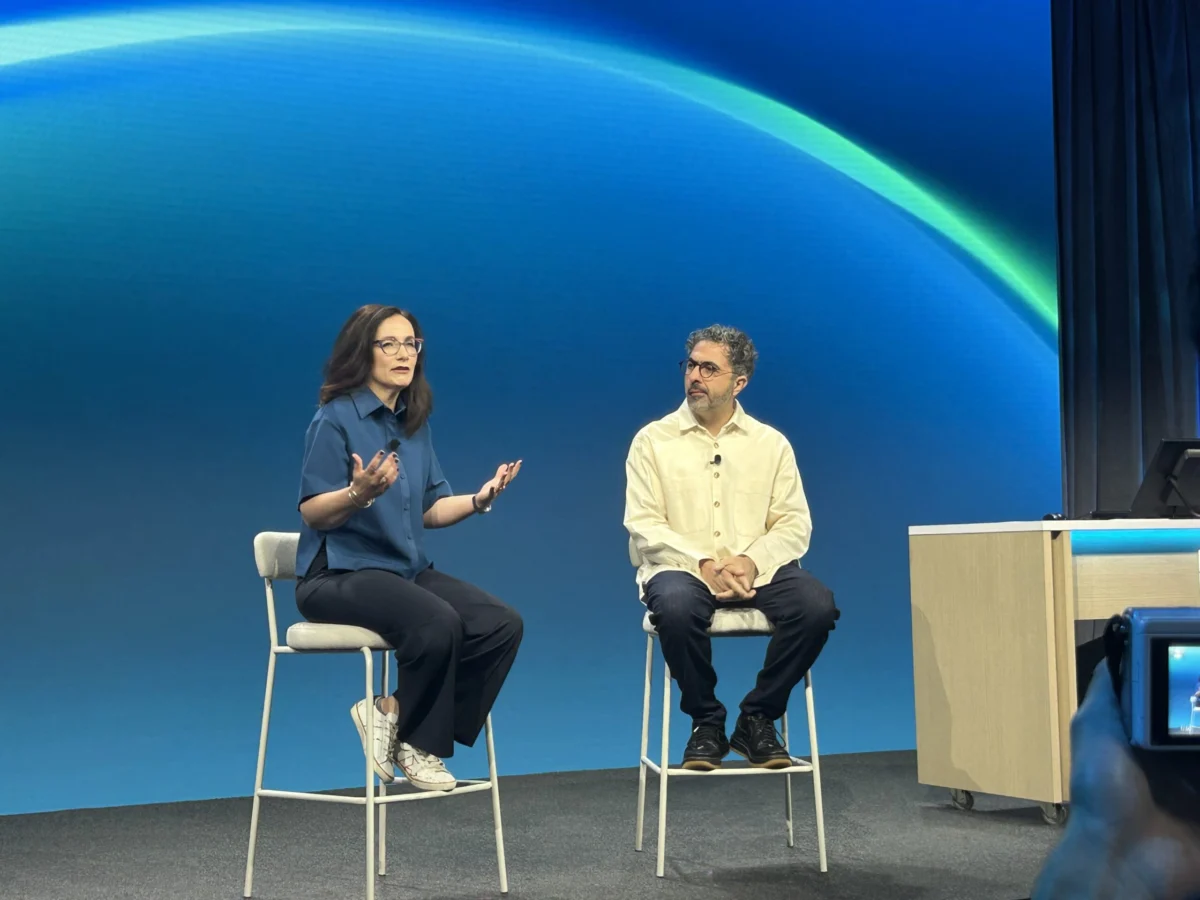
Microsoft on Monday launched its first cybersecurity-specialized artificial intelligence model, MAI-Cyber-1-Flash, alongside a sophisticated new AI cybersecurity platform named Perception, at a focused event in San Francisco. This dual unveiling marks a significant strategic move by the tech giant, positioning it squarely against major players in the burgeoning AI security space, including Anthropic, Google, and OpenAI, and signaling an intensified arms race in the application of advanced AI for defensive cyber operations. The company’s pronouncements at the event underscored its ambition to redefine enterprise security, leveraging AI to combat the increasingly complex and AI-driven threats that characterize the modern digital landscape.
A New Era of AI-Powered Vulnerability Detection
At the heart of Microsoft’s announcement is MAI-Cyber-1-Flash, described by the company as a groundbreaking model specifically engineered "to find challenging vulnerabilities in complex codebases." This specialized AI is designed to operate in conjunction with MDASH (Microsoft’s Dedicated Harness for Software Vulnerability Identification and Remediation), an internal framework that provides the operational environment for the model to analyze, identify, and contribute to the remediation of security flaws. The integration with MDASH suggests a comprehensive, end-to-end approach to vulnerability management, moving beyond mere detection to facilitate actionable insights and solutions.
Mustafa Suleyman, co-founder of DeepMind and the current CEO of Microsoft AI, expressed profound enthusiasm for the new model’s capabilities. "We’re very very excited to announce our results," Suleyman stated, highlighting MAI-Cyber-1-Flash’s exceptional performance against established industry benchmarks. He revealed that "MAI-1 Cyber Flash binded [sic] with GPT 5.4 inside of the MDASH harness beats out Gemini, GPT 5.5 Cyber, GPT 5.6 Sol, and Mythos 5 on Cyber Gym, which is the primary benchmark that we all use. The golden benchmark." This claim, if widely validated, would position MAI-Cyber-1-Flash as a leading contender in the realm of AI-driven vulnerability assessment, demonstrating superior power and cost-effectiveness compared to its rivals. Suleyman further emphasized the immediate impact, adding, "We’re shipping this into production immediately," indicating Microsoft’s confidence in the model’s readiness for real-world deployment.
Perception: An Agentic Platform for Comprehensive Defense
Complementing MAI-Cyber-1-Flash is the new security platform, Perception, which introduces an innovative agentic architecture to automate and assist various security workflows. Perception is conceptualized as a command center where "teams of agents" are deployed to tackle a spectrum of security challenges, from identifying and triaging bugs to enacting corrective measures. Its design also allows for seamless integration with the MDASH harness, creating a unified and highly automated security ecosystem.
The platform’s architecture is built around three distinct types of agentic teams:
- Red Teams: These agents are tasked with simulating potential cyberattacks with high fidelity. They provide detailed insights into probable threat actors, their methodologies, and the specific vulnerabilities they are likely to exploit. This proactive approach allows organizations to identify weaknesses before they are maliciously targeted.
- Blue Teams: Dedicated to real-time detection and triage, blue team agents continuously monitor systems for existing bugs and anomalies. Upon detection, they rapidly assess the severity and potential impact of these issues, streamlining the incident response process.
- Green Teams: These agents are responsible for taking "corrective actions" against identified bugs and vulnerabilities. This can range from recommending patches and configuration changes to automatically implementing code fixes, thereby significantly accelerating the remediation cycle.
Dave Weston, the lead engineer for Perception, underscored the platform’s transformative potential for corporate defenders. He articulated a dramatic leap in efficiency, stating, "We’ve gone from this taking hours and hours of manual work from multiple specialized folks across the security organization — appsec hunters, remediation engineers, you name it — and in minutes, we have a fix for all of this. Not only do we discover the issues and prioritize them, but we have detection, posture fixing, and even a code fix." This shift from labor-intensive, time-consuming manual processes to rapid, automated remediation represents a monumental upgrade in defensive capabilities, addressing the growing strain on human security teams.
The Escalating AI Cybersecurity Arms Race
Microsoft’s strategic dual launch arrives at a critical juncture in cybersecurity. While AI offers unprecedented defensive capabilities, its increasing availability to cybercriminals has simultaneously given rise to a dazzling array of sophisticated threats. Malicious actors are now leveraging AI for everything from generating highly convincing phishing emails and deepfake-based social engineering to developing polymorphic malware that evades traditional detection methods and automating reconnaissance and exploit generation. This escalating "AI arms race" necessitates equally advanced AI-powered defenses.
Hayete Gallot, Microsoft’s vice president for security, directly addressed this paradigm shift. Noting the accelerated pace and scale of AI-driven cyberattacks, she described Perception as a vital tool for enterprise defenders to "defend against AI with AI at the scale and speed that the attackers have." This sentiment encapsulates the urgency driving innovation in the cybersecurity sector, where the ability to match or exceed attacker capabilities is paramount.
The global cybersecurity market, already valued at hundreds of billions of dollars, is experiencing significant growth, with AI cybersecurity solutions emerging as a particularly dynamic segment. According to various market research reports, the AI in cybersecurity market is projected to grow at a compound annual growth rate (CAGR) exceeding 20% over the next five to seven years, driven by the increasing sophistication of cyber threats and the scarcity of skilled cybersecurity professionals. Data from IBM’s Cost of a Data Breach Report frequently highlights the immense financial impact of security incidents, with the average cost of a breach often running into the millions of dollars, further emphasizing the critical need for advanced protective measures.
Microsoft’s Broader Strategic Context
This launch is not an isolated event but rather a significant manifestation of Microsoft’s broader strategy to integrate AI deeply across its product portfolio and solidify its position as a leader in both AI and enterprise security. Over the past few years, Microsoft has invested billions in AI research and development, acquiring companies, building massive supercomputing infrastructure, and incorporating AI capabilities into its Azure cloud services, Microsoft 365, and various developer tools.
In cybersecurity, Microsoft has steadily expanded its offerings, building a comprehensive suite of cloud-native security solutions that leverage its vast telemetry data and global threat intelligence. The introduction of MAI-Cyber-1-Flash and Perception represents a natural evolution of this strategy, combining Microsoft’s prowess in AI with its deep expertise in enterprise-grade security. This move also aligns with the company’s commitment to "democratizing AI," making powerful AI tools accessible to a broader range of organizations to enhance their security posture.
The Competitive Landscape: An Increasingly Crowded Field
Microsoft’s new security tools, slated for preview availability on November 3, will enter an increasingly competitive and crowded field of AI cybersecurity solutions. The past year has seen several high-profile launches from other tech giants and specialized AI firms, indicating a broad industry consensus on the necessity of AI for future security.
Earlier this year, Anthropic, a prominent AI research company, launched its own security platform, "Mythos." Mythos was released to a select group of partner organizations through a controlled program called "Glasswing," suggesting a phased rollout and a focus on refining the platform with early adopters. While specific details on Mythos’s architecture and performance metrics are less public than Microsoft’s recent claims, Anthropic’s reputation in large language models (LLMs) and AI safety suggests a strong emphasis on robust and ethical AI for security.
Similarly, OpenAI, another leading AI research and deployment company, also entered the AI security fray in May with its own solution, unveiled through a program called "Day Break." OpenAI’s initiatives in security often involve leveraging its advanced foundational models to analyze code, detect anomalies, and assist in threat intelligence, potentially offering a different approach compared to Microsoft’s agentic system. Google, a long-standing competitor in both AI and cloud services, also continues to integrate advanced AI into its Chronicle Security Operations platform and Mandiant threat intelligence, providing a formidable presence in the market.
The direct comparison by Mustafa Suleyman to models from these competitors (Gemini, GPT 5.5 Cyber, GPT 5.6 Sol, and Mythos 5) on the "Cyber Gym" benchmark underscores the head-to-head nature of this competition. This public challenge signals Microsoft’s intent to not just participate but to lead in this critical domain, leveraging its massive resources and enterprise reach.
Implications for Enterprises and the Future of Security
The advent of sophisticated AI platforms like Perception promises to fundamentally alter how enterprises approach cybersecurity. The sheer volume of security alerts, the complexity of modern IT environments, and the persistent shortage of skilled cybersecurity professionals have created a significant challenge for organizations worldwide. AI-driven solutions offer a pathway to address these pain points by:
- Enhancing Efficiency and Reducing Alert Fatigue: Automating repetitive tasks and intelligently prioritizing threats can free up human analysts to focus on complex, strategic issues.
- Improving Detection and Response Times: AI’s ability to process vast amounts of data at machine speed allows for faster detection of anomalies and quicker responses to incidents, potentially minimizing the impact of breaches.
- Bridging the Skills Gap: By automating certain functions, AI tools can augment the capabilities of existing security teams, making them more productive and effective without necessarily requiring a massive increase in headcount.
- Enabling Proactive Defense: Agentic red teams, as seen in Perception, can facilitate continuous, automated threat modeling and vulnerability assessments, shifting organizations from a reactive stance to a more proactive and predictive security posture.
However, the integration of AI into critical security functions also presents new challenges and considerations. Ethical AI use, the potential for AI models to exhibit bias, the need for explainability in AI-driven decisions (especially in security where false positives can be disruptive), and the indispensable role of human oversight remain crucial aspects that organizations must address. While AI can automate many processes, human intelligence, intuition, and ethical judgment will continue to be vital in navigating the nuanced landscape of cyber warfare.
Microsoft’s MAI-Cyber-1-Flash and Perception platform represent a bold step forward in the application of artificial intelligence to cybersecurity. By offering powerful vulnerability detection and a comprehensive, agentic defense system, Microsoft aims to empower enterprises to defend against the rapidly evolving threat landscape. As these tools become available in preview on November 3, the industry will closely watch their real-world performance and their impact on the competitive dynamics of the burgeoning AI cybersecurity market, signaling a new chapter in the ongoing battle for digital security.