George Chandra Eka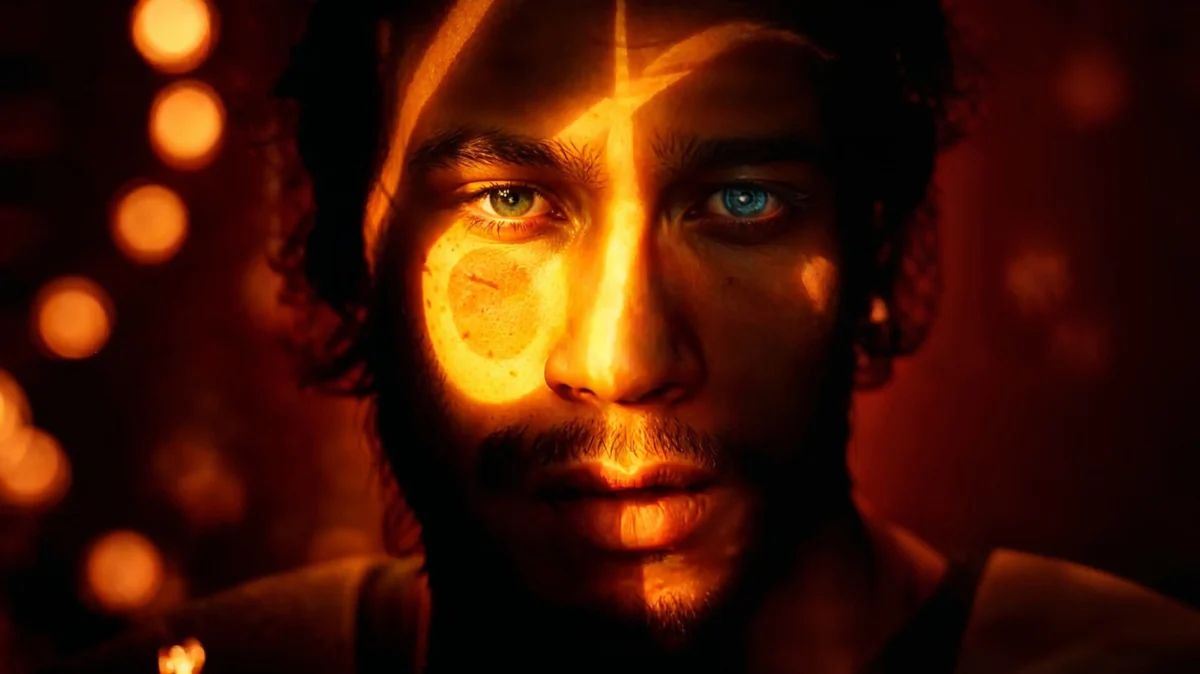
Principal Talent Acquisition Partner Dan Hawkins, among others, shared on LinkedIn that his time at Build A Rocket Boy (BARB) was "coming to an end," implicitly confirming the studio’s winding down. Hawkins’ post, which indicated he would be "seeing BARB through till the very end, helping wrap things up here in the HR department," suggested a comprehensive shutdown affecting all personnel. This sentiment has been echoed by several other team members across various departments, who are now actively seeking new opportunities in the gaming industry, often using the "Open to Work" banner on their profiles. The news was further corroborated by reports from industry outlets such as Kotaku, which cited sources indicating BARB is indeed set to close its doors permanently.
The Ambitious Vision and Turbulent Genesis of Build A Rocket Boy
Build A Rocket Boy was founded in 2016 by Leslie Benzies, a figure synonymous with the monumental success of the Grand Theft Auto series during his tenure as president of Rockstar North. Benzies departed Rockstar in 2016 following a highly publicised legal dispute with Take-Two Interactive, the parent company of Rockstar Games, regarding royalties and his role in the company’s future. His new venture, BARB, was initially shrouded in mystery but promised an ambitious new IP, eventually revealed as MindsEye, an action-adventure title with elements reportedly reminiscent of the open-world sandbox experiences Benzies was known for. The studio quickly grew, attracting talent from across the industry, buoyed by the significant capital raised and the reputation of its founder. Expectations were high, with many anticipating that Benzies would once again redefine the open-world genre.
MindsEye: A Disastrous Debut and Critical Backlash
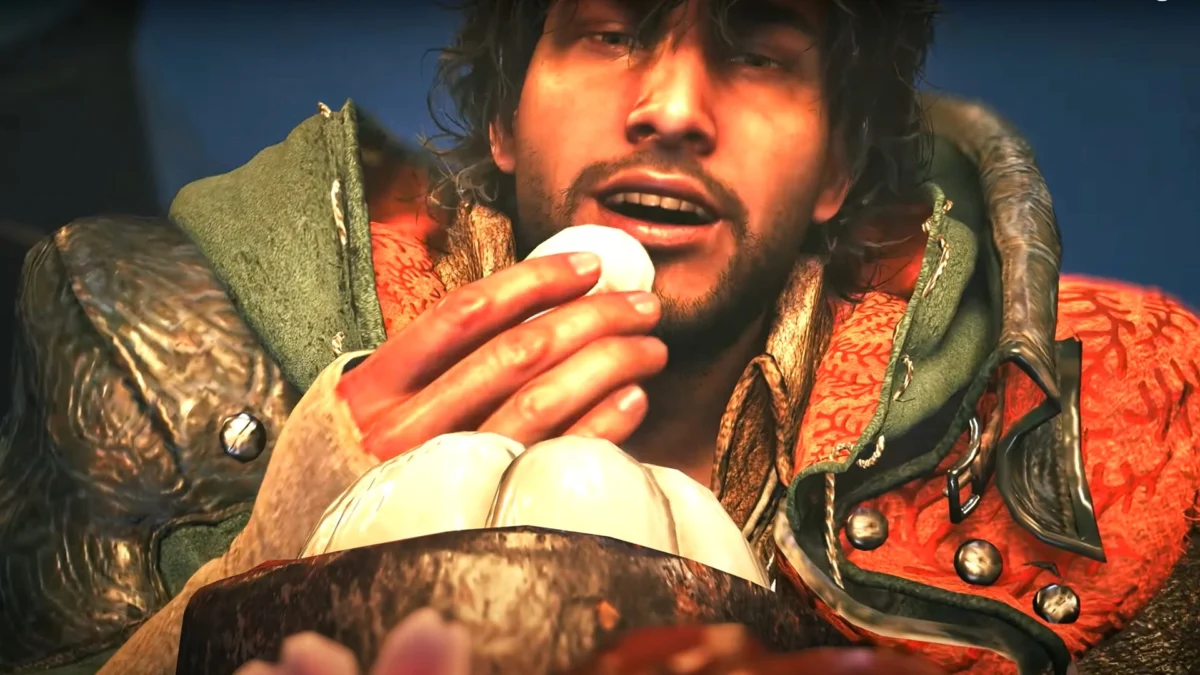
The culmination of years of development, MindsEye launched in June 2025 to a decidedly negative reception. The game was plagued by a litany of technical issues, including pervasive bugs, performance instabilities, and numerous glitches that severely hampered the player experience. Critics and players alike quickly pointed to an unfinished quality, an unpolished narrative, and gameplay mechanics that failed to live up to the studio’s ambitious promises. The critical consensus was overwhelmingly negative, with many reviewers highlighting the game’s shortcomings as a stark contrast to the legacy of its creator.
The severity of the game’s initial state prompted an unusual and significant response from PlayStation, which reportedly issued refunds to some players who purchased MindsEye. Such widespread refunds are rare in the gaming industry, typically reserved for products deemed fundamentally broken or unplayable, underscoring the extent of the game’s issues at launch. This unprecedented move by a major platform holder sent a clear signal about the perceived quality and functionality of MindsEye upon its release. The financial and reputational damage from this launch was immediate and profound, setting a grim precedent for the studio’s future.
Internal Strife and Allegations of "Sabotage"
In the immediate aftermath of MindsEye‘s disastrous debut, Build A Rocket Boy initiated a round of layoffs, a common but painful measure for studios facing commercial failure. However, the situation at BARB was complicated by unusual claims from Leslie Benzies. Reports indicated that Benzies attributed the game’s woes not solely to development challenges or market reception, but to "saboteurs" both inside and outside the company. These allegations, though never substantiated publicly with concrete evidence, fueled an atmosphere of distrust and uncertainty within the studio.
This narrative of internal and external interference echoed Benzies’ previous legal battles and personal disputes, suggesting a pattern of attributing setbacks to adversarial forces. While some developers and industry observers might interpret such claims as a deflection from core issues in game development and management, they certainly contributed to a turbulent internal environment. The layoffs continued, creating an increasingly precarious situation for the remaining staff as the studio struggled to stabilise.
Failed Attempts at Redemption and Shifting Partnerships
In an effort to salvage MindsEye‘s reputation and commercial viability, BARB pursued several strategies. The studio released an expansion in the spring following the game’s initial launch. This DLC was notably marketed with a controversial promise: it claimed to expose evidence of the purported "conspiracy" that Benzies believed had undermined the game’s chances of success. This unusual meta-narrative generated some initial curiosity, but ultimately disappointed. According to reviews, including one from Rock Paper Shotgun, the mission designed to reveal these "juicy details" turned out to be nothing more than a "humdrum riff on a Hitman mission," lacking any genuine revelations about the alleged scandal and failing to provide the promised intrigue.
Further attempts to broaden the game’s appeal included the addition of multiplayer functionality and a Rocket League-esque soccer mode during the summer. While these features aimed to inject new life into the game and attract a wider audience, they ultimately failed to significantly turn around MindsEye‘s fortunes. The existing player base remained small, and the new modes did little to entice new players into a game that had already garnered a reputation for being buggy and underwhelming.
The studio’s struggles also impacted its partnerships. In March, BARB parted ways with IOI Partners, an arm of IO Interactive, the acclaimed developer behind 007 First Light and the modern Hitman trilogy. IOI Partners had been involved in publishing MindsEye, and their separation meant BARB became the sole publisher of the title. This split was followed by further rounds of layoffs in March and May, indicating a continuous downsizing and restructuring effort that ultimately proved insufficient to secure the studio’s future. The cessation of the partnership with a respected industry entity like IO Interactive also raised questions about the stability and viability of BARB’s operations.
Allegations of Invasive Employee Surveillance
Adding to the studio’s woes, earlier this year, dozens of employees accused Build A Rocket Boy of engaging in highly invasive surveillance practices. The IWGB Game Workers Union, which represents workers in the video game industry, publicly stated that BARB management "installed invasive Teramind surveillance software onto their devices without their knowledge." The union further alleged that this monitoring went beyond typical productivity tracking or security measures, claiming the software recorded "individuals in their homes and without their consent."
Teramind is a monitoring solution that can track various employee activities, including screen recordings, keystrokes, application usage, and web browsing history. While such tools are sometimes used by companies for productivity monitoring or data security, the IWGB’s accusations highlighted concerns over a lack of transparency, consent, and the potential for surveillance to extend into employees’ private lives, especially in a remote or hybrid work environment. Such allegations can severely damage employee morale, trust, and the overall reputation of a company, leading to a toxic work culture and potential legal ramifications. The union’s involvement underscored the seriousness of these claims, framing them as significant violations of data privacy and workers’ rights.
Broader Industry Context and Implications
The reported shutdown of Build A Rocket Boy occurs within a challenging period for the global video game industry. The years 2023 and 2024 have been marked by widespread layoffs affecting thousands of developers across major publishers and independent studios alike. Factors contributing to this downturn include post-pandemic market corrections, increased development costs, economic uncertainties, and shifts in consumer spending habits. High-profile studios have closed, and many established companies have undergone significant restructuring.
BARB’s trajectory serves as a cautionary tale about the immense challenges of launching a new, ambitious intellectual property, even with significant funding and an industry veteran at the helm. The failure of MindsEye highlights the critical importance of delivering a polished, engaging product at launch, as initial impressions can be incredibly difficult to overcome, even with subsequent updates and content additions. The incident also brings into focus the delicate balance between creative vision and practical execution, as well as the necessity of fostering a transparent and supportive workplace culture.
For the employees of Build A Rocket Boy, the shutdown represents a significant disruption. Many talented individuals will now join a competitive job market already saturated with experienced developers seeking new roles. The psychological impact of such an event, especially after enduring a troubled development cycle, layoffs, and internal controversies, can be substantial.
The Uncertain Future of MindsEye and Leslie Benzies’ Legacy
With the reported closure of Build A Rocket Boy, the future of MindsEye remains highly uncertain. It is unclear whether the game’s servers will remain active, what support will be provided for existing players, or what will happen to the intellectual property itself. Games that are delisted or lose server support can effectively become unplayable, leaving players who purchased them without access to the full experience they paid for. This raises questions about consumer rights and the longevity of digital-only game releases.
For Leslie Benzies, the closure of BARB and the commercial failure of MindsEye casts a shadow over his otherwise stellar career in the gaming industry. While his contributions to Grand Theft Auto are undeniable and cemented in gaming history, the saga of MindsEye will likely be remembered as a missed opportunity and a testament to the complex challenges of independent game development and studio management. The ambitious vision for BARB, once touted as a potential new powerhouse in game development, has seemingly come to an unfortunate and definitive end.