Evan Lee Salim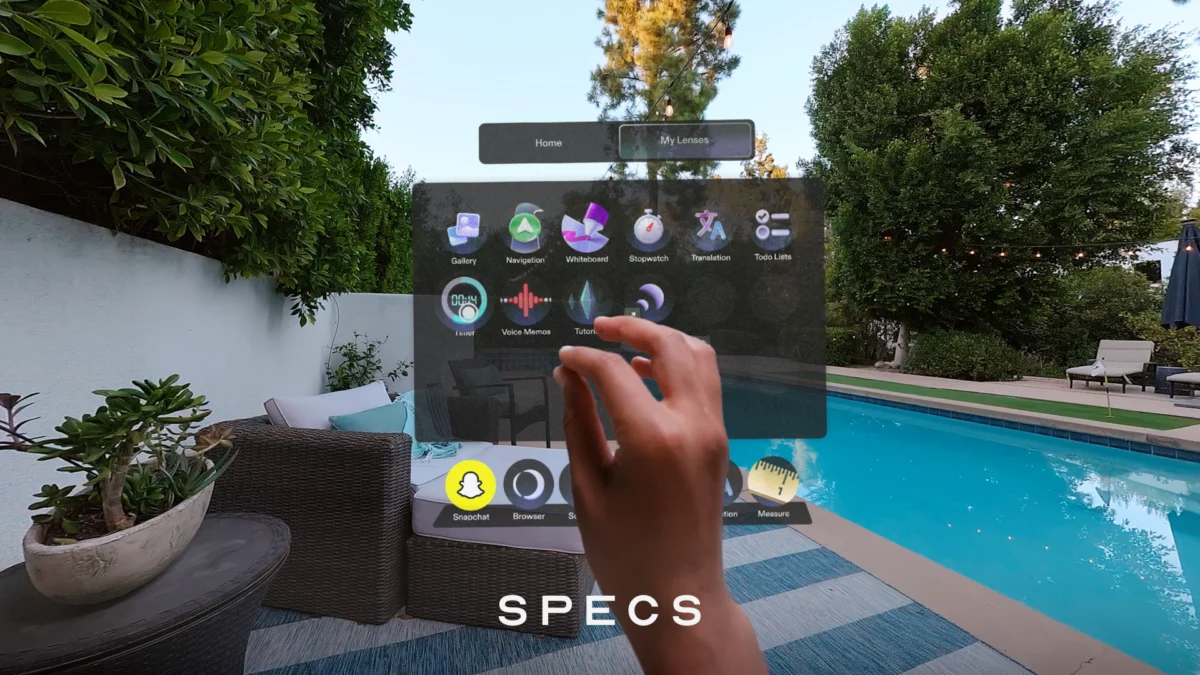
In a concerted effort to redefine the narrative surrounding its much-maligned augmented reality (AR) device, Snap this week hosted a significant event in Los Angeles, introducing a suite of new features and services for its Specs smart glasses. The announcement, spearheaded by CEO Evan Spiegel and other top executives, marks a critical juncture for the company’s hardware ambitions, aiming to imbue the heavy, $2,200 device with a clearer sense of purpose after a profoundly disappointing debut earlier this year. The initial unveiling of Specs was met with widespread derision, lambasted for its "scuba gear" aesthetic and exorbitant price, triggering calls for Spiegel’s resignation and an immediate nosedive in Snap’s stock value. This week’s event was Snap’s opportunity to present a compelling argument for Specs’ existence, particularly by positioning it beyond the casual consumer market and towards more specialized applications, notably in enterprise and AI-driven productivity.
A Rocky Road to Reality: Snap’s Hardware Odyssey
Snap’s journey into hardware has been characterized by ambition, experimentation, and varying degrees of market acceptance. The company first ventured into wearable technology with its Spectacles line, starting in 2016. The first generation of Spectacles, camera-equipped sunglasses designed for capturing short video clips for Snapchat, garnered initial buzz but struggled to maintain consumer interest beyond early adopters. Despite subsequent iterations – Spectacles 2 and 3, which introduced design refinements and limited AR capabilities – none achieved mainstream success, often criticized for their niche functionality and perceived novelty. These early forays served as crucial learning experiences, highlighting the immense challenges of integrating technology seamlessly into everyday wear and convincing consumers of the utility of such devices.
The development of the latest Specs AR glasses represented a significant leap from its predecessors, moving beyond simple camera integration to full-fledged augmented reality projection. These advanced Specs, which Snap had been teasing for years, were positioned as a foundational step into the future of computing, where digital information overlays the physical world. However, the June 2026 launch proved catastrophic. Industry analysts and consumers alike expressed shock at the device’s bulky design, reminiscent of industrial safety goggles rather than a sleek personal gadget. The price point of $2,200, squarely placing it in the premium category alongside high-end laptops or professional-grade equipment, further alienated potential buyers. Social media platforms exploded with memes and critical commentary, underscoring a profound disconnect between Snap’s vision and public perception. Following the launch, Snap’s stock experienced a significant drop, reflecting investor skepticism about the product’s viability and the company’s hardware strategy. This immediate backlash underscored the immense pressure on Snap to articulate a compelling value proposition for Specs.
The Re-Introduction: A Multifaceted Approach to Utility
At the Los Angeles event, held amidst a backdrop of vibrant digital projections and demonstrations, CEO Evan Spiegel addressed the criticisms implicitly, focusing on the expanded utility and integration capabilities of Specs. The presentation began with a visually striking, if somewhat abstract, promotional video that hinted at immersive, interconnected experiences, setting a tone of innovation. Spiegel then took the stage, leading a series of live demos designed to showcase the new functionalities.
One immediate enhancement for consumers was the integration of popular entertainment platforms. Specs can now connect directly with HBO Max and Spotify, offering users new ways to consume media. This integration suggests a move to make Specs a more versatile personal device, allowing for hands-free streaming of content or ambient music while engaging in other activities. While not revolutionary in itself, providing a baseline of interactive entertainment is a crucial step for smart glasses that have historically struggled to offer compelling reasons for daily use beyond niche applications.
Specs Intelligence: The Dawn of Anticipatory AI
Perhaps the most significant and ambitious announcement of the event was the introduction of Specs Intelligence, an "anticipatory AI" system designed to operate both with the Specs glasses and across a user’s broader ecosystem of devices, including iPhones and Macs. Snap positions Specs Intelligence as more than just a smart assistant; it’s touted as an "AI native operating system" engineered to understand a user’s "goals, priorities, relationships, and routines." By connecting to various apps and tools chosen by the user, the system aims to help individuals "focus on what matters now while making progress towards their longer-term goals."

This concept of anticipatory AI suggests a highly personalized, context-aware intelligence layer that goes beyond reactive voice commands. For instance, Specs Intelligence could proactively suggest relevant information based on a user’s calendar, location, and communication patterns, or offer real-time guidance during tasks. Spiegel emphasized its role in helping users "connect the dots across Lenses," Snap’s proprietary AR camera effects, thereby enabling more efficient task completion. While the full extent of its capabilities and privacy implications remains to be thoroughly scrutinized, this move positions Snap at the forefront of a growing trend towards ambient, pervasive AI that integrates deeply into daily life. It also signals Snap’s intent to build a robust AI platform that transcends its hardware, potentially becoming a valuable software offering in its own right, irrespective of Specs’ adoption. This strategy allows Snap to leverage its significant investment in AI research and development across a wider user base, mitigating the risk associated with hardware-dependent software.
Enterprise Expansion: Specs for the Professional Realm
Recognizing the inherent challenges of consumer adoption for high-cost, cutting-edge AR hardware, Snap also unveiled a significant strategic pivot towards the enterprise market with its "Specs for Enterprise" program. This initiative aims to integrate the device into corporate workflows, leveraging the inherent advantages of AR in professional settings. To bolster this effort, Snap announced partnerships with a formidable roster of tech giants, including Amazon, Salesforce, and Nvidia, among other firms.
The utility of Specs in an enterprise context was illustrated through a demo video depicting an IT technician repairing complex hardware. The glasses presumably provided augmented instructions, real-time diagnostics, or remote assistance from an expert, allowing for hands-free operation and improved efficiency. This scenario highlights a clear use case where the "heavy" and "expensive" criticisms often leveled by consumers become less relevant. In industrial or technical environments, the cost of specialized equipment is often justified by increased productivity, reduced errors, and enhanced safety.
Spiegel elaborated on the enterprise focus, stating, "We’re building out mobile device management, security controls, and ways to deploy and manage stacks across teams with the world’s most trusted providers, bringing peace of mind to IT departments." This statement underscores Snap’s understanding of the stringent requirements for enterprise hardware: robust security, centralized management, and seamless integration with existing IT infrastructure. The partnerships with Amazon (potentially for cloud services or industrial applications), Salesforce (for customer relationship management and field service), and Nvidia (for powerful graphics processing and AI capabilities) are crucial for validating Specs’ professional potential and facilitating its adoption within diverse corporate ecosystems. This pivot places Specs in direct competition with established enterprise AR players like Microsoft’s HoloLens and Magic Leap, both of which have struggled with widespread adoption despite clear industrial use cases. Snap’s approach, leveraging existing partnerships and focusing on specific pain points like IT support, represents a calculated attempt to carve out a viable niche.
Connectivity and Niche Applications: Expanding the Ecosystem
Beyond the core AI and enterprise announcements, Snap also introduced several other features and services designed to broaden Specs’ appeal. A new connectivity package was unveiled for users who wish to operate Specs away from Wi-Fi networks, such as outdoors or in transit. This package, sold separately, includes a charging case equipped with built-in cellular connectivity. In a strategic partnership with Verizon, this service will cost $10 per month for existing Verizon customers and $20 per month for non-Verizon subscribers. This addresses a critical limitation for any mobile device, ensuring that the AR experience is not tethered to a Wi-Fi signal, thereby increasing its practical utility for on-the-go tasks and experiences.
However, some of the announced features continued to raise questions about their broader appeal. One such example was an application developed in partnership with the NBA and WNBA, designed to help users practice basketball and improve their shooting form via Specs’ AR capabilities. While an interesting proof-of-concept for sports training, the practical reality of wearing relatively heavy goggles during intense physical activity like basketball practice remains a point of skepticism. This type of niche application, while showcasing the technology’s potential, highlights the ongoing challenge of finding universally appealing "killer apps" for consumer AR glasses.

The Broader Vision: Human-Centric Computing
Throughout the event, Evan Spiegel consistently framed Specs not merely as a gadget but as a new paradigm for "human-centric computing." He acknowledged the current anxieties surrounding technological advancements, particularly artificial intelligence. "I will say it’s an interesting time to be launching a new computer because things in tech are pretty weird right now," Spiegel remarked. "We’re being told that AI will take our jobs, that virtual worlds will replace the real one. Well, no, thank you. We do not accept that future. Making people irrelevant is not progress, and computers should make us more important, not less."
This philosophical stance underpins Snap’s AR strategy: rather than isolating users in virtual realities, Specs aims to augment and enhance their interaction with the real world, making digital information accessible and useful without fully disengaging from physical surroundings. This vision directly contrasts with the metaverse-centric strategies pursued by competitors like Meta, which often prioritize immersive virtual worlds. Snap’s emphasis on augmentation and human empowerment is a deliberate attempt to differentiate its product and resonate with a public increasingly wary of technology’s potential downsides. The company’s repeated justification of Specs’ high cost by characterizing it as a "computer you wear on your face" is integral to this narrative, elevating its perceived value beyond that of a mere accessory.
Implications and the Road Ahead
Snap’s recent announcements represent a critical pivot for Specs, moving away from a primary focus on broad consumer appeal – which proved disastrous – towards more targeted applications in enterprise and AI-driven productivity. This shift is a tacit acknowledgment of the immense hurdles in convincing casual users to adopt expensive, nascent AR hardware. By collaborating with industry giants and developing enterprise-specific solutions, Snap aims to tap into a market segment that often prioritizes functionality and efficiency over aesthetics and price point. Industry analysts are likely to view this as a pragmatic, albeit challenging, strategic adjustment. The enterprise AR market, while nascent, is projected to grow significantly, driven by demand for remote assistance, training, and operational efficiency across various sectors.
The success of Specs Intelligence, however, will largely depend on its ability to deliver tangible productivity gains and integrate seamlessly into diverse digital routines without compromising user privacy. The claim of an "AI native operating system" suggests a long-term vision for Snap to become a foundational AI platform, potentially extending its influence far beyond its social media roots. This could be a significant play for future relevance in an AI-dominated tech landscape.
As Snap prepares for a Specs pop-up experience in Los Angeles in October, followed by general shipping later this fall, the market will be closely watching for initial adoption figures, particularly within the newly targeted enterprise segments. The question remains whether these ambitious updates and the strategic refocus will be enough to overcome the initial skepticism, justify the substantial investment, and finally carve out a meaningful place for Specs in the evolving landscape of augmented reality and pervasive computing. The path forward for Snap’s AR ambitions is undoubtedly complex, but this week’s event signals a renewed determination to make Specs a relevant, albeit niche, player in the future of technology.