Garick Elordi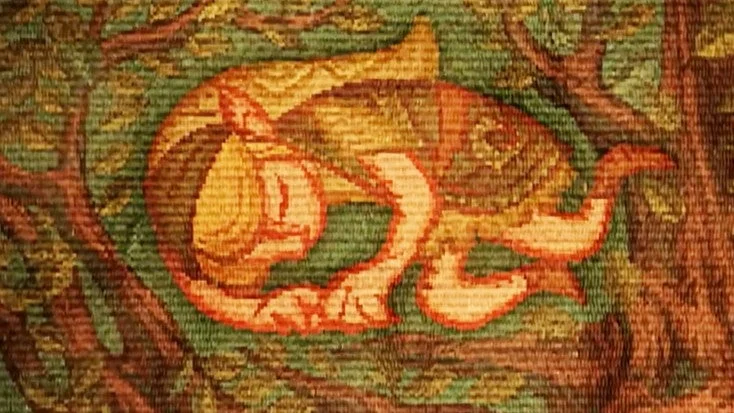
The global gaming community is currently dissecting a series of digital breadcrumbs that suggest Nintendo is preparing to launch its highly anticipated remake of The Legend of Zelda: Ocarina of Time on November 12. This potential release date, uncovered through premature retail listings for peripheral merchandise, places the title in a direct head-to-head window with Rockstar Games’ Grand Theft Auto VI, which is scheduled for a November 19 arrival. While Nintendo has maintained a characteristically guarded stance regarding the specifics of the remake since its initial reveal in June 2026, the convergence of logistical patterns and retail errors has provided the most substantial evidence to date regarding the game’s launch window.
The catalyst for this latest wave of speculation was the appearance of two new amiibo listings on Nintendo’s official digital storefront. The figures—Sword Kirby and Dragoon, alongside Noir Dedede—were briefly visible with a firm release date of Thursday, November 12. Although these characters originate from the Kirby franchise rather than the Zelda universe, seasoned industry observers were quick to note that Nintendo frequently synchronizes the release of unrelated amiibo waves with the launch of major first-party software titles. This strategy is widely understood to be a logistical necessity, allowing the company to streamline physical distribution to global retailers by shipping hardware, peripherals, and software in a single consolidated window.
The Amiibo Precedent and Logistical Patterns
The theory that unrelated amiibo serve as harbingers for major software releases is supported by a consistent historical pattern. In recent years, Nintendo has utilized this "piggyback" shipping method to maximize retail efficiency. For instance, the release of the Mineru’s Construct amiibo was announced shortly before the debut of the title Fortune’s Weave. Similarly, the Meta Knight and Shadow Star figures preceded the launch of Pokopia, while the Dedede and Tank Star amiibo arrived alongside Rhythm Heaven Groove.
The brief appearance of the Sword Kirby and Noir Dedede listings, followed by their immediate removal after gaining social media traction, has only heightened the sense of credibility surrounding the November 12 date. In the professional retail sector, "placeholder" dates are common, but the specificity of a Thursday release—a day Nintendo increasingly favors for major digital and physical global rollouts—suggests more than a mere clerical error. Furthermore, the removal of the listings aligns with Nintendo’s standard operating procedure when sensitive information is inadvertently disclosed prior to an official marketing beat.
Chronology of the Ocarina of Time Remake
To understand the weight of this potential release, one must look back at the development timeline and the legacy of the source material. The Legend of Zelda: Ocarina of Time, originally released in 1998 for the Nintendo 64, is frequently cited by critics and historians as one of the most influential video games ever created. It pioneered the Z-targeting system and established the template for 3D action-adventure games that persists to this day.
Following years of persistent rumors and fan demand, Nintendo officially confirmed the remake during a Nintendo Direct presentation on June 9, 2026. The announcement featured a brief teaser trailer showcasing a high-fidelity recreation of the iconic tapestry depicting a sleeping Link, a visual motif that resonated deeply with long-term fans. However, the presentation was notably light on technical details, offering no gameplay footage and providing only a broad "2026" release window.
Since that announcement, the project has been the subject of intense scrutiny. The remake is widely believed to be a flagship title for Nintendo’s successor to the Switch console, often referred to in the industry as the "Switch 2." This hardware transition adds a layer of strategic importance to the release date; a November launch would position Ocarina of Time as the definitive "must-have" title for the 2026 holiday shopping season, serving as a primary driver for new hardware adoption.
Competitive Landscape: The GTA 6 Factor
The most striking aspect of a November 12 release date is its proximity to Grand Theft Auto VI (GTA 6). Rockstar Games’ upcoming title is arguably the most anticipated entertainment product of the decade, with analysts predicting record-breaking sales that could eclipse any other release in the 2026 calendar year. Typically, major publishers avoid launching high-profile games within the "blast radius" of a Rockstar release to avoid being overshadowed in both media coverage and consumer spending.

However, Nintendo’s potential decision to launch just seven days prior to GTA 6 reflects a unique market position. While GTA 6 is expected to dominate the PlayStation and Xbox ecosystems, it is currently not slated for a Nintendo platform. By releasing Ocarina of Time on November 12, Nintendo secures the "early mover" advantage for the holiday season. This allows the company to capture the attention of its dedicated fanbase and families before the broader gaming discourse becomes entirely consumed by the cultural phenomenon of Grand Theft Auto.
Industry analysts suggest that the "Zelda" and "GTA" demographics, while overlapping, are distinct enough that Nintendo does not fear a direct loss of sales. Instead, the release of a prestigious remake like Ocarina of Time serves as a statement of confidence. It positions Nintendo as a sovereign entity in the market, unaffected by the release cycles of its competitors.
Technical Expectations and Hardware Integration
While Nintendo has not confirmed the specifications of the remake, the "Switch 2" teaser associated with the June announcement suggests a significant leap in visual fidelity. Industry insiders speculate that the remake is built on a modern engine—potentially a proprietary evolution of the engine used for The Legend of Zelda: Tears of the Kingdom—capable of supporting 4K resolution when docked and utilizing modern lighting techniques such as ray tracing to enhance the atmosphere of Hyrule.
The Ocarina of Time remake is expected to go beyond a simple graphical update. If previous Nintendo remakes, such as Link’s Awakening (2019) or Metroid Prime Remastered (2023), are any indication, players can expect quality-of-life improvements, refined control schemes optimized for modern hardware, and potentially new content that bridges the narrative gap between Ocarina of Time and its sequels.
The integration of amiibo functionality is also a certainty. The Sword Kirby and Noir Dedede figures, while not Zelda-themed, suggest that Nintendo is preparing its retail infrastructure for a massive wave of "Switch 2" era peripherals. It is highly probable that a dedicated line of Ocarina of Time amiibo—featuring Young Link, Adult Link, Princess Zelda, and Ganondorf—will be announced alongside the final release date confirmation.
Industry Implications and Fiscal Strategy
From a fiscal perspective, a November 12 launch is strategically sound for Nintendo’s 2026-2027 fiscal year. The third quarter (October through December) is traditionally the most lucrative period for the company. By anchoring the quarter with a landmark title like Ocarina of Time, Nintendo ensures strong software attachment rates for its new hardware.
The move also addresses a broader trend in the industry: the "remake economy." As development costs for new IP continue to skyrocket, publishers are increasingly leaning on established franchises with built-in audiences. For Nintendo, Ocarina of Time is the ultimate insurance policy. It is a title with multi-generational appeal, capable of attracting both "nostalgia" buyers who played the original in 1998 and younger players who have only heard of its legendary status.
Conclusion and Future Outlook
As of this writing, Nintendo has not issued a formal response to the amiibo leaks or the resulting speculation regarding the November 12 date. The company’s silence is consistent with its historical marketing strategy, which often involves "shadow dropping" information or hosting dedicated Direct presentations close to the actual launch of a product.
For the gaming public, the next few months will likely involve a heightened state of vigilance for any further retail leaks. If the November 12 date holds true, an official announcement from Nintendo is expected no later than September, possibly during a fall Nintendo Direct. Until then, the prospect of returning to the fields of Hyrule just as the winter season begins remains a compelling, if unconfirmed, possibility. Link’s journey through time has always been defined by precise timing; it appears that Nintendo’s corporate strategy is now following suit.