Vera Intan Clara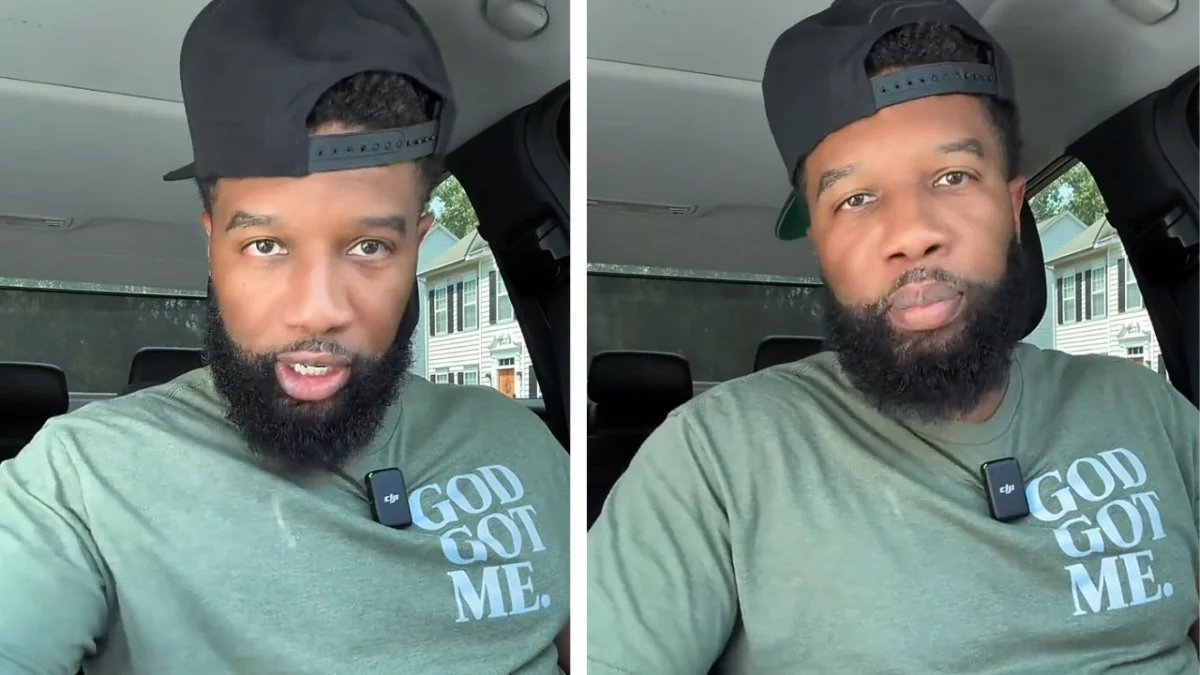
A TikTok post shared on September 5 by content creator Anthony D. Brice has ignited a widespread discussion across social media platforms, offering a nuanced perspective on the intricate dynamics between independent women and secure men in contemporary relationships. The video, which rapidly accrued approximately 1 million views, garnered 129,900 likes, and prompted 1,878 comments by the time of publication, resonated deeply with many, particularly women who articulated personal reflections sparked by Brice’s insights. The discussion underscores a significant societal dialogue regarding evolving gender roles, emotional vulnerability, and the foundations of supportive partnerships in an era marked by increasing female autonomy.
The Genesis of a Viral Conversation
Anthony D. Brice’s video swiftly captured public attention by addressing a perceived paradox in modern dating: the challenge for highly independent women to accept help and the potential for insecure men to misinterpret this self-sufficiency. Brice articulated that "It takes a secure man to love a woman who learns how to take care of everything themselves. Because she is not always going to know how to let you help. She’ll say ‘I got it’ while she is running on empty. She will get quiet when she is overwhelmed." This observation immediately struck a chord with a broad audience, many of whom recognized these behaviors in themselves or their partners.
Brice further elaborated on the critical need for such women to have "somewhere safe to land." He directly confronted the insecurities that can arise in male partners, stating, "If you’re insecure, you’ll take that personally. You’ll think that she doesn’t need you. You’ll think she is shutting you out. You’ll think her independence means there’s no room for you." This segment of the video was particularly impactful, highlighting a common misunderstanding that can strain relationships where one partner values extreme self-reliance.
The Roots of Independence and the Challenge of Vulnerability
A central tenet of Brice’s message was the often-painful origins of intense independence. He suggested that many women are "forced to become strong" due to past experiences where "needing people came with disappointment." This historical context, he argued, makes vulnerability and dependence feel inherently risky. "Help can feel uncomfortable for her; depending on somebody can feel risky. Being soft can feel like giving somebody a chance to let her down," Brice explained. This insight delves into the psychological underpinnings of self-reliance, positing it not merely as a choice but often as a protective mechanism developed in response to perceived unreliability or betrayal.
The kind of partner an independent woman truly needs, according to Brice, is one who "doesn’t compete with her, who doesn’t punish her because she is still learning how to receive." This call for a non-competitive, understanding, and patient partner resonated strongly, suggesting a paradigm shift from traditional power dynamics to one of mutual support and empathetic understanding.
Chronology of Engagement and Public Reception
The video’s impact was immediate and sustained. Posted on September 5, it quickly began to accumulate views and interactions, hitting the million-view mark within a short period. The comment section became a bustling forum for shared experiences and affirmations. Women flooded the comments with personal anecdotes, validating Brice’s observations and expressing gratitude for the articulation of their inner struggles.
One user’s testimony, "I was Independent af!!! He knew my walls were UP. He gave me the security I needed to let my walls down. He also told me you shouldn’t ever give your heart so easily. Been married 15yrs now," exemplified the profound personal resonance of the message. Another commentator highlighted the broader societal impact, stating, "Finally, someone to articulate what a lot of us say, but they never seem to understand. Maybe they just need to hear it from another man." This sentiment suggests that the message’s origin from a male perspective may have contributed to its perceived authority and acceptance by a wider audience, including those who might typically dismiss such discussions. The emotional weight of the video was evident in comments like, "You just struck a chord with me. The tears fell when I heard this. I never even noticed I do this! Thank you!" However, the scarcity of such secure partners was also a recurring theme, encapsulated by the poignant question, "Where are those secure MEN???"
Background Context: Evolving Gender Roles and Relationship Paradigms
The viral success of Brice’s video is set against a backdrop of significant shifts in gender roles and societal expectations over the past several decades. Women’s increased participation in higher education and the workforce has fostered greater economic and personal independence. This empowerment, while overwhelmingly positive, has introduced new complexities into romantic relationships. Traditional gendered expectations of men as providers and women as nurturers are increasingly being challenged, leading to a re-evaluation of what constitutes a "successful" or "supportive" partnership.
Historically, societal structures often incentivized women’s dependence on men. However, the feminist movements of the 20th century, coupled with economic and social advancements, have propelled women into roles of self-sufficiency. This shift, while liberating, can inadvertently create a psychological barrier to interdependence in relationships. Women who have successfully navigated life’s challenges independently may find it difficult to relinquish control or trust others with their vulnerabilities, fearing a loss of autonomy or a repetition of past disappointments. This context is crucial for understanding why Brice’s message resonated so deeply – it speaks to a contemporary lived experience for many women.
Supporting Data and Psychological Frameworks
Brice’s observations align with established psychological theories concerning attachment styles and relationship dynamics. Attachment theory, pioneered by John Bowlby and further developed by Mary Ainsworth, posits that early childhood experiences shape an individual’s "attachment style" – secure, anxious, or avoidant – which subsequently influences their adult relationships. An "avoidant" attachment style, for instance, often manifests as extreme self-reliance, discomfort with intimacy, and a tendency to suppress emotional needs, frequently stemming from early experiences where emotional needs were unmet or dismissed. Independent women who struggle to accept help or become vulnerable may exhibit traits consistent with an avoidant attachment style, often developed as a coping mechanism.
Conversely, Brice’s "secure man" can be understood through the lens of a "secure attachment" style. Individuals with secure attachment are typically comfortable with intimacy and interdependence, able to balance their need for connection with their need for autonomy. They are perceived as reliable, supportive, and emotionally available, creating the "safe space to land" that Brice emphasized. Research consistently demonstrates that relationships with at least one securely attached partner tend to be more stable, satisfying, and resilient.
Furthermore, sociological studies on modern relationships frequently highlight the concept of "emotional labor" and "vulnerability." Emotional labor refers to the effort involved in managing one’s own emotions and those of others, often disproportionately carried by women. Brice’s description of independent women "running on empty" while saying "I got it" speaks directly to the exhaustion of constant emotional and practical self-sufficiency. The ability to be vulnerable – to express needs, fears, and weaknesses – is widely recognized as a cornerstone of deep intimacy, yet it is precisely this vulnerability that independent individuals, scarred by past experiences, find most challenging.
Expert Perspectives and Broader Implications
While the Daily Dot noted it could not independently verify personal experiences shared by commenters, the psychological and sociological underpinnings of Brice’s viral post are robust. Relationship experts and therapists frequently encounter couples grappling with these exact issues. Dr. Harriet Lerner, a renowned psychologist and author, often discusses the delicate balance between separateness and togetherness in relationships, emphasizing that true intimacy requires both partners to maintain their individuality while also being able to lean on each other. Brice’s message echoes this sentiment, advocating for a partnership where independence is respected, but not at the expense of mutual support and emotional connection.
The implications of this viral discussion extend beyond individual relationships. It contributes to a broader societal conversation about:
- Redefining Masculinity: Brice’s video subtly challenges traditional notions of masculinity, which often equate strength with stoicism and emotional detachment. By portraying a "secure man" as one who embraces empathy, patience, and non-competitiveness, the video promotes a more evolved and emotionally intelligent masculinity that values supportive partnership over dominance.
- Mental Health and Burnout: The pressure on independent individuals, particularly women, to always "have it all" and "do it all" can lead to significant stress and burnout. Brice’s observation that women are "running on empty" highlights a crucial mental health concern. Acknowledging this and providing a safe space for vulnerability is vital for well-being.
- Communication in Relationships: The video implicitly underscores the importance of effective communication. The independent woman’s struggle to articulate her needs and the insecure man’s misinterpretation of her self-reliance are both communication failures. Brice’s insights can serve as a starting point for couples to discuss these deeper emotional patterns.
- The Role of Social Media: Platforms like TikTok have become powerful conduits for sharing personal narratives and relationship advice, sometimes circumventing traditional media or therapeutic channels. While offering accessible insights, it also raises questions about the quality and applicability of advice consumed through such informal means. However, the sheer volume of engagement on Brice’s post confirms the public’s appetite for authentic, relatable discussions on complex human relationships.
Conclusion
Anthony D. Brice’s viral TikTok post has done more than just generate views; it has sparked a crucial dialogue about the evolving landscape of modern relationships. By articulating the often-unseen struggles of independent women and the qualities of a truly secure partner, Brice has provided a framework for understanding and fostering deeper, more supportive connections. The overwhelming public response, particularly from women who felt seen and understood, underscores the universal resonance of these themes. As societal norms continue to evolve, the quest for partnerships that honor independence while providing a safe harbor for vulnerability remains a central challenge, and discussions like these are instrumental in navigating that path.