
 Lina Irawan
The landscape of software engineering is witnessing a renewed analytical focus on Model Oriented Programming (MOP), a paradigm that prioritizes high-level structural definitions over traditional procedural or object-oriented code. Originally conceptualized and implemented through specialized environments such as the Mo+ integrated development environment (IDE) over thirteen years ago, MOP offers a methodology where models—concise representations of complex systems—serve as the primary drivers for software creation and maintenance. While the initial commercial adoption of these tools faced challenges within the broader market, the advent of sophisticated artificial intelligence and the increasing complexity of enterprise systems have brought the principles of Model Oriented Development (MOD) back into the spotlight of computer science research.
The Core Principles of Model Oriented Programming
At its foundational level, Model Oriented Programming is defined by the distinction between structure and data. In this context, a model is not merely a visual aid but an electronic definition characterized by a hierarchical arrangement of nodes and attributes. The structure establishes the rules or "schema," while the data populates that structure in accordance with defined constraints.
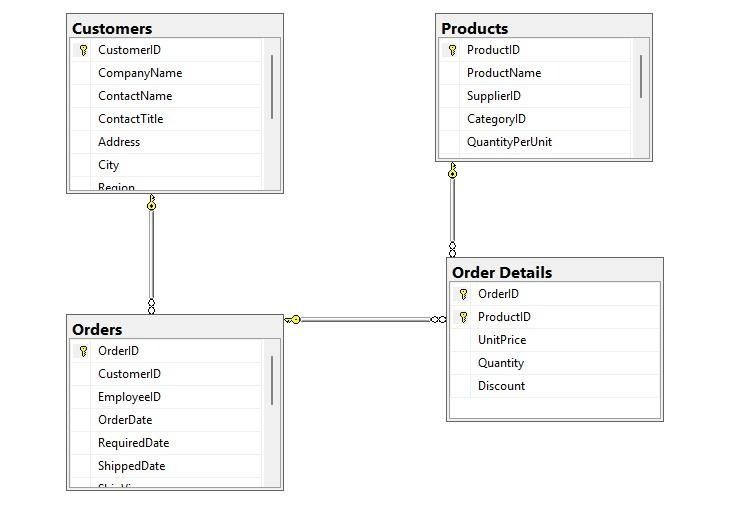
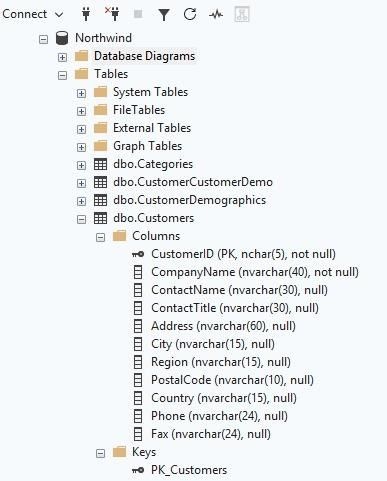
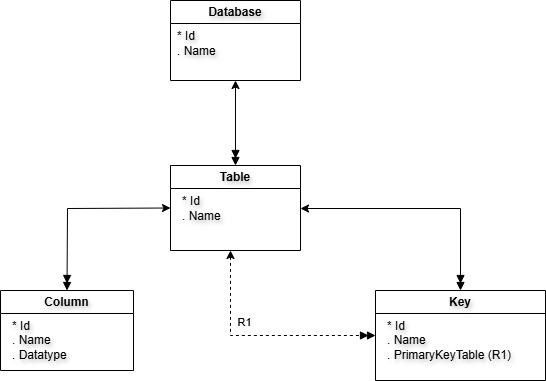
A common misconception within the industry is that complex systems, such as relational databases, are inherently non-hierarchical. However, technical analysis reveals that while runtime data in a database may appear flat or networked, the underlying schema remains hierarchical. For instance, a standard relational database IDE displays schemas in tree views where a root "Database" node branches into "Tables," which further branch into "Columns" and "Keys." Even cross-references, such as foreign keys, are handled through reference attributes that point to other nodes, thereby maintaining the integrity of the hierarchical model structure.
A Chronology of Model Oriented Development
The development of MOP can be traced through several evolutionary stages, beginning with the creation of the Mo+ language thirteen years ago. This technology was successfully deployed in various enterprise projects to automate the generation of boilerplate code and ensure architectural consistency. However, the trajectory of the field shifted approximately six years ago when primary development on Mo+ slowed as its creator transitioned into specialized maritime archeology and ship construction in Northern Europe.
Despite this shift, the industry has seen parallel developments in what is now classified as "Inline MOD." This form of modeling is widely utilized today through Object-Relational Mapping (ORM) frameworks like Entity Framework and NHibernate, as well as modern user interface frameworks such as Angular and React. These systems utilize standard model structures to manage application states and data persistence, though they often lack the full flexibility of a dedicated MOP language.
Categorizing the Four Forms of MOD
To understand the current state of the field, researchers categorize Model Oriented Development into four distinct methodologies:
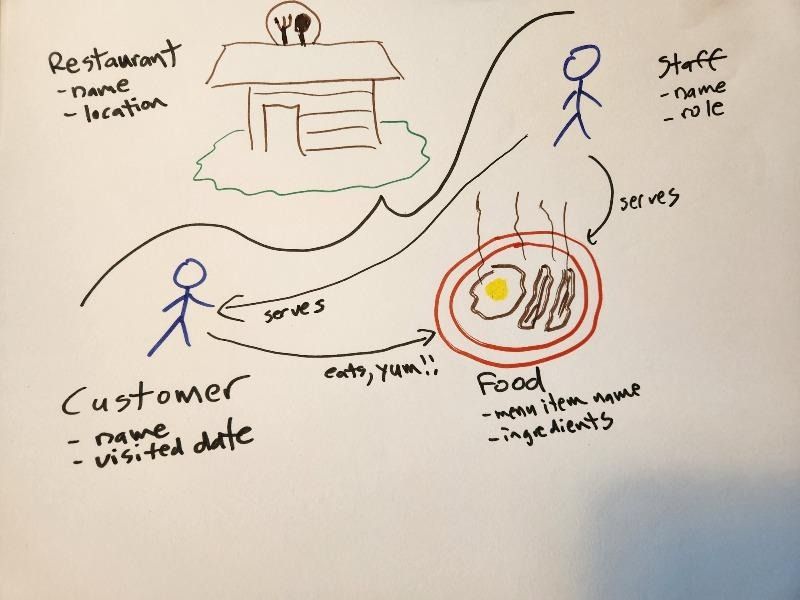
- Informal MOD: This involves utilizing non-standard models, such as whiteboard sketches or informal diagrams. These models lack electronic definitions that a language interpreter can process, making them the most difficult to integrate into automated workflows.
- Inline MOD: The most prevalent form in modern software engineering, where models are defined within the code itself. Examples include the "Code First" approach in Entity Framework, where C# classes define the database schema.
- Coupled MOD: Exemplified by the Unified Modeling Language (UML), this approach links modeling tools directly to source code management. The model is intended to clarify the design, and changes in the model are synchronized with the underlying code.
- Decoupled MOD: This methodology uses models to outline requirements, primarily focusing on data and workflow rather than specific design components. Based on the Shlaer-Mellor method, decoupled MOD allows a single model element to inform multiple technical components, such as web services, UI elements, and database tables.
Technical Innovations: Language Features and Grammar
A fully featured MOP language introduces several innovations that distinguish it from traditional Object-Oriented Programming (OOP). Central to this is the concept of a "Programming Session"—a period where a model structure is defined and the model data is sealed as read-only. This environment allows the language interpreter to treat the model structure as part of the language grammar itself.
Model Context and the Stack Mechanism
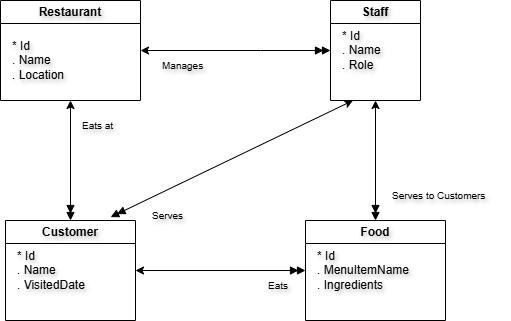
Unlike OOP, which requires the instantiation of variables to hold state, MOP utilizes "Model Context." By implementing context as a stack, the language allows developers to traverse the model tree seamlessly. For example, a command to print a "Name" attribute will yield different results depending on whether the context is currently set to an "Entity" node or a "Property" node. This hierarchy-aware navigation significantly reduces the need for temporary variables and complex loop logic.
Model Oriented Properties
These are independent blocks of code associated with specific nodes in the model structure. A "PublicClassCode" property associated with an "Entity" node can be evaluated repeatedly across different instances (e.g., "Restaurant," "Staff," "Customer"). These properties are highly reusable and function as codified best practices that can be applied across different projects.
Dynamic Grammar and the Grammar Builder
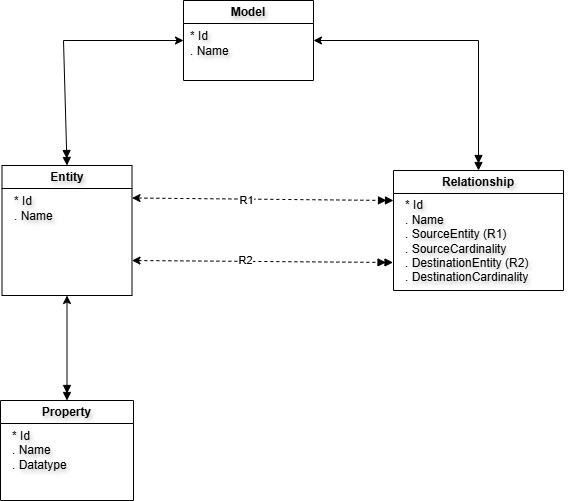
One of the most advanced features of MOP is the "Grammar Builder," a mechanism that modifies the programming language’s grammar at runtime. When a developer adds a new attribute, such as "MaxLength," to a "Property" node in the model, the interpreter immediately incorporates "MaxLength" into the language syntax. This allows for the creation of domain-specific languages that evolve alongside the system requirements.
Supporting Data and Performance Analysis
Empirical evidence from enterprise applications suggests that Transitional MOP—the process of using a model to maintain a target system—can automate between 80% and 90% of a software environment. By utilizing model-oriented properties as building blocks, developers can ensure that technical requirements and architectural standards are consistently applied.
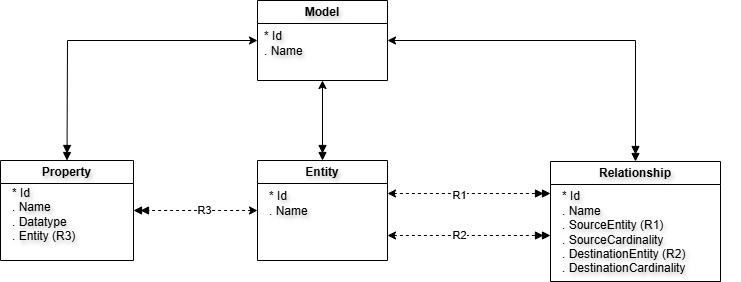
Furthermore, because model data is read-only during a programming session and variables are rarely used, MOP environments are highly conducive to parallel processing. While many traditional languages struggle with thread safety and state management, MOP’s structure allows for massive parallelism in property evaluation. Caching mechanisms also provide significant performance gains; by storing the results of property evaluations for specific model contexts, interpreters can bypass redundant computations, leading to faster build times for complex systems.
Official Responses and Industry Implications
The software development industry has shown a growing interest in low-code and no-code platforms, which share some DNA with MOP. According to market research, the global low-code development platform market was valued at approximately $22.5 billion in 2022 and is projected to grow significantly. However, MOP advocates argue that while low-code platforms often hide complexity, MOP exposes and manages it through rigorous structural definitions.
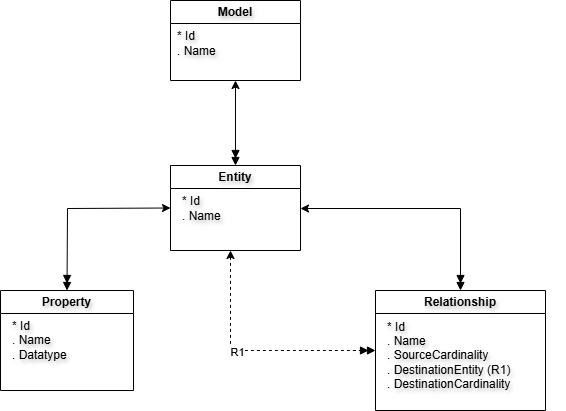
Academic researchers have noted that MOP could serve as a vital bridge for AI-driven development. Large Language Models (LLMs) are highly proficient at generating code when provided with clear, structural constraints. A MOP framework provides exactly the kind of hierarchical, rule-based environment that can guide AI in generating consistent, bug-free enterprise software. By providing a "Model Snapshot" as a prompt, developers can leverage AI to fill in the gaps between the model and the final system implementation.
Broader Impact and Future Outlook
The implications of Model Oriented Programming extend beyond mere productivity. As software systems become increasingly vital to global infrastructure, the ability to maintain and update these systems without introducing technical debt is paramount. MOP offers a path toward "Self-Documenting Systems," where the model and the code are inextricably linked, ensuring that the documentation never diverges from the reality of the implementation.
The call for renewed research into MOP is not merely a nostalgic exercise but a strategic necessity. As the creator of Mo+ notes, the transition from software engineering to the physical construction of Viking ships highlighted the importance of structural integrity and blueprints—principles that are just as applicable to the digital world. The integration of MOP with modern AI, the refinement of target language integration, and the development of "smart" IDEs that can manage grammar changes are the next frontiers for this technology.
In conclusion, Model Oriented Programming stands as a sophisticated alternative to traditional development paradigms. By prioritizing the model as a first-class citizen in the programming lifecycle, the industry can achieve higher levels of automation, consistency, and scalability. As research continues at universities and within private enterprise, the principles of MOP are likely to play a critical role in the next generation of software engineering tools.









