Metty Iskandar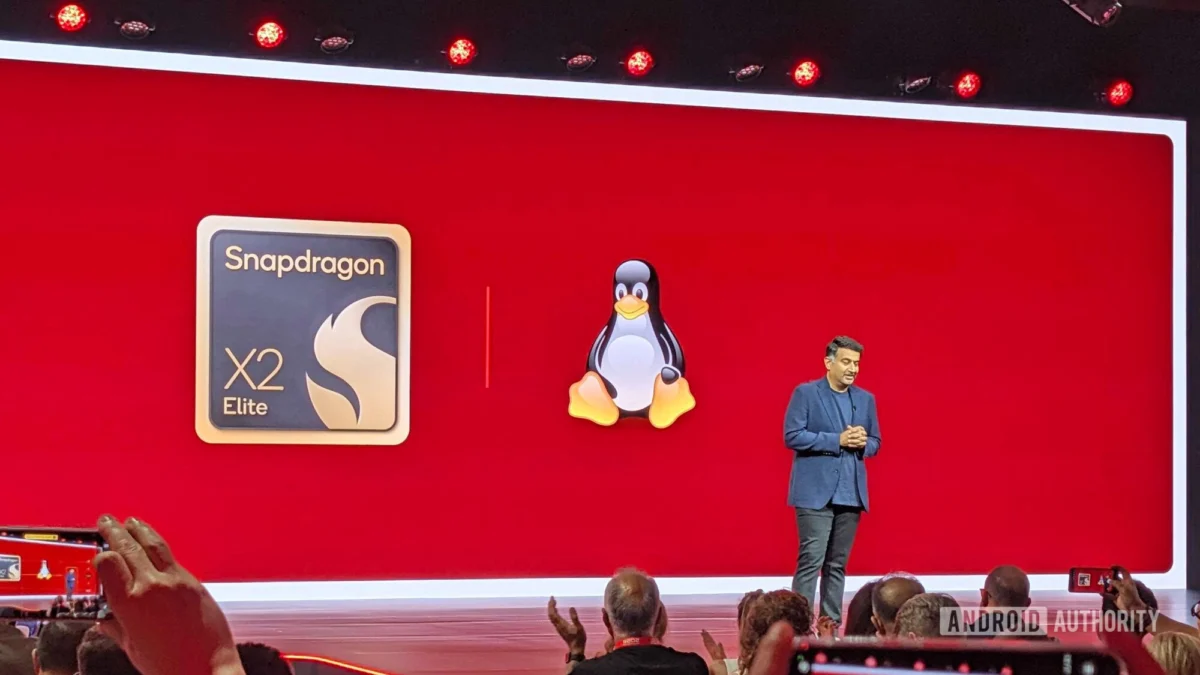
The computing landscape for laptops is undergoing a profound transformation, a shift that has been building for over two decades. After a long period where laptops largely functioned as miniaturized desktop computers, relying on power-hungry architectures not optimized for mobility, a significant embrace of RISC computing has begun. This evolution is epitomized by the increasing prevalence of laptops powered by Qualcomm Snapdragon chips, particularly the innovative X series. At the company’s annual Snapdragon Summit, Qualcomm has unveiled pivotal advancements that promise to significantly enhance the capabilities of these ARM-based machines, with a particular focus on appealing to power users and developers through robust Linux support.
For all the inherent advantages of Snapdragon laptops, such as their remarkable speed and extended battery life, a notable gap has persisted: the lack of seamless Linux integration. Despite the fact that Snapdragon chips have long powered Android devices, which are built upon the Linux kernel, early Snapdragon X laptops conspicuously omitted support for mainstream Linux distributions. This absence was a significant hurdle for a substantial segment of the computing community who rely on Linux for development, customization, and a variety of specialized applications.
A Strategic Shift: Embracing the Open-Source Ecosystem
In a move widely anticipated by industry observers, Qualcomm has officially announced its commitment to bringing Linux to its Snapdragon-powered laptops. During the company’s PC keynote at the recent Snapdragon Summit, the tech giant confirmed that comprehensive Linux support is on the horizon, with Debian being the first mainstream distribution slated for arrival before the close of the current year. This announcement marks a critical turning point, signaling Qualcomm’s strategic intent to broaden the appeal and utility of its ARM-based laptop platform beyond the conventional Windows ecosystem.
The implications of this move are far-reaching. For developers, system administrators, and tech enthusiasts who have historically favored Linux for its flexibility, transparency, and powerful command-line interface, the prospect of running their preferred operating system natively on energy-efficient and high-performance Snapdragon hardware is immensely attractive. Historically, running Linux on ARM-based laptops has often involved complex workarounds, performance compromises, or reliance on virtualization solutions, none of which offer the seamless experience expected from a native implementation.
Expanding Horizons: Ubuntu and Beyond in 2027
The commitment to Linux extends beyond the initial Debian integration. Looking ahead into 2027, Qualcomm has detailed plans to further expand Linux compatibility across its Snapdragon X-based devices. Specifically, support for Ubuntu, another highly popular and widely adopted Linux distribution, is slated to arrive in early 2027. This expansion is particularly significant, as Ubuntu serves as the foundation for a vast array of software development tools, server environments, and cloud computing platforms.
Early indications suggest that ASUS is poised to be among the first manufacturers to offer Ubuntu compatibility on its Snapdragon X2 hardware, with a target release date within the first half of 2027. This collaboration underscores the growing ecosystem of hardware and software partners aligning with Qualcomm’s vision for ARM-powered computing. The inclusion of ASUS in this rollout further validates the technological maturity and market readiness of these platforms for broader adoption by diverse user segments.
The Evolution of Laptop Computing and the Rise of ARM
The journey towards ARM-based laptops gaining mainstream traction has been a gradual but persistent one. For years, the dominant x86 architecture, primarily championed by Intel and AMD, reigned supreme in the laptop market. However, the inherent power efficiency of ARM processors, famously demonstrated in the mobile device sector, began to present a compelling alternative for the laptop form factor. Qualcomm’s Snapdragon chips, with their integrated CPU, GPU, and AI accelerators, have been at the forefront of this charge, aiming to deliver a potent combination of performance and extended battery life that has often been a trade-off for users of traditional laptops.
The initial launch of Snapdragon X laptops was met with considerable interest, showcasing impressive performance benchmarks and exceptional battery endurance. However, the lack of robust native support for operating systems beyond Windows presented a significant barrier for users who require or prefer alternative environments. The announcement of comprehensive Linux support directly addresses this limitation, effectively removing a key obstacle to wider adoption among a more technically inclined user base.
The Historical Context of Linux on Laptops
Linux has long been a preferred operating system for developers, researchers, and power users due to its open-source nature, customization capabilities, and robust command-line interface. Historically, running Linux on various hardware platforms has been a testament to the Linux community’s ability to adapt and innovate. However, achieving full hardware support, especially for newer architectures like ARM in the laptop space, has often been a complex and time-consuming endeavor.
The initial challenges faced by early Snapdragon X laptops in supporting mainstream Linux distributions were not entirely unexpected. Bringing an operating system to new hardware architectures requires extensive driver development, kernel porting, and optimization. The fact that Qualcomm is now actively investing in and facilitating this process for its Snapdragon X platforms indicates a mature development cycle and a clear strategic direction to cater to a wider audience.
Data-Driven Insights: Performance and Efficiency Gains
The potential benefits of running Linux natively on Snapdragon X laptops are significant, supported by the underlying architectural advantages of ARM processors. Snapdragon X Elite and X Plus processors, built on advanced 4nm process technology, offer a compelling blend of performance and power efficiency. For instance, Qualcomm has highlighted that these chips can deliver up to 50% better performance per watt compared to competing x86 processors, a metric that directly translates to longer battery life and quieter operation, even under demanding workloads.
When running Linux, developers can leverage these efficiencies to compile code faster, run complex simulations with less power consumption, and engage in extensive multitasking without the rapid battery drain often associated with high-performance computing on traditional laptops. The integrated AI Engine within Snapdragon processors also opens up new possibilities for machine learning development and deployment directly on the device, a capability that is increasingly valuable in modern software development.
Official Statements and Community Reactions
While specific official statements from third-party vendors beyond ASUS regarding their immediate plans for Linux support on Snapdragon hardware have yet to be widely disseminated, the overarching sentiment within the developer and open-source communities has been overwhelmingly positive. The announcement from Qualcomm is being viewed as a significant step towards democratizing high-performance, energy-efficient computing.
Industry analysts have also weighed in, suggesting that this move could significantly disrupt the traditional laptop market. By offering a compelling alternative for users who value both performance and battery life, and who also require the flexibility of Linux, Qualcomm is positioning its Snapdragon platform as a serious contender across a broader spectrum of the computing market. This could particularly impact the business and education sectors, where cost-effectiveness, manageability, and specialized software requirements often align with Linux-based solutions.
Broader Impact and Implications: A Glimpse into the Future
The widespread availability of Linux on Snapdragon laptops is poised to have several profound implications for the technology industry and end-users alike:
- Democratization of High-Performance ARM Computing: By providing robust Linux support, Qualcomm is making its powerful and efficient ARM-based laptops accessible to a significantly larger user base, including developers, researchers, and enthusiasts who may have previously been deterred by operating system limitations.
- Accelerated Innovation: The integration of Linux will foster a more vibrant ecosystem around Snapdragon laptops. Developers can more easily port their existing Linux applications and build new ones, leading to a wider array of software available for these devices. This could also spur innovation in areas like embedded systems development, AI/ML on the edge, and cloud-native application development.
- Increased Competition: This move intensifies competition in the laptop market, challenging the long-standing dominance of x86 architectures. As ARM-based laptops become more versatile and appealing, consumers and businesses will have more choices, potentially leading to better pricing and more innovative hardware designs.
- Environmental Benefits: The inherent power efficiency of ARM processors, coupled with the optimized performance offered by native Linux operation, could contribute to a reduction in overall energy consumption for computing devices, aligning with growing global efforts towards sustainability.
- A Unified Ecosystem: For those who already utilize Linux on servers or other devices, the ability to have a consistent operating environment across their desktop, laptop, and mobile devices (via Android’s Linux roots) offers a streamlined and integrated computing experience.
As the technology industry continues its relentless march forward, the convergence of high-performance ARM architectures and open-source operating systems like Linux on laptops represents a significant milestone. Qualcomm’s commitment to this integration signals a future where users are not forced to compromise between power, battery life, and their preferred computing environment, ushering in a new era of versatile and efficient personal computing. The coming years will undoubtedly reveal the full extent of this transformative shift, as more users discover the compelling advantages of running Linux on the cutting edge of ARM-based laptop technology.