Metty Iskandar
The Google Pixel 11 Pro continues to impress reviewers and users alike, solidifying its position as a top-tier Android flagship. While its acclaimed camera system, elegant design, and streamlined software are frequently highlighted, a less-discussed yet critically important feature deserves significant attention: Google’s advanced Face Unlock. This sophisticated biometric authentication, a staple since the Pixel 8 Pro’s introduction, has evolved into a cornerstone of the Pixel experience, offering a level of security and convenience that remains largely unmatched across the broader Android ecosystem.
A Legacy of Secure Biometrics
Google’s journey into secure facial recognition began in earnest with the Pixel 8 series in late 2023. Prior to this, many Android manufacturers offered facial recognition, but these implementations were often relegated to mere convenience features, primarily for unlocking the lock screen and lacking the robust security necessary for sensitive transactions or app access. Google’s approach, however, was fundamentally different. By leveraging the integrated Tensor processing units (TPUs) within its custom chipsets, Google was able to develop a facial recognition system that met stringent security standards, comparable to fingerprint sensors.
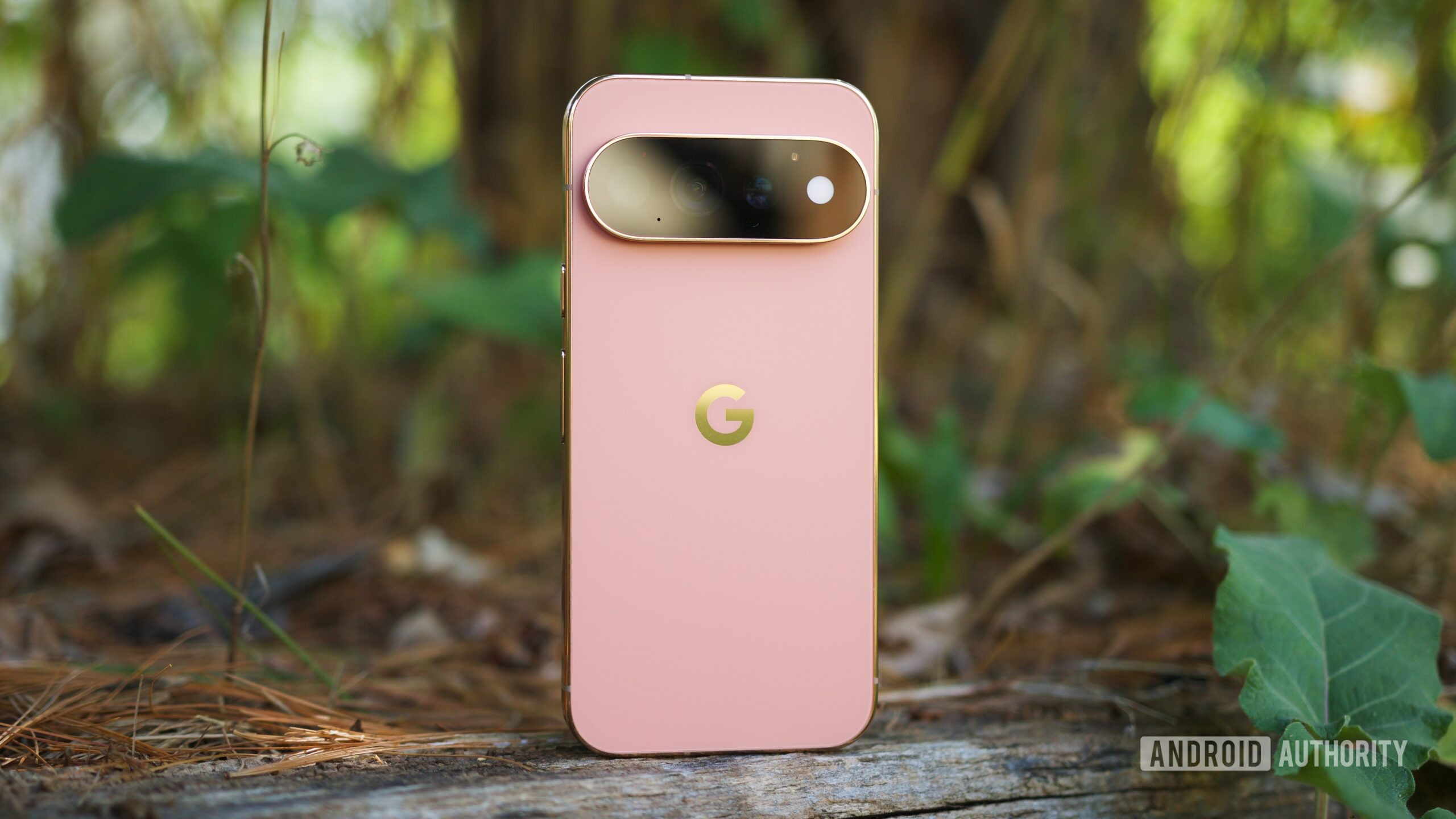
The Pixel 11 Pro, released in late 2026, carries forward this legacy. For over a month, users have been experiencing the seamless integration of this technology, which works in tandem with the device’s highly capable in-screen fingerprint sensor. This dual-authentication system provides users with flexibility, allowing them to choose the most convenient and secure method for their immediate needs.
The Technological Underpinnings of Pixel Face Unlock
The effectiveness of Google’s Face Unlock is deeply rooted in its proprietary Tensor chip architecture. Unlike competitors who often rely on less sophisticated camera-based facial recognition or specialized, expensive hardware like Apple’s Face ID, Google has ingeniously employed machine learning models running on its custom TPUs. This allows the Pixel’s standard front-facing camera to capture and analyze facial data with a high degree of accuracy and security, without requiring additional, costly hardware components.
This approach has several key advantages. Firstly, it enables Google to achieve a level of security that allows Face Unlock to be used for authenticating mobile payments and accessing secure applications, a capability not typically found in other Android phones. Secondly, it allows for a more streamlined device design, as specialized depth-sensing cameras are not required. The machine learning algorithms, continuously refined through software updates and the iterative improvements in Tensor chip performance, ensure that the system remains secure and effective over time, adapting to subtle changes in a user’s appearance.
A Comparative Analysis: Pixel’s Edge in the Android Market
When examining the Android landscape in late 2026, the disparity in facial recognition security is stark. While brands like Samsung and Motorola may offer facial unlock features, these are predominantly classified as "convenience" biometrics. This means they are suitable for unlocking the device’s home screen but are generally not recommended or certified for authorizing financial transactions or accessing highly sensitive applications. This distinction is crucial for user security and privacy.
Google’s Pixel phones, conversely, have consistently offered a more comprehensive security solution. The integration of Face Unlock with the Tensor chip’s capabilities has allowed Google to achieve a level of security that aligns with industry standards for biometric authentication. This means users can confidently use Face Unlock to approve purchases on Google Pay, log into banking apps, or access password managers, enjoying the same peace of mind they would have with a fingerprint scan.
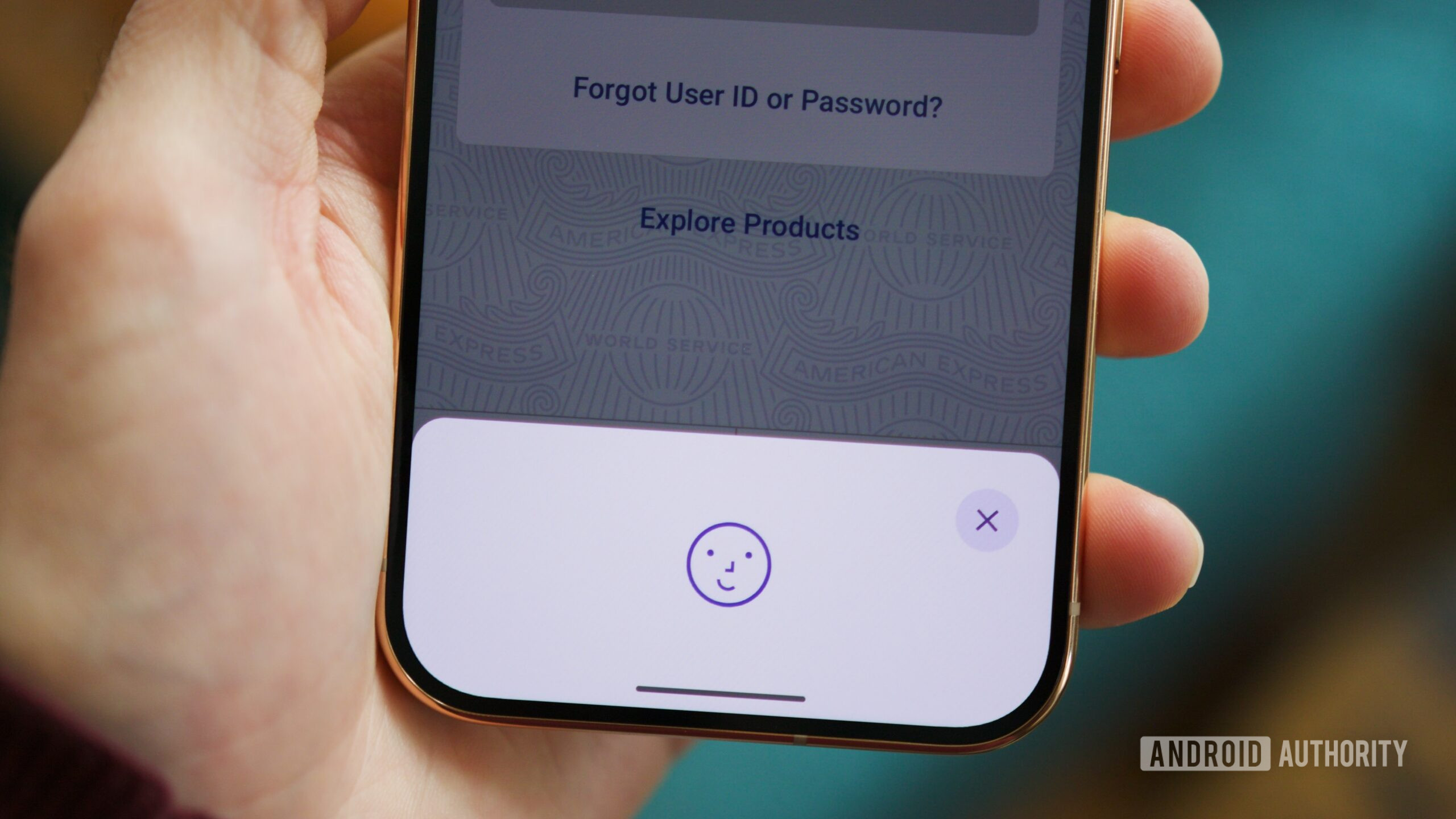
This technical advantage, while not always overtly advertised, forms a significant part of the Pixel user experience. It represents a strategic decision by Google to prioritize user security through intelligent software and hardware integration, rather than simply adopting a common but less secure feature.
User Experience: Convenience Meets Security
The practical implications of Google’s secure Face Unlock are profound for daily device interaction. The author’s personal experience with the Pixel 11 Pro highlights this dichotomy:
"I don’t dislike fingerprint sensors, and the one on the Pixel 11 Pro is quite good. But having the choice between it and a fully-fledged face unlock system is just immensely convenient. When I’m already holding the Pixel 11 Pro, popping my thumb onto the fingerprint sensor is usually the quickest and most natural way to unlock the phone or access a banking app. But when the Pixel is lying on my office desk or kitchen table, just glancing at the phone to unlock it is the best."
This sentiment underscores a key aspect of user preference: the optimal biometric method often depends on the context. When the phone is in hand, a fingerprint sensor is often the most intuitive choice. However, when the device is on a surface, Face Unlock offers unparalleled ease of use. The ability to seamlessly switch between these two secure methods without compromising security is a significant differentiator for the Pixel line.
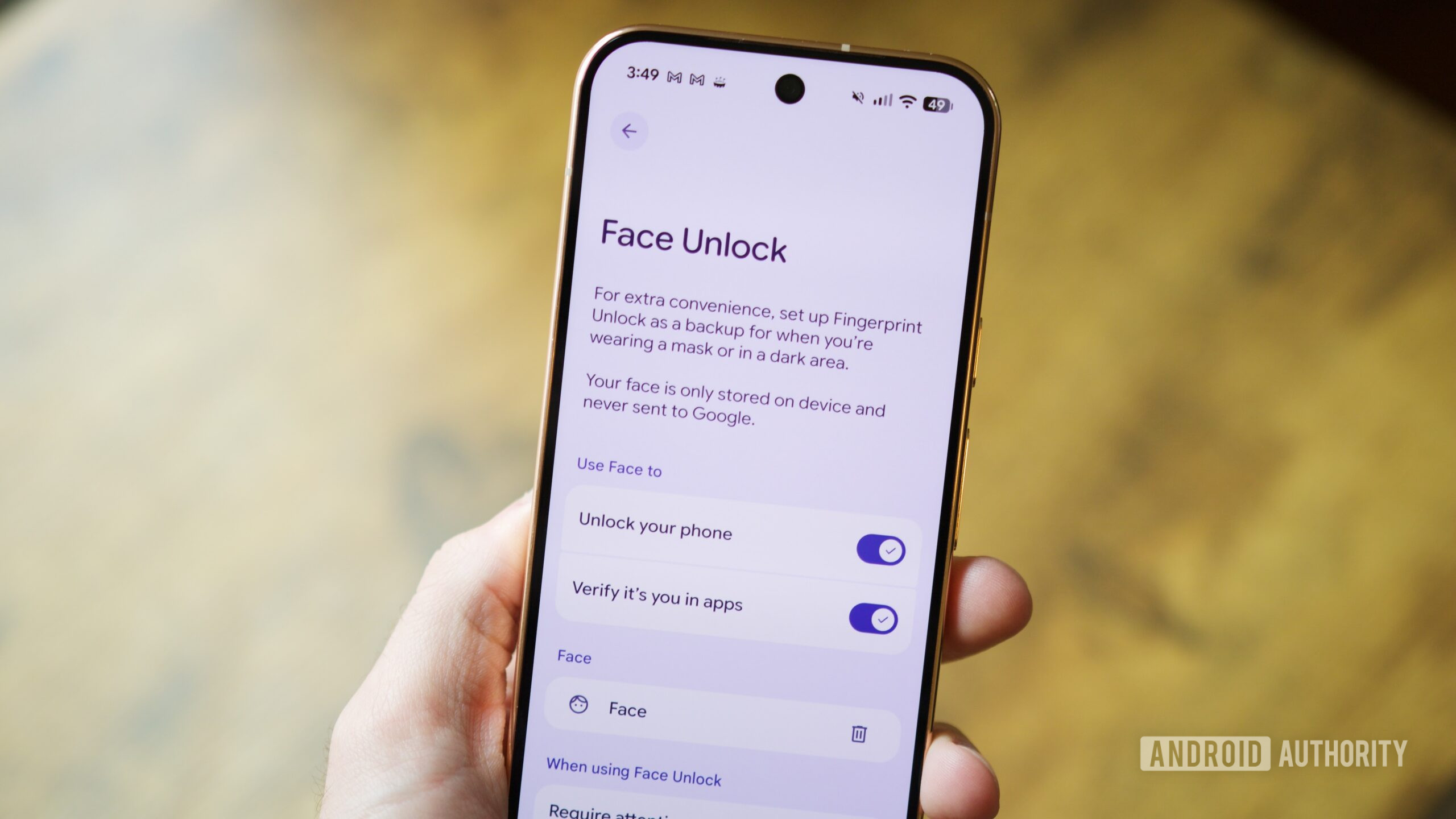
This preference for contextual convenience is a testament to Google’s understanding of user behavior. By providing robust options, Google empowers users to select the most efficient unlocking method for any given situation, enhancing the overall user experience without sacrificing security. This flexibility is not a minor detail; it is a quality-of-life improvement that, once experienced, becomes difficult to live without.
The Curious Case of Android Imitation: Why Others Lag Behind
Despite the clear advantages of Google’s approach to secure Face Unlock, the broader Android market has been surprisingly slow to adopt similar technology. Three years after its initial implementation on the Pixel 8 series, Google remains one of the few major Android manufacturers, particularly in Western markets, to offer this level of secure facial recognition.
Several factors contribute to this lack of widespread adoption. The primary barrier is the reliance on specialized hardware or the significant investment in software development. As previously mentioned, Google’s Face Unlock is intrinsically linked to its custom Tensor chipsets. Competitors, predominantly utilizing chipsets from Qualcomm and MediaTek, would face considerable challenges in replicating Google’s success. Developing comparable machine learning models that perform reliably and securely on non-specialized hardware would require substantial research and development resources, including significant investment in AI and machine learning expertise.
Furthermore, the Android ecosystem is characterized by diverse hardware configurations and varying levels of integration between chip manufacturers and device makers. This fragmentation can make it more difficult to implement a standardized, secure biometric solution across a wide range of devices. For some manufacturers, the perceived cost-benefit analysis might not justify the investment, especially if their current offerings are deemed sufficient for their target market’s needs.
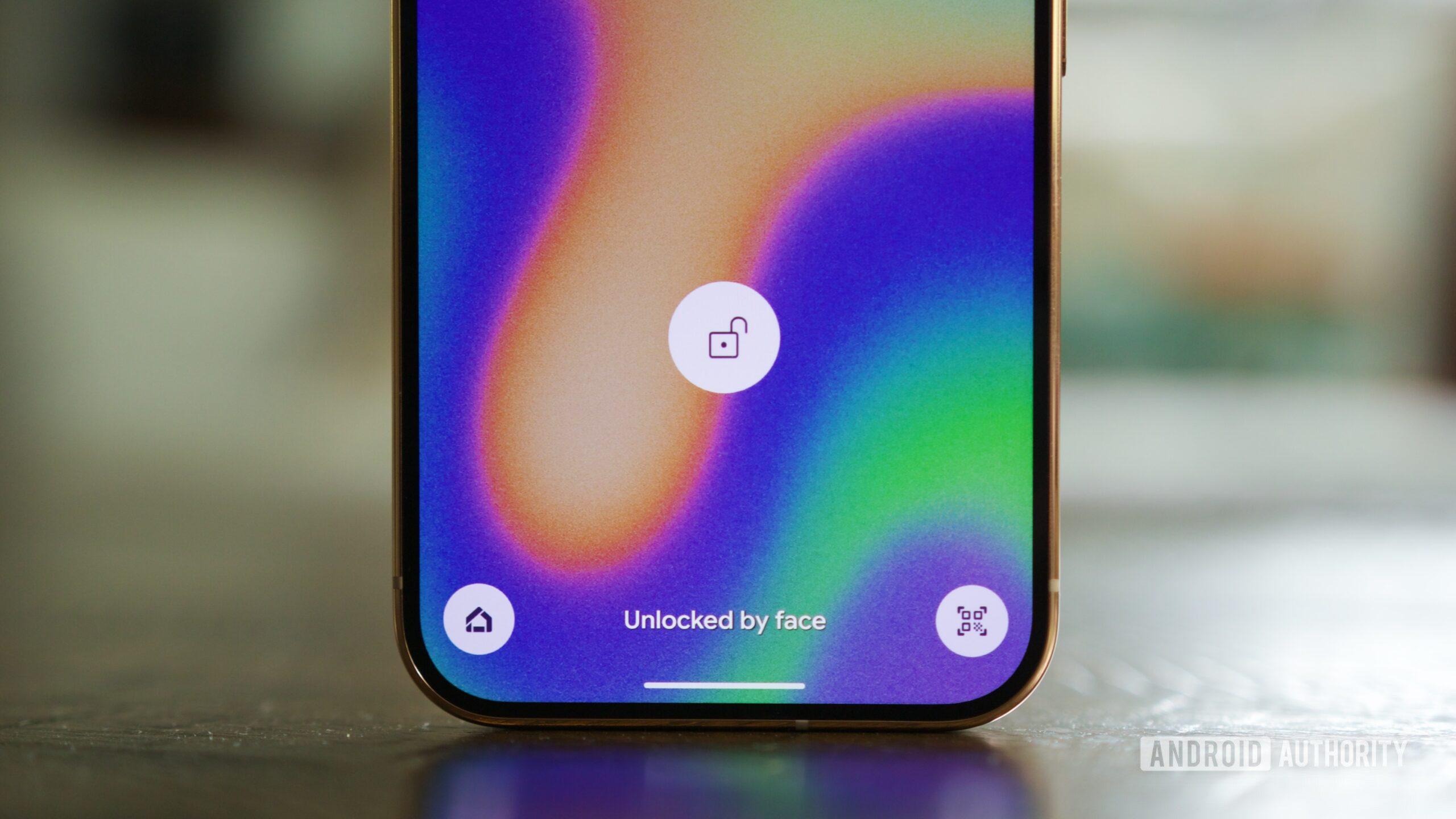
The success of Google’s Face Unlock serves as a compelling case study in how a company can leverage its own hardware and software development capabilities to create a unique and valuable user experience. While the Tensor chips may sometimes face criticism for their raw performance in benchmark tests, their role in enabling features like secure Face Unlock demonstrates their strategic importance and the value they bring to the Pixel ecosystem.
The Future of Biometrics: Google’s Enduring Influence
The Pixel 11 Pro’s Face Unlock, while perhaps not as loudly proclaimed as its camera prowess, represents a significant achievement in mobile security and user experience. It is a feature that exemplifies Google’s commitment to innovation, pushing the boundaries of what is possible within the Android platform.
As the mobile industry continues to evolve, the demand for secure, convenient, and versatile authentication methods will only grow. Google’s pioneering work in leveraging AI and custom silicon for facial recognition has set a benchmark that others may eventually strive to meet. The fact that this technology has remained a premium Pixel feature for three generations, and continues to be a highlight of the Pixel 11 Pro, speaks volumes about its enduring value.
While it is uncertain whether other Android manufacturers will fully embrace this level of secure facial recognition in the near future, Google’s success with Face Unlock on its Pixel devices undoubtedly influences the ongoing conversation about mobile security. For users who prioritize both convenience and robust protection, the Pixel 11 Pro offers a compelling argument for its continued dominance in the premium Android segment, with its sophisticated Face Unlock system playing a pivotal, albeit sometimes understated, role.
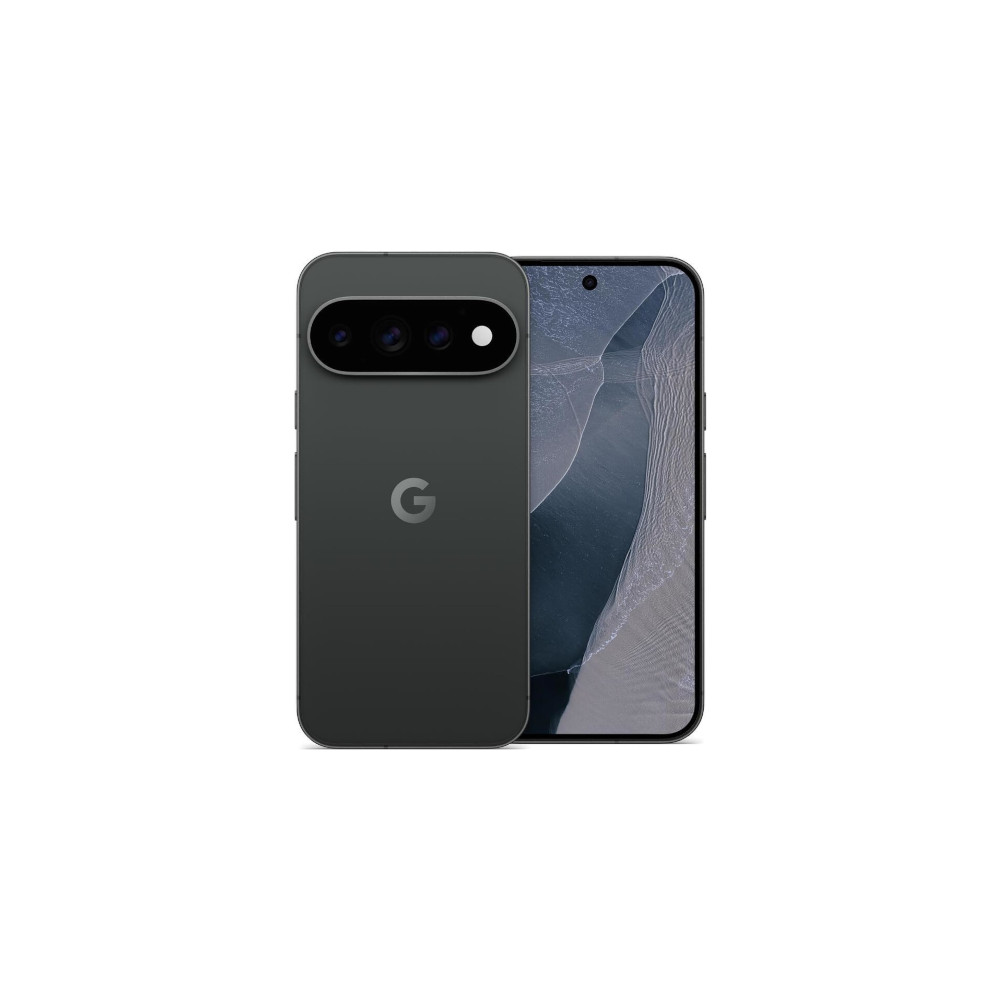
The Pixel 11 Pro stands as a testament to Google’s holistic approach to smartphone development, where hardware, software, and AI converge to create a user experience that is both advanced and remarkably intuitive. The secure Face Unlock is not just a feature; it’s a quiet revolution in how we interact with our devices, a testament to Google’s vision for a more secure and seamless mobile future.