
 Lina Irawan
The software engineering landscape is witnessing a renewed discourse on the efficiency of traditional coding paradigms versus the abstraction offered by Model Oriented Programming (MOP). This technical evolution, which gained significant momentum over a decade ago with the development of specialized tools like Mo+, represents a departure from standard Object-Oriented Programming (OOP) by prioritizing hierarchical structures and data schemas as the primary drivers of system logic. While the initial commercial adoption of fully featured MOP environments faced challenges in the early 2010s, current advancements in Artificial Intelligence (AI) and the rising complexity of enterprise systems have reignited interest in model-centric methodologies.
The Architectural Foundation of Model Oriented Programming
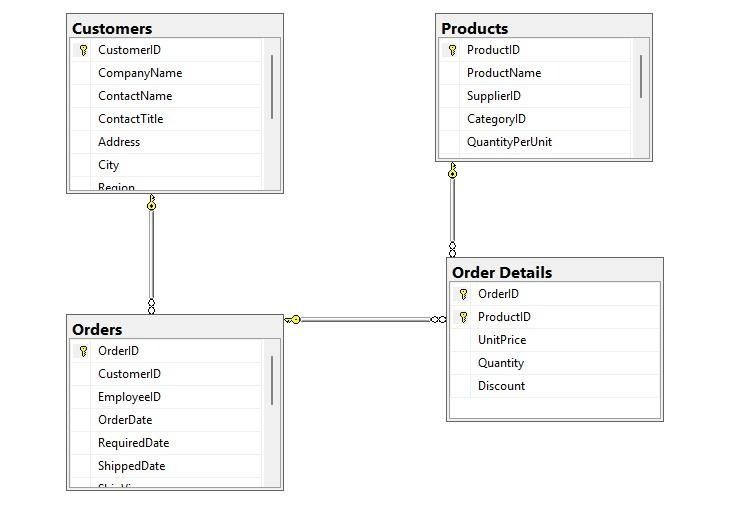
At the core of Model Oriented Programming lies the principle that a model is a concise representation of a larger, more complex system. In a technical context, a model is defined by its structure and its data. The structure establishes the rules or "schema," which is invariably hierarchical, while the data populates that structure in compliance with established rules.
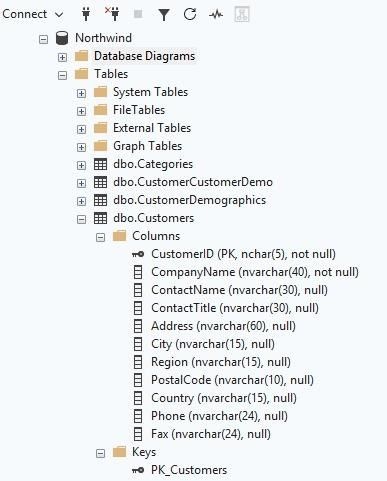
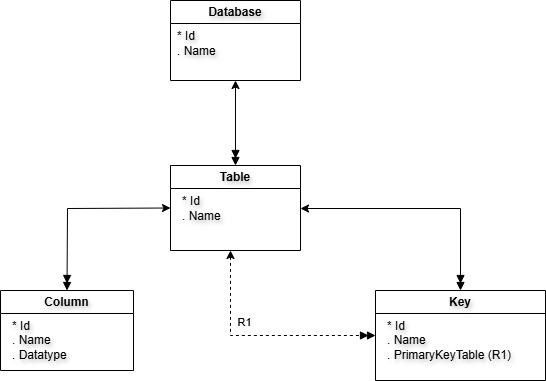
Historically, developers have utilized nodes and attributes to define these structures. While some critics argue that relational databases are non-hierarchical, proponents of MOP point to the schema definitions within database Integrated Development Environments (IDEs). In these environments, elements such as databases, tables, columns, and keys are displayed in tree views, confirming their hierarchical nature. The complexity of foreign keys and cross-references is managed through reference attributes, allowing the model to remain structurally organized while maintaining relational integrity.
Chronology of Model Oriented Development
The timeline of MOP’s development reflects the broader shifts in the software industry, moving from the rigid CASE (Computer-Aided Software Engineering) tools of the 1990s to the more flexible, automated systems of the modern era.
- 2011: The Emergence of Mo+: The development of the first fully featured model-oriented programming language and IDE, Mo+, provided a proof of concept for enterprise-level applications.
- 2014: Visual Studio Integration: Mo+ was released as a Visual Studio add-on, attempting to bridge the gap between model-centric design and the industry-standard development environment.
- 2014–2018: Implementation and Stagnation: While the technology was utilized successfully in specific workplace enterprise projects, it struggled to capture a broad market share, leading to a period of limited commercial growth.
- 2018: Industry Hiatus: The primary architect of Mo+ transitioned from software engineering to maritime construction, specifically building Viking and Anglo-Saxon ships in Scandinavia. This period highlighted the disconnect between innovative programming paradigms and mainstream industry adoption.
- 2024: Theoretical Resurgence: The rise of AI-assisted coding has led to a re-evaluation of MOP, as structured models provide a more stable foundation for LLMs (Large Language Models) to generate accurate, best-practice-compliant code.
Categorization of Model Oriented Development (MOD)
Industry analysts categorize Model Oriented Development into four distinct forms, each with varying levels of complexity and application.
Informal MOD
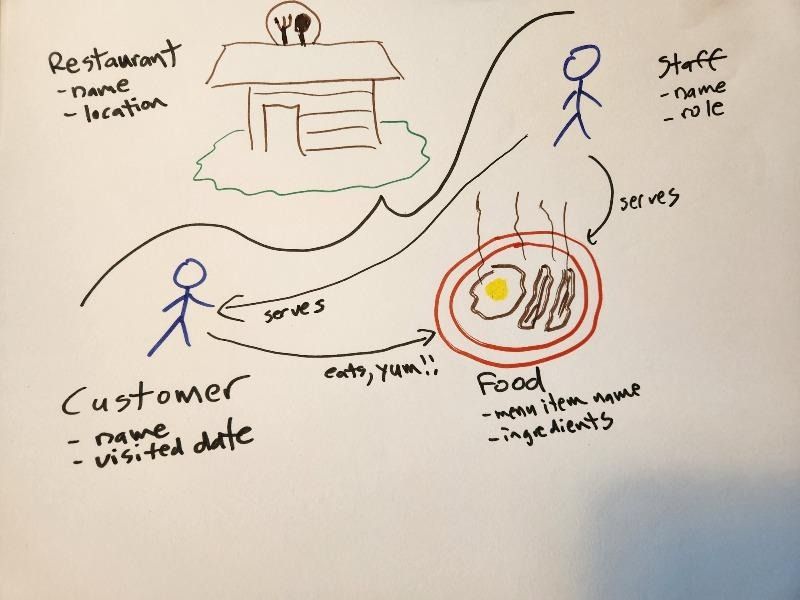
This involves non-standard models, such as whiteboard sketches or informal diagrams. While these lack electronic definitions that a language interpreter can understand, they serve as the conceptual starting point for system design.
Inline MOD
Currently the most popular form, Inline MOD utilizes frameworks like Object-Relational Mappers (ORMs) such as Entity Framework or NHibernate, and UI frameworks like Angular or React. In this model, the structure is often defined within the code itself, allowing the framework to manage the underlying data hierarchy.
Coupled MOD
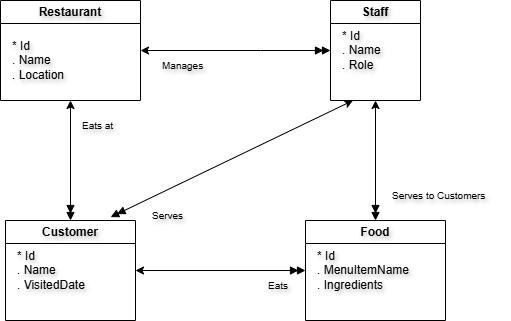
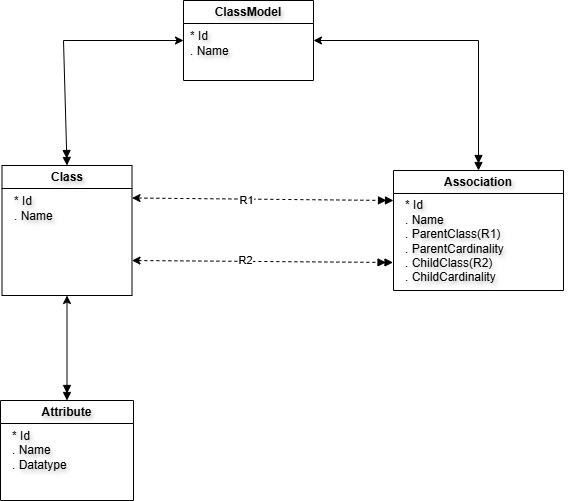
Standardized modeling languages, most notably UML (Unified Modeling Language), characterize this form. Coupled MOD uses tools to synchronize models and source code, intended to clarify the design of a system through visual representation.
Decoupled MOD
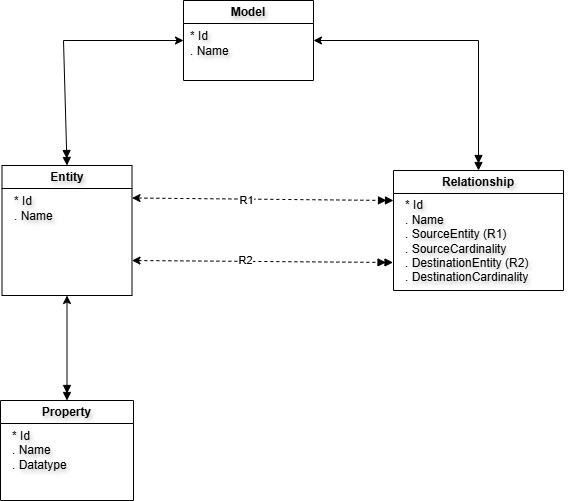
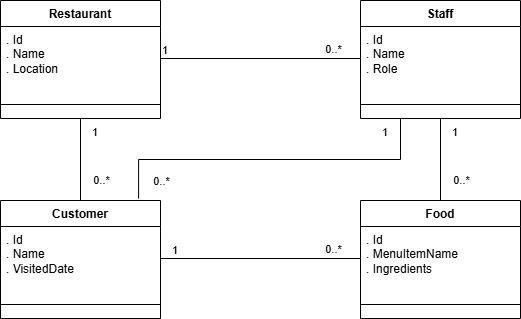
This form focuses on requirements—primarily data and workflow—rather than specific design components. In Decoupled MOD, a model element like a "Restaurant" does not refer to a single class but outlines requirements for multiple related components, including tables, web services, and UI elements.
Technical Innovations in MOP Languages
The potential of a MOP language is realized through several unique features that distinguish it from traditional languages like C#, Java, or Python.
Programming Sessions and Sealed Data
A MOP interpreter operates within a "Programming Session," during which the model structure is known and the model data is "sealed" or read-only. This creates a snapshot of the model, allowing the language to perform high-speed traversals of the data tree without the risk of state corruption during evaluation.
Dynamic and Contextual Grammar
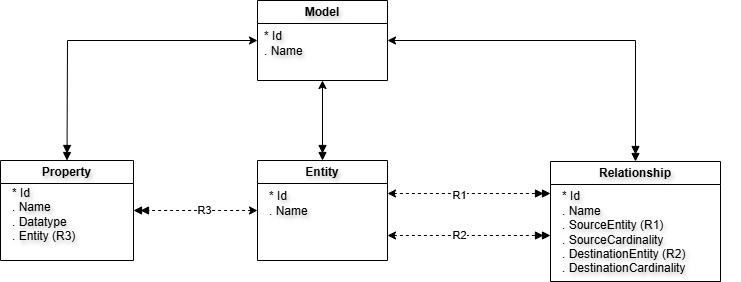
Unlike traditional languages with static grammars, a MOP language can implement a "Grammar Builder." This mechanism reads the model structure at the start of a session and adds nodes and attributes directly to the language grammar. If a developer adds a "MaxLength" attribute to a "Property" node in the model, the language immediately recognizes "MaxLength" as a valid keyword.
Furthermore, "Grammar Filters" can be applied to prevent unintended consequences. For instance, a "Transitional MOP Filter" might restrict the language to only generating code, while a "Modeling MOP Filter" would allow for the modification of the model structure itself.
Model Context and the Stack
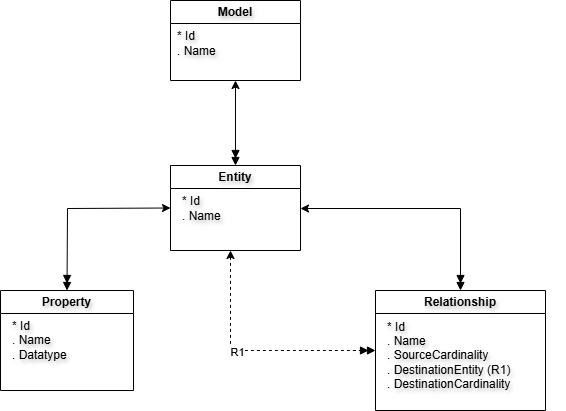
MOP languages utilize the notion of "Model Context" instead of relying heavily on local variables. By implementing context as a stack, the language allows developers to navigate up and down the model hierarchy effortlessly. Statements can iterate through child nodes (like "Properties" of an "Entity") without the need for explicit loop variables, as the current node is pushed onto the context stack automatically.
Model Oriented Properties
These are independent blocks of code associated with specific nodes in the model structure. Unlike class members in OOP, Model Oriented Properties are highly modular and can be reused across different projects. They act as "codified best practices," allowing a developer to define how a "Public Class" should be declared once and applying that logic to every entity in the model.
Supporting Data and Industry Implications
The shift toward model-oriented approaches is supported by the growing "Low-Code" and "No-Code" market, which is projected by industry researchers to reach a valuation of approximately $187 billion by 2032. While MOP is a more technical "High-Code" version of these concepts, the underlying drive for abstraction is identical.
Data from enterprise projects suggests that MOP can automate between 80% and 90% of a target environment’s boilerplate code. This significantly reduces the "technical debt" associated with manual coding errors. Furthermore, the use of cached evaluations in MOP interpreters allows for massive parallelism. Since model data is read-only during a session, the interpreter can evaluate thousands of properties simultaneously without concurrency issues.
Challenges and Future Research Directions
Despite the theoretical advantages, several hurdles remain for the widespread adoption of MOP as a "Target Language" (a language used for the final application rather than just code generation).
- Integration of Custom Code: A significant challenge is managing the intersection of automated model-generated code and manual "target" code. Developers require smart IDEs that can visually distinguish between framework updates and custom business logic.
- Type Safety: While not critical for transitional code generation, type safety becomes essential if MOP is to be used as a primary execution language.
- Grammar Volatility: When a model structure changes, the language grammar itself changes. Managing this volatility in a large-scale team environment requires sophisticated version control systems that understand model-level changes rather than just text-level diffs.
Broader Impact on Artificial Intelligence
The most significant implication for MOP in the current technological climate is its synergy with AI. LLMs often struggle with the "hallucination" of code when working with poorly structured or massive codebases. However, when an AI is provided with a strict, hierarchical model and a MOP language to manipulate it, the accuracy of the generated output increases substantially. The model acts as a "ground truth" that constrains the AI’s output to valid architectural patterns.
As the software industry continues to grapple with the demands of rapid deployment and system complexity, the research and development of model-oriented programming languages offer a viable path toward more resilient and maintainable digital infrastructure. The legacy of early pioneers like Mo+ serves as a foundational blueprint for the next generation of development environments.









