admin
admin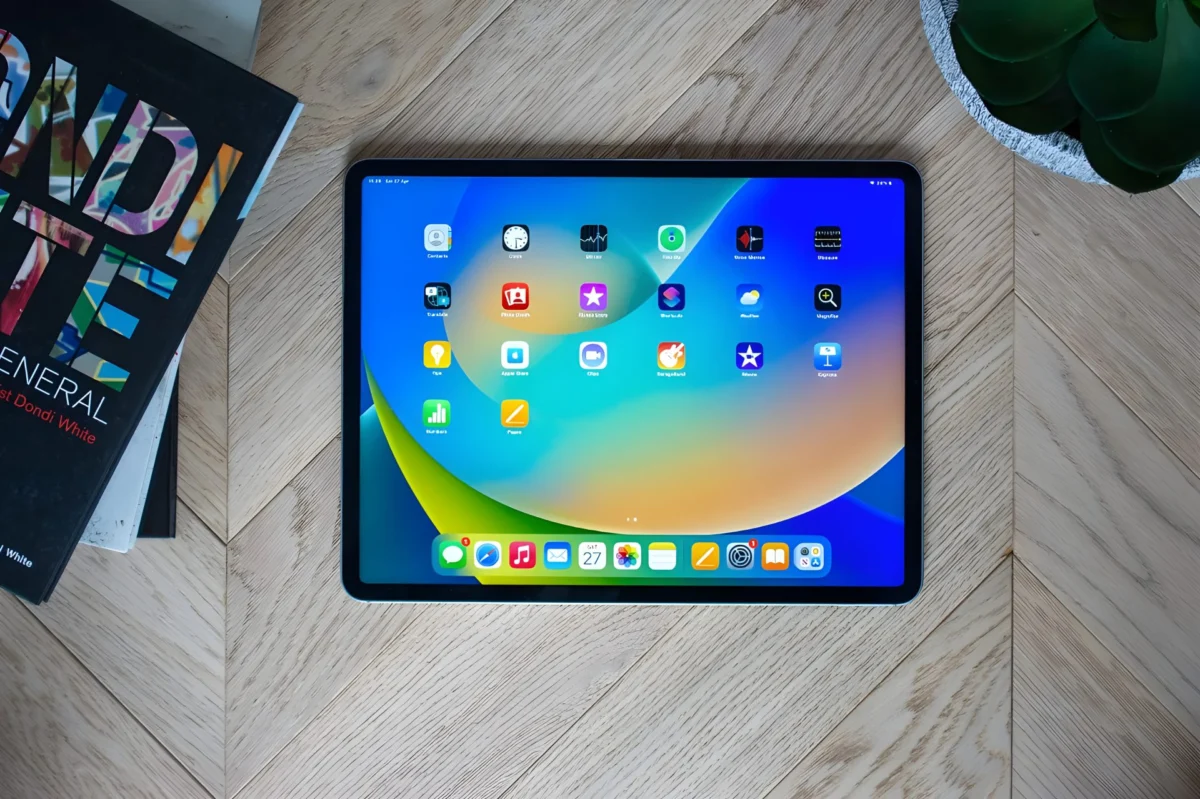
Apple is currently navigating one of its most aggressive hardware release cycles in recent memory, having debuted several significant updates across its product lines within the first half of the year. According to reports from highly credible industry sources, the tech giant is not slowing down, with plans to refresh its most accessible tablet, the entry-level iPad 12, before the conclusion of the calendar year. This move signals a strategic shift in Apple’s hardware roadmap, prioritizing the democratization of its "Apple Intelligence" suite across even its most affordable devices. Bloomberg’s Mark Gurman, a noted authority on Apple’s internal developments, indicated in his recent Power On newsletter that the iPad 12 is essentially "ready to go" and remains on track for a 2025 release, despite the relatively short interval since the launch of its predecessor.
The Strategic Shift Toward Artificial Intelligence in Entry-Level Hardware
The defining characteristic of the upcoming iPad 12 is the integration of the A18 chipset. This represents a pivot from earlier industry rumors that suggested Apple might jump directly to the A19 processor for its base-model tablet. The decision to utilize the A18 is significant; it is the same silicon architecture that debuted with the iPhone 16 series, designed specifically to handle the local processing requirements of Apple Intelligence. By outfitting the entry-level iPad with the A18, Apple ensures that its most affordable tablet can support advanced features such as revamped Siri capabilities, system-wide writing tools, and generative image creation.
This hardware choice highlights Apple’s broader goal: ensuring that the barriers to entry for its AI ecosystem are as low as possible. While the iPad 11, released in March 2025, served as a bridge, the iPad 12 is intended to be the definitive "AI-ready" budget tablet. Industry analysts suggest that by standardizing the A18 chip across the mid-to-low-tier products, Apple can achieve better economies of scale while simultaneously forcing a faster migration of the user base into its modern software ecosystem.
A18 Chipset Integration: Balancing Performance and Production Costs
The transition to the A18 chip is a calculated move to balance high-performance AI tasks with the strict cost margins required for the base iPad. The A18 features a significantly enhanced Neural Engine compared to the A15 or A16 chips found in older budget models. For the consumer, this translates to faster on-device processing and improved power efficiency, which is critical for maintaining the iPad’s hallmark 10-hour battery life.
While the chipset is undergoing a massive upgrade, other hardware components of the iPad 12 are expected to remain largely unchanged from the iPad 11. This "spec-bump" strategy allows Apple to keep research and development costs low by reusing existing chassis designs, display panels, and camera modules. The focus remains squarely on the silicon. However, the internal architecture must be adjusted to accommodate at least 8GB of RAM, which is the baseline requirement for Apple Intelligence to function effectively. This increase in memory is a departure from previous entry-level iPads, which often lagged behind the Pro and Air models in RAM capacity.
Historical Context: The Evolution of the Base-Model iPad
To understand the significance of a late 2025 launch for the iPad 12, one must look at the timeline of the entry-level iPad series. Traditionally, this model was refreshed annually in the fall. However, the cycle became less predictable in recent years. The iPad 10th Generation was released in October 2022, introducing a complete redesign with USB-C and uniform bezels. Surprisingly, Apple waited until March 2025 to release the iPad 11, which launched at a competitive starting price of $349.
The rumored release of the iPad 12 just months after the iPad 11 suggests that Apple is correcting its timeline to align with the rollout of Apple Intelligence features. The iPad 11, while a capable device, was seen by some as a placeholder. The iPad 12 is positioned to be the true "mass market" AI device. This rapid iteration reflects the intense pressure Apple faces from competitors in the tablet space, particularly in the education sector where Google’s Chromebooks and low-cost Android tablets continue to vie for dominance.
The Economic Reality of ‘Memory Chipflation’ and Pricing Stability
One of the most pressing questions surrounding the iPad 12 is its retail price. The iPad 11 established a value-driven baseline of $349, a price point that has been critical for Apple’s success in schools and budget-conscious households. However, the tech industry is currently grappling with "memory chipflation." The cost of NAND flash and DRAM has seen an upward trend due to supply chain adjustments and the massive demand for high-capacity memory driven by the global AI boom.
Because Apple Intelligence requires a minimum of 8GB of RAM, the iPad 12 will inherently be more expensive to manufacture than its predecessors. Market observers are divided on whether Apple will absorb these costs to maintain the $349 entry price or implement a modest price hike to $399. A price increase could potentially alienate the education market, but Apple may justify it by highlighting the "future-proof" nature of the A18 chip and the value-added features of its AI suite.
Synergy Within the Budget Roster: iPhone 17e and MacBook Neo
The iPad 12 does not exist in a vacuum; it is part of a broader strategy to revitalize Apple’s "Value" tier. Earlier this month, Apple announced two other pivotal budget products: the iPhone 17e and the MacBook Neo. These devices share a common philosophy with the upcoming iPad 12—delivering modern, AI-capable performance at a lower price bracket than the flagship "Pro" models.
The iPhone 17e, priced at $599, serves as the entry point for the 2025 iPhone lineup. It features a Super Retina XDR OLED screen capable of 1,200 nits peak brightness and utilizes the A19 chip. Interestingly, the iPhone 17e includes the C1X modem, which offers significantly faster connectivity than previous "e" models. This suggests that while the iPad 12 uses the A18, Apple is willing to use the A19 in its budget phones to ensure longevity.
The MacBook Neo, on the other hand, is the spiritual successor to the entry-level MacBook Air. It features a 13-inch Liquid Retina display and is powered by the A18 Pro chip. By utilizing an "A-series" Pro chip rather than an "M-series" chip, Apple has created a distinct performance tier. The Neo includes 8GB of RAM and a mechanical trackpad, reflecting the compromises made to reach a lower price point while still offering a premium aesthetic with color-matched keyboards and vibrant aluminum frames.
Technical Deep Dive: Comparing the MacBook Neo and iPad 12 Hardware
The hardware choices for the MacBook Neo provide clues into what we might expect from the iPad 12. The MacBook Neo’s 8GB RAM limitation is directly tied to the A18 Pro’s packaging, a constraint that will likely also apply to the iPad 12’s A18 chip. Furthermore, the MacBook Neo features two USB-C ports with "wildly different characteristics," a cost-saving measure that might see a parallel in the iPad 12’s port capabilities, potentially limiting data transfer speeds or external display support compared to the iPad Air or Pro.
Despite these compromises, the "Neo" and "e" branding indicates a new era for Apple’s budget strategy. The iPad 12 will likely follow this trend by offering a "good enough" display—likely the same non-laminated 10.9-inch panel—while focusing all hardware improvements on the internal processing power required for modern software.
The Competitive Landscape of the Entry-Level Tablet Market
Apple’s decision to accelerate the iPad 12 launch is also a defensive maneuver. The global tablet market has seen a resurgence of interest in 2024 and 2025. Competitors like Samsung and Lenovo have been aggressive in the $300–$500 price range, often offering OLED displays and included styluses—features that Apple reserves for its more expensive models.
Furthermore, the integration of AI is not unique to Apple. Google is deeply integrating Gemini into the Android tablet ecosystem, and Microsoft is pushing its "Copilot+ PC" initiative into the 2-in-1 space. For Apple to maintain its dominant 35-40% market share in the tablet segment, it must ensure that its most popular model—the base iPad—is not left behind in the AI transition. The iPad 12 with the A18 chip is the company’s answer to this competitive pressure.
Anticipated Launch Window and Future Ecosystem Implications
Based on the current production "readiness" reported by Gurman, the iPad 12 is expected to debut in the final quarter of 2025. This timing allows Apple to capture the critical holiday shopping season, where the entry-level iPad is traditionally a top-seller. It also provides a clear upgrade path for users who have been holding onto older iPad 8 or 9 models, which are now reaching the end of their software support cycles.
The long-term implication of the iPad 12’s release is the solidification of the "Apple Intelligence" ecosystem. By the end of 2025, every major category in Apple’s hardware lineup—iPhone, iPad, and Mac—will have a budget-friendly option capable of running the company’s proprietary AI. This creates a powerful ecosystem lock-in; once a user begins using Apple’s AI for writing, photo editing, and personal organization on a $349 tablet, they are far more likely to remain within the ecosystem when it comes time to purchase their next smartphone or computer.
As the iPad 12 approaches its official unveiling, the focus will remain on how Apple balances its high-tech ambitions with the economic realities of its consumers. If Apple can successfully navigate the challenges of "memory chipflation" and deliver a robust, AI-capable iPad 12 at or near the current price point, it will likely secure its dominance in the consumer and education tablet markets for years to come.