Galang Taruna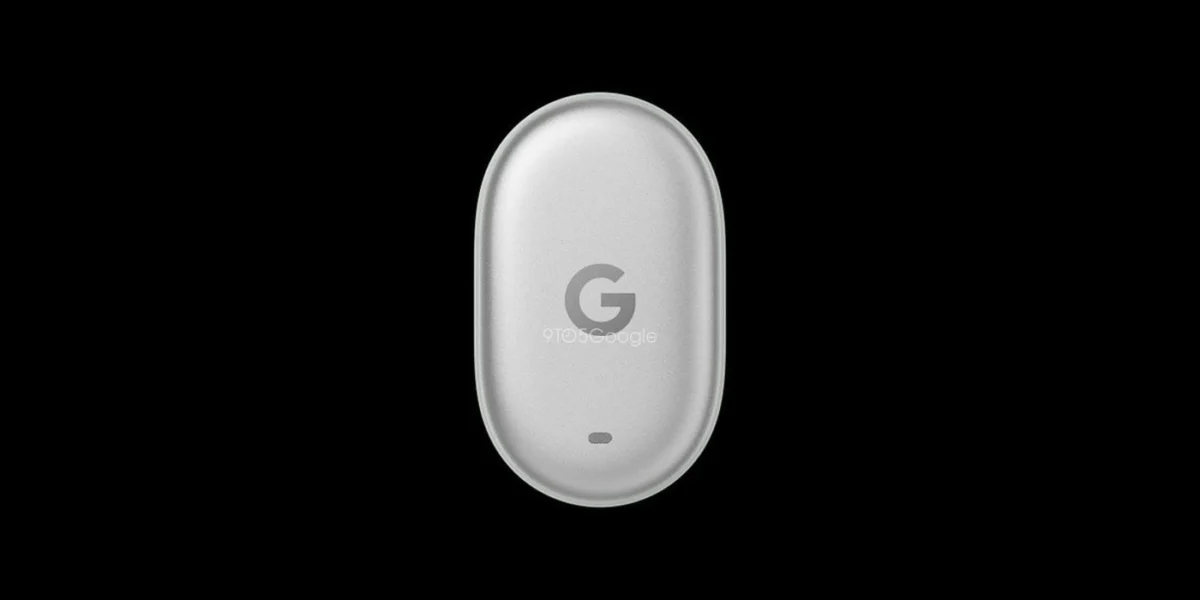
Google is reportedly poised to finally enter the burgeoning smart tracker market with its own object locator, the Pixel Tag. Recent leaks have unveiled critical details regarding its price and anticipated announcement date, positioning its reveal just days before the highly anticipated Made by Google event. This move marks a significant strategic shift for the tech giant, which has historically relied on third-party manufacturers to populate its "Find My Device" network.
The Unveiling: Price and Announcement Date
According to an exclusive report by the often-reliable French deals site Dealabs, the Google Pixel Tag is slated for an official presentation on August 12, 2026. This date aligns with Google’s annual hardware showcase, "Made by Google," where the company is expected to unveil its next generation of flagship devices, including the Pixel 11 smartphones and the Pixel Watch 5. The leak further specifies a competitive price point of 34.99 euros for the Pixel Tag, positioning it directly against established market leaders.
This pricing strategy immediately draws parallels with Apple’s AirTag, which retails for 35 euros per unit in France. Such an aggressive entry suggests Google is not only serious about capturing market share but also about establishing its tracker as an accessible accessory within its expansive ecosystem. The simultaneous launch alongside other core Pixel hardware reinforces the idea of the Pixel Tag as an integral component of Google’s interconnected device strategy, aiming to offer a seamless user experience for its Android and Pixel device owners.
Design and Initial Specifications
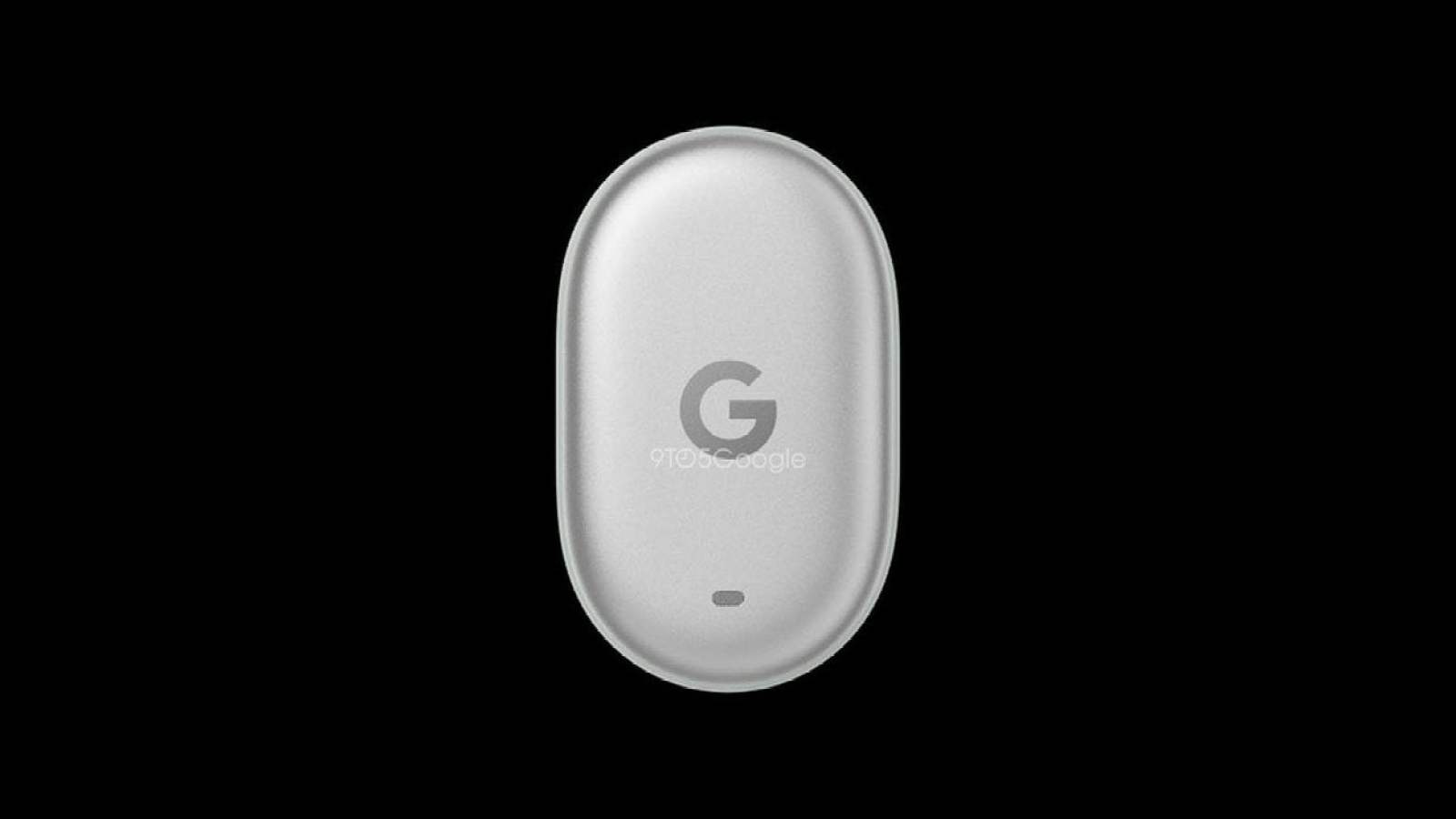
Visuals revealed by 9to5Google, another prominent source for Google-related leaks, indicate a distinct design for the Pixel Tag. Unlike the familiar circular puck shape of Apple’s AirTag, Google’s offering is depicted with an elongated, pill-like form factor. This unique design could potentially offer practical advantages, such as easier attachment to various items or a more ergonomic feel. For its initial release, the Pixel Tag is reportedly planned in a single color option, dubbed "Light Fog," suggesting a minimalist and modern aesthetic that aligns with Google’s hardware design philosophy.
Beyond its physical appearance, the Pixel Tag is confirmed to include an integrated speaker. This feature, common among smart trackers, will enable users to audibly locate misplaced items, providing an immediate and practical benefit. The speaker’s inclusion is crucial for scenarios where visual cues are insufficient, such as finding keys buried under sofa cushions or a wallet hidden in a cluttered bag.
Google’s Entry into a Crowded Market
Google’s decision to launch its own hardware tracker comes years after the establishment of its "Find My Device" network, a robust framework designed to help Android users locate lost or stolen devices. While this network has long facilitated device recovery, Google had previously refrained from producing its own dedicated item trackers, leaving this segment to partners like Tile, Chipolo, and eventually Samsung with its SmartTag series.
The smart tracker market has matured considerably in recent years, evolving from niche gadgets to mainstream accessories. Apple’s entry with the AirTag in 2021 significantly amplified public awareness and adoption, leveraging its vast network of iPhones, iPads, and Macs to create a powerful, ubiquitous tracking mesh. Samsung followed suit, integrating its SmartTags into its Galaxy ecosystem. This competitive landscape, characterized by strong brand loyalty and established user bases, presents both opportunities and challenges for Google.
For years, Android users have expressed a desire for a first-party Google tracker that would seamlessly integrate with their devices and the broader Android ecosystem, mirroring the tight integration seen in Apple’s ecosystem. The Pixel Tag addresses this demand directly, aiming to close a perceived gap in Google’s hardware portfolio and offer a cohesive tracking solution that leverages the immense reach of the Android platform.
The UWB Question: A Key Differentiator
A pivotal aspect that could define the Pixel Tag’s competitiveness and user experience is the inclusion of Ultra-Wideband (UWB) technology. UWB is a short-range wireless communication protocol that enables highly precise spatial awareness, far exceeding the accuracy of standard Bluetooth Low Energy (BLE) tracking. Instead of merely showing an item’s approximate location on a map, UWB-equipped devices can guide users to within centimeters of their lost object, often with directional arrows and haptic feedback.
Apple’s second-generation AirTag, released in January 2026, famously incorporates UWB, providing an "Exact Location" feature that dramatically enhances the user’s ability to find nearby items. This technological advantage has become a benchmark in the premium smart tracker segment. For the Pixel Tag, the presence of UWB remains unconfirmed in the current leaks, representing the "great unknown."
The decision to include UWB carries significant implications. If the Pixel Tag features UWB, it would immediately align Google’s offering with the cutting edge of tracking technology, justifying its competitive price point. However, for ultra-precise location to function, both the tracker and the receiving smartphone must be equipped with UWB capabilities. In Google’s current smartphone lineup, only the high-end Pixel 10 Pro models feature UWB. The standard Pixel 10, for instance, does not. This potential fragmentation could limit the advanced features of the Pixel Tag to a subset of Google’s user base, potentially creating a tiered user experience.
Should Google omit UWB from the Pixel Tag, it would likely position the device as a more basic Bluetooth tracker, capable of broad area location but lacking the pinpoint precision of its UWB-enabled rivals. This could make it harder for Google to differentiate its product in a market already saturated with affordable Bluetooth-only options. The upcoming Made by Google event is expected to provide definitive answers regarding this crucial technological detail.
Competitive Landscape and Market Dynamics
Google enters a market already densely populated by established players, each with its own ecosystem and loyal customer base.
- Apple AirTag: The market leader in terms of mindshare and integration, benefiting from Apple’s vast "Find My" network of over a billion active devices globally. Its UWB precision finding (in 2nd gen) and seamless integration with iOS are major selling points.
- Samsung SmartTag/SmartTag+: Samsung’s answer for its Galaxy ecosystem, offering both Bluetooth and UWB (in SmartTag+) variants. It leverages Samsung’s "SmartThings Find" network.
- Tile: A pioneer in the smart tracker space, Tile offers a range of trackers with different form factors and a broad compatibility across Android and iOS. Its network, while extensive, is primarily reliant on active Tile app users.
- Chipolo: An European brand that has gained traction by offering trackers compatible with both Apple’s Find My network and Android’s Find My Device network, providing cross-platform flexibility.
- Motorola Moto Tag: A newer entrant, signaling increasing interest from Android OEMs in offering first-party solutions.
- Xiaomi Tag: A more budget-friendly option, catering to users within the Xiaomi ecosystem and offering basic Bluetooth tracking.
The global smart tracker market is projected to continue its robust growth, driven by increasing consumer demand for convenience and security. Analysts estimate the market size to be in the billions of dollars, with steady annual growth rates. Google’s late entry means it faces the challenge of carving out a significant share from these entrenched competitors. Its success will likely depend on strong integration with Android, competitive pricing, and compelling features, especially if UWB is included.
Strategic Implications for Google and the Android Ecosystem
The Pixel Tag is more than just another gadget; it represents a strategic move for Google, aligning with its broader "Ambient Computing" vision. This vision aims to make technology seamlessly integrated into users’ lives, anticipating their needs and providing assistance without explicit commands. A robust tracking ecosystem is a natural extension of this, ensuring users can keep track of their belongings within this intelligent environment.
By introducing its own hardware, Google gains greater control over the user experience, security, and potential for advanced features. It can ensure deep integration with Android, Google Assistant, and other Google services in a way that third-party trackers might not achieve. This could lead to:
- Enhanced Android Find My Device Network: A first-party tracker could significantly bolster the existing network, making it more robust and precise, especially if UWB is leveraged.
- Ecosystem Completeness: The Pixel Tag fills a critical gap, allowing Google to offer a complete suite of personal hardware devices – phones, watches, earbuds, and now trackers – all designed to work harmoniously.
- Data and Insights: Tracking data, anonymized and aggregated, could provide valuable insights for Google, helping to improve its location services and contextual awareness features across its product portfolio.
- User Retention: A cohesive and feature-rich ecosystem tends to increase user loyalty and reduce churn, as users become more invested in a single brand’s platform.
- Platform for Innovation: A first-party tracker opens doors for future innovations, such as integration with smart home devices, augmented reality (AR) finding experiences, or advanced security features that can only be achieved with full hardware and software control.
Furthermore, Google’s entry could also pressure other Android OEMs to either improve their own tracking solutions or to more deeply integrate with Google’s offering. This could lead to a more standardized and powerful tracking experience across the entire Android ecosystem, ultimately benefiting millions of users.
Security, Privacy, and Ethical Considerations
The introduction of any new tracking device inevitably raises important questions about security, privacy, and the potential for misuse. Previous incidents and concerns surrounding devices like the AirTag, particularly regarding unwanted tracking, have led to significant discussions and the implementation of safeguards. Google, in developing the Pixel Tag, will undoubtedly have learned from these experiences.
Key considerations for Google will include:
- Anti-Stalking Measures: Implementing robust features to detect and alert users to unwanted tracking, such as notifications for unknown Pixel Tags traveling with them, audible alerts, and easy ways to disable or identify a rogue tracker.
- Data Encryption and Anonymity: Ensuring that all location data is securely encrypted, anonymized, and processed in a way that protects user privacy. Google’s existing privacy policies and infrastructure will be crucial here.
- User Control: Providing users with clear and granular control over their tracking preferences, data sharing, and the ability to easily manage their Pixel Tags.
- Transparency: Clearly communicating how the Pixel Tag works, what data it collects, and how that data is used and protected.
Google’s reputation and vast experience in managing user data will be under scrutiny. The company must demonstrate a commitment to privacy by design, building trust among users and regulators.
Future Outlook and Market Impact
The Google Pixel Tag, if the leaks hold true, is poised to become a significant player in the smart tracker market. Its success will hinge on several factors: the inclusion of UWB, its seamless integration with the Android ecosystem, competitive pricing, and robust privacy features. The timing of its launch, alongside other flagship Pixel devices, suggests a concerted effort by Google to solidify its hardware ecosystem and enhance the overall user experience for its Android loyalists.
As the market for connected devices continues to expand, smart trackers are becoming an increasingly essential tool for modern life. Google’s entry not only signifies its commitment to this segment but also promises to inject fresh competition and innovation. The official announcement on August 12, 2026, will undoubtedly provide the full picture, clarifying the Pixel Tag’s complete feature set, its technological capabilities, and its strategic importance within Google’s evolving hardware and software landscape. Until then, the anticipation among Android users for a first-party tracking solution remains high.