Clarissa Hana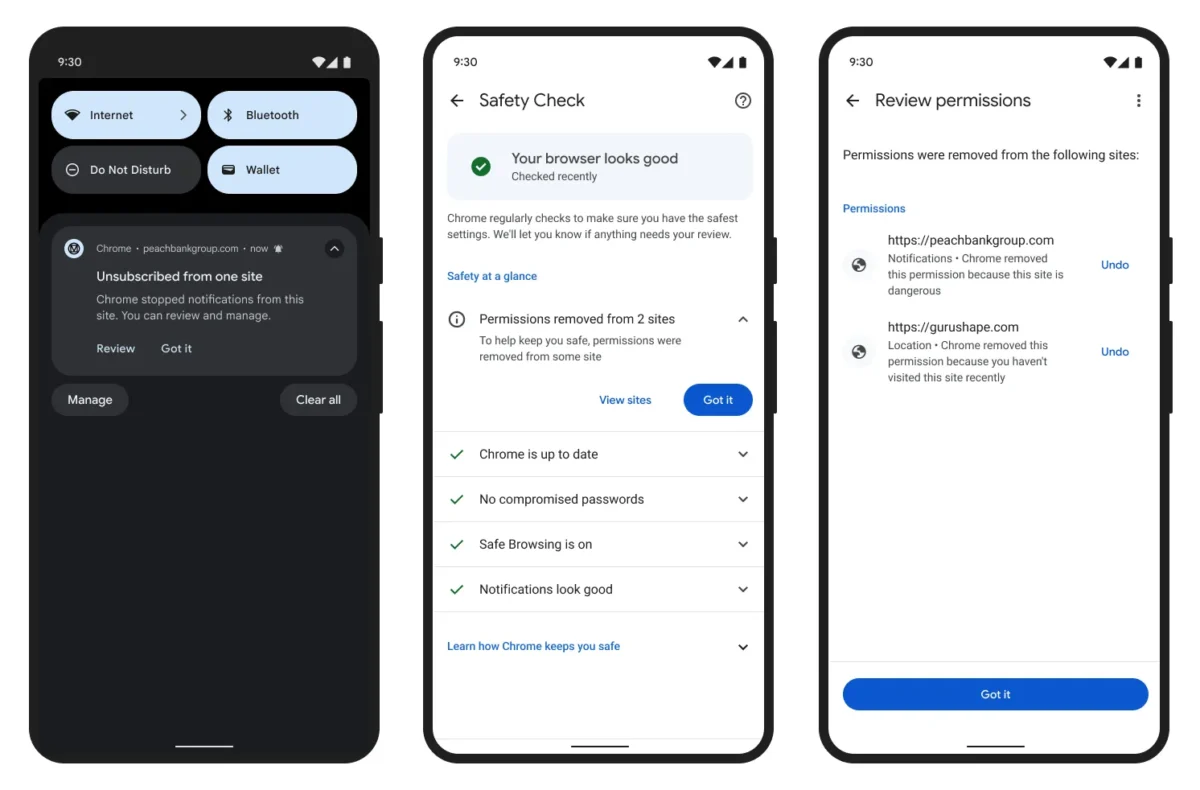
Google has reported a significant victory in its ongoing battle against online deception, revealing that its enhanced anti-abuse systems within Chrome for Android successfully intercepted over 7 billion unwanted and malicious notifications per day during the first quarter of 2026. This substantial figure underscores the escalating threat posed by notification abuse, which Google identifies as a primary vector for distributing scams, malware, phishing attempts, and fraudulent payment requests. The tech giant detailed its multi-layered defense strategy, characterized as a "Swiss cheese" model, in a recent blog post, emphasizing its commitment to safeguarding users from increasingly sophisticated online threats.
The proliferation of unwanted notifications has long been a concern for internet users, often leading to a cluttered and distracting browsing experience. However, in recent years, this has evolved into a more insidious problem. Malicious actors have weaponized the notification feature, leveraging it to bypass traditional security measures and directly engage users with deceptive content. These notifications can mimic legitimate alerts, tricking users into clicking on malicious links, downloading harmful software, or divulging sensitive personal and financial information. The sheer volume of these daily interventions by Google highlights the pervasive nature of this threat and the critical need for robust protective measures.
Google’s "Swiss cheese" approach is designed to create multiple overlapping layers of defense. The core principle is that if one security mechanism fails to detect and block an abusive notification, another is poised to intercept it at a different stage. This redundancy ensures a higher probability of preventing deceptive content from reaching users’ devices, thereby maintaining a balance between the utility of browser notifications and the imperative of user security. The company stated, "Our goal is to ensure that if abuse slips through one layer, another is there to catch it. This approach allows us to halt abuse at the source, preventing deceptive content from reaching users while maintaining a healthy balance between utility and security."

Evolution of Notification Abuse and Google’s Proactive Response
The escalation of notification abuse has been a growing concern within the cybersecurity landscape. Historically, website notifications were primarily used for legitimate purposes, such as alerting users to new content, messages, or updates. However, as user engagement with mobile devices and web applications increased, so did the opportunities for exploitation. By the early 2020s, security researchers began observing a marked increase in websites using push notifications for deceptive advertising, promoting dubious products, or facilitating phishing campaigns.
Google’s proactive stance reflects a strategic shift in how it addresses emerging online threats. Rather than solely relying on reactive measures, the company has invested heavily in developing sophisticated systems capable of identifying and neutralizing threats before they can impact a significant number of users. The data from the first quarter of 2026, indicating the interception of over 7 billion malicious notifications daily, suggests that these proactive measures are yielding substantial results.
This defensive evolution is also informed by an understanding of user behavior and the interconnectedness of malicious actors. Google’s blog post highlighted the analysis of behavior across networks of related websites and coordinated service-worker activity. Service workers, powerful scripts that enable features like offline access and push notifications, can be exploited by malicious actors to orchestrate widespread notification abuse. By identifying these coordinated efforts, Google can proactively revoke notification permissions from entire networks of malicious sites, thereby protecting users even if individual sites might not appear overtly harmful at first glance. This sophisticated approach goes beyond analyzing individual website behavior to understanding the broader ecosystem of online threats.
Chrome’s Automated Revocation and User Control Mechanisms
A cornerstone of Google’s enhanced defense is the automatic revocation of notification permissions for inactive websites or those that repeatedly trigger suspicious notification warnings. This feature is crucial because users may grant notification permissions to websites they visit infrequently or forget about, leaving them vulnerable to future abuse. When Chrome revokes a permission, it can automatically unsubscribe the user from that site’s notifications, providing immediate relief from unwanted alerts.

Furthermore, Google has empowered users with greater transparency and control over their notification settings. Users can review these automatically revoked permissions within Chrome’s Safety Hub and can choose to re-grant access if they deem it necessary. This balance between automation and user agency is vital for maintaining trust and ensuring that security measures do not unduly impede legitimate functionality.
The ability to unsubscribe directly from notifications via Android’s notification panel is another user-centric feature. This allows for immediate action when a suspicious notification is received, enabling users to quickly sever the connection without needing to navigate through complex browser settings. This immediate feedback loop is essential for users to feel in control of their digital experience.
Sophisticated Threat Detection and Behavioral Analysis
Google’s anti-abuse systems employ a comprehensive set of factors to identify and mitigate notification abuse. These include:
- Notification Volume: Excessive numbers of notifications emanating from a single site can be an indicator of abuse.
- Time Spent on Site: While not a direct indicator, prolonged engagement with a site that subsequently floods the user with notifications can be a red flag.
- Permission-Prompt Frequency: Websites that repeatedly and aggressively prompt users for notification permissions, especially without clear justification, are often flagged.
- Engagement Metrics: User interactions with notifications, including click-through rates and subsequent actions, can provide valuable data for identifying deceptive patterns.
For sites classified as disruptive, Chrome can enforce restrictions, such as limiting them to 1,000 messages per minute. Exceeding this limit results in an HTTP 429 error, effectively throttling the abusive behavior. These restrictions can become more stringent for persistent offenders and are only reset after a period of compliant, non-disruptive behavior. This tiered approach ensures that minor infractions are addressed without overly penalizing legitimate websites, while repeat offenders face escalating consequences.
Redesigned Notification Prompts for Enhanced User Decision-Making
In addition to backend detection and revocation systems, Google has also optimized the user interface for notification permission prompts on Android. The new design is intended to be less disruptive to the user’s browsing experience, allowing them to make informed decisions about granting notification access without being forced to interrupt their current activity. This subtle but significant change aims to reduce accidental approvals of notification permissions and empower users to consciously choose which sites they wish to receive updates from.
The impact of these changes, as reported by Google, extends beyond just reducing unwanted notifications. The company noted, "This strategy has substantially decreased unnecessary background activity, reduced user device battery consumption, and transformed the notification lifecycle so users receive only the content they find truly valuable." This holistic approach demonstrates how security enhancements can also contribute to a more efficient and user-friendly mobile experience.
Broader Implications and Future Outlook
The success of Google’s anti-abuse systems in intercepting billions of malicious notifications daily has significant implications for the broader cybersecurity landscape. It signals a maturing understanding of how online threats evolve and the necessity of multi-layered, proactive defense strategies. As malicious actors adapt, so too must the platforms they target.
The ongoing arms race between attackers and defenders means that Google and other tech companies must continuously innovate. The "Swiss cheese" model, while effective, is not static. It requires constant refinement, updating of threat intelligence, and adaptation to new attack vectors. The focus on analyzing coordinated behavior across networks of websites suggests a future where defenses are increasingly contextual and interconnected.
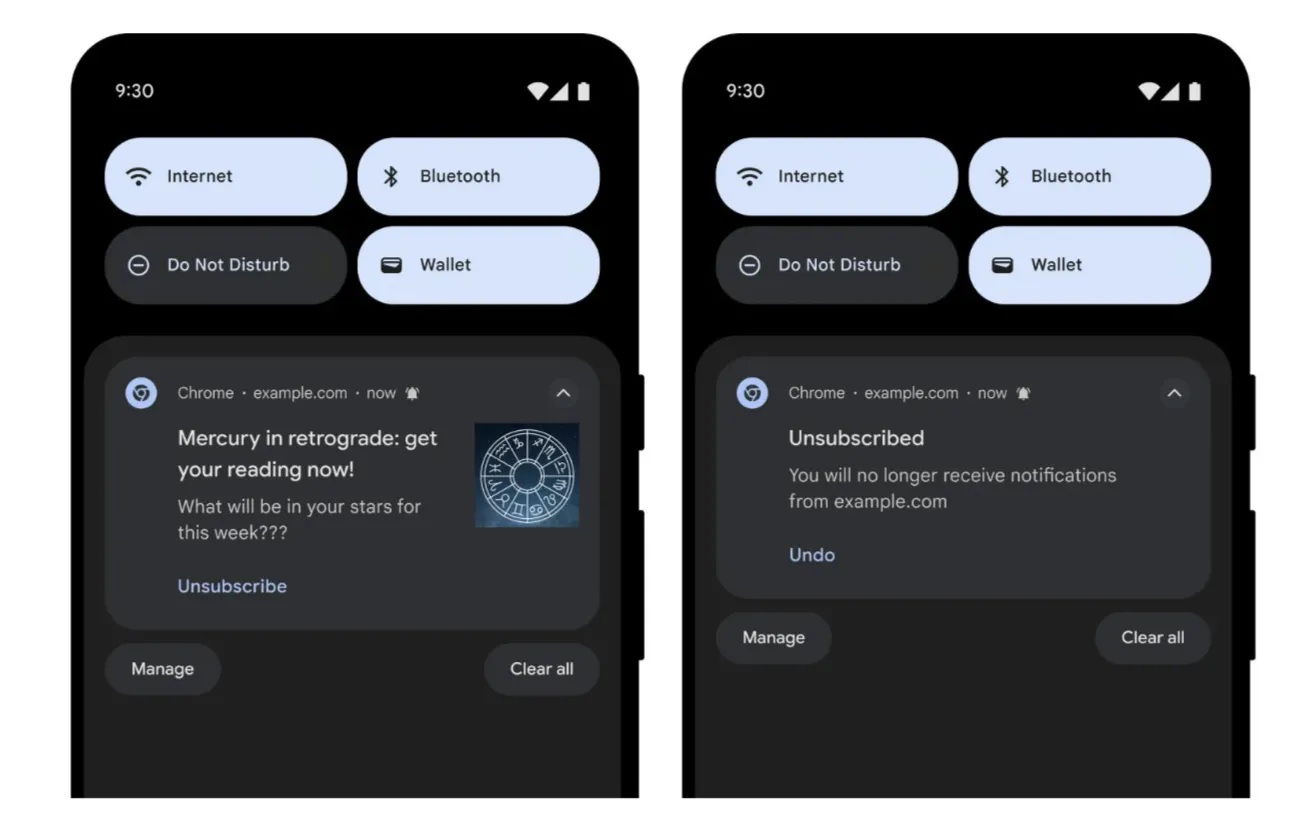
For users, this means a more secure and less intrusive browsing experience on Android. The ability to control notifications, coupled with robust automated protections, significantly reduces the risk of falling victim to scams and malware delivered through this channel. However, it is crucial for users to remain vigilant and continue to practice safe browsing habits. Understanding how to manage notification permissions and recognizing potential signs of deception are still essential components of online security.
As technology advances, particularly with the integration of AI and machine learning in security, we can expect even more sophisticated detection and prevention mechanisms. Google’s commitment to this area, as evidenced by its significant investments and transparent reporting, suggests a sustained effort to protect its vast user base from the ever-evolving landscape of online threats. The reported success in Q1 2026 serves as a compelling indicator of progress, but the journey towards a truly secure online environment is ongoing. Users can review and manage their notification permissions by navigating to Settings > Privacy and security > Site Settings > Notifications on desktop Chrome, or Settings > Notifications within Chrome on Android. This continued vigilance and proactive engagement from both technology providers and users will be key to staying ahead of malicious actors.