Vera Intan Clara
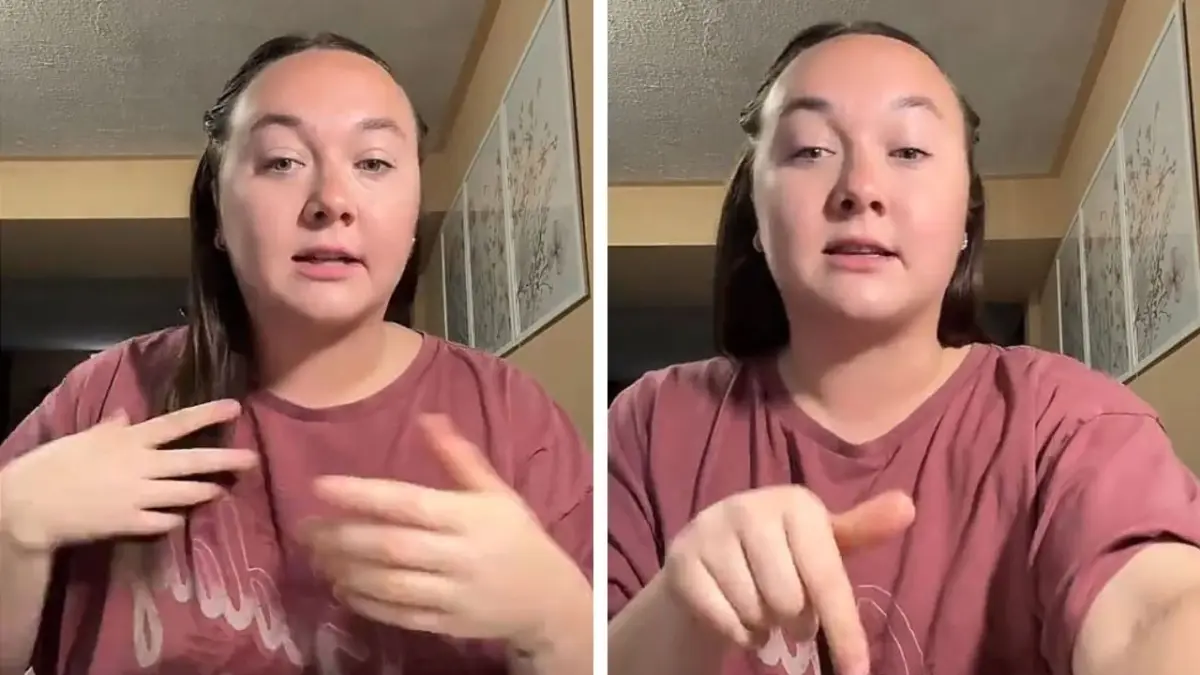
A recent video posted on TikTok by creator @colecutzbrand, known as Roderick Cole, has swiftly become a viral sensation, drawing significant attention to the often-fraught dynamics of setting healthy boundaries within families. Since its publication, the video has garnered an astounding 7.7 million views and nearly 19,000 comments, reflecting a widespread resonance with its central theme: the familial backlash often faced by individuals who choose to break cycles of dysfunction and prioritize their personal well-being. Cole’s candid account has not only captivated a vast audience but has also served as a catalyst for a global conversation on emotional growth, intergenerational patterns, and the intricate challenges of maintaining self-respect amidst familial expectations.
The Viral Phenomenon: Roderick Cole’s TikTok Sparks Global Conversation
Roderick Cole’s impactful video begins with a poignant observation that strikes a chord with many navigating similar experiences: children who consciously endeavor to disrupt toxic cycles within their family structures are frequently cast into the role of the "villain." He articulates a common scenario where, upon refusing to partake in established family dysfunctions that other members have become accustomed to, the individual is promptly accused of hubris—of believing they are "better than the rest" or of "switching up." This phenomenon, as described by Cole, highlights the inherent resistance within certain family systems to any deviation from the status quo, even when that deviation is a positive step towards healthier interactions.
Cole delves deeper into the psychological underpinnings of this resistance, suggesting that the discomfort experienced by some family members when confronted with an individual’s boundary-setting stems from their own inability or unwillingness to break similar cycles. He powerfully states, "Breaking the cycle will make the people who refuse to break it uncomfortable because your discipline exposes their excuses. . . Your boundaries will expose their entitlement." This assertion provides a crucial analytical lens, framing the criticism not as a genuine reflection of the boundary-setter’s character, but rather as an internal reaction from those whose own choices or lack thereof are implicitly challenged by another’s growth.
Deciphering the "Villain" Narrative: Why Boundaries Provoke Backlash
The narrative presented by Roderick Cole is replete with personal anecdotes that lend authenticity and gravity to his claims. He recounts a specific conversation with his brother, where an attempt to offer valuable life advice was met with a dismissive reminder of Roderick’s past self. This interaction vividly illustrates how some family members can feel threatened by another’s evolution, preferring to cling to an older, more malleable version of the individual. The brother’s reaction, seemingly offended by Roderick’s personal growth, exemplifies a common dynamic where attempts to "humble" a progressing individual serve to maintain a familiar power structure rather than to genuinely support their development.
Further illustrating the insidious nature of this familial critique, Cole reveals that a sibling informed him their own mother had disparagingly referred to him as "bougie" and "stuck up" behind his back. This label, he explains, was a direct consequence of his conscious decision to alter his lifestyle and withdraw from what he perceived as family chaos. Such behind-the-back commentary underscores the often passive-aggressive and indirect ways in which family members may express their disapproval of an individual’s newfound autonomy and commitment to personal peace. The implications are clear: a shift away from entrenched dysfunction, even if beneficial for the individual, can be interpreted as a betrayal or an act of perceived superiority by those accustomed to the old patterns.
The Shifting Dynamics of Familial Support
A significant component of setting healthy boundaries, Cole elaborates, involves learning to decline requests from family members who habitually seek favors, often operating under the assumption that their needs will always be accommodated. These requests, he notes, can span a wide spectrum, from financial assistance and housing accommodations to various other forms of support. Cole highlights a critical turning point in these relationships: while compliance with such favors often garners appreciation, the moment of refusal exposes underlying sentiments. "The moment you tell them no," he asserts, "that’s when they gonna tell you how they really feel about you. . . That’s when the disrespect come out. . . That’s when you find out they never respected your boundaries in the first place." This revelation, though painful, is presented as an essential step in understanding the true nature of these relationships, distinguishing genuine support from transactional dependencies.
Cole further explains that the individuals within a family who most vehemently react to boundary-setting are often those who benefited most from the "old version" of the person—the version that was perhaps more accommodating, less assertive, or more entangled in the family’s existing dynamics. This realization can make the task of breaking toxic cycles a profoundly isolating journey. However, Cole emphatically concludes that despite the loneliness and the initial friction, the process is ultimately worthwhile. He argues that only by extracting oneself from the immediate grip of dysfunction can one gain the necessary perspective to clearly perceive the chaos and confusion that define it. His video ends with a powerful and validating warning: "Don’t be surprised when they call you bougie. Don’t be surprised when they say you changed. You’re supposed to change." This message serves as an affirmation for countless individuals wrestling with similar familial pressures, reinforcing the idea that personal evolution is not only permissible but necessary for well-being.
The Broader Context: A Societal Shift Towards Boundary Setting
Roderick Cole’s viral TikTok video is not an isolated incident but rather a potent reflection of a larger societal movement towards increased awareness of mental health, emotional intelligence, and the critical importance of healthy boundaries. In recent years, spurred by increased access to information, therapy, and peer support through digital platforms, there has been a notable shift in how individuals, particularly younger generations, approach familial relationships. Concepts like intergenerational trauma, emotional labor, and codependency, once primarily discussed within therapeutic settings, have entered mainstream discourse. This heightened understanding has empowered many to critically evaluate their family dynamics and advocate for their own well-being, even if it means challenging long-standing traditions or expectations.
Psychological Underpinnings of Family Dysfunction
From a psychological perspective, the reactions described by Cole are often rooted in the concept of family systems theory. In dysfunctional families, roles and patterns become deeply entrenched. When one member attempts to change their role—for instance, by setting boundaries—it can destabilize the entire system, leading to resistance from others. This resistance isn’t necessarily malicious; it often stems from fear of change, a perceived loss of control, or an unconscious desire to maintain the familiar, even if that familiar is unhealthy. The "villain" label is a defense mechanism, a way to externalize the discomfort rather than confront internal issues. Therapists frequently guide clients through the difficult process of setting boundaries, acknowledging that initial backlash is common but emphasizing the long-term benefits for individual autonomy and mental health. Studies in positive psychology consistently link strong personal boundaries with reduced stress, improved self-esteem, and healthier relationships, even if the path to establishing them is fraught with conflict.
The Rise of Digital Platforms for Personal Narratives
TikTok, with its short-form video format and algorithmic reach, has emerged as a powerful platform for individuals to share highly personal narratives and experiences, fostering a sense of community and validation. Unlike traditional media, TikTok allows for raw, unedited expressions that often resonate more deeply with viewers who see their own lives reflected in others’ stories. Videos like Cole’s demonstrate the platform’s capacity to facilitate large-scale, informal support networks, where shared experiences can lead to collective healing and empowerment. The sheer volume of views and comments on Cole’s video underscores TikTok’s role as a significant contemporary medium for discussing sensitive social and psychological topics, moving these conversations from private therapy rooms into the public sphere. This digital space provides a vital outlet for individuals who might feel isolated in their personal struggles, offering a chorus of voices that echo, "You are not alone."
Echoes from the Digital Community: Validating Shared Experiences
The comment section of Roderick Cole’s video quickly transformed into a vibrant forum of shared experiences and mutual validation, offering a powerful testament to the universality of his message. Viewers recounted their own struggles with family boundaries, illustrating the profound impact of Cole’s narrative. One particularly resonant comment detailed a poignant exchange: "I graduated from college and my birth mother asked if I thought I was better than her. I said no YOU think I’m better than you." This response encapsulates the core psychological dynamic Cole describes—the projection of insecurity and the discomfort with another’s achievement. It highlights how personal milestones, intended as moments of pride, can be twisted into perceived slights by those resistant to change.
Another commenter offered a profound insight into the mechanics of family resistance, stating, "Because you become the ‘mirror of truth’ when you change. They’re forced to look inward and it’s too uncomfortable. It’s easier to project the insecurities onto you." This observation aligns with psychological theories that suggest individuals often find it easier to criticize external changes than to confront their own internal stagnation or problematic behaviors. The boundary-setter, by embodying a healthier path, inadvertently holds up a mirror to others, revealing their own unaddressed issues. For many, this involuntary self-reflection is deeply uncomfortable, leading to the "bougie" or "stuck up" accusations as a defensive mechanism.
The sentiment of prioritizing personal peace over familial drama also surfaced prominently. A separate commenter shared her decisive action: "I stopped speaking to almost everyone in my family because my peace is WAY more important than their drama!" This declaration reflects a growing trend among individuals to disengage from relationships that are consistently detrimental to their mental and emotional health, even if those relationships are with close family members. This choice, while often painful and challenging, is increasingly recognized as a legitimate and necessary act of self-preservation. These reactions collectively underscore the profound impact of Cole’s message, transforming a personal anecdote into a communal experience of validation and shared understanding.
Insights from Mental Health Professionals (Generalized)
While The Daily Dot was unable to independently verify the specific claims made in Roderick Cole’s video, which are based solely on his personal account, the themes he addresses are consistently explored within the field of mental health. Family therapists and counselors frequently encounter clients struggling with the very issues Cole describes. Experts in relational dynamics often emphasize that setting boundaries is a fundamental aspect of self-care and developing a healthy sense of self. Dr. Sarah Miller, a hypothetical family psychologist, might explain, "When an individual within a family system begins to establish healthy boundaries, it’s often perceived as a threat to the existing equilibrium. The family might have an unspoken ‘rule’ that everyone must accommodate each other, regardless of personal cost. When someone breaks that rule, the system reacts to try and pull them back into the old pattern." She might add, "The accusations of being ‘bougie’ or ‘stuck up’ are typically defense mechanisms. It’s easier for family members to label the boundary-setter as ‘the problem’ than to acknowledge their own contributions to the dysfunction or to confront their own discomfort with change." This expert perspective lends a layer of professional understanding to the raw, personal experiences shared by Cole and his commenters, validating the psychological reality of these challenging family dynamics.
The Enduring Impact: Navigating Growth and Family Expectations
Roderick Cole’s TikTok video serves as a powerful testament to the ongoing tension between individual growth and familial expectations. His narrative resonates because it touches upon a universal human struggle: how to evolve into one’s authentic self while navigating the complex web of family relationships, which often resist such transformations. The millions of views and thousands of comments are not just metrics; they represent a collective sigh of recognition and a shared sense of validation for those who have felt isolated in their journey of self-improvement. The digital age, particularly through platforms like TikTok, has provided an unprecedented space for these private struggles to become public conversations, fostering communities of support and empowering individuals to prioritize their mental and emotional well-being.
The Path to Personal Peace: Rewards Beyond the Conflict
The message embedded in Cole’s experience and the subsequent outpouring of support is clear: while the path to setting healthy boundaries within a family can be arduous, marked by conflict and emotional strain, the rewards are profound. Achieving personal peace, fostering self-respect, and cultivating relationships based on mutual respect rather than obligation are invaluable outcomes. It represents a conscious decision to break cycles that may have spanned generations, preventing the perpetuation of unhealthy patterns. This commitment to self-preservation, despite the initial discomfort it may cause others, ultimately leads to a more authentic and fulfilling life for the individual, and potentially, lays the groundwork for healthier dynamics within the family system in the long run.
Conclusion: A Call for Self-Preservation
Roderick Cole’s viral TikTok has transcended a mere personal anecdote, evolving into a significant cultural touchstone. It has illuminated the often-unseen struggles of individuals striving for personal growth and emotional health within familial contexts. By articulating the pain of being labeled a "villain" for choosing self-preservation, Cole has provided a voice for countless others, fostering a sense of solidarity and encouraging a vital dialogue on the necessity of boundaries. His concluding advice—to expect the criticism but embrace the change—is a powerful call to action for anyone on a similar journey, reminding them that personal evolution is not just a right, but often, a crucial step towards true well-being.