Evan Lee Salim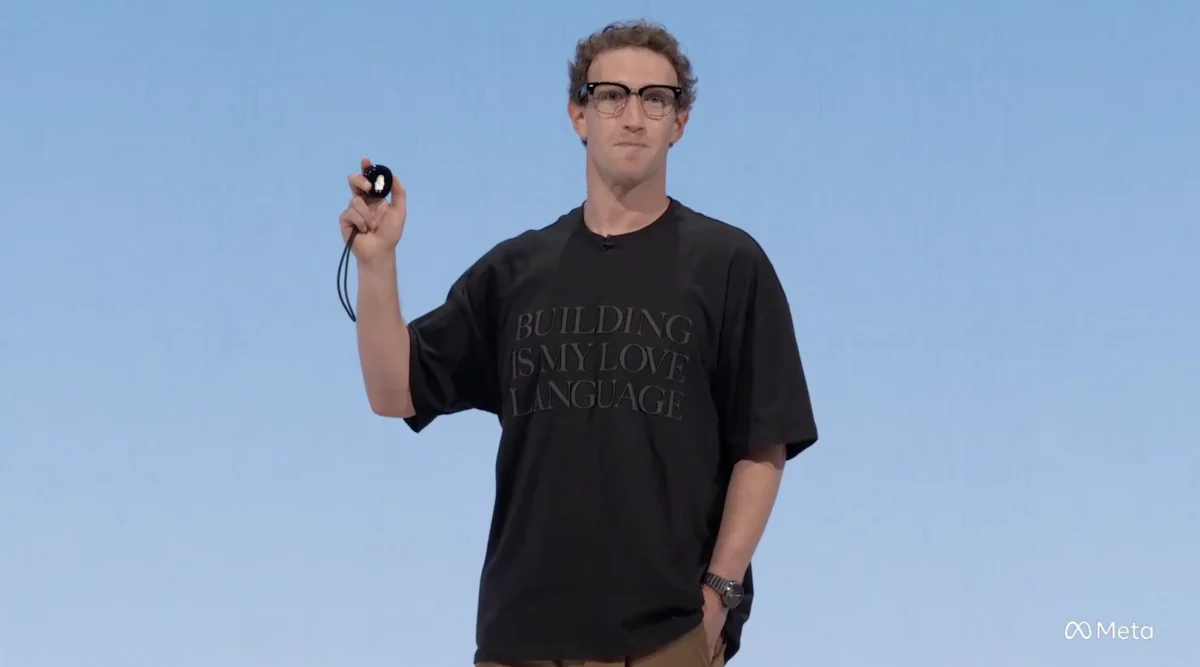
In a landscape increasingly defined by the promise and peril of artificial intelligence, Meta Platforms has unveiled its latest foray into the burgeoning, yet often critiqued, world of physical AI devices: the Muse Charm. Announced by CEO Mark Zuckerberg during the company’s annual Connect event, the Muse Charm positions itself as a tangible, always-on conduit to Meta’s recently launched and already popular personal AI agent, Muse. This move comes at a critical juncture for AI wearables, a category that has struggled to move beyond what many in the tech industry now refer to as the "AI amulet cliché," where devices often generate more eye-rolls than genuine excitement among consumers.
The Genesis of Muse Charm: A Deeper Dive into Meta’s AI Strategy
Meta’s annual Connect event serves as the company’s premier showcase for its vision of the future, particularly in the realms of virtual reality, augmented reality, and now, artificial intelligence. Historically, Connect has been the stage for significant hardware reveals, from the evolution of the Quest VR headsets to the introduction of Ray-Ban smart glasses. Zuckerberg’s reveal of the Muse Charm was presented as a classic "one more thing" moment, signaling its importance within Meta’s overarching strategy to embed AI into every facet of digital and physical interaction. This strategic unveiling underscores Meta’s ambition to not just compete in the AI race but to define new paradigms for how users interact with intelligent agents.
The Muse Charm is designed specifically to enhance user engagement with Meta’s personal AI agent, Muse. Launched shortly before the Connect event, the Muse agent quickly garnered attention for its conversational capabilities and seamless integration within Meta’s ecosystem of applications, including Instagram, Messenger, and WhatsApp. Its rapid ascent in popularity, as noted by internal company metrics, highlighted a clear user appetite for accessible, versatile AI assistance. The Muse Charm, therefore, represents a crucial next step: extending the reach of this digital assistant beyond the confines of smartphones and smart glasses, making it a truly ubiquitous companion. By providing a dedicated, physical touchpoint, Meta aims to reduce friction in accessing AI, making intelligent assistance as effortless as tapping a small device. This strategy aligns with a broader industry trend towards ambient computing, where technology seamlessly blends into the user’s environment, ready to assist without explicit commands or device activation.
The decision to create a physical embodiment for the Muse AI agent reflects a calculated move by Meta to explore novel interaction paradigms. While many users access AI through voice commands on their phones or smart speakers, a dedicated wearable suggests a desire to foster a more personal, almost companion-like relationship with the AI. This physical presence aims to elevate the AI from a mere software utility to a more integrated, ever-present assistant, available at a moment’s notice without the need to unlock a phone or navigate an app interface.
Design and Functionality: A Companion for the Everyday
At its core, the Muse Charm is an exercise in minimalist design and maximal accessibility. Described as a palm-sized totem, the device is crafted for portability and ease of access. Users can carry it discretely in their pockets or attach it to a keychain, ensuring it’s always within arm’s reach. A distinctive feature is its tiny screen, which serves as a window to the Muse agent’s digital avatar, affectionately known within Meta as "Jolly." This visual representation aims to imbue the AI with a degree of personality and approachability, moving it beyond a disembodied voice.
Interaction with the Muse Charm is designed to be intuitive and instantaneous. Zuckerberg highlighted a key activation mechanism: a fingerprint sensor located in the corner of the device. A simple tap on this sensor allows users to initiate a conversation with Muse without the typical delays associated with unlocking a phone or launching an application. "We packed the whole Muse experience, including the whole real-time voice and avatar stack, into something that fits on a keychain and is always available to talk to," Zuckerberg stated during his keynote. This emphasis on immediacy underscores Meta’s goal of making AI assistance as unobtrusive and responsive as possible.
The functionality extends beyond simple conversation. The Muse Charm is presumably capable of carrying out a range of tasks on the user’s behalf, leveraging the capabilities of the Muse AI agent. This could include setting reminders, answering queries, controlling smart home devices, or even assisting with communication, though specific task examples were not extensively detailed during the initial announcement. Zuckerberg also positioned the Charm as an ideal companion for users not wearing Meta’s smart glasses. "So if you’re not wearing glasses, this is going to be by far the fastest way to talk to your Muse and to show what’s going on around you," he explained, suggesting the device can also relay contextual information from its surroundings to the AI, perhaps through built-in sensors or a microphone, enabling more informed assistance.
The device’s overall aesthetic and interaction model evoke a "quasi-Tamagotchi feel," a comparison that resonates with a generation familiar with the digital pets of the 1990s. This comparison is apt: like the Tamagotchi, the Muse Charm is a lightweight, personality-filled device designed to foster a continuous connection between the user and Meta’s software ecosystem. This evokes a sense of companionship and constant availability, potentially building a unique bond between the user and their AI assistant. From a psychological perspective, embodying an AI in a physical object can enhance user engagement and create a feeling of ownership and responsibility, making the AI feel more like a personal assistant rather than a generic digital service.
Navigating the Wearable AI Landscape: Challenges and Opportunities
Meta’s entry into the physical AI wearable space with the Muse Charm comes amidst a crowded and often skeptical market. The "AI amulet cliché" has gained traction due to a series of high-profile, yet ultimately underwhelming, releases from various tech companies. Devices like the Humane AI Pin and the Rabbit R1, while innovative in concept, have faced significant criticism regarding their practical utility, high price points, limited functionality, and persistent concerns about data privacy and battery life. Many consumers and tech critics view these devices as solutions in search of a problem, failing to offer a compelling reason to replace or augment existing smartphone functionalities. The market for general-purpose smart wearables, excluding smartwatches, has seen slower adoption rates compared to other tech categories, with consumers often questioning the value proposition of niche gadgets.
Meta’s approach with the Muse Charm appears to be a relatively "low-stakes" experiment compared to these ventures. Instead of attempting to reinvent the smartphone or create an entirely new computing paradigm, the Charm is positioned as an extension of an already established and popular AI agent. This strategy mitigates some of the risks associated with launching a completely novel product. By leveraging the existing user base and capabilities of Muse AI, Meta aims to offer a device that immediately has a defined purpose and an integrated ecosystem. This also allows Meta to gather crucial user data and feedback on physical AI interaction without the immense capital expenditure typically required for a ground-up hardware platform.
The broader market for AI-powered devices is projected to grow significantly, with analysts forecasting substantial expansion in categories like smart home devices, hearables, and wearables that integrate advanced AI capabilities. Consumers are increasingly seeking seamless technological integrations that simplify daily tasks and offer proactive assistance. The success of voice assistants like Amazon Alexa and Google Assistant, primarily through smart speakers, demonstrates a clear demand for hands-free AI interaction. However, translating this success into a truly mobile, personal wearable remains a significant challenge. Meta’s ability to tap into its vast social network user base and cross-promote the Muse Charm could provide a unique advantage in overcoming the adoption hurdles faced by competitors.
Strategic Implications for Meta
The introduction of the Muse Charm carries several significant strategic implications for Meta. Firstly, it represents a concerted effort to broaden the distribution channels for its AI offerings. By making Muse AI accessible through a dedicated, portable device, Meta aims to embed its AI agent deeper into users’ daily routines, collecting invaluable interaction data that can further refine and improve the AI’s capabilities. This data-driven feedback loop is crucial for accelerating AI development and maintaining a competitive edge.
Secondly, the Charm serves as a strategic hardware experiment. While Meta has invested heavily in VR/AR hardware with its Quest and Ray-Ban lines, the Muse Charm explores a different form factor and interaction model. It’s a relatively low-cost entry into a new category, allowing Meta to test market reception for minimalist, dedicated AI companions without the immense R&D and manufacturing overhead of more complex devices. This agile approach enables the company to pivot or scale based on real-world usage and consumer feedback.
Thirdly, the Muse Charm strengthens Meta’s ecosystem lock-in. By making its AI omnipresent across various devices – from smartphones and smart glasses to a dedicated keychain – Meta aims to create a sticky, interconnected user experience. The more users rely on Muse AI across different touchpoints, the deeper they become integrated into Meta’s broader suite of services, from communication to content consumption. This strategy is vital in the ongoing tech giant competition, where companies like Apple, Google, and Amazon are also racing to establish dominance in ambient computing and AI-driven personalized experiences.
However, the proliferation of always-on listening devices inevitably raises data privacy and user trust concerns. Meta, with its past controversies regarding data handling, faces an uphill battle in convincing consumers that a constantly listening, keychain-sized AI companion is secure and respects their privacy. Clear communication, robust security protocols, and transparent data usage policies will be paramount for gaining and maintaining user trust. Failure to adequately address these concerns could significantly hamper adoption, regardless of the device’s utility.
The Road Ahead: Release and Reception
While the announcement at Connect generated significant buzz, the Muse Charm is not yet ready for immediate shipment. Zuckerberg indicated that his team was in the process of "finalizing laying out the components," suggesting that the device is still in the latter stages of development and manufacturing preparation. He promised that the devices would be "ready to ship in time for the holidays in December," positioning the Muse Charm as a potential gift item or an early adopter’s gadget for the festive season. This timeline suggests an aggressive push to bring the product to market within a relatively short window following its public unveiling.
Anticipated consumer and industry reactions are likely to be mixed. Early adopters and tech enthusiasts, especially those already integrated into the Meta ecosystem, might express cautious optimism, drawn by the promise of seamless AI access. Industry analysts, while acknowledging the strategic importance of such a device for Meta, will likely scrutinize its actual utility and differentiation from existing solutions. The primary challenge will be to demonstrate that the Muse Charm offers genuinely indispensable value that justifies carrying an additional device, rather than merely replicating functions already available on smartphones. Overcoming the "AI amulet cliché" will require Meta to not only deliver on its promises of convenience and personality but also to foster a new understanding of how AI can seamlessly integrate into and enhance daily life.
In the long term, the Muse Charm fits into Meta’s broader vision of pervasive, ambient AI and the metaverse. As the company continues to build out its virtual and augmented realities, an AI agent that can bridge the physical and digital worlds, and that is accessible through various form factors, becomes increasingly crucial. The Muse Charm, therefore, is not just a standalone product but a foundational piece in Meta’s expansive technological mosaic, aimed at making AI an intuitive and indispensable part of the human experience.
Conclusion
Meta’s Muse Charm represents a calculated and intriguing entry into the nascent field of dedicated AI wearables. By leveraging its popular Muse AI agent and adopting a "low-stakes" experimentation approach, Meta aims to carve out a meaningful niche amidst a landscape fraught with skepticism and failed attempts. The device’s focus on seamless accessibility, a personalized avatar, and a quasi-Tamagotchi charm positions it as a potentially engaging companion for daily life. However, its ultimate success will hinge on Meta’s ability to transcend the "AI amulet cliché," demonstrating undeniable utility, addressing privacy concerns, and convincing consumers that a keychain-sized AI assistant is not just another gadget, but a truly valuable extension of their digital lives. As the holiday season approaches, all eyes will be on the Muse Charm to see if it can deliver on Meta’s ambitious vision of ubiquitous AI.