Vera Intan Clara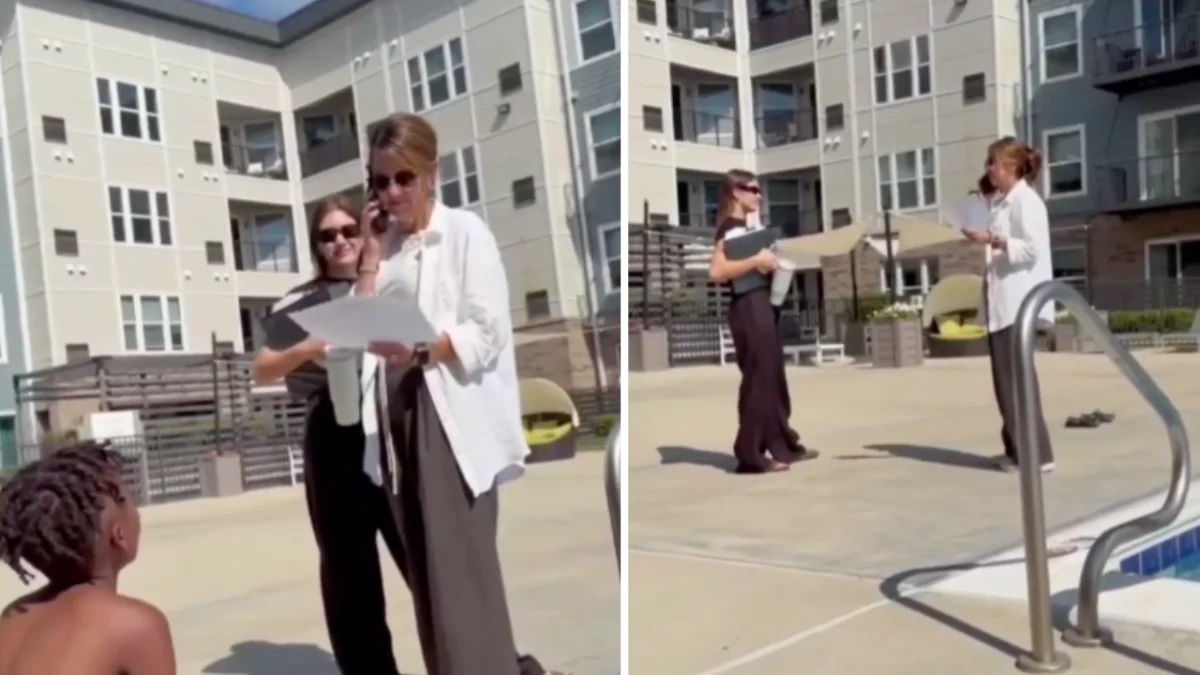
A woman in Chicago, Illinois, is currently at the center of a widespread controversy and facing significant public condemnation following a video posted on X (formerly Twitter) that depicts her confronting a Black man and his children at a community swimming pool. The confrontation escalated to the point where the woman called the police on the family as they were reportedly relaxing by the pool, leading to one of the children expressing profound distress and crying out, "I don’t want to go to jail." The incident, which quickly went viral, has ignited a fierce debate online, with a vast majority of viewers alleging racial motivation behind the woman’s actions and highlighting the deep-seated issues of racial profiling in public spaces. The video, filmed by the father, showcases a distressing interaction that has resonated with audiences globally, drawing attention to the psychological toll such encounters can have, particularly on young, impressionable children. The event underscores ongoing societal challenges related to perceived entitlement, discrimination, and the weaponization of emergency services against minority groups.
The Confrontation Unfolds: A Detailed Account from the Scene
The harrowing encounter began when the father, who lives in the building associated with the community pool, was enjoying a leisurely afternoon with his children. According to his account, captured in the video, he was approached by a white woman who demanded he present identification. "So, I’m sitting out here at the pool with my children and I’m the only man out here," the father explains in the recording. "The white people here came out and told me that if I don’t show my ID, I have to leave." He noted his willingness to comply with legitimate requests but observed a stark and troubling disparity in the enforcement of this rule. "No one else has to show their ID," he pointed out, panning the camera to show other pool-goers who appeared to be white and were not being subjected to the same scrutiny. This perceived double standard immediately raised concerns about discriminatory practices.
As the situation intensified, the woman proceeded to call the police, a move that the father recorded, capturing her seemingly unfazed demeanor. "So now, she’s calling the police on me and the police are going to come in front of my children," he stated, visibly disturbed by the impending arrival of law enforcement. He then drew attention to the woman’s composure, noting, "Look, they’re smiling. She’s smiling," implying a callous disregard for the stress and potential harm her actions were inflicting on his family. The father asserted his residency in the building, thereby confirming his rightful access to the pool, but the woman appeared unconvinced or unwilling to accept his explanation. Despite her apparent discomfort with being filmed, the father maintained his right to record the interaction due to her escalating actions. He vociferously questioned the logic of needing to carry identification to a swimming pool, particularly when he was the sole individual being targeted with such a demand. His primary concern, he reiterated, was the profound impact this confrontational and potentially traumatizing experience was having on his children.
The emotional climax of the video arrived as one of his young children, clearly overwhelmed by the situation, began to cry, expressing a chilling fear: "I don’t want you to go to jail." The father, despite his own evident frustration and anger, remained remarkably calm and focused on comforting his child. "You don’t have to cry," he reassured, gently stroking his child’s head. He then firmly conveyed to both his children that no one would be taken into custody, attempting to mitigate the fear and anxiety that had been thrust upon them. This poignant moment underscored the deep-seated mistrust and apprehension that many minority communities feel towards law enforcement, particularly when invoked under questionable circumstances. The incident’s exact timeline, from the initial confrontation to the police’s potential arrival, remains partially obscured, as the video concludes before any officers appear.
Community Pool Protocols and the Question of Impartial Enforcement
Community swimming pools, often central hubs for neighborhood recreation and relaxation, typically operate under a set of rules designed to ensure safety, fairness, and enjoyment for all residents and their guests. These rules commonly include guidelines on pool hours, guest policies, and sometimes, for security purposes, requirements for residents to show proof of residency or membership. However, the enforcement of these rules is generally expected to be applied uniformly and without prejudice. In many residential complexes or homeowner associations (HOAs), residents are issued key cards, fobs, or wristbands for pool access, making a spontaneous demand for a government-issued ID unusual, especially if the individual is a known resident or is clearly engaged in family recreation.
The father’s assertion that he resided in the building and therefore had legitimate access to the pool, coupled with his observation that he was the only person being asked for identification, immediately raises red flags regarding the impartial application of pool policies. If an ID policy were genuinely in place, it would logically be enforced for all users or at specific entry points, not selectively targeting individuals based on race or appearance. The implicit accusation from the woman, who seemed to doubt his residency despite his presence with his children, suggests a subjective interpretation of rules, or perhaps an entirely unfounded suspicion. This selective enforcement, whether driven by personal bias or a misunderstanding of community guidelines, can create an unwelcoming and discriminatory environment, undermining the very purpose of a shared community amenity. Property management or HOA boards typically have clear procedures for addressing concerns about unauthorized pool use, which rarely involve individual residents directly confronting others and immediately escalating to police involvement without prior verification or communication with official staff.
Historical Echoes: Racial Profiling in Public Spaces
This incident in Chicago is not an isolated event but rather fits into a disturbing pattern of racial profiling and the weaponization of emergency services against Black individuals engaging in everyday activities. Over recent years, numerous high-profile incidents have gained national attention, often documented through viral videos, where white individuals have called the police on Black people for seemingly innocuous actions. These include "BBQ Becky" who called police on a Black family barbecuing in a park in Oakland, California; "Permit Patty" who threatened to call police on an 8-year-old Black girl selling water bottles; and incidents involving Black individuals being questioned for sitting in Starbucks, exercising in a gym, or simply entering their own homes. These events highlight a systemic issue where perceived racial difference can lead to unwarranted suspicion, harassment, and the invocation of state power.
The psychological impact of such encounters on Black communities is profound. Being subjected to scrutiny and police intervention for simply existing in public spaces fosters a sense of insecurity, fear, and injustice. For children, witnessing their parents being targeted can be deeply traumatizing, instilling an early understanding of racial bias and the potential dangers associated with their identity. The child’s cry of "I don’t want to go to jail" in the Chicago pool incident powerfully encapsulates the inherited anxiety and fear of the criminal justice system prevalent in many Black households. This historical context underscores why such videos evoke such strong reactions online; they are seen not merely as individual disputes but as symptoms of a broader societal problem rooted in racial prejudice and privilege.
The Digital Aftermath: X (Twitter) Reacts with Outrage
The video quickly disseminated across X, sparking a torrent of outrage, condemnation, and calls for accountability. The platform became a digital town square where users expressed their disgust at the woman’s actions and solidarity with the father and his children. Many commenters pointed to the incident as a clear example of racial discrimination and suggested legal avenues for redress. "Sue, sue, sue. Sue the psycho stalker and the evil folk. Hit ’em in the pocket," one user vehemently advised, reflecting a common sentiment that financial penalties might be the most effective deterrent against such behavior. Another person weighed in with a strong rebuke, stating, "That woman should serve a year in prison for misusing emergency services, false reporting and wasting tax dollars. I’m so tired of the entitled idiots who believe they can mind everyone else’s business except their own. What a dumb bitch." This sentiment highlights public frustration with the misuse of emergency resources for non-emergencies, especially when driven by discriminatory motives.
Beyond calls for legal action, many social media users lauded the father’s remarkable composure under immense pressure. His ability to remain calm, articulate his position, and prioritize the emotional well-being of his children in the face of blatant harassment garnered widespread praise. "It’s incredible how he kept his cool for his kids. Many would have lashed out, and rightly so, but he chose to protect them from further trauma," one commenter observed. The viral nature of such incidents on X serves to amplify the voices of those affected and mobilizes collective support, often forcing broader public discourse and, in some cases, prompting official investigations or consequences for the perpetrators. The incident quickly became a trending topic, with hashtags related to racial profiling and public pool discrimination gaining traction, further cementing its place in the ongoing national conversation about race and justice.
Legal and Ethical Implications of the Incident
The actions depicted in the video carry significant legal and ethical implications for all parties involved. From a legal standpoint, the woman’s behavior could potentially constitute false reporting to emergency services, harassment, and even civil rights violations. False reporting to the police, especially if motivated by discriminatory intent, can be a criminal offense, leading to fines or even imprisonment. Furthermore, if the family chooses to pursue legal action, they could file a civil lawsuit alleging discrimination under federal or state civil rights laws, which prohibit discrimination in public accommodations based on race. Such a lawsuit could seek damages for emotional distress, violation of rights, and punitive damages to deter similar future conduct. The father’s video recording would serve as crucial evidence in any legal proceedings, documenting the discriminatory nature of the encounter.
Ethically, the woman’s decision to call the police on a Black family for simply being at a community pool, without any apparent legitimate reason, raises serious questions about implicit bias, racial prejudice, and the misuse of power. The act of weaponizing law enforcement against individuals based on their race is not only morally reprehensible but also undermines trust in institutions and perpetuates systemic inequalities. For law enforcement, responding to such calls presents a delicate challenge. Officers are trained to de-escalate situations and assess the validity of complaints. In cases where calls are clearly racially motivated or lack legitimate grounds, police departments face the ethical imperative to avoid becoming complicit in discriminatory practices and to protect the rights of those being targeted. The trauma inflicted on the children, particularly the fear of going to jail, represents a profound ethical breach, highlighting the responsibility adults have to create safe and inclusive environments for all young people.
Expert Perspectives and Broader Societal Impact
While specific experts have not yet publicly commented on this particular incident, general perspectives from various fields shed light on its broader implications. Legal scholars specializing in civil rights and anti-discrimination law would likely emphasize the family’s potential grounds for a discrimination lawsuit, highlighting the pattern of such incidents across the country. They might discuss the importance of documenting these encounters as evidence for legal action and for raising public awareness. Child psychologists and developmental experts would undoubtedly express concern over the psychological impact on the children involved. Experiencing such overt acts of discrimination at a young age can lead to anxiety, fear, distrust of authority, and an internalized sense of being "othered." Such events can shape a child’s worldview, affecting their sense of safety and belonging in public spaces.
Sociologists and community relations specialists would likely analyze the incident within the context of systemic racism and the ongoing struggle for equitable access to public amenities. They might discuss the role of implicit bias, where individuals unconsciously hold stereotypes or prejudices that influence their behavior, even without overt malicious intent. The incident serves as a stark reminder of the persistent need for diversity, equity, and inclusion training within communities, HOAs, and public service sectors. It also reinforces the critical role of social media in exposing injustices and galvanizing public opinion, forcing conversations that might otherwise remain hidden. The broader societal impact of such events extends beyond the immediate parties, contributing to a collective trauma within minority communities and fueling the ongoing demand for greater accountability, systemic change, and a truly equitable society where race does not dictate one’s right to exist peacefully in public spaces.
Conclusion: Unresolved Questions and the Call for Justice
As of the latest reports, it remains unclear whether the Chicago Police Department ultimately responded to the woman’s call at the community pool, or what, if any, actions were taken after the video concluded. The Daily Dot, in its initial coverage, noted its inability to independently verify the full circumstances or the aftermath of the encounter. However, the viral footage itself, along with the poignant cries of a child fearing jail, has etched this incident into the public consciousness as another painful illustration of racial bias in America. The event serves as a powerful testament to the daily microaggressions and overt acts of discrimination that Black families continue to face, even in seemingly innocuous settings like a community swimming pool.
The widespread outrage and calls for justice underscore a societal demand for greater accountability for those who weaponize their privilege and misuse emergency services for discriminatory purposes. It also highlights the urgent need for communities to foster truly inclusive environments where all residents feel safe, respected, and free from unwarranted suspicion. While the immediate consequences for the woman remain to be seen, the indelible impact on the father and his children, and the broader dialogue sparked by this incident, will undoubtedly contribute to the ongoing national conversation about race, public spaces, and the persistent quest for a more just and equitable society. The event stands as a stark reminder that the fight against racial discrimination is far from over, and vigilance, advocacy, and empathy remain crucial in addressing these deeply entrenched societal challenges.