Galang Taruna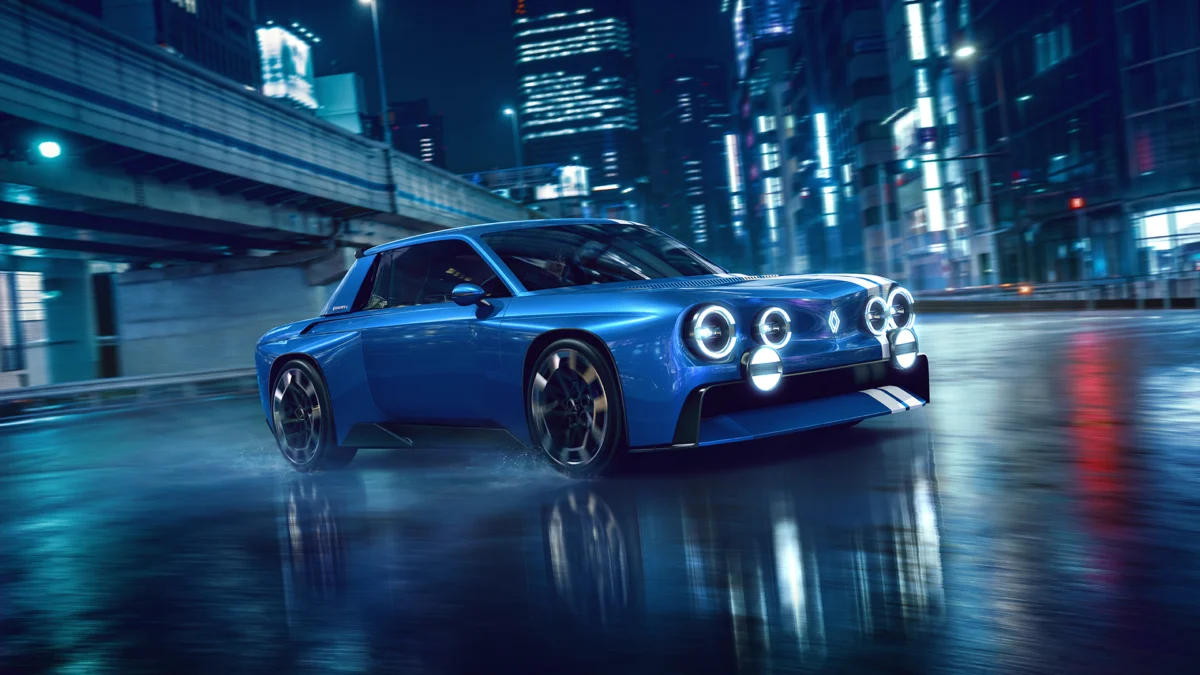
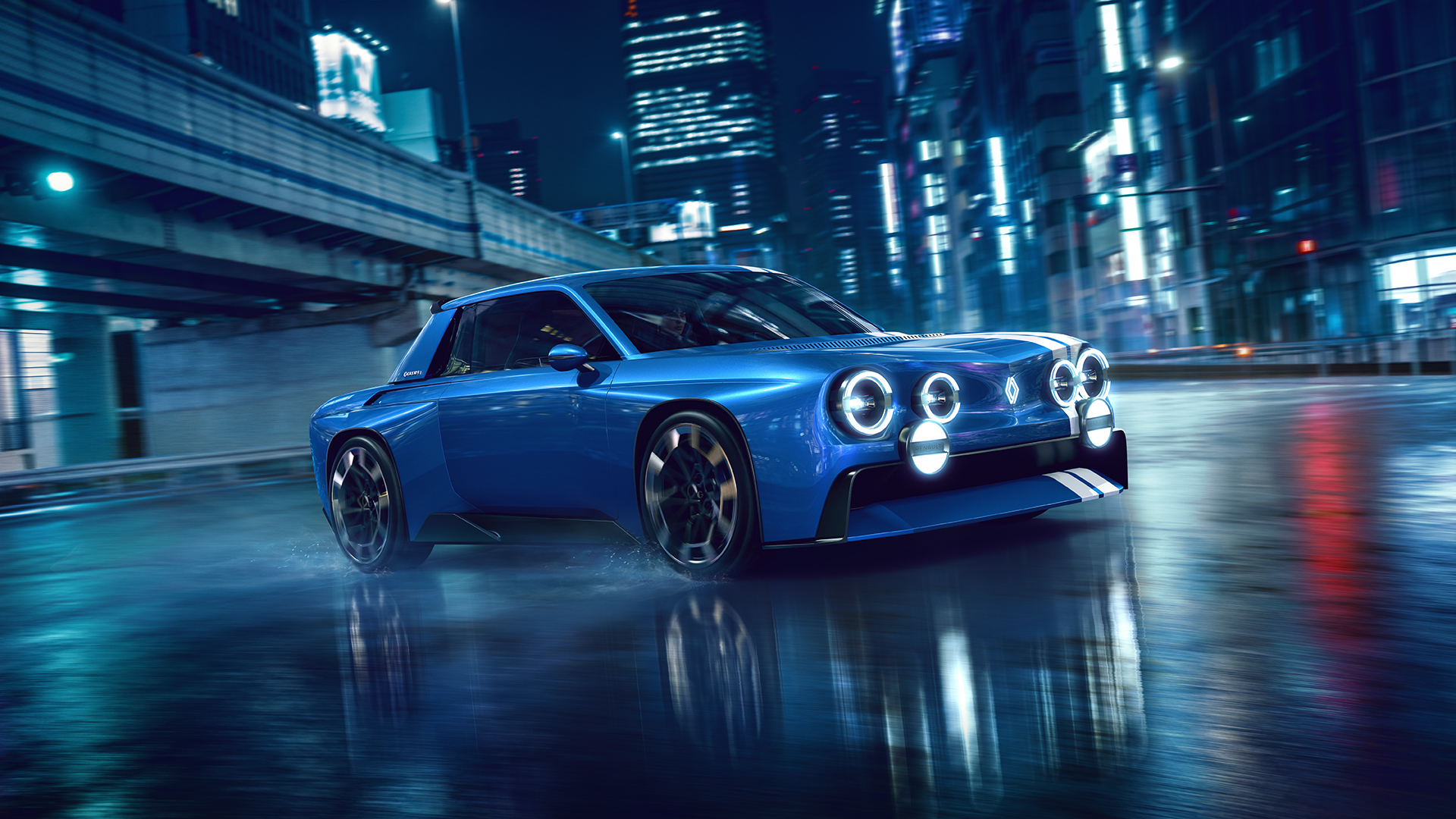
Paris, France – Renault is poised to captivate automotive enthusiasts and demonstrate its unwavering commitment to electric innovation by unveiling the Renault 8 Gordini Concept. This striking concept car, a bold reinterpretation of the iconic 1970s sports coupe, is set to debut at the prestigious Mondial de l’Auto on October 12, 2026. Following the acclaimed R17 Restomod, this entirely in-house developed electric show-car underscores Renault’s strategy to bridge its rich historical legacy with a dynamic, electrified future. While presented as a purely conceptual exercise, the R8 Gordini Concept is designed to evoke profound nostalgia among aficionados of the original "Berlinette bleue" and signal the brand’s creative prowess in the electric era.
The Enduring Legacy of the Renault 8 Gordini
To fully appreciate the significance of the Renault 8 Gordini Concept, one must delve into the illustrious history of its predecessor. The original Renault 8, a modest rear-engined sedan introduced in 1962, was transformed into a motorsport legend through the genius of Amédée Gordini, affectionately known as "Le Sorcier de Viry-Châtillon." From 1964 to 1970, the R8 Gordini became more than just a car; it was a cultural phenomenon and a pivotal training ground for a generation of aspiring racing drivers.
Initially launched with a 1108 cc engine producing 95 horsepower, the R8 Gordini was instantly recognizable by its distinctive French Racing Blue livery adorned with twin white stripes, its quad headlights, and its agile handling. Its rear-engine, rear-wheel-drive configuration, combined with a lightweight body, made it a potent force on rally stages and race tracks across Europe. The "Coupe Gordini," a one-make racing series, further cemented its status, offering an accessible entry point into professional motorsport and fostering legendary rivalries. This era saw the R8 Gordini become a symbol of performance accessible to the masses, a car that taught countless individuals the nuances of spirited driving and competitive racing. Its legacy as a pure, unadulterated driving machine, brimming with character and sporting pedigree, remains etched in the annals of automotive history.
Renault’s "Renaulution" and the Embrace of Heritage

The introduction of the R8 Gordini Concept is not an isolated event but a cornerstone of Renault’s broader strategic vision, dubbed "Renaulution" by CEO Luca de Meo. This ambitious plan, launched in 2021, aims to reposition Renault as a technology-driven, service-oriented, and environmentally responsible brand, moving from volume to value. A key pillar of this strategy is the "Resurrection" of iconic models, leveraging Renault’s rich heritage to create emotional connections with new electric vehicles.
This approach has already yielded several high-profile projects. The Renault 5 E-Tech Electric, a modern interpretation of the beloved R5, is poised for production, aiming to democratize electric mobility with its affordable and charismatic design. Similarly, the Renault 4 E-Tech Concept hinted at a rugged, utilitarian electric vehicle inspired by the original 4L. In 2024, the R17 Restomod, a collaboration with Ora Ito, garnered significant attention at the Mondial de l’Auto, showcasing a blend of classic aesthetics and contemporary electric power. The R8 Gordini Concept takes this strategy a step further, demonstrating that Renault is not merely modernizing old platforms but actively reinterpreting its most revered designs through a futuristic lens. This strategic pivot allows Renault to tap into a powerful sense of nostalgia while simultaneously projecting an image of innovation and leadership in the electric vehicle transition.
A Bold Modern Reinterpretation: Design and Dimensions

Unlike the R17 Restomod, which modernized an existing base, the R8 Gordini Concept embarks on a radical reinterpretation of the original car’s codes and proportions. This approach allows for a dramatic shift in its physical presence, transforming the compact 1960s sedan into a sleek, aggressive modern sports car. The dimensions tell a compelling story: measuring 4.12 meters in length, the concept is 12 centimeters longer than its ancestor. More strikingly, its width has exploded to 1.88 meters, an increase of 39 centimeters, lending it an incredibly wide and planted stance. Concurrently, its height has been reduced by 10 centimeters to 1.27 meters, contributing to a lower, more aerodynamic, and undeniably contemporary silhouette.
Despite these significant dimensional alterations, the concept meticulously retains the indispensable Gordini markers. The iconic French Racing Blue livery, bisected by the signature double white stripes running the length of the vehicle, immediately identifies its heritage. The front fascia pays homage to the original with its distinctive quad headlights, now reimagined with full LED technology for enhanced luminosity and a futuristic appeal. Similarly, the horizontal taillights at the rear echo the classic design while incorporating modern lighting elements. However, the modern touches are profound. The rear doors of the original sedan have been eliminated, transforming the concept into a dedicated two-door sports coupe. The wheel arches are dramatically flared, accommodating massive wheels – 19 inches at the front and a staggering 20 inches at the rear – which are essential for its aggressive, low-slung stance. The side skirts hug the ground, further emphasizing its performance-oriented design and hinting at its dynamic capabilities. This fusion of revered historical cues with an unashamedly contemporary aesthetic results in a vehicle that is both instantly recognizable and entirely forward-looking.
The Electric Heart and Spartan Interior

Beneath its captivating exterior, the Renault 8 Gordini Concept embraces a fully electric powertrain, signaling a profound departure from the original’s combustion engine. While Renault has been notably discreet regarding exhaustive technical specifications, it has confirmed a potent rear-mounted electric motor delivering 270 horsepower. This represents a substantial leap in performance compared to the original R8 Gordini, which, even in its most potent 1300 variant, produced around 95 horsepower. The instant torque delivery characteristic of electric motors promises an exhilarating driving experience, far surpassing the acceleration capabilities of its historical counterpart. This significant power increase underscores the concept’s intent to deliver a high-performance electric vehicle experience.
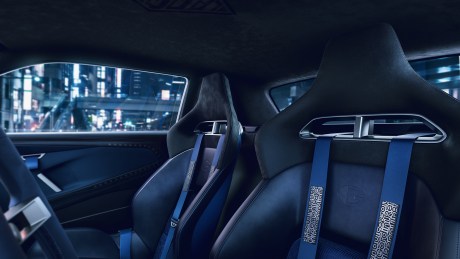
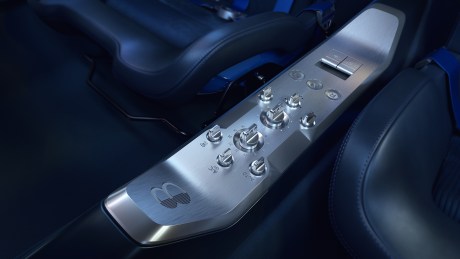
Inside the cabin, the R8 Gordini Concept champions a philosophy of driver-focused minimalism, reverently echoing the spirit of the original while integrating premium modern materials. In a striking contrast to the screen-dominated dashboards of contemporary vehicles, the concept eschews a large central infotainment screen. Instead, the dashboard is a masterful reinterpretation of the original’s instrument panel, featuring a suite of physical gauges that provide essential driving information, emphasizing a pure, analogue connection between driver and machine. Aluminum is a dominant material, gracing both the dashboard and the central console. The console is adorned with tactile rotary dials, allowing for intuitive control over climate settings and gear selection, further reinforcing the concept’s commitment to a visceral driving experience. The interior features a strict two-seat configuration, with deeply sculpted seats upholstered in a luxurious combination of Alcantara and velvet, materials chosen to enhance comfort and provide excellent lateral support during dynamic driving. This thoughtful blend of retro design, premium materials, and a focus on driver engagement creates an interior environment that is both nostalgic and sophisticated, perfectly complementing the car’s exterior design.
Concept Cars: Vision, Inspiration, and Market Gauging

The Renault 8 Gordini Concept, with its limited disclosure of technical specifics beyond the 270 horsepower figure, serves a crucial role as a concept car. In the automotive industry, concept cars are far more than mere design exercises; they are vital tools for brands to showcase future design directions, explore technological possibilities, articulate brand philosophy, and gauge public reaction to potential new ideas. They often serve as a canvas for designers to push boundaries without the constraints of mass production feasibility or regulatory compliance.
In the case of the R8 Gordini Concept, its "gratuitous" nature, as hinted by Renault, suggests it is primarily a "show car." Its purpose is to animate the brand’s stand at the Mondial de l’Auto, generate excitement, and demonstrate Renault’s capacity for creative innovation within the electric vehicle landscape. While a direct production model based on this specific concept is unlikely given the absence of detailed engineering plans, elements of its design language, interior philosophy, or performance aspirations could certainly influence future production models, particularly in Renault’s growing electric performance portfolio. It acts as a powerful marketing statement, reinforcing Renault’s image as a brand that honors its past while boldly steering towards an electrified and technologically advanced future.
Broader Implications for Renault and the EV Market
The unveiling of the R8 Gordini Concept carries significant implications for both Renault and the broader electric vehicle market. For Renault, it solidifies its position as a brand that is not only committed to the electric transition but also capable of infusing it with passion, heritage, and emotional appeal. By transforming an iconic, performance-oriented model into an electric concept, Renault directly addresses concerns among enthusiasts that EVs might lack character or driving excitement. This concept clearly signals that electric performance can be thrilling and deeply rooted in automotive culture.
Furthermore, the R8 Gordini Concept contributes to the burgeoning trend of performance-oriented EVs and the "electric restomod" movement. As electric technology matures, there is increasing interest in applying it to classic vehicles, preserving their aesthetic charm while updating their powertrain for modern efficiency and performance. While a concept, the Gordini joins a growing conversation about how classic cars can thrive in an electrified future. It also allows Renault to attract a diverse audience: nostalgic enthusiasts who remember the original, younger generations drawn to its striking modern design, and eco-conscious consumers interested in cutting-edge electric technology. Ultimately, the R8 Gordini Concept strengthens Renault’s brand image, showcasing its ability to innovate, evoke emotion, and navigate the complex demands of the evolving automotive landscape.
The Mondial de l’Auto 2026: A Showcase for Renault’s Electric Future
The Mondial de l’Auto, opening its doors on October 12, 2026, will serve as a pivotal platform for Renault to showcase its ambitious electric vehicle strategy. While the R8 Gordini Concept is undoubtedly a star attraction, drawing significant media and public attention, it will be presented alongside a comprehensive lineup of production-ready and near-production electric vehicles. Visitors to the Renault stand can anticipate the unveiling of the restyled Mégane E-Tech, which is expected to feature design enhancements and potentially updated technological capabilities to maintain its competitive edge in the compact EV segment.
In addition, Renault plans to highlight the technical evolutions of its Scénic Electric, focusing on improvements in autonomy, charging speeds, and overall efficiency, addressing key consumer concerns in the family EV market. Not to be overlooked is the highly anticipated new range of the Renault 5 E-Tech, which is poised to become a cornerstone of Renault’s affordable electric offering, combining retro charm with accessible electric mobility. The presence of the R8 Gordini Concept among these practical, market-oriented vehicles strategically positions Renault as a brand that balances tangible progress in electrification with visionary design and a deep respect for its heritage. While the R8 Gordini may remain a dream car, its role in inspiring and engaging the public about Renault’s electric future is undeniable. Industry observers will also be keenly watching for any "other surprises" that Renault might have in store, hinting at further developments in its electric and heritage-inspired vehicle portfolio. The Mondial de l’Auto 2026 is set to be a significant event for Renault, solidifying its trajectory towards an electric, innovative, and emotionally resonant future.