Sisilia Frederika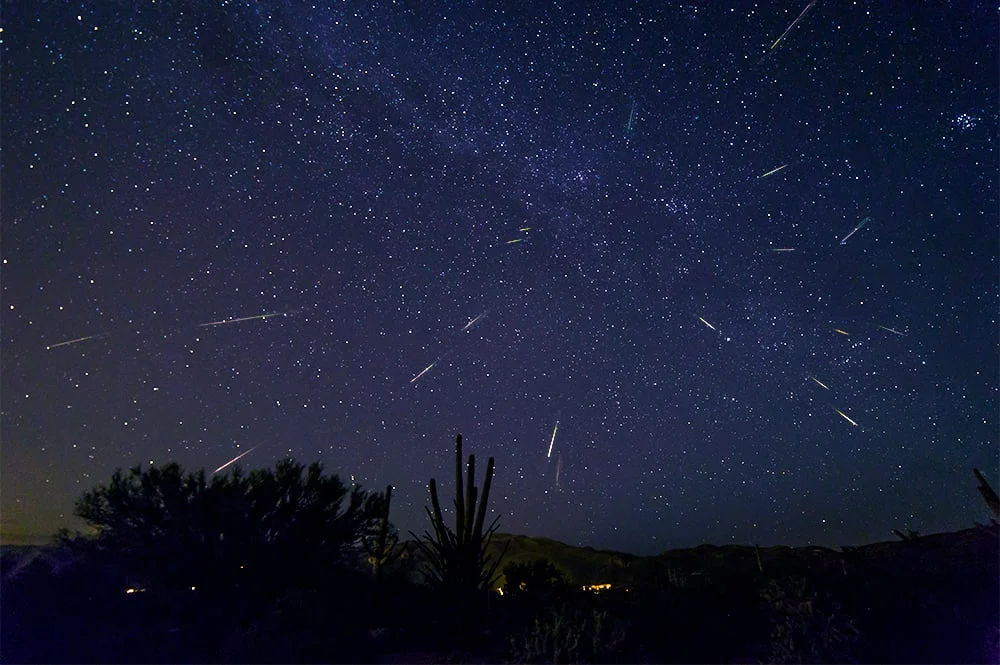
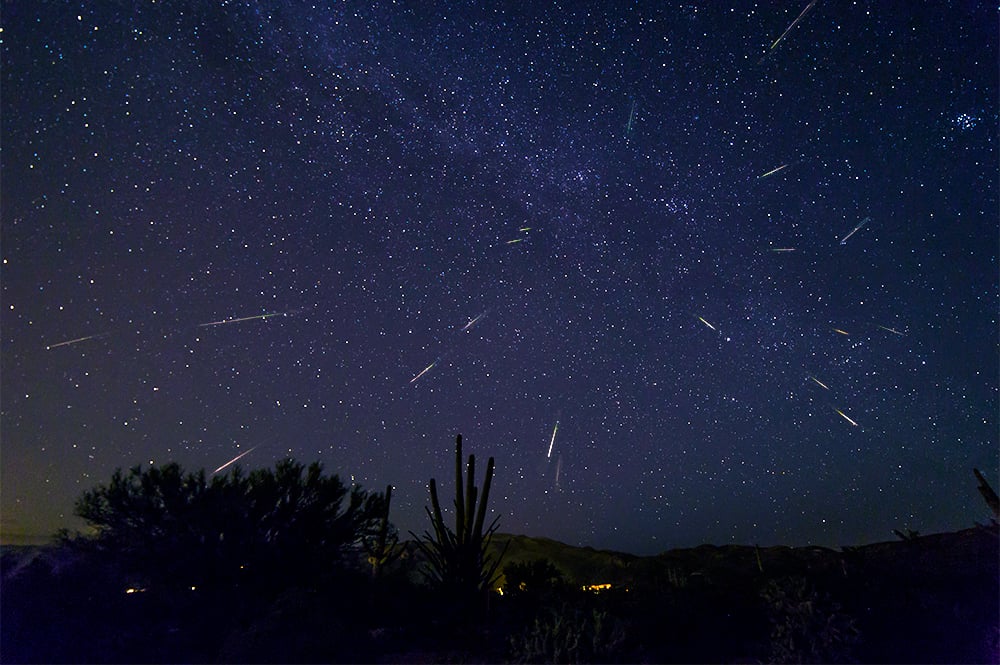
In what is being hailed as the most favorable skywatching opportunity of the decade, the 2026 Perseid meteor shower is scheduled to reach its peak on the night of August 12 and the early morning of August 13. Astronomers and celestial enthusiasts are preparing for a "perfect storm" of observational conditions, driven primarily by the total absence of moonlight during the shower’s maximum activity. This rare alignment occurs because the Moon will be in its New Moon phase, coinciding with a total solar eclipse just hours before the meteor shower reaches its zenith. For the first time in several years, the Perseids will be viewed against a truly velvet-black sky, allowing even the faintest of "dust grains" to be visible to the naked eye.
The Mechanics of the 2026 Peak
The International Meteor Organization (IMO) has projected that the 2026 Perseids will reach their Zenithal Hourly Rate (ZHR) of approximately 100 meteors per hour on Wednesday, August 13, at 03:00 Universal Time (UT). For observers in North America, this translates to 11:00 PM EDT on the night of Tuesday, August 12. This timing is particularly advantageous for both European and North American continents, as these regions will be rotating into the path of the debris stream just as the activity reaches its crescendo.
The ZHR is a theoretical calculation representing the number of meteors a single observer would see if the radiant were directly overhead and the sky were perfectly clear and dark. While actual observed rates may vary based on local light pollution and atmospheric transparency, the lack of lunar interference in 2026 means that the observed rates will likely be much closer to the theoretical maximum than in previous years. The Perseids are known for their consistency, but they also frequently exhibit a "double peak" or a broad plateau of activity. Experts suggest that the 24-hour windows both before and after the predicted peak will offer substantial meteor counts, making the nights of August 11 through August 14 prime viewing opportunities.
The Lunar "Missing in Action" Factor
The defining characteristic of the 2026 Perseids is the "missing" Moon. In many years, a bright Waxing Gibbous or Full Moon washes out the sky, rendering all but the brightest fireballs invisible. However, on August 12, 2026, the Moon will be positioned directly between the Earth and the Sun, causing a total solar eclipse. This orbital geometry ensures that the Moon remains in its New phase during the Perseid peak, setting shortly after the Sun and leaving the night sky entirely dark.
This specific synchronicity—a New Moon occurring on the exact date of the Perseid peak—is governed by the Metonic cycle, a period of approximately 19 years after which the phases of the Moon recur on the same days of the year. The last time a New Moon coincided with the August 12 peak was in 1942, and the next occurrence will not be until 2045. This 2026 event offers a rare generational window for astrophotographers and researchers to capture the shower without the need for specialized lunar filters or complex post-processing to remove light gradients.
Origins and Orbital Dynamics of Comet 109P/Swift-Tuttle
The Perseid meteor shower is the result of Earth’s annual passage through the debris trail left by Comet 109P/Swift-Tuttle. This massive comet, which possesses a nucleus approximately 26 kilometers (16 miles) in diameter, follows a highly eccentric 133-year orbit around the Sun. As the comet approaches the inner solar system, solar radiation causes its icy surface to sublime, releasing trapped dust, sand, and small pebbles. These particles continue to orbit the Sun in a "stream" that follows the comet’s path.
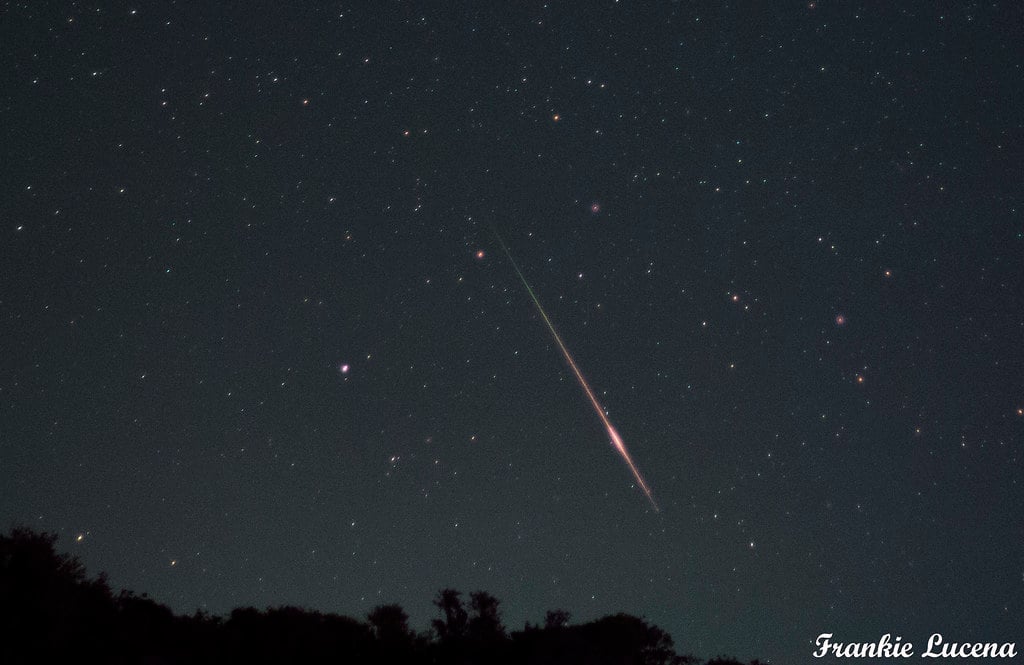
When Earth intersects this stream every August, these particles—most no larger than a grain of sand—enter the Earth’s atmosphere at a staggering velocity of 59 kilometers per second (approximately 132,000 miles per hour). The kinetic energy of these particles is converted into heat and light through a process of ablation and ionization, creating the brilliant streaks of light we recognize as meteors.
Comet Swift-Tuttle was first identified as the source of the Perseids by the Italian astronomer Giovanni Schiaparelli in 1862. The comet’s orbit is notably stable because it has a steep inclination of 113 degrees relative to the ecliptic plane, preventing it from being significantly perturbed by the gravitational pull of the giant planets like Jupiter. The comet last reached perihelion (its closest point to the Sun) in 1992 and is not expected to return to the inner solar system until the year 2126.
Historical and Cultural Context
The Perseids have been recorded by civilizations for nearly two millennia. The earliest known records of the shower come from Chinese annals in 36 AD, which described "more than 100 meteors" flying in the morning. In the medieval era, the shower became deeply embedded in European folklore, known as the "Tears of St. Lawrence." This name commemorates Lawrence of Rome, a deacon who was martyred on August 10, 258 AD. According to tradition, the meteors seen in the August sky represent the sparks of the fire that consumed the saint or the tears he shed during his ordeal.
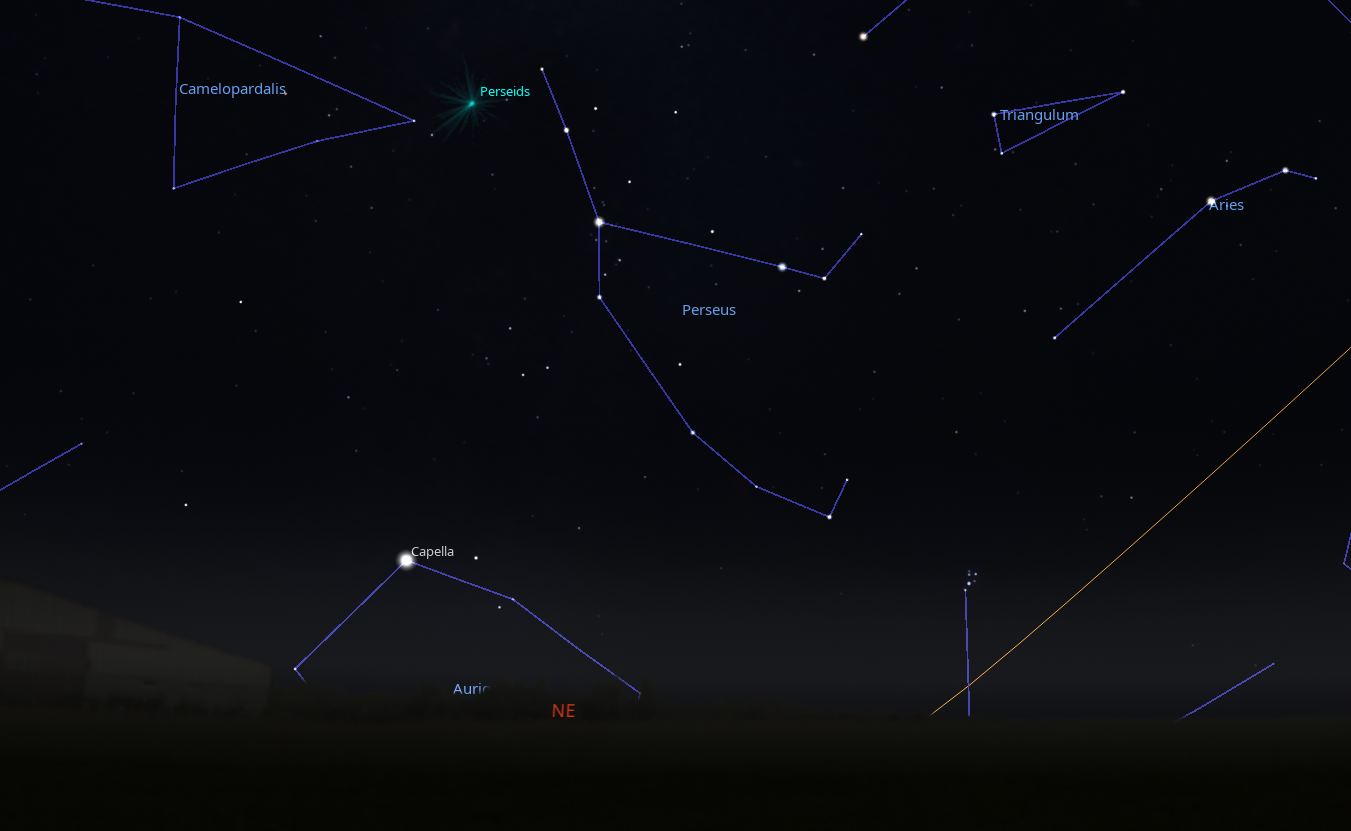
While the radiant—the point from which the meteors appear to originate—now resides in the constellation Perseus (near the border of Cassiopeia and Camelopardalis), this has shifted slightly over the centuries due to the Earth’s precession and the gradual evolution of the debris stream. In 36 AD, the peak actually occurred in late July, but the Gregorian calendar shift and orbital drift have pushed the modern peak to its current mid-August window.
Scientific Observation and "Audible" Meteors
Beyond visual aesthetics, the 2026 Perseids offer significant opportunities for scientific data collection. Professional astronomers use the shower to study the density of the debris stream and the composition of the comet’s tail. One of the more mysterious phenomena associated with the Perseids is the report of "audible meteors." While sound travels much slower than light, some observers have reported hearing "pops," "hisses," or "crackles" at the exact moment a bright fireball appears.
Scientists believe this is caused by Very Low Frequency (VLF) radio waves generated by the meteor’s plasma trail. These waves travel at the speed of light and can cause nearby objects on the ground—such as eyeglasses, dry hair, or even certain types of foliage—to vibrate, creating a localized sound. This phenomenon, known as "electrophonic hearing," remains a subject of active research.
Additionally, for those hindered by cloud cover, the Perseids can be "heard" via radio. When a meteor enters the upper atmosphere (the ionosphere), it leaves behind a trail of ionized gas that reflects radio waves. By tuning an FM radio to a distant station that is normally out of range, listeners can hear brief "pings" or bursts of music as a meteor trail momentarily reflects the signal over the horizon.
Advancements in Imaging and Citizen Science
The 2026 event is expected to see record participation in citizen science initiatives. The International Meteor Organization (IMO) and the American Meteor Society (AMS) encourage observers to submit standardized counts, which help refine models of the debris stream’s structure. With the proliferation of high-sensitivity CMOS sensors in modern DSLR and mirrorless cameras, the barrier to entry for meteor photography has never been lower.
Astrophotographers are advised to use wide-angle lenses (14mm to 24mm) with wide apertures (f/2.8 or faster) and high ISO settings (1600 to 6400). By utilizing an intervalometer to take continuous 20-to-30-second exposures, photographers can capture multiple meteors over several hours. The dark sky of 2026 will allow for longer exposures without the risk of sky-glow saturation, potentially capturing the "persistent trains"—the glowing tubes of ionized air that can linger for several minutes after a particularly large meteor has passed.
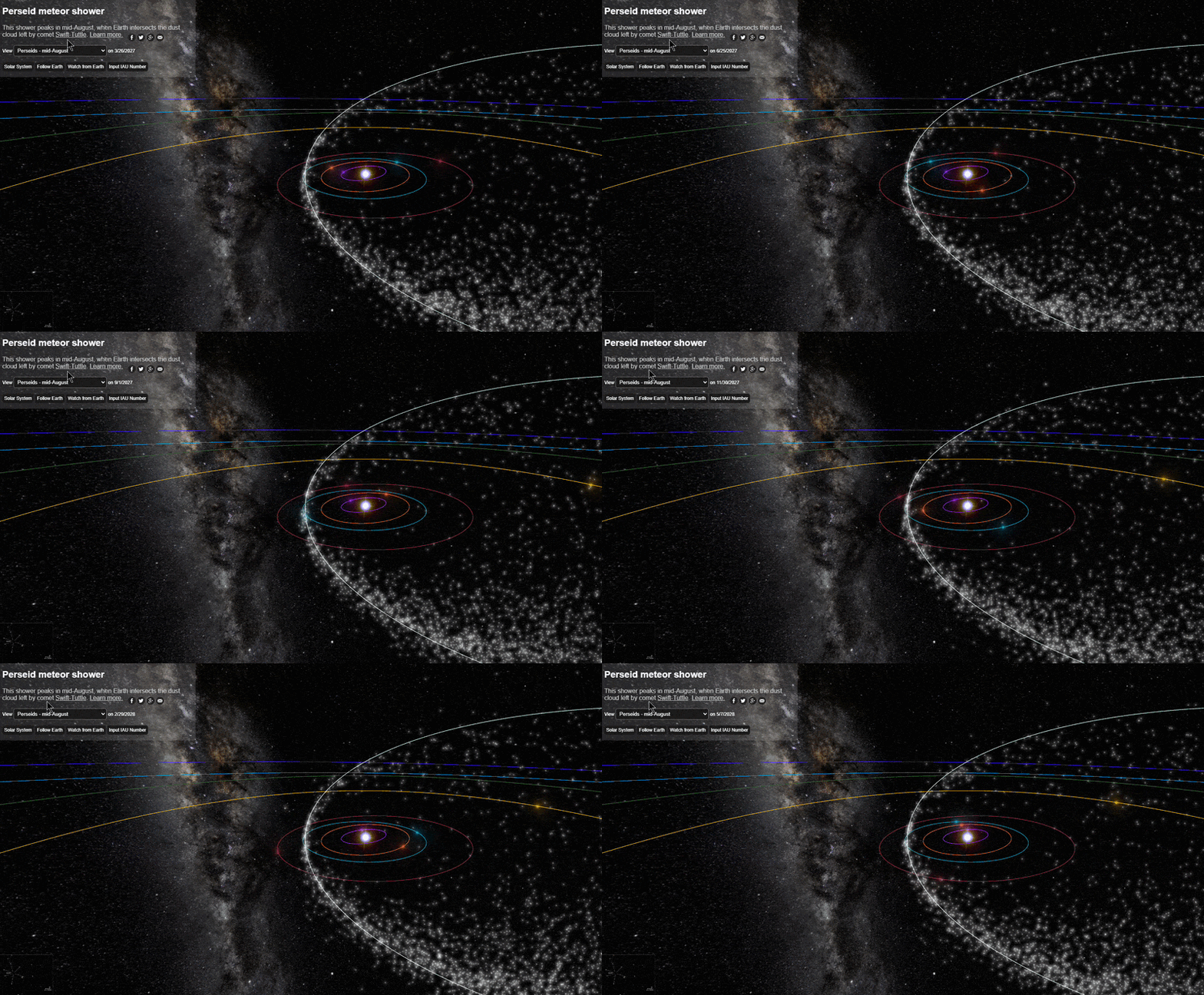
Future Outlook: The 2028 Potential Outburst
While 2026 is being lauded for its viewing conditions, orbital dynamics experts are already looking toward 2028. Astronomer Esko Lyytinen has calculated that in 2028, Earth will encounter a specific filament of debris laid down by Comet Swift-Tuttle in the year 1479. This encounter could trigger a "meteor storm," with rates potentially exceeding 1,000 meteors per hour.
However, the 2028 event will be hampered by a Last Quarter Moon, which will brighten the sky and obscure fainter meteors. This contrast highlights why 2026 is considered a "golden year": while the raw number of meteors may be higher in 2028, the quality of the viewing experience in 2026—provided by the moonless sky—will be superior for the general public and casual observers.
Practical Advice for Observers
To maximize the 2026 experience, experts recommend traveling away from urban centers to "Dark Sky" parks or rural areas. Because the radiant does not rise high in the sky until after midnight, the best viewing hours are between 12:00 AM and dawn. No special equipment like telescopes or binoculars is required; in fact, these devices are counterproductive as they narrow the field of view.
The most effective method for observing is to lie flat on a reclining chair or a blanket, looking toward the northeast, though meteors can appear anywhere in the sky. It takes approximately 20 to 30 minutes for the human eye to fully adapt to the dark, so observers should avoid looking at smartphones or using bright white flashlights. The 2026 Perseids represent a rare intersection of orbital mechanics and timing, providing a celestial display that will likely be the benchmark for meteor showers for the next two decades.