George Chandra Eka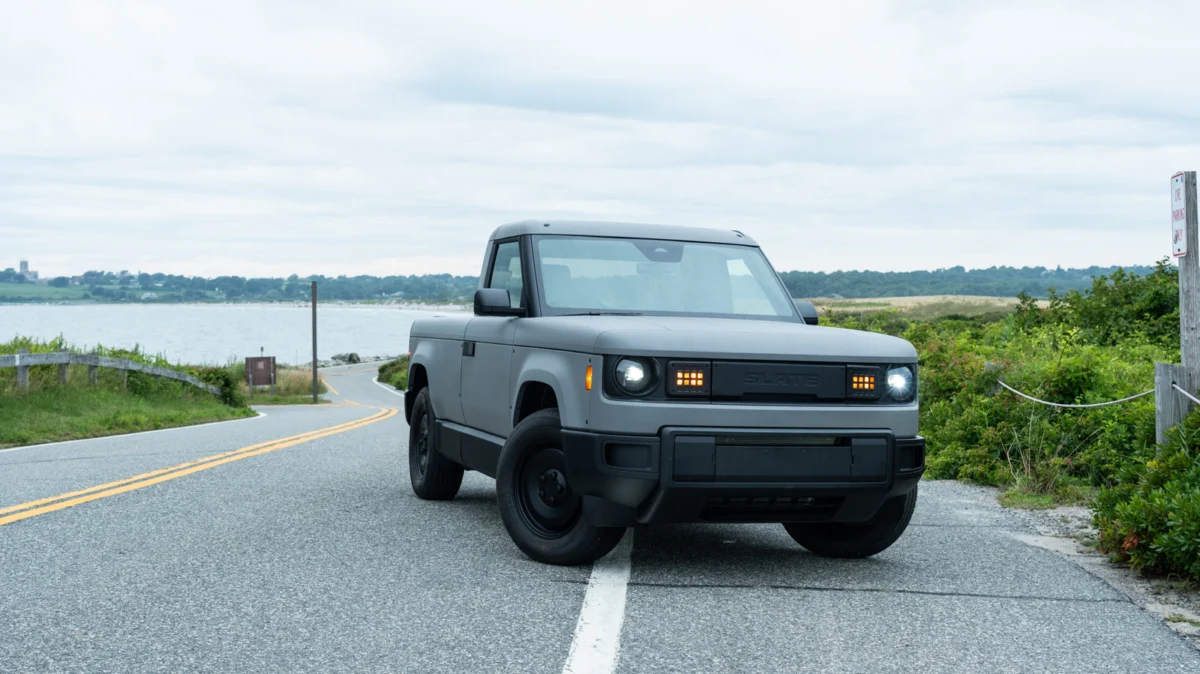
Properly evaluating any new vehicle, particularly one that positions itself as a radical departure from established norms, is a complex and time-intensive undertaking. Typically, automotive journalists and industry analysts prefer a comprehensive testing period, ideally a full week, to thoroughly assess a vehicle’s multifaceted performance, comfort, and technological integration. This extended duration allows for a deep dive into traditional metrics such as acceleration, handling dynamics, and ride quality, but also critically, for an exhaustive evaluation of the increasingly intricate software experience that defines modern vehicles. In the case of the Slate Truck, a recent evaluation offered a significantly condensed timeframe—just over an hour behind the wheel. However, given the vehicle’s explicitly bare-bones design and utility-focused ethos, this brief encounter proved surprisingly sufficient to form a substantive initial impression of whether this cut-rate, DIY-minded electric pickup is truly capable of delivering on its ambitious promises. While still exhibiting some initial rough edges indicative of an early production model, the Slate Truck has already ignited considerable discussion regarding its transformative potential within the automotive landscape.
Redefining Utility: The Slate’s Core Philosophy
At its heart, the Slate Truck represents a radically simplified vision for what a modern utility vehicle can and should be. It stands in stark contrast to the escalating trend of increasingly luxurious, technology-laden, and often oversized pickup trucks dominating the market. The Slate consciously sheds all pretensions and superfluous luxuries, embracing a philosophy of being a "minimum viable vehicle" for the modern era. This design choice is not merely an aesthetic preference but a foundational principle aimed at affordability, ease of maintenance, and unparalleled user customization. It harks back to an earlier era of utilitarian vehicles where function unequivocally dictated form, yet it does so with a thoroughly modern, all-electric powertrain. This "anti-truck" stance seeks to carve out a distinct niche for consumers and businesses who prioritize practicality, cost-effectiveness, and the ability to adapt their vehicle to specific needs over opulent interiors or advanced driver-assistance systems.
Specifications and Strategic Design Choices
The technical specifications of the Slate Truck underscore its utilitarian focus. It is powered by a single-motor, all-electric drivetrain generating 181 horsepower, providing ample power for its intended light-duty applications. Its estimated range of up to 205 miles on a single charge positions it well for urban, suburban, and regional work or recreational use, aligning with the daily operational needs of many potential owners. In terms of utility, the Slate boasts a towing capacity of 2,000 pounds and a payload capacity of 1,550 pounds within its five-foot bed. These figures, while not competing with heavy-duty conventional trucks, are entirely adequate for hauling tools, materials for home improvement projects, camping gear, or supporting small business operations.
Crucially, the Slate’s design philosophy extends beyond its powertrain and capacities into its very aesthetics and structure. One of its most distinctive features is the absence of traditional paint, instead sporting a primer-like finish. This decision significantly reduces manufacturing costs and offers an ingenious solution for personalization. Slate designers have meticulously contoured the body panels to facilitate easy vinyl wrapping. This means owners can quickly and easily apply any color scheme, branding, or custom graphics they desire in just a few hours and for a few hundred dollars, a stark contrast to the costly and permanent nature of factory paint jobs. This feature not only empowers individual expression but also provides an attractive proposition for businesses looking for cost-effective vehicle branding.
Further enhancing its modularity and appeal to a diverse customer base, Slate offers an optional SUV conversion kit priced at $5,000. This DIY-installable kit transforms the pickup into a closed-cabin SUV by adding a second row of seats and a hardtop cover for the bed area. This flexibility allows the vehicle to adapt from a work-focused pickup to a family-friendly or passenger-carrying utility vehicle, extending its versatility and potential market reach. The ability for owners to perform such significant modifications themselves reinforces the Slate’s DIY-minded ethos and fosters a sense of ownership and engagement.
Pricing and External Influences
The initial entry cost for the Slate Truck is $24,950. This figure represents an increase from the originally projected sub-$20,000 price point, a discrepancy that the manufacturer attributes to external factors, specifically citing the federal government. While specific policy details are not elaborated upon, this statement likely refers to a confluence of macroeconomic pressures and regulatory changes that have impacted the automotive industry, particularly the electric vehicle sector, in recent years.
Several factors could contribute to such a price adjustment:
- Inflation and Supply Chain Disruptions: Global supply chain issues, exacerbated by geopolitical events and the lingering effects of the pandemic, have driven up the cost of raw materials (e.g., lithium, cobalt for batteries; steel, aluminum for chassis) and components. Labor costs have also seen increases.
- Federal Tax Credit Adjustments: Changes to federal EV tax credit programs or the introduction of new eligibility requirements (e.g., domestic manufacturing content, battery sourcing rules) could indirectly affect the manufacturer’s cost structure or its ability to offer competitive pricing, thereby shifting some burden to the consumer. For instance, the Bipartisan Infrastructure Law and subsequent Inflation Reduction Act have introduced stricter rules for tax credit eligibility, often favoring vehicles with higher percentages of North American-sourced components and battery materials. Compliance with these evolving regulations can add significant overhead.
- Regulatory Compliance Costs: Meeting increasingly stringent safety, emissions, and manufacturing standards for new vehicles, even minimalist ones, involves substantial investment in research, development, and certification processes. These costs are ultimately factored into the vehicle’s retail price.
- Trade Policies and Tariffs: Imposed tariffs on imported components or materials, or changes in international trade agreements, could also contribute to increased production costs for manufacturers operating within the U.S.
Despite the price adjustment, the Slate Truck remains one of the most affordable electric vehicles on the market, especially considering its utility capabilities, positioning it as an accessible option for many first-time EV buyers or those seeking a budget-friendly workhorse.
The Unconventional User Experience
The Slate Truck’s unique character becomes immediately apparent before even engaging the drive system. Eschewing complex keyless entry and start systems, the Slate utilizes a straightforward plastic fob, similar in form to many modern car keys, but with a distinctly tactile engagement. To start the vehicle, the key must be physically inserted into a receptacle located to the right of the steering wheel. This deliberate design choice eliminates the elaborate boot-up sequences, dramatic light flourishes, or theatrical startup sounds common in contemporary vehicles. Instead, a small, unadorned LCD screen behind the steering wheel simply comes to life, displaying essential information with zero fanfare. The absence of a complex digital interface or a large central touchscreen is a deliberate move to reduce potential points of failure, minimize distractions, and align with the vehicle’s minimalist philosophy, ensuring a focus on function over digital embellishment.
Once the key is engaged, the process of getting underway is equally uncomplicated. A simple pull of the right stalk to select "D" (Drive) initiates a drama-free driving experience, a refreshing change for those accustomed to the often-overengineered startups of other modern vehicles.
Driving Dynamics: Purposeful Performance
On the road, the Slate Truck proves to be remarkably easy to pilot, a characteristic that belies its utilitarian appearance. The throttle response is intentionally relaxed, particularly in reverse. This calibrated responsiveness allows for precise maneuvering in tight spaces, significantly reducing the risk of accidental bumps or scrapes. This design choice is particularly pragmatic given the vehicle’s intended use in urban environments or job sites where careful navigation is often required. Furthermore, the absence of factory paint means that any unintentional contact carries a significantly lower aesthetic penalty, reinforcing its role as a robust work tool rather than a delicate showpiece.
With 181 horsepower, the Slate is not engineered for blistering acceleration or high-speed performance. It is, however, sufficiently quick for its purpose. During the brief test drive, the vehicle demonstrated enough initial torque to elicit a subtle chirp from the rear wheels on two separate occasions, a surprising display of spiritedness from such a modest powertrain. Around town, the Slate is agile enough to comfortably keep pace with traffic, allowing drivers to merge into gaps and accelerate away from stop signs with a respectable urgency. However, its power delivery tapers off noticeably around 30 mph, indicating that sustained highway speeds would likely feel more "relaxed" than exhilarating. While a highway test was not feasible during the short evaluation, it is reasonable to infer that the Slate would maintain safe and steady speeds on arterial roads, albeit without the brisk acceleration typically found in more powerful vehicles. Its manageable size and responsive steering contribute to an overall sense of control and confidence in varied driving conditions.
Interior Design: A Canvas for Customization
The interior of the Slate Truck continues its theme of deliberate minimalism and an emphasis on user modification. The plastics, while generally functional, are described as "unpleasant to touch and not much better to look at." However, rather than creating a drab or unwelcoming space, this aesthetic decision, paired with the vehicle’s overall design, cleverly transforms the cabin into a blank canvas for customization. For individuals with an affinity for DIY projects or 3D printing, the interior presents a plethora of opportunities. Exposed screw heads, far from being an oversight, are strategically placed to serve as readily available mounting points for a wide array of accessories, from flashlight holders and tool organizers to cargo slings and custom storage solutions.
A particularly ingenious feature is the standardized T-slot extrusion running across the dashboard. This versatile rail system is ideal for attaching various aftermarket components. The review unit featured the company’s smartphone mount, which securely held a Samsung Galaxy S25 Ultra, positioning it perfectly for navigation and infotainment duties. This system embodies the Slate’s philosophy of empowering owners to tailor their vehicle to their precise needs, without being constrained by pre-installed, often proprietary, technologies.
The vehicle’s interface is intentionally sparse. The small LCD behind the steering wheel provides only essential information: speed and charge level. When reverse gear is engaged, the mandatory rear-view camera activates. While its positioning behind the steering wheel might be slightly awkward for some, the overall exceptional visibility from the Slate’s cabin often renders the camera somewhat redundant. This is a significant safety advantage, especially when contrasted with the towering stature of modern full-size trucks like the Ford F-150 or Chevrolet Silverado 1500, whose imposing front ends and elevated driving positions can create substantial blind spots, posing risks to pedestrians and objects in close proximity.
Further reinforcing its commitment to simplicity and robustness, the Slate features manual crank windows. This old-school approach, while perhaps surprising to some, offers several advantages: increased reliability due to fewer electronic components, reduced weight, and lower manufacturing costs. Its compact size also means that a solo driver can easily reach across to operate the passenger window if desired. However, the vehicle’s air conditioning system proved amply powerful, maintaining a comfortable cabin temperature even with the windows fully closed.
Broader Implications and Market Outlook
The Slate Truck, despite its relatively small stature by contemporary standards, offers generous headroom and sufficient cabin space, allowing for items like a backpack to be stored between the seats without obstruction. Its performance, while not class-leading, is more than adequate for daily driving and light utility tasks, ensuring it can comfortably keep up with the flow of urban and suburban traffic. The virtually non-existent software experience, far from being a drawback, is presented as a deliberate advantage in an era plagued by software glitches and bugs in new vehicles. By minimizing the digital burden, Slate aims to deliver a more reliable, straightforward, and frustration-free user experience.
The Slate Truck is shaping up to be precisely what its creators promised: a bare-bones, "just-enough" vehicle designed with productivity, creativity, and affordability at its core. It caters to a distinct demographic that includes small business owners, artisans, avid DIY enthusiasts, outdoor adventurers, and urban dwellers seeking a practical, cost-effective, and environmentally conscious utility solution. Its modular design and emphasis on user customization also foster a strong sense of community and personal connection to the vehicle, allowing owners to truly make it their own.
From a sustainability perspective, the Slate’s minimalist design, electric powertrain, and focus on repairability and longevity represent a significant step towards a more responsible approach to vehicle manufacturing and consumption. Its simpler construction implies a potentially lower environmental footprint in production and a longer service life through user-led maintenance and upgrades. The vehicle’s straightforward design also hints at streamlined manufacturing processes, which could contribute to a more efficient and potentially localized supply chain.
The market impact of the Slate could be significant, challenging the prevailing notion that electric vehicles must be technologically complex or luxury-oriented. It opens the door for broader EV adoption by making electric utility accessible to a wider economic demographic. While it won’t directly compete with high-end electric trucks like the Rivian R1T or Ford F-150 Lightning in terms of luxury or brute power, it carves out its own niche as a foundational utility platform.
The promise of the Slate Truck extends beyond its immediate utility; it embodies a philosophical shift towards more practical, owner-centric vehicle design. With the first models slated for delivery before the end of the year, anticipation is building for a more extensive, long-term evaluation. This vehicle appears ideally suited for a myriad of "chore duty" tasks, suggesting it could become an indispensable tool for many. Its potential to empower users to build, customize, and adapt their vehicle makes it a truly exciting prospect in the evolving landscape of personal and commercial transportation.