Clarissa Hana
Microsoft has officially acknowledged a significant issue impacting Windows 11 users following the deployment of the KB5120998 non-security preview update, released in August 2026. Reports from the user community indicate that this update is causing unintended alterations and resets of personalized mouse cursor settings, with users unable to restore their previously configured preferences. The problem, detailed in Microsoft’s official release health status, affects the appearance and animation of mouse cursors, with a particular emphasis on high-DPI settings being replaced by larger, standard white cursors.
The Scope of the Problem: Unintended Cursor Reversions
The core of the issue lies in the KB5120998 update, which was intended to bring various enhancements to Windows 11 versions 25H2 and 24H2, including improvements to the Start menu, taskbar, and Windows search functionality. However, a growing number of users have reported that upon installing this update, their carefully selected mouse cursor themes, sizes, and animations are being automatically reverted to default settings. This is not merely a minor inconvenience; the problem is compounded by the inability of affected users to reapply their custom cursor configurations. Attempts to manually select preferred settings after the reversion have proven unsuccessful, leaving users with a non-customized and potentially less user-friendly mouse pointer experience.
Microsoft has confirmed the widespread nature of these reports through its official channels. In a statement published on the Windows release health dashboard, the company acknowledged: "Microsoft has received reports indicating that mouse cursor personalization settings are being changed or reverted to certain standard settings. This occurs following installation of Windows updates released August 27 2026 (KB5120998) and later." The statement further elaborated on the specific manifestations of the issue: "The issue is described as resulting in appearance regressions and intermittent animation changes. Some reports mention that high-DPI mouse cursors are replaced with larger, white cursors, and custom cursor animations reverting to standard settings. Attempts to restore the previous cursor customization are reported to be unsuccessful."
A Timeline of User Discontent and Microsoft’s Response
The problematic update, KB5120998, was made available on Thursday, August 27, 2026. As an optional, non-security update, it requires users to manually initiate the download and installation process unless they have opted into the "Get the latest updates as soon as they’re available" setting. This opt-in feature would have led to the automatic installation of KB5120998 for a segment of the user base.
Following the release of the update, a surge of user complaints began to appear across various online forums, technical support communities, and social media platforms. Early reports focused on the unexpected alteration of mouse pointer appearances, with users expressing frustration over the loss of personalized settings. As the number of affected individuals grew, the inability to revert these changes became a more significant concern. Users described spending considerable time attempting to reapply their preferred settings through the Windows Personalization settings, only to find their efforts thwarted by the persistent reversion.
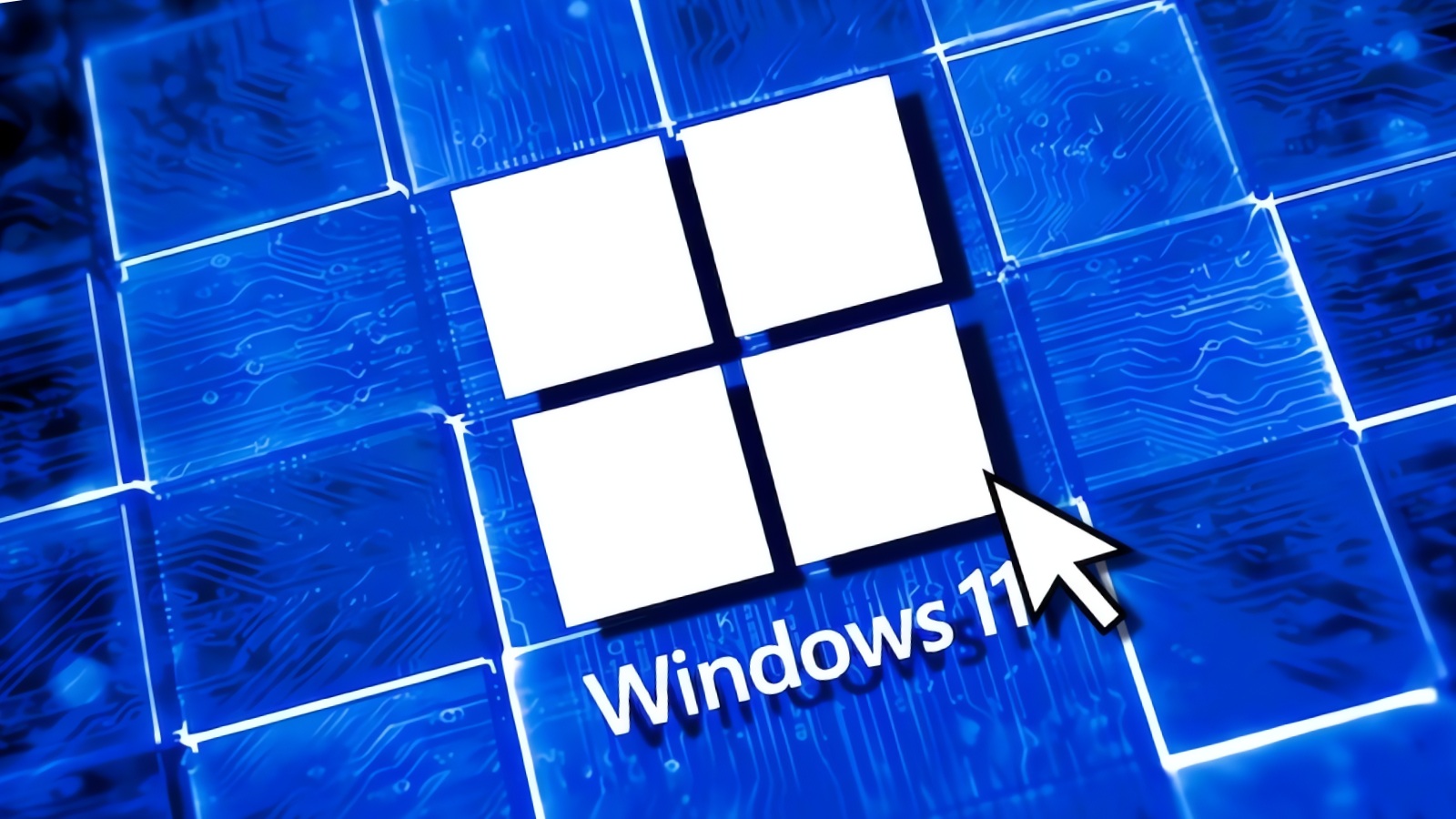
Microsoft’s acknowledgment of the issue came after a period of accumulating user feedback. The official statement on the release health dashboard, which typically serves as a central point for communicating known issues and their status, was updated to reflect the mouse cursor problem. This confirmation, while providing official validation, also highlighted the ongoing nature of the investigation. The company stated, "Microsoft said that it’s still investigating the root cause and asked affected customers to file a report via the Feedback Hub if they’re experiencing this issue." The Feedback Hub is a dedicated application within Windows designed for users to submit bug reports and suggestions directly to Microsoft’s development teams. This request for user input underscores the complexity of the issue and Microsoft’s reliance on real-world data to pinpoint the exact cause.
Technical Underpinnings and Potential Causes
While Microsoft has not yet disclosed the specific technical reasons behind this widespread cursor reversion, several factors could be at play. Updates to the Windows graphical user interface (GUI) or underlying system components that manage cursor rendering could inadvertently interfere with how custom cursor themes are applied and retained. The issue appears to be particularly pronounced with high-DPI (dots per inch) settings, suggesting a potential conflict with how the update handles scaling and resolution-dependent visual elements. High-DPI displays are increasingly common, offering sharper and more detailed visuals, and it’s plausible that the KB5120998 update introduced a bug in its scaling algorithms that clashes with custom cursor assets designed for higher resolutions.
Another possibility is a conflict with specific third-party mouse customization software or drivers. While the reports suggest the issue is tied to the official Microsoft update, it’s not uncommon for system-level changes to trigger unexpected behavior with specialized hardware or software. However, the broad nature of the reports, affecting users with presumably standard hardware configurations, points more towards a systemic issue within the Windows operating system itself.
The inability to restore previous settings is a critical aspect of this bug. This suggests that the update might not just be overwriting the settings but potentially corrupting or deleting the user’s custom cursor configuration files, making them unrecoverable through normal means. This would necessitate a more comprehensive fix from Microsoft, likely involving a patch that not only corrects the reversion mechanism but also addresses any potential data loss related to custom cursor settings.
Broader Context: A Pattern of Mouse-Related Issues
This incident is not an isolated event. In recent months, Microsoft has had to address several other notable issues affecting mouse functionality on Windows devices. This recurring pattern raises questions about the stability of Windows updates and the thoroughness of their testing processes, especially concerning core user interface elements like the mouse pointer.
One significant issue occurred in October of the previous year, when an emergency update was released to rectify a critical bug that rendered USB mice and keyboards unusable within the Windows Recovery Environment (WinRE). This problem, which surfaced after the October 2025 cumulative updates, effectively crippled the ability of users to perform essential recovery operations, such as system restores or troubleshooting, if they relied solely on USB peripherals. The fix for this particular issue involved a targeted update to address the WinRE driver compatibility.

More recently, a separate bug affecting some users of the classic Outlook application has been under investigation since February. This issue causes the mouse pointer to disappear entirely when moved over the application’s interface, creating a significant usability barrier for those who rely on this version of the email client. While this problem is confined to a specific application, it adds to the growing list of mouse-related anomalies experienced by Windows users.
The cumulative effect of these disparate mouse issues, from recovery environment failures to disappearing pointers and now widespread cursor customization reversals, suggests a potential underlying instability in how Windows handles input devices and their associated graphical representations. For a feature as fundamental as the mouse cursor, these disruptions can significantly degrade the user experience and erode confidence in the operating system’s reliability.
Implications for Users and the Path Forward
The immediate implication for Windows 11 users experiencing this bug is a loss of personalization and potentially a less intuitive or aesthetically pleasing computing experience. For individuals who have invested time in creating unique cursor themes that align with their visual preferences or accessibility needs, the automatic reversion can be deeply frustrating. The inability to rectify the situation further exacerbates the problem, leaving users feeling powerless against an unintended system change.
For businesses and IT administrators, this issue can translate into increased support tickets and a need for manual intervention to assist affected employees. While KB5120998 is an optional update, it’s possible that future cumulative updates might incorporate its changes, potentially affecting a broader user base if the bug is not resolved promptly. Proactive communication and clear guidance from Microsoft are crucial to manage user expectations and provide a roadmap for resolution.
The fact that Microsoft is actively investigating and soliciting feedback through the Feedback Hub is a positive sign. However, the absence of a timeline for a fix leaves affected users in limbo. The eventual solution will likely involve a subsequent update that not only corrects the reversion mechanism but also ensures that custom cursor settings are preserved and can be restored without issue. Users who are experiencing this problem are strongly encouraged to follow Microsoft’s directive and submit detailed reports via the Feedback Hub. This collective data can significantly aid Microsoft’s development teams in identifying and resolving the root cause of the problem efficiently.
As of the latest information, the KB5120998 update remains the source of this widespread mouse setting issue, and users are advised to exercise caution when installing optional updates, especially if they have invested heavily in custom system configurations. The ongoing investigation by Microsoft signifies their commitment to addressing the problem, but until a definitive patch is released, Windows 11 users will have to contend with the unintended consequences of this August 2026 preview update on their mouse cursor personalization. The situation underscores the delicate balance between introducing new features and ensuring the stability and integrity of existing functionalities within a complex operating system.