Vera Intan Clara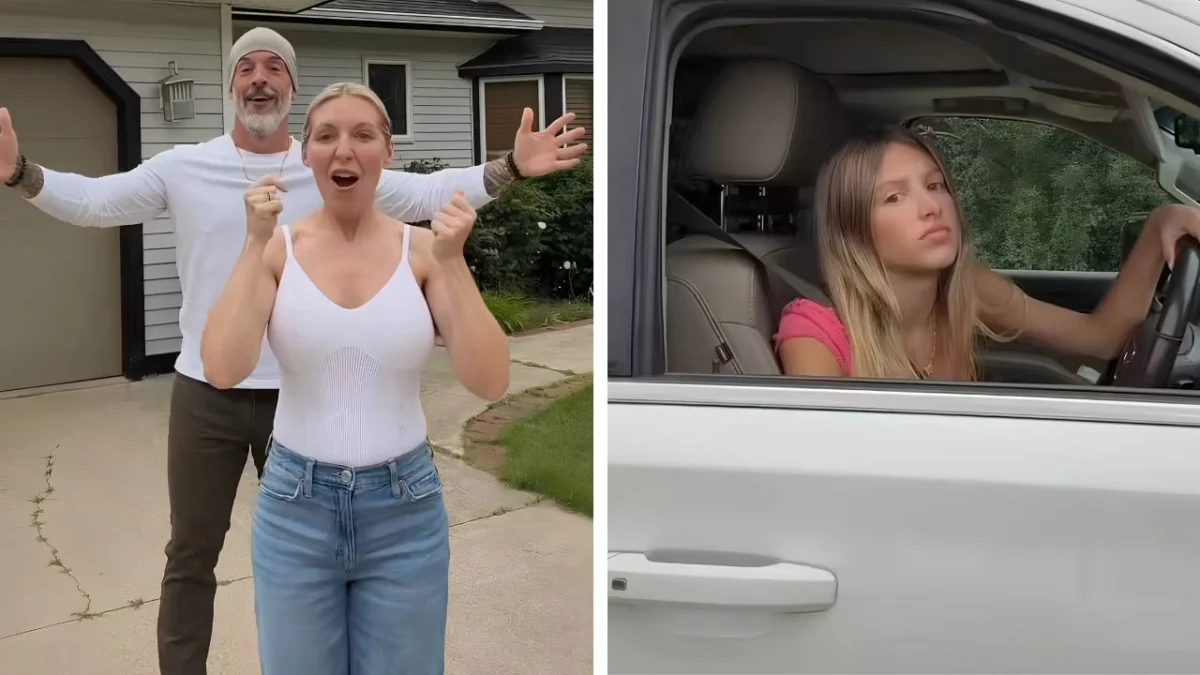
A recent social media phenomenon has captivated millions, highlighting a universal parental aspiration with a humorous twist: the long-awaited moment when a child finally obtains their driver’s license. For one couple, this milestone marked the culmination of a "sixteen-year investment," leading them to playfully dub their newly licensed daughter their personal "chauffeur." The heartwarming and highly relatable narrative, shared by TikToker Kevin Lawson, has resonated deeply with parents worldwide, celebrating not only a child’s newfound independence but also the subtle, often unspoken, relief and freedom it brings to parental duties.
The story unfolded on TikTok, a platform renowned for its ability to transform everyday moments into viral sensations. Kevin Lawson, a content creator boasting a substantial following of 7 million, frequently features his family, including his wife and daughter, in his engaging videos. The viral clip in question, which has amassed over 4 million views on TikTok and subsequently spread to other platforms like X (formerly Twitter) garnering an additional 1.8 million views, perfectly encapsulated the joy and humor inherent in this significant family transition.
The Viral Moment: A Family’s Milestone Unveiled
The video commences with a classic surprise setup, instantly building anticipation. Lawson is seen carefully guiding his wife, her eyes covered, towards an unseen reveal. The moment his hands are removed, her reaction is one of pure, unadulterated ecstasy. She leaps into her husband’s arms, her face beaming with glee, an emotional outpouring that immediately signals the profound significance of the surprise. The object of this elation is soon revealed: their teenage daughter, now old enough and licensed to drive. The daughter, in a typical display of adolescent self-consciousness, appears to be "cringing" at her parents’ overt display of happiness, a reaction that only added to the video’s charm and relatability for many viewers.
The narrative then seamlessly transitions to the immediate "payoff" of this milestone. The next scene shows the daughter confidently behind the wheel, navigating the roads, while her parents comfortably occupy the back seat. The couple is depicted engaging in a relaxed conversation, sharing a sweet kiss—a poignant symbol of their renewed freedom and the joy of being chauffeured. The daughter’s eye-roll, captured in the rearview mirror, serves as a humorous counterpoint to her parents’ contentment, underscoring the dynamic interplay often present in parent-teen relationships.
In the video’s caption, Lawson underscored the long-anticipated nature of this event, writing that it was "a long time coming" for his daughter to finally be able to drive. Within the video itself, a similar caption boldly proclaimed that the couple could now "finally afford their personal chauffeur," a witty remark that immediately struck a chord with parents who understood the underlying sentiment.
The ‘Chauffeur’ Investment: A Long-Awaited Payoff
The humor embedded in the "sixteen-year investment" and the subsequent "personal chauffeur" narrative taps into a deeply shared parental experience. For over a decade and a half, parents typically serve as the primary transporters for their children, ferrying them to school, extracurricular activities, social gatherings, and countless appointments. This period of constant logistical coordination and time commitment often forms a significant part of a parent’s daily routine. The attainment of a driver’s license by a child thus represents not just a step towards the child’s independence, but also a significant liberation for the parents, freeing up their schedules and reducing their transportation burden.
This humorous framing also implicitly touches upon the economic aspects of raising children and managing household logistics. While the cost of raising a child to adulthood is substantial, the "chauffeur" joke cleverly alludes to the hidden "costs" of parental time and effort dedicated to transportation. The prospect of having a licensed driver in the household, even if it’s a teenager, offers a perceived "return on investment" in terms of convenience and time savings, allowing parents to delegate these tasks and reclaim some personal time.
The Shifting Landscape of Teen Driving: Historical Context and Modern Realities
The viral video’s theme also inadvertently highlights broader societal trends concerning teen driving. Historically, obtaining a driver’s license at the earliest possible age, typically 16 in many U.S. states, was a quintessential rite of passage, a powerful symbol of newfound freedom and independence. It marked a significant step into adulthood, granting teenagers unprecedented mobility and autonomy.
However, data from various sources, including the AAA Foundation for Traffic Safety, indicate a notable shift in recent decades. The percentage of teenagers obtaining their driver’s license at 16 has seen a steady decline. For instance, in 1983, approximately 46% of 16-year-olds held a driver’s license; by 2018, this figure had dropped to around 25%. A similar trend is observed for 18-year-olds, with licensure rates falling from 80% to 60% over the same period.
Several factors contribute to this evolving trend. Economic considerations play a significant role; the rising costs associated with vehicle ownership, including purchasing a car, fuel, maintenance, and particularly insurance premiums, can be prohibitive for many young people and their families. The average annual cost of car ownership in the U.S. can exceed $10,000, a substantial financial commitment. Furthermore, the advent and widespread availability of ride-sharing services like Uber and Lyft, coupled with improved public transportation options in urban areas, offer alternative modes of mobility that reduce the immediate necessity for personal vehicle ownership. Stricter graduated driver licensing (GDL) laws, designed to enhance safety by imposing restrictions on new drivers, also contribute to delayed licensure, as teens face longer periods of supervised driving and limitations on nighttime driving or transporting peer passengers. Lastly, a greater focus on academic pursuits and extracurricular activities, alongside the pervasive influence of digital connectivity, means that the allure of driving might be somewhat diminished compared to previous generations who viewed a car as their primary gateway to social interaction.
Against this backdrop of changing driving culture, the Lawson family’s celebration takes on added significance. It underscores that despite these broader trends, the acquisition of a driver’s license remains a cherished and highly anticipated milestone for many families, bringing with it both practical benefits and emotional fulfillment.
Viral Resonance and Parental Solidarity
The video’s immense popularity is a testament to its universal appeal, particularly among parents. The comment sections on both TikTok and X exploded with reactions, demonstrating a widespread sense of solidarity and shared experience. Many parents humorously declared that they were "still investing," echoing the sentiment of patiently awaiting their own children to reach driving age and take over some of the transportation duties.
A recurring theme in the comments was the relatable "attitude" that often accompanies a teenage driver. Jokes about "drivers coming with an attitude" or "built-in eye rolls" resonated deeply, as parents acknowledged the typical adolescent demeanor, which, while sometimes challenging, is often an endearing part of growing up. One X user’s comment, "Free Uber with built-in eye rolls. Parenting peak unlocked!" perfectly encapsulated this blend of practical benefit and humorous observation, quickly becoming a popular sentiment.
Beyond the humor, many comments touched on the quality of the experience of being driven by a newly licensed teen. While some shared humorous anecdotes of near-misses ("Mine almost killed me yesterday on the expressway…"), others expressed a preference to continue driving themselves, even with a licensed teen, due to lingering safety concerns or a lack of trust in their child’s nascent driving skills. These comments, while exaggerated for comedic effect, highlight the real anxieties and adjustments parents face as their children transition into independent drivers.
The spread of the video across various platforms, including prominent verified accounts like @MustangMan_TX on X, amplified its reach and impact. The consistent outpouring of laughing emojis, GIFs, and lighthearted jokes across platforms underscored the video’s ability to tap into a collective consciousness of parental joys and struggles, fostering a sense of community among viewers.
The Power of Digital Storytelling and Relatability
Kevin Lawson’s success as a content creator lies in his ability to craft authentic and relatable narratives from everyday family life. His consistent portrayal of his family, including the dynamic interplay between parents and children, allows his large following to feel connected to his experiences. The "chauffeur" video is a prime example of how digital storytelling, particularly on platforms like TikTok, can take a simple, universally understood life event and transform it into a widely shared moment of collective humor and empathy.
The video’s authenticity is key to its viral success. It doesn’t rely on elaborate production or manufactured drama but rather on the genuine reactions of a family experiencing a significant milestone. This unvarnished portrayal of joy, mixed with the daughter’s typical teenage reaction, creates a compelling and honest narrative that resonates across demographic boundaries. Social media, in this context, acts as a powerful amplifier, enabling these intimate family moments to become shared cultural touchstones, sparking conversations and building communities around common experiences.
Implications for Family Dynamics and Independence
Beyond the immediate humor, the video subtly highlights significant shifts in family dynamics. For the daughter, obtaining her driver’s license is a monumental step towards greater autonomy and independence. It grants her the freedom to navigate the world on her own terms, fostering self-reliance and responsibility. For the parents, it signifies a transition from being the primary logistical coordinators to a more supervisory role, and eventually, to enjoying the benefits of having another capable driver in the household.
This new dynamic often involves negotiating new responsibilities within the family unit. The daughter might now be expected to contribute to household errands, drive younger siblings, or take on other transportation duties, thereby easing the burden on her parents. This negotiation of shared responsibilities further reinforces the idea of a "return on investment," where the long years of parental support are now reciprocated, albeit humorously, through the child’s newfound driving capabilities.
Conclusion
The viral success of Kevin Lawson’s "chauffeur" video serves as a delightful and insightful snapshot of modern family life. It brilliantly encapsulates the universal joy, relief, and often humorous negotiations that accompany a child’s journey to independence. By blending authentic family moments with relatable humor and tapping into a shared parental experience, the video transcends its digital format to become a cultural touchstone. It reminds us that while the landscape of teen driving may be evolving, the fundamental human experience of celebrating milestones, navigating generational dynamics, and finding humor in the everyday remains a powerful force, amplified and celebrated in the vast digital arena of social media. The "sixteen-year investment" indeed paid off, not just in terms of a personal chauffeur, but in a moment of shared joy and a testament to the enduring bonds of family.