Garick Elordi
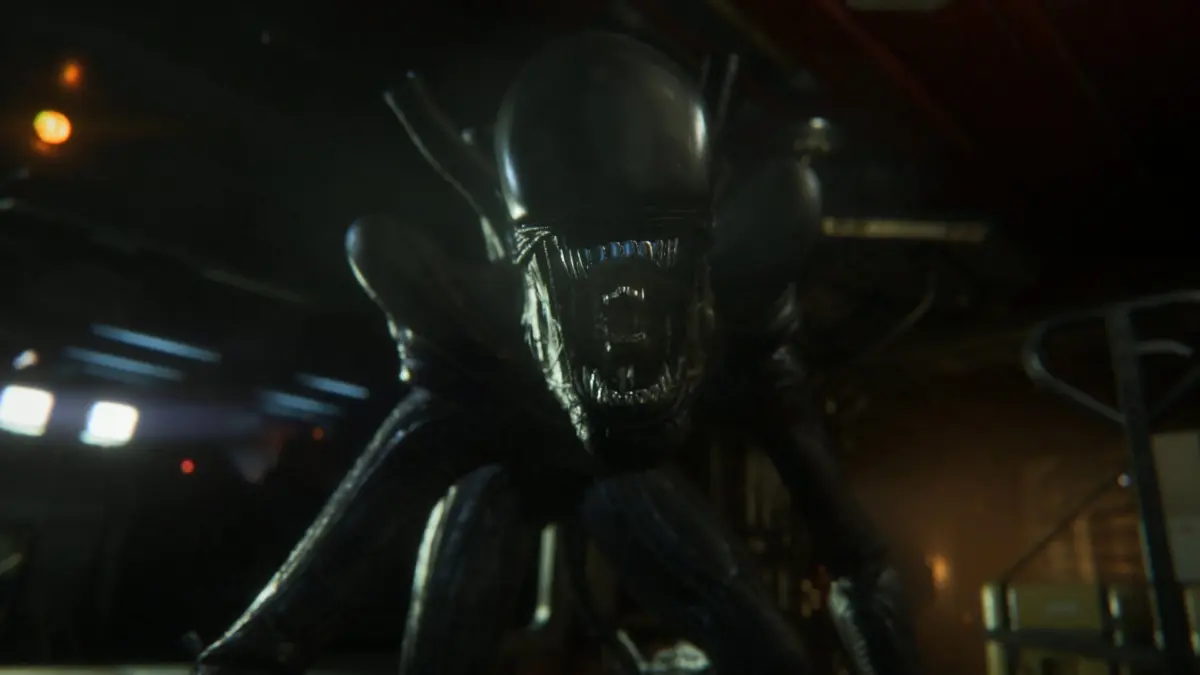
The long-awaited sequel to the 2014 survival horror masterpiece, Alien: Isolation, is officially moving forward with a commitment to traditional media and a significant evolution in its core gameplay mechanics. In a comprehensive developer Q&A session, Creative Assembly provided the first substantial details regarding the production of Alien: Isolation 2, focusing on the preservation of the franchise’s "analogue" aesthetic, the expansion of environmental design, and the implementation of a more sophisticated artificial intelligence system for the titular Xenomorph. The announcement comes at a pivotal time for the gaming industry, as the debate over the preservation of physical media intensifies against a backdrop of increasing digitization.
The Commitment to Physical Media and Analogue Authenticity
One of the most significant revelations from the Creative Assembly team is the confirmation that Alien: Isolation 2 will receive a full physical release. This decision is not merely a logistical choice but a philosophical one, rooted in the franchise’s established visual identity. Creative Director Al Hope emphasized that "staying true to the analogue nature of Alien" is a foundational pillar for the sequel. This refers to the "lo-fi sci-fi" aesthetic established by Ridley Scott’s 1979 film, which the original 2014 game meticulously recreated through the use of bulky CRT monitors, tactile buttons, and a distinct lack of sleek, futuristic technology.
The decision to produce physical discs stands in stark contrast to recent industry trends. In early 2024, reports surfaced indicating that Sony might end the production of new PlayStation discs by 2028, a move that sparked significant backlash from consumer rights groups and collectors who prioritize ownership and long-term preservation. By committing to a boxed edition, Creative Assembly and SEGA are signaling a dedication to the collector market and the preservationist community. However, industry analysts note a potential scheduling conflict: if Alien: Isolation 2’s release window slips beyond the early months of 2028, the availability of physical versions for PlayStation platforms could be compromised by Sony’s shifting manufacturing priorities.
Evolutionary Gameplay: From Claustrophobia to Exposure
The original Alien: Isolation was praised for its oppressive, claustrophobic atmosphere, primarily set within the decaying corridors of the Sevastopol Station. For the sequel, Creative Assembly plans to subvert the player’s sense of safety by introducing expansive exterior environments. Al Hope detailed a psychological "see-saw" effect that the development team is aiming to achieve. While the interior spaces will retain the trapped, suffocating feeling familiar to fans, the transition to exterior locations will offer a deceptive sense of relief that quickly turns into vulnerability.
"We have exteriors as well where the creature is now learning to adapt and hunt in these open spaces," Hope explained. The design philosophy suggests that once a player escapes the confines of a room, the initial sense of victory will be replaced by the realization that they are now exposed from multiple angles. This shift from claustrophobia to agoraphobia is intended to keep the player in a constant state of emotional flux, ensuring that no environment feels truly safe. This expansion of scope suggests a larger world-building effort, potentially moving beyond a single space station to planetary surfaces or larger industrial complexes.
The Next Generation of Xenomorph Intelligence
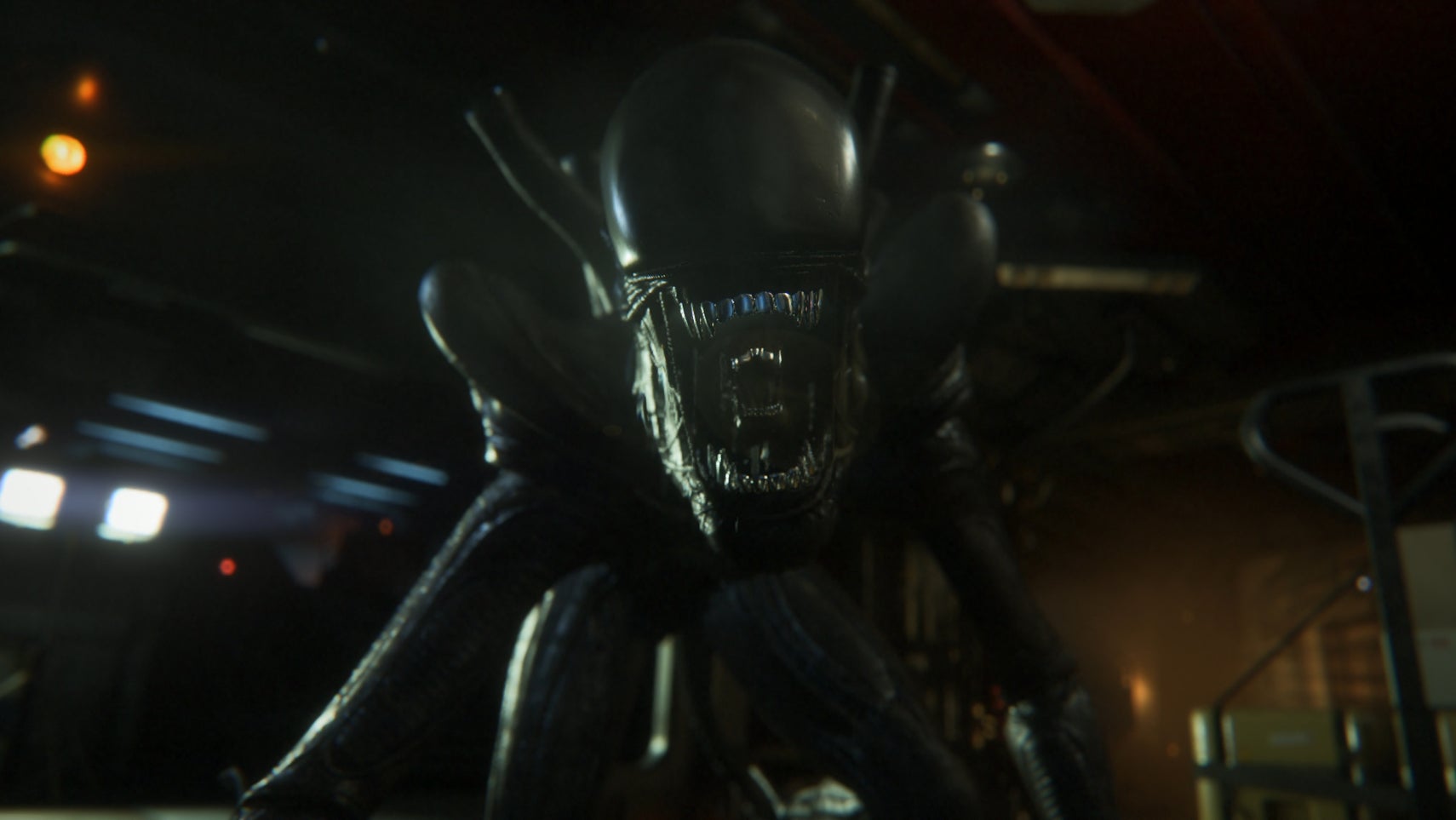
The 2014 original is legendary in the field of game design for its "two-brain" AI system. One part of the AI always knew the player’s general location to ensure tension, while the second part controlled the Xenomorph’s actual movements and "learning" capabilities based on player behavior. For Alien: Isolation 2, Lead Game Designer James Green stated that the creature will be "even more intelligent."
A key advancement in the sequel’s AI involves environmental adaptation. The Xenomorph will reportedly be capable of using extreme climates—such as fog, storms, or fluctuating temperatures—to hide and hunt more effectively. This suggests a more dynamic interaction between the NPC and the game world, where the creature is not just a scripted obstacle but a reactive predator that utilizes the map’s geometry and weather systems to its advantage. This level of sophistication aims to eliminate the predictability that can sometimes plague horror sequels, ensuring that the "perfect organism" remains a credible threat to veteran players.
Team Composition and Development Continuity
The internal structure of the development team at Creative Assembly reflects a balance between institutional knowledge and fresh perspectives. James Green confirmed that approximately one-quarter to one-third of the current development team worked on the original Alien: Isolation. This continuity is vital for maintaining the specific "feel" of the first game—its pacing, sound design, and mechanical weight—which many fans fear could be lost in a sequel handled by a completely new staff.
The inclusion of new talent is described as a deliberate move to bring "fresh perspectives" to the project. This is particularly important given the decade-long gap between the two titles. Since 2014, the survival horror genre has undergone a renaissance, with titles like Resident Evil 7, the Dead Space remake, and various indie hits shifting player expectations. The new team members are tasked with modernizing the experience without diluting the core identity that made the first game a cult classic.
Historical Context: The Decade-Long Road to a Sequel
The journey to Alien: Isolation 2 has been a long and uncertain one. When the original game launched in October 2014, it received critical acclaim for its atmosphere and faithfulness to the source material. However, SEGA initially viewed the sales figures—approximately 2.1 million copies in its first six months—as "weak" relative to the high development costs. This led to years of silence regarding a potential follow-up, during which Creative Assembly focused on the Total War series and the ill-fated shooter project, Hyenas.
Over the last ten years, however, Alien: Isolation’s reputation has only grown. It is frequently cited as one of the greatest horror games of all time and a gold standard for licensed properties. The resurgence of the Alien franchise in cinema, most recently with the success of Fede Álvarez’s Alien: Romulus, likely provided the necessary commercial impetus for SEGA to greenlight a high-budget sequel. The announcement of the sequel earlier this year was met with near-universal praise from the gaming community, validating the long-term endurance of the IP.

Platforms and Technical Expectations
While a specific release date remains elusive, Creative Assembly has confirmed the target platforms for the sequel. Alien: Isolation 2 is being developed for PC, Xbox Series X/S, and the successor to the Nintendo Switch (referred to as the "Nintendo Switch 2"). The mention of the next-generation Nintendo hardware is particularly noteworthy, as it suggests the game will utilize more advanced graphical features than the original, which was ported to the current Switch with impressive results.
Technical analysts expect the sequel to leverage modern features such as hardware-accelerated ray tracing to enhance the lighting and shadows—critical components of the Alien aesthetic. The use of spatial audio will also likely be a priority, given how the first game relied on sound cues for player survival.
Industry Implications and the Future of Horror
The development of Alien: Isolation 2 represents a significant moment for the "AAA" horror market. In an era where many studios are moving toward live-service models and multiplayer-centric designs, a high-budget, single-player survival horror sequel is a bold commitment. The emphasis on a "highly intelligent" lone predator rather than hordes of enemies reinforces the "pure horror" approach that defined its predecessor.
Furthermore, the public discourse surrounding the game’s physical edition highlights a growing rift between corporate digital-first strategies and consumer desires for tangible ownership. By taking a stand on physical media, Creative Assembly is aligning itself with a vocal segment of the gaming audience that views digital-only futures with skepticism.
As production continues, the gaming world remains focused on how Creative Assembly will balance the legacy of the 1979 film with the demands of modern gaming. With a blend of returning veterans and new designers, a commitment to physical preservation, and an AI system designed to outthink the player, Alien: Isolation 2 is positioning itself as a landmark title in the next chapter of interactive horror. For now, fans must wait for a formal gameplay reveal, but the details provided in this latest update suggest that the "even more intelligent" Xenomorph is being prepared for a hunt that will span both the dark corridors of the past and the open, vulnerable landscapes of the future.