Garick Elordi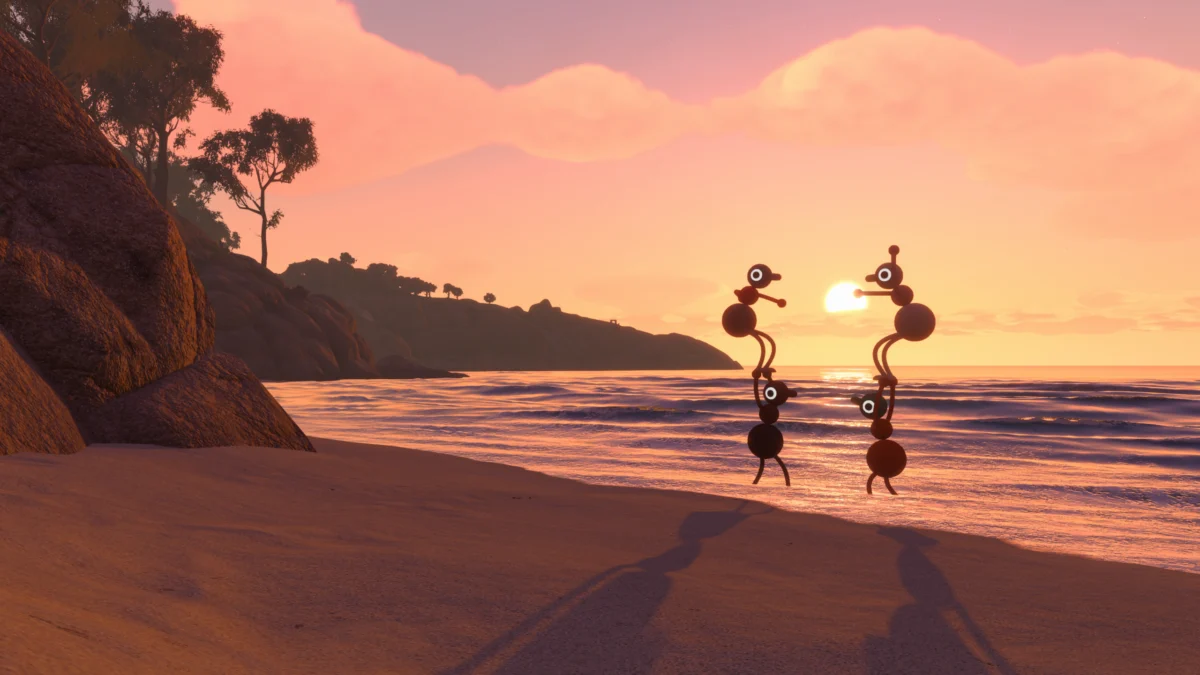
The Melbourne-based independent developer House House, famously known for the 2019 global phenomenon Untitled Goose Game, has officially launched its highly anticipated follow-up title, Big Walk. Published by Panic, the game represents a significant stylistic and mechanical departure from the studio’s previous work, pivoting from solo-oriented stealth-comedy to a sprawling, cooperative multiplayer experience. Set on a vast island inspired by the Australian wilderness, Big Walk challenges players to navigate both physical landscapes and the complexities of group dynamics, utilizing a highly specialized proximity-based voice chat system as its primary mechanical hook.
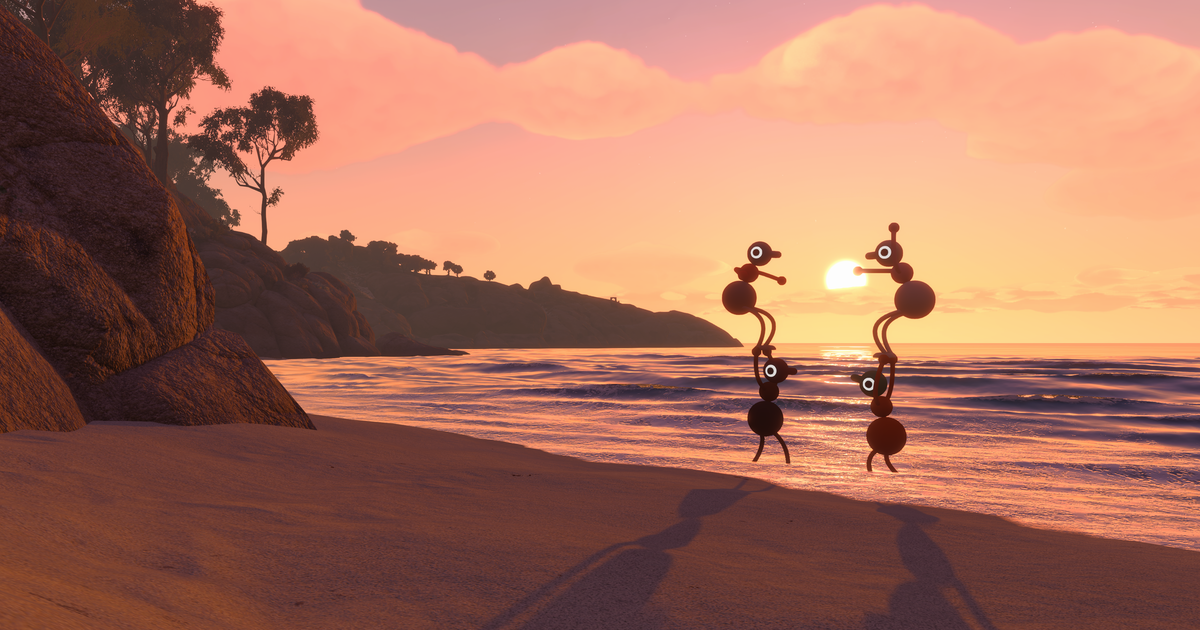
While Untitled Goose Game focused on the "gleeful devilment" of a lone antagonist, Big Walk is positioned as a "hangout game," a genre that emphasizes social interaction and low-stakes environmental engagement. The game supports groups ranging from two to twelve players, though the developers have noted that the core experience is meticulously tuned for smaller parties of three to four. The title’s release follows a development cycle that sought to capture the nuances of human connection, often highlighting the friction and humor that arise when communication systems break down.
Mechanical Innovation Through Proximity and Presence
At the center of Big Walk’s design is an aggressive implementation of proximity-based voice chat. Unlike traditional multiplayer titles that offer global channel communication, Big Walk restricts audible range based on the physical distance between player avatars. This design choice forces players to remain geographically close to maintain coordination, or otherwise find creative ways to signal one another across distances.

The avatars themselves are colorful, bipedal creatures with bird-like features, most notably prominent noses that serve as a visual indicator for player status. In a unique UI implementation, a player’s nose shrinks when they are muted, providing a non-verbal cue to the rest of the group. This focus on physical presence extends to the inventory system. Rather than a traditional menu-based UI, players must physically clip items—such as walkie-talkies, lanterns, or tools—onto each other’s belts or backpacks. This "tactile" approach to cooperative play reinforces the game’s theme of interdependence, as players must often assist one another with equipment management.
Development Context and the Legacy of House House
The release of Big Walk comes seven years after House House first rose to international prominence. Founded in 2016 by Nico Disseldorp, Michael McMaster, Stuart Gillespie-Cook, and Jake Strasser, the studio became a household name when Untitled Goose Game sold over one million copies within its first three months of release. That title’s success provided the financial and creative freedom for the team to pursue a more experimental project.

Industry analysts suggest that Big Walk was heavily influenced by the social conditions of the early 2020s. The concept of "social distancing" and the subsequent reliance on digital communication tools provided a backdrop for a game that interrogates how humans stay in touch. While House House has not explicitly labeled Big Walk a "post-pandemic" game, the emphasis on proximity, physical touch (the ability to carry other players), and the joy of shared exploration reflects a heightened appreciation for communal experiences.
Environmental Design and the Australian Influence
The setting of Big Walk is a sprawling island characterized by a "liminal" aesthetic, where untamed nature meets colorful, oversized man-made structures. The terrain is deliberately rugged; the foliage is dense, and the topography features sheer cliffs and deep valleys. Unlike many first-person explorers that allow for effortless traversal, Big Walk introduces a layer of physical awkwardness. Players can slide down hills on their backsides—a mechanic described as a primary source of emergent humor—but they can also find themselves "stuck" in the brush, necessitating help from their companions.

The island’s ecosystem is modeled after the Australian landscape, though it lacks hostile fauna. There is no combat in Big Walk; the primary "threats" are environmental navigation and the risk of separation. The game utilizes a rapid day-night cycle where darkness is absolute. This creates a functional need for light sources, such as bulbous, portable lamps that are prone to rolling away due to the game’s physics engine. The sound design, led by Em Halberstadt, and the soundtrack by Sam Gill and Luke Neher, play crucial roles in orienting players within this environment, using auditory cues to guide stragglers back to the group.
Progression and Cooperative Puzzle Logic
Progression in Big Walk is tied to the collection of calabash-like objects, colloquially referred to by early players and the development team as "Kongs" due to their resemblance to canine chew toys. These objects are earned by completing collaborative puzzles that are scattered across the island.

The puzzle logic in Big Walk is designed to test the limits of communication. Many challenges require players to enter separate rooms where they are presented with incomplete information. To solve the puzzle, they must describe what they see to teammates who are either out of sight or out of earshot. This often requires the invention of a shared language or a system of gestures.
Key Cooperative Elements:
- The Backpack Revelation: A mid-game upgrade that allows players to carry multiple objects, fundamentally changing the group’s logistical capabilities.
- Signal Systems: The use of flares, whiteboards at the base camp, and fireworks from towers to communicate across the island when voice chat fails.
- Physics-Based Comedy: The intentional roundness of quest items (Kongs) and lamps ensures they roll down inclines, frequently leading to chaotic retrieval missions.
Timeline of Development and Release
- September 2019: House House releases Untitled Goose Game to critical and commercial acclaim.
- 2020-2022: The studio enters a period of quiet development, experimenting with multiplayer prototypes in Melbourne.
- December 2023: Big Walk is officially announced at The Game Awards with a teaser trailer highlighting its unique art style and focus on walking.
- 2024-2025: House House and Panic release periodic updates focusing on the game’s "friendship-first" philosophy.
- June 2026: Big Walk is released on PC and major console platforms, including Nintendo Switch.
Industry Impact and the Rise of "Hangout" Games
The launch of Big Walk coincides with a broader industry trend toward "hangout" or "low-stress social" games. Following the success of titles like Among Us, Sky: Children of the Light, and Lethal Company, developers have increasingly explored how multiplayer environments can facilitate social connection rather than just competition.

However, Big Walk distinguishes itself through its lack of an "imposter" mechanic or high-stakes survival pressure. Instead, it relies on "delightful friction"—the minor frustrations of getting lost or dropping an item—to create memorable social stories. Panic, the game’s publisher, has a history of supporting such narrative-driven and experimental titles, including Firewatch and the development of the Playdate handheld console. By backing Big Walk, Panic continues to position itself as a champion of "prestige indie" titles that prioritize unique emotional resonances over traditional gameplay loops.
Official Responses and Philosophical Implications
In statements leading up to the release, the team at House House emphasized that the game is as much about the "occasional frustrations" of human communication as it is about the joys. "It’s a game about being with your friends," the developers noted in a recent FAQ. This sentiment is echoed in the game’s ending, which industry insiders have described as a "subtle but ingenious twist" on traditional game design. Rather than testing mechanical skill, the climax reportedly tests the players’ understanding of their teammates and the communication systems they have built together over the course of the journey.

The critical reception has highlighted the game’s ability to enrich the player’s real-world relationships. By stripping away the "terrible cacophony of the real world"—including in-game smartphones or global chat—Big Walk forces a level of presence that is rare in modern digital interaction. The requirement to physically look at a companion to see if they are muted, or to clip a walkie-talkie to a friend’s belt, fosters a sense of intimacy that transcends typical cooperative play.
As the gaming industry continues to grapple with issues of player retention and "live-service" fatigue, Big Walk offers an alternative model: a finite, meaningful experience designed to be remembered for the quality of the social interaction it facilitates. It stands as a testament to the idea that video games can be more than just entertainment; they can be tools for genuine human enrichment.