Vera Intan Clara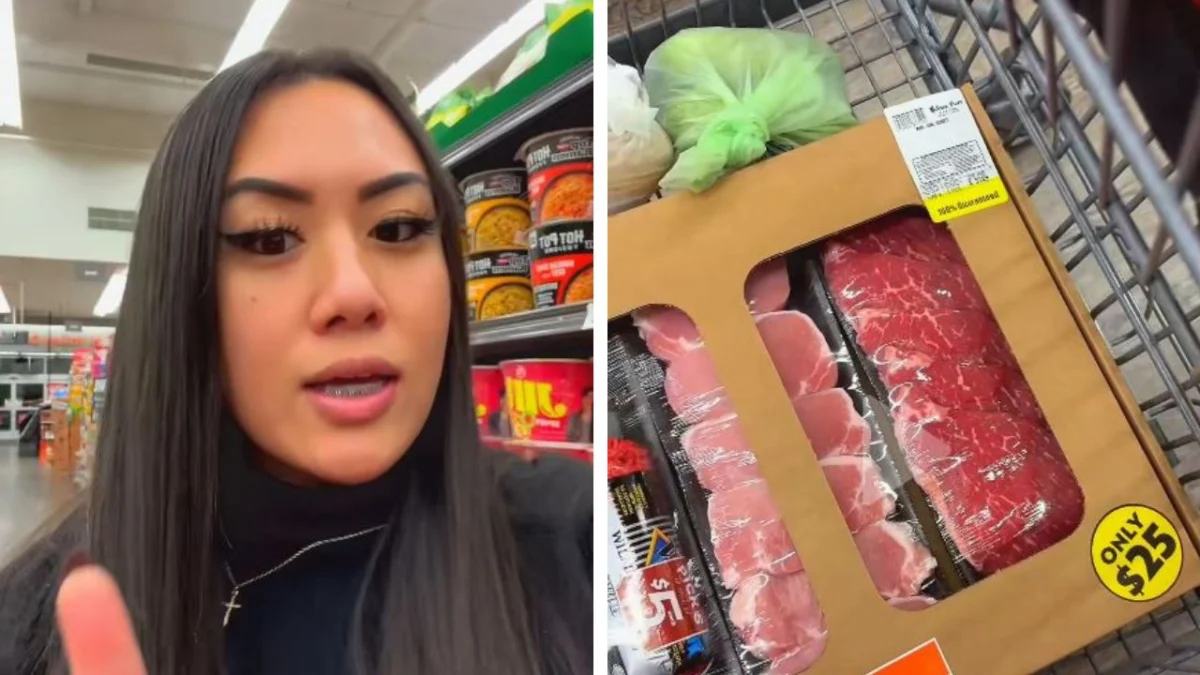
The digital landscape of consumer deal-sharing recently saw a significant surge in activity following a viral TikTok video posted by user @babysokiee, which showcased a $25 Butcher’s Bundle available at the regional grocery chain, Save Mart. Amassing over 12,000 likes in its initial virality and sparking a flurry of comments, the video underscored a growing consumer appetite for value-driven grocery solutions, particularly for high-cost items like meat, amidst persistent inflationary pressures. The phenomenon highlights the powerful influence of user-generated content in shaping contemporary shopping behaviors and the ongoing quest for affordability in daily essentials.
The Genesis of a Viral Sensation
The video, uploaded by TikToker @babysokiee, quickly captured attention due to its direct and enthusiastic presentation of a seemingly exceptional deal. The clip prominently featured a box labeled "Butcher’s Bundles" resting in her shopping cart, adorned with a clear "Only $25" sticker. Through cutouts on the packaging, viewers could discern an assortment of sealed cuts of red meat and pork, suggesting a substantial offering for the price. "If you guys are ever near a Save Mart, stop by the meat section and grab you a butcher bundle, y’all," @babysokiee advised her followers, before revealing the marked-down price from an original "regular price" of $37.29. This indicated a saving of over $12, a significant discount in the context of rising food expenses.
The bundle, as described in the video, contained four distinct types of meat: drumsticks, ground beef, pork, and an unspecified cut of red meat. The comprehensive nature of the package, offering variety for multiple meals, contributed significantly to its perceived value. "You can’t say that’s not a good deal," she asserted, culminating her endorsement with an emphatic call to action: "So come to Save Mart and get this $25 Butcher Bundle because yes." The raw authenticity and immediate appeal of the deal resonated strongly with an audience increasingly reliant on digital platforms for practical, money-saving tips.
Unpacking the Butcher’s Bundle: Details and Discrepancies
The immediate aftermath of the video’s release saw a torrent of engagement in the comments section, where viewers sought further clarification and shared their own experiences. @babysokiee herself engaged with commenters, relaying information purportedly from a store employee who suggested the deal’s availability across all Save Mart locations. However, she prudently advised prospective shoppers to call ahead to confirm, a recommendation that proved prescient given the challenges in independent verification. She also mentioned that FoodMaxx, a sister chain to Save Mart, offered a similar promotion, allowing shoppers to build their own bundles by selecting five or more packages marked with a corresponding tag.
The comments section became a microcosm of the broader consumer landscape, reflecting both excitement and a degree of confusion regarding the specifics of the deal. One commenter directly compared the savings to those offered by large-scale retailers: "It’s at any Save Mart but beats spending hundreds at Costco or Sam’s Club," they wrote, articulating a common sentiment among budget-conscious shoppers. Many expressed surprise at the deal’s existence, with one user stating, "Omg I’m gonna have to go I didn’t know they did this."
Further complicating the understanding of the promotion, other commenters introduced variations of the deal. One reply highlighted a "5 for 5" promotion, allowing customers to pick five different types of meat for $5 each, provided they carried a specific "5 for 5 sticker." This suggested that Save Mart might operate multiple, co-existing meat bundle promotions, adding layers of complexity for shoppers seeking to maximize their savings. Another commenter reiterated the "5 for $25" structure, suggesting flexibility in mixing and matching items. Yet another described a different combination of pre-seasoned meats, including taco meat, asada, pastor, and two chicken varieties, indicating a potential array of curated bundles tailored to different culinary preferences.
It is crucial to note, however, that The Daily Dot, the original reporting entity, explicitly stated its inability to independently verify the specific contents of the package, the regular price, the universal availability of the Butcher’s Bundle at all Save Mart and FoodMaxx locations, or the precise details of the various deals described by commenters. Consequently, the information disseminated through the viral TikTok video and its comment section remains largely anecdotal, reflecting consumer perceptions and experiences rather than officially confirmed corporate policy across all outlets. This highlights a persistent challenge in the age of social media-driven news: the rapid spread of information, often ahead of official verification.
The Economic Backdrop: Inflation and Consumer Spending Habits
The virality of @babysokiee’s video cannot be fully understood without acknowledging the prevailing economic climate, particularly the persistent issue of food inflation. For much of the past two years, consumers across the United States have grappled with significantly elevated prices for groceries, directly impacting household budgets. According to data from the U.S. Bureau of Labor Statistics, the Consumer Price Index (CPI) for food at home saw substantial year-over-year increases, albeit with some recent moderation. While the rate of increase has slowed from its peak, cumulative price hikes mean that many staple items, especially meat and poultry, remain considerably more expensive than they were pre-pandemic.
Meat, poultry, fish, and eggs have historically been among the more volatile categories within the food index, often experiencing sharp price increases due to factors ranging from feed costs and supply chain disruptions to disease outbreaks and labor shortages. For many households, these items represent a significant portion of their weekly grocery expenditure. Consequently, a deal offering a substantial quantity and variety of meat for a flat, accessible price point like $25 becomes exceptionally attractive. Consumers are actively seeking strategies to mitigate these costs, including meal planning, couponing, switching to store brands, and, increasingly, leveraging social media to discover local deals.
The average American household spends a notable percentage of its income on food, with a significant portion allocated to groceries. When discretionary spending is constrained by broader inflationary pressures—encompassing housing, fuel, and utilities—the focus on optimizing grocery outlays intensifies. The "Butcher’s Bundle" taps directly into this consumer pain point, offering a perceived solution to the high cost of protein, a critical component of most diets. Its appeal is not just about the discount, but about the convenience of a pre-selected, diversified offering that simplifies meal planning for budget-conscious families.
The Landscape of Grocery Retail: Competing for the Value Shopper
The success of Save Mart’s Butcher’s Bundle promotion, amplified by social media, also provides a lens through which to examine the competitive dynamics within the grocery retail sector. Large warehouse clubs like Costco and Sam’s Club have long been synonymous with bulk savings, particularly on meat. However, their model often requires a membership fee and significant upfront spending, which may not be feasible or desirable for all consumers. The commenter who noted that the Save Mart deal "beats spending hundreds at Costco or Sam’s Club" succinctly captured this differential. For many, a $25 deal at a neighborhood grocery store is more accessible and requires less financial commitment than a large-scale warehouse run.
Regional grocery chains like Save Mart and FoodMaxx operate in a highly competitive environment, often vying with national chains, discount retailers (like Aldi or Lidl), and increasingly, online grocery delivery services. In this landscape, offering compelling, localized deals can be a crucial differentiator. While national chains might rely on broader marketing campaigns, regional players can leverage specific in-store promotions that resonate with local communities. The "Butcher’s Bundle" strategy, particularly if it’s a recurring or semi-regular offer, could serve as a powerful tool for customer acquisition and retention. It positions Save Mart as a value-oriented destination for a key grocery category.
Moreover, the apparent flexibility of Save Mart’s promotions—ranging from the pre-packaged bundle to the "5 for $25" mix-and-match option—suggests a strategic effort to cater to diverse shopping preferences. Some consumers prefer the simplicity of a ready-made bundle, while others value the autonomy of selecting individual items to meet specific dietary or meal planning needs. This adaptability can enhance customer loyalty and differentiate the store from competitors that might offer less flexible discount structures.
Implications for Save Mart and the Broader Industry
The viral success of @babysokiee’s video presents several significant implications for Save Mart and the broader grocery industry.
Enhanced Brand Visibility and Customer Acquisition: The immediate and widespread exposure generated by the TikTok video is invaluable. In an era where traditional advertising faces increasing skepticism, authentic user-generated content acts as a powerful, credible endorsement. For Save Mart, a regional chain primarily operating in California and Nevada, this virality translates into increased brand awareness beyond its immediate customer base and potentially drives new foot traffic from consumers who might not typically shop there. The "Butcher’s Bundle" could become a signature offering, synonymous with value at Save Mart.
Leveraging Social Media as a Marketing Channel: The event underscores the potent, yet often unpredictable, nature of social media as a marketing tool. While companies invest heavily in digital advertising, an organic, genuine recommendation from an influencer or everyday user can achieve far greater reach and impact. This highlights the need for retailers to monitor social media trends, engage with user-generated content, and potentially even cultivate relationships with micro-influencers who genuinely appreciate their offerings.
The Power of Value Proposition in Inflationary Times: The strong consumer reaction confirms that value remains a paramount concern for shoppers. Retailers who can consistently offer compelling deals, particularly on high-cost items like meat, are likely to gain market share. This doesn’t necessarily mean across-the-board price cuts, but rather strategic promotions that offer tangible savings and convenience.
Operational Considerations and Supply Chain Management: If such a deal gains sustained popularity, Save Mart would need robust supply chain management to ensure consistent availability of the Butcher’s Bundles across all participating locations. Meeting increased demand without compromising quality or running out of stock would be critical to maintaining customer satisfaction and capitalizing on the viral momentum.
Competitive Response: The success of Save Mart’s deal may prompt other grocery retailers, both regional and national, to evaluate their own promotional strategies for meat and other high-demand categories. Competitors might introduce similar bundle deals, enhance their existing value offerings, or increase their own social media engagement to capture the attention of deal-seeking consumers. This could lead to a healthy competition that ultimately benefits shoppers.
Navigating Deal Verification in the Digital Age
The caveat from The Daily Dot regarding the unverified nature of many claims in the comments section highlights a growing challenge in the age of rapid digital information dissemination. While social media platforms excel at sharing real-time experiences and recommendations, they often lack the mechanisms for independent verification that traditional journalism strives for. Consumers, excited by a potential deal, may share anecdotal information that might not be universally accurate or consistent across all store locations, or might be subject to change.
For both consumers and retailers, this necessitates a degree of caution. Consumers are encouraged to heed @babysokiee’s advice to "call ahead to confirm" to avoid disappointment. Retailers, on the other hand, might consider clearer communication strategies for their promotions, perhaps by creating dedicated landing pages or official social media posts that provide precise details, terms, and conditions, and delineate availability by location. This could help manage expectations and build trust in their offerings.
Looking Ahead: The Future of Grocery Shopping and Social Commerce
The Save Mart Butcher’s Bundle saga serves as a compelling case study in the evolving landscape of grocery shopping and social commerce. It illustrates how an ordinary product promotion, when serendipitously discovered and authentically shared by a user, can transcend traditional marketing channels and achieve widespread recognition. As economic pressures continue to shape consumer behavior, the search for value will remain a driving force.
The trend suggests that grocery retailers who can effectively tap into the power of user-generated content, offer transparent and compelling deals, and adapt to the dynamic expectations of modern shoppers—who are increasingly digitally savvy and value-driven—will be best positioned for success. The humble Butcher’s Bundle, propelled by a TikTok video, has become more than just a meat deal; it’s a symbol of the ongoing consumer quest for affordability and the profound impact of social media on everyday purchasing decisions. As the digital sphere continues to intertwine with brick-and-mortar retail, these organic, community-driven discoveries will likely play an even more pivotal role in shaping market trends and consumer loyalty.